


The Gift Should Feel Thoughtful, Not Risky
Chocolate has always been an easy gift choice. Birthdays, holidays, corporate events, weddings, thank-you gestures—there is almost always a reason to send a beautiful box of chocolates. But today, choosing the right chocolate gift is a little more complicated than picking a nice-looking assortment.
People have different dietary needs, food allergies, and ingredient preferences. Some avoid peanuts, tree nuts, dairy, gluten, or soy. Others may follow vegan, halal, kosher, or other dietary requirements. A gift that looks perfect on the outside can become a problem if the recipient cannot safely enjoy what is inside.
That is why allergen awareness is becoming an important part of modern Chocolate Gift Boxes. The goal is not to remove all the fun from chocolate gifting. It is to make the experience more thoughtful from the start.
One Box Does Not Fit Every Market
Different markets can also have different expectations around food labeling and allergen communication. A chocolate box designed for one country may not be ready for another market without changes to its packaging, ingredient information, or product selection.
For brands selling internationally, this matters even more. A multi-market strategy needs to consider local regulations, consumer habits, language, and cultural preferences rather than simply translating the same label into another language.
Transparency Builds Consumer Confidence
Clear ingredient lists and allergen statements can make a big difference. Shoppers want to know what they are buying, especially when the product is intended as a gift for someone else.
A well-designed chocolate box can communicate this information without making the packaging feel clinical. Smart labeling, easy-to-read icons, and simple language can keep the product attractive while giving customers the information they need.
Peanuts and Tree Nuts
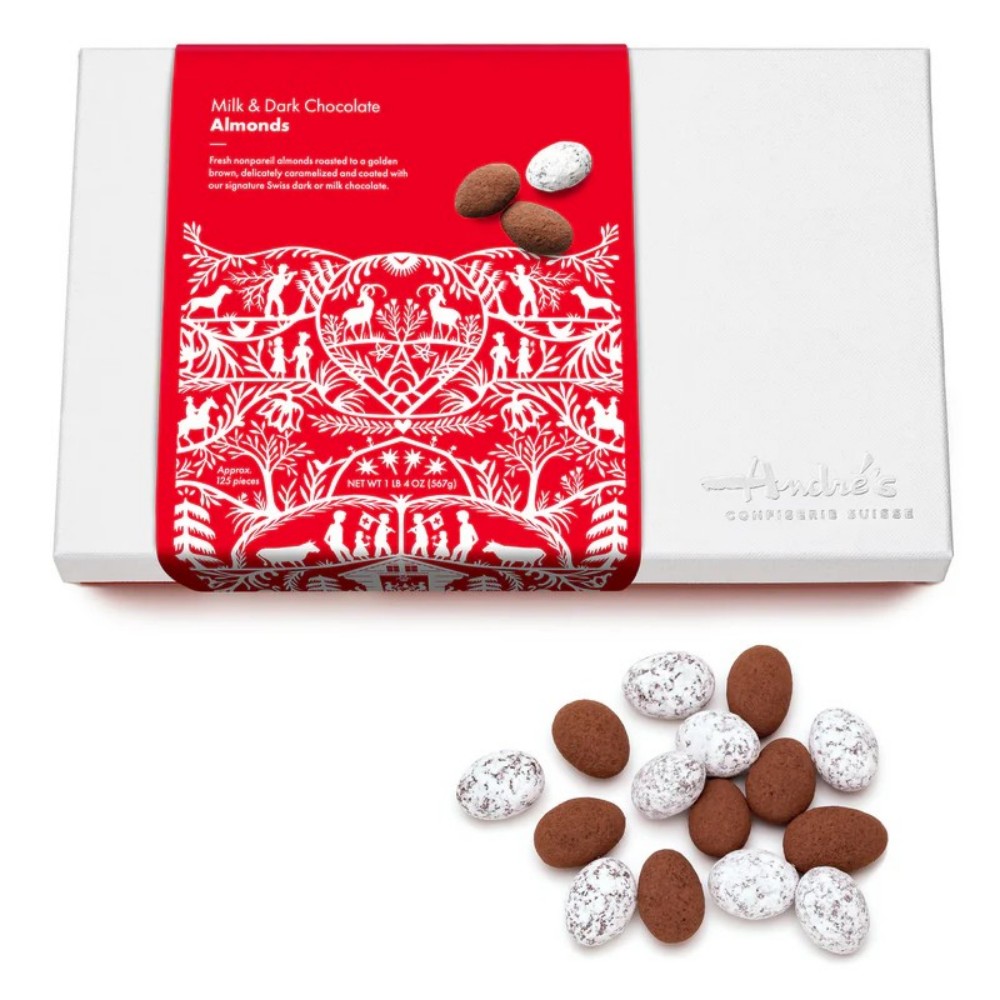
Nuts are common in premium chocolate products. Almonds, hazelnuts, pistachios, pecans, and peanuts can add texture and flavor, but they are also major concerns for consumers with allergies.
For an allergen-smart range, brands should clearly distinguish products containing nuts from products that do not. More importantly, manufacturers need to consider cross-contact during production rather than looking only at the final recipe.
If a box includes several varieties, the packaging should make the presence of relevant allergens easy to understand. A customer should not have to search through tiny print just to determine whether a particular piece contains hazelnuts.
Milk and Dairy Ingredients
Milk is another major consideration because many chocolates use milk powder, butter, cream, or other dairy ingredients. Dark chocolate may sometimes appear dairy-free, but assumptions can be misleading because recipes and manufacturing processes vary.
For shoppers looking for dairy-free options, clear product descriptions are especially useful. Instead of relying on vague phrases such as “healthy chocolate,” brands can explain exactly what the product is and what it contains.
Soy, Gluten, and Other Ingredients
Soy lecithin is widely used in chocolate manufacturing, while certain fillings, cookies, wafers, or flavored inclusions may introduce gluten. Even a box that looks like a simple collection of chocolates can contain a surprisingly wide range of ingredients.
An allergen-smart approach means reviewing every component, from the chocolate shell to the filling and decorative toppings. This level of attention can also help brands create more reliable product information across different sales channels.
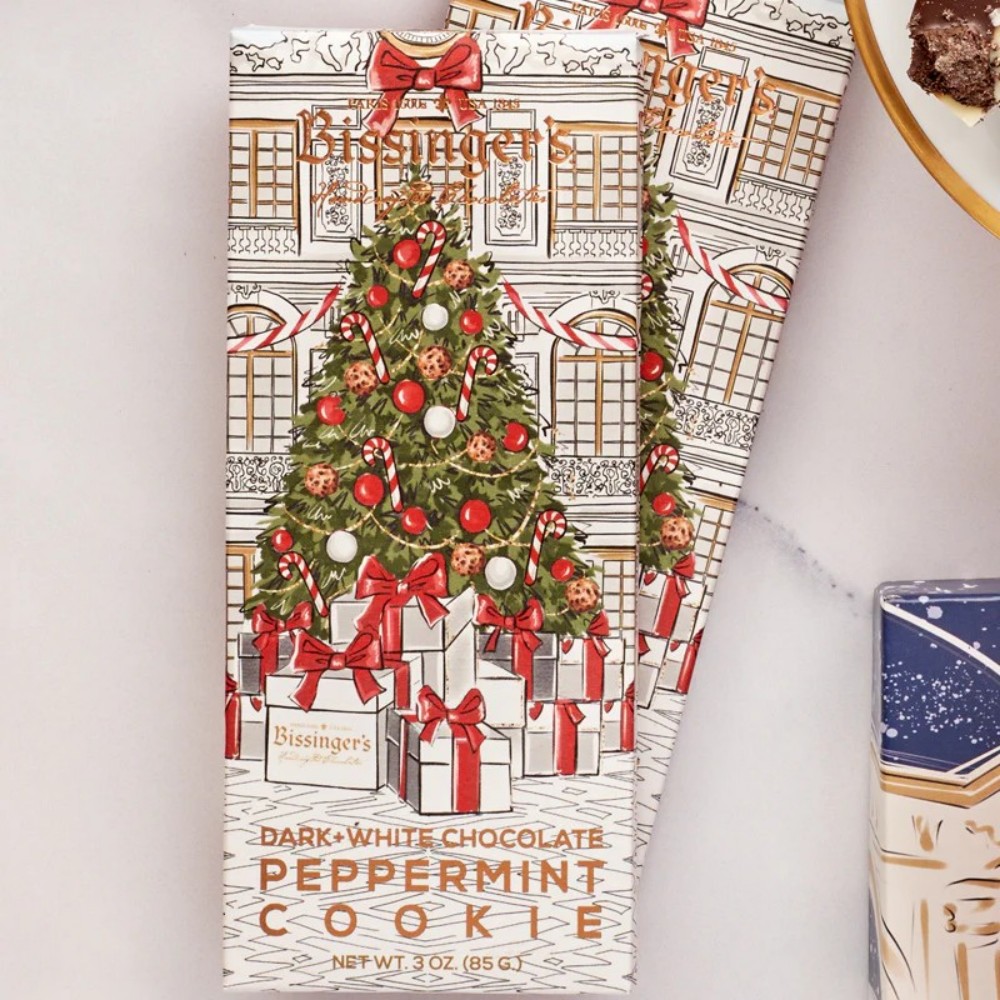
Localize the Label, Not Just the Language
International chocolate gifting requires more than translation. Consumers in different markets may expect different labeling conventions, allergen declarations, serving information, or product descriptions.
For example, a company entering a new market should review the local requirements before printing large quantities of packaging. A translated label that does not meet local expectations can create unnecessary costs later.
The same applies to online stores. Product pages should use terminology that local shoppers actually understand. Search behavior, ingredient names, measurement systems, and dietary terminology can all vary.
Create a Flexible Packaging System
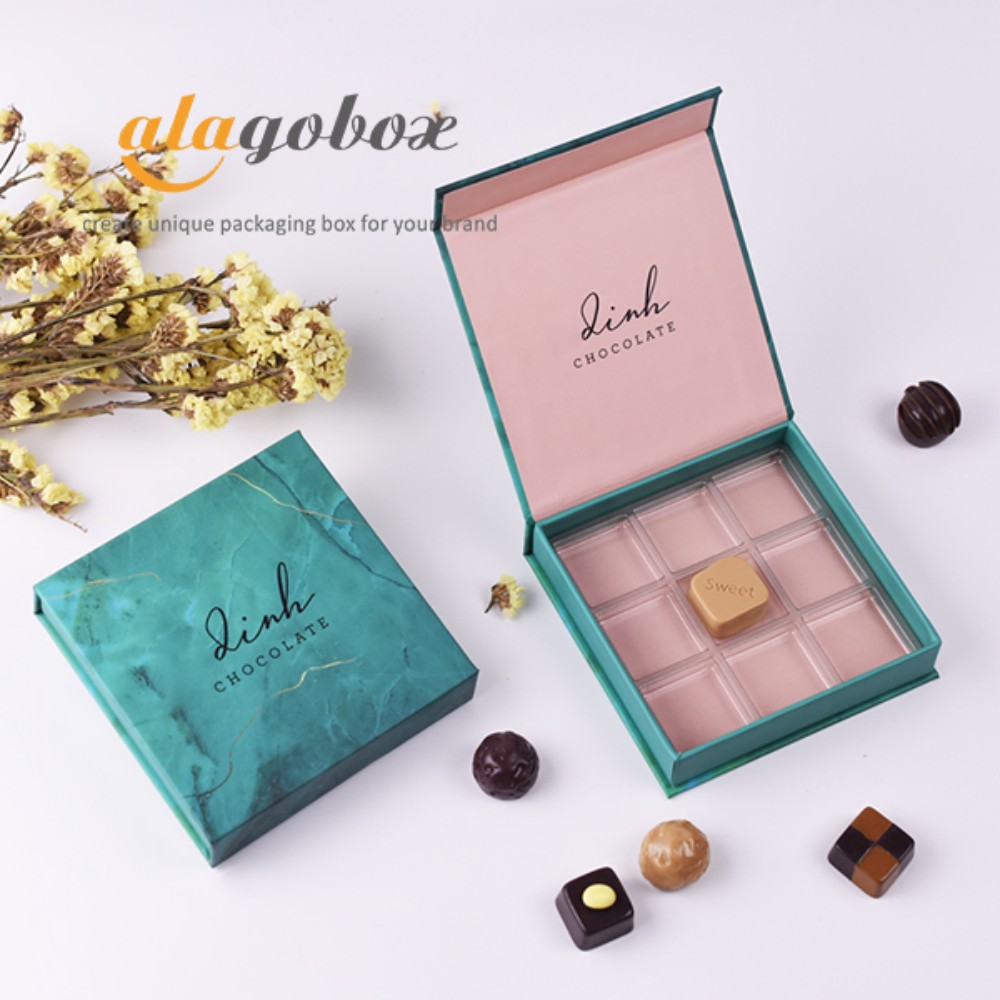
A flexible packaging system can make multi-market expansion easier. Instead of creating completely different boxes for every country, brands can use a common visual identity combined with market-specific information panels.
This approach can keep the brand recognizable while allowing important details to change when needed. Languages, allergen statements, nutrition information, and market-specific legal information can be adapted without redesigning the entire package.
Keep the Premium Experience Intact
Allergen information does not have to make a gift box look boring. Premium chocolate brands can integrate ingredient communication into the overall design.
A clean information panel, elegant typography, subtle icons, and carefully organized product cards can actually make the box feel more professional. When customers can quickly understand what they are giving, the entire gifting experience becomes easier.
Vegan and Dairy-Free Shoppers
Vegan chocolate has moved well beyond a niche category. For many shoppers, plant-based chocolate is simply another option they expect to see.
Brands can create dedicated vegan selections or clearly identify vegan-friendly products within a larger range. However, claims should be supported by the actual formulation and manufacturing information rather than marketing assumptions.
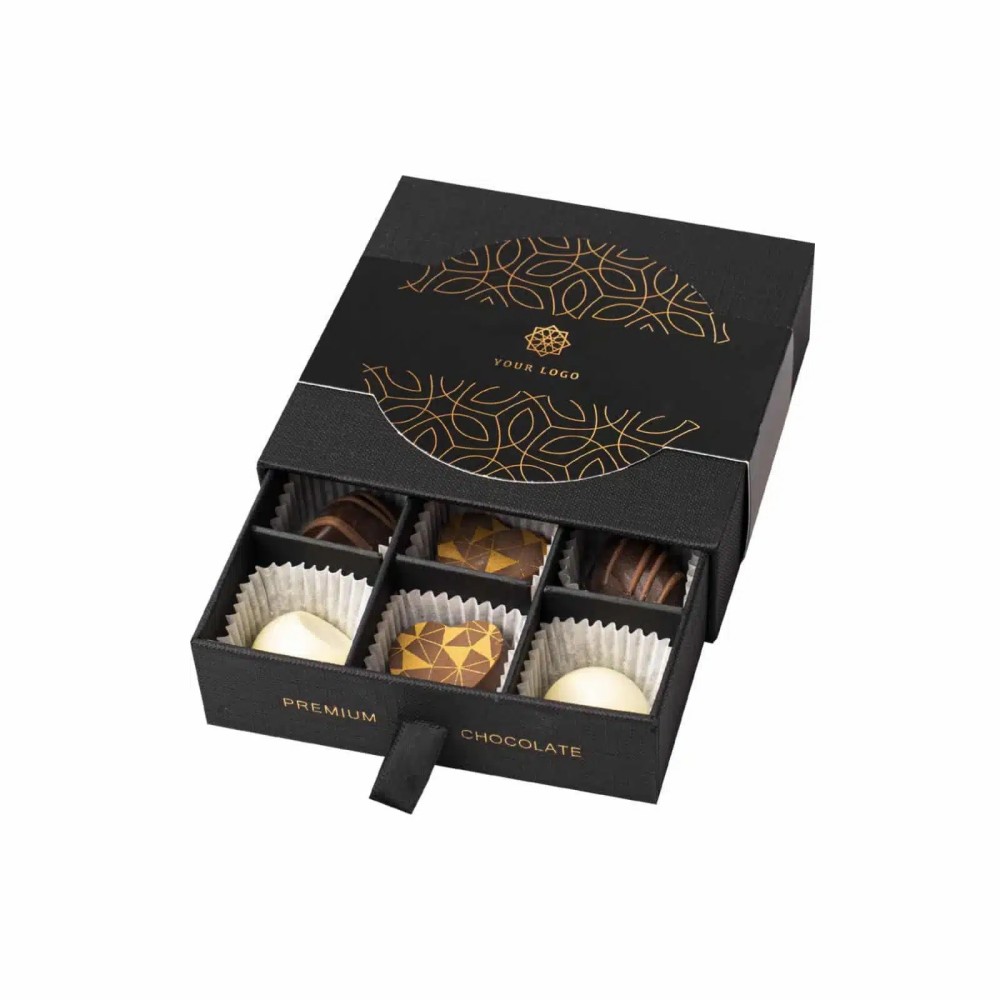
A box featuring dark chocolate, fruit, coconut, caramel-style plant-based fillings, and other dairy-free options can still feel indulgent. The key is making the selection feel intentional rather than like a collection of products with something missing.
Gluten-Free Preferences
Gluten-free consumers often need to look beyond the chocolate itself. Fillings, biscuits, wafers, cookie pieces, and certain flavor ingredients can change the allergen profile of a product.
For multi-market Chocolate Gift Boxes, brands should evaluate each flavor individually. A simple product matrix can help teams track ingredients, allergens, dietary claims, and market-specific requirements before products reach customers.
Halal and Kosher Considerations
Some consumers also look for halal or kosher-certified chocolate. Certification requirements can vary, so brands should avoid making broad claims without appropriate documentation.
When certification is available, displaying it clearly can make shopping easier. It also helps customers feel more confident when buying gifts for family members, friends, colleagues, or business partners with specific dietary or religious requirements.
Put Allergen Information Where Shoppers Can See It
Online shoppers cannot pick up a box and inspect the label. That changes the way product information needs to be presented.
Important allergen details should appear near the product description rather than being hidden at the bottom of a long page. A shopper should be able to understand the basic product characteristics before adding the gift box to a cart.
This is particularly important for gift buyers. They may not know the recipient's dietary restrictions in detail, so simple filters and product descriptions can help them make a safer choice.
Use Clear Product Filters
E-commerce stores can make allergen-smart shopping much easier with useful filters. Options might include dairy-free, nut-free, gluten-free, vegan, or certified products where applicable.
These filters should be based on verified product information. Incorrect filtering can create more confusion than having no filter at all.
Support Search Intent Naturally
From an SEO perspective, shoppers may search for phrases such as “vegan chocolate gift box,” “dairy-free chocolate gifts,” “nut-free chocolate gifts,” or “allergen-friendly chocolate gifts.”
Brands can address these searches through useful category pages, FAQs, buying guides, and product descriptions. The focus should be on answering genuine customer questions rather than repeating the same keyword in every paragraph.
Good SEO content sounds like something a helpful store assistant would say. It explains the product, answers concerns, and gives customers a reason to trust the information.
Start With a Product and Ingredient Database
When a chocolate business operates across multiple markets, product information can quickly become difficult to manage. A centralized database can help teams track ingredients, allergens, certifications, packaging versions, translations, and market availability.
This also makes future product launches easier. When a new flavor is added, the team can check its ingredient and allergen information before deciding which markets it can enter.
Work Closely With Suppliers
Allergen management does not start when the finished chocolate reaches the packaging line. It begins with the ingredients and suppliers.
Brands should maintain clear supplier documentation and regularly review ingredient specifications. Manufacturing conditions and cross-contact information can be just as important as the recipe itself.
A strong supplier relationship also gives brands better visibility when recipes change. That can be especially useful for companies selling the same product across several countries.
Review Claims Before Launch
Terms such as “free from,” “vegan,” “gluten-free,” or “nut-free” can carry specific expectations and, depending on the market, regulatory implications. Marketing teams should therefore work with product, quality, and compliance teams before publishing these claims.
It may take a little more time upfront, but it can prevent packaging changes, customer complaints, and expensive market-specific corrections later.
Think Beyond the Box
An allergen-smart strategy should cover the whole customer journey. The same information should be consistent across packaging, product pages, marketplaces, advertisements, customer service responses, and printed catalogs.
When every touchpoint tells the same story, customers have fewer reasons to hesitate. That consistency can become a real advantage for brands competing in crowded chocolate gift markets.
Allergen awareness is becoming an important part of modern chocolate gifting. Consumers still want beautiful, indulgent products, but they also want enough information to choose confidently.
For brands, the opportunity goes beyond simply adding an allergen statement to a package. A successful multi-market strategy can combine transparent labeling, flexible packaging, carefully managed ingredients, localized information, and useful online shopping tools.
The best Chocolate Gift Boxes are not necessarily the ones with the most flavors or the biggest packaging. They are the ones that make the recipient feel considered.
By taking allergens and dietary preferences seriously, chocolate brands can create gift collections that are easier to understand, easier to shop for, and better suited to an increasingly diverse global customer base. That is what makes an allergen-smart chocolate gift feel genuinely thoughtful—from the first click to the final bite.
Allergen-smart Chocolate Gift Boxes are chocolate collections designed with greater attention to common allergens and dietary preferences. They may clearly identify ingredients such as milk, peanuts, tree nuts, soy, or gluten, helping customers choose gifts with more confidence. Depending on the product and market, these boxes may also include vegan, dairy-free, gluten-free, halal, or kosher options.
Start by checking the ingredient list and allergen information rather than relying only on the product name or appearance. Look for clearly stated information about common allergens, and check whether the product is made in a facility that also handles relevant allergens. If you are unsure, contacting the manufacturer or retailer before purchasing is a sensible step.
No. Dairy-free chocolate is not automatically vegan. A product may contain no milk ingredients but still include other animal-derived ingredients, such as honey. If you need a vegan Chocolate Gift Box, look for a specific vegan claim supported by the product's ingredient and manufacturing information.
Allergen labeling helps customers understand what they are buying, especially when products are sold across different countries. Food labeling requirements and consumer expectations can vary between markets, so chocolate brands need to review local requirements carefully. Clear and localized information can also make international online shopping easier and more transparent.
Absolutely. Allergen information does not have to make packaging look complicated or unattractive. Brands can use clean typography, organized information panels, simple icons, and thoughtful packaging layouts to communicate important details while maintaining a premium appearance. In fact, clear information can make a Chocolate Gift Box feel more professional and considerate.
Post time: Sep-19-2026


