


Keeping Food Fresh from Kitchen to Customer
Food delivery has become a regular part of everyday life. People order everything from burgers and noodles to salads, desserts, and full family meals. But getting food from the kitchen to the customer's door without spills or damage is not always easy. The right food boxes can make a big difference in how meals look, taste, and arrive.
Good packaging does more than hold food. It helps keep ingredients in place, protects meals from outside pressure, and reduces the risk of leaks during transportation. Imagine a customer opening a delivery bag and finding sauce all over the container. Even if the food tastes great, that experience can leave a bad impression.
How Poor Packaging Affects Customer Satisfaction
Leaking containers and damaged meals can lead to complaints, refunds, and negative online reviews. For restaurants, these problems may also mean wasted ingredients and additional packaging costs. Choosing reliable food boxes is a practical way to avoid these issues.
Finding the Right Balance Between Cost and Performance
The cheapest packaging option is not always the most economical one. A slightly stronger box may cost more upfront but save money by reducing food waste and replacement orders. Restaurants should consider durability, moisture resistance, insulation, and ease of handling when choosing packaging for delivery.
Paperboard Boxes for Dry and Light Foods
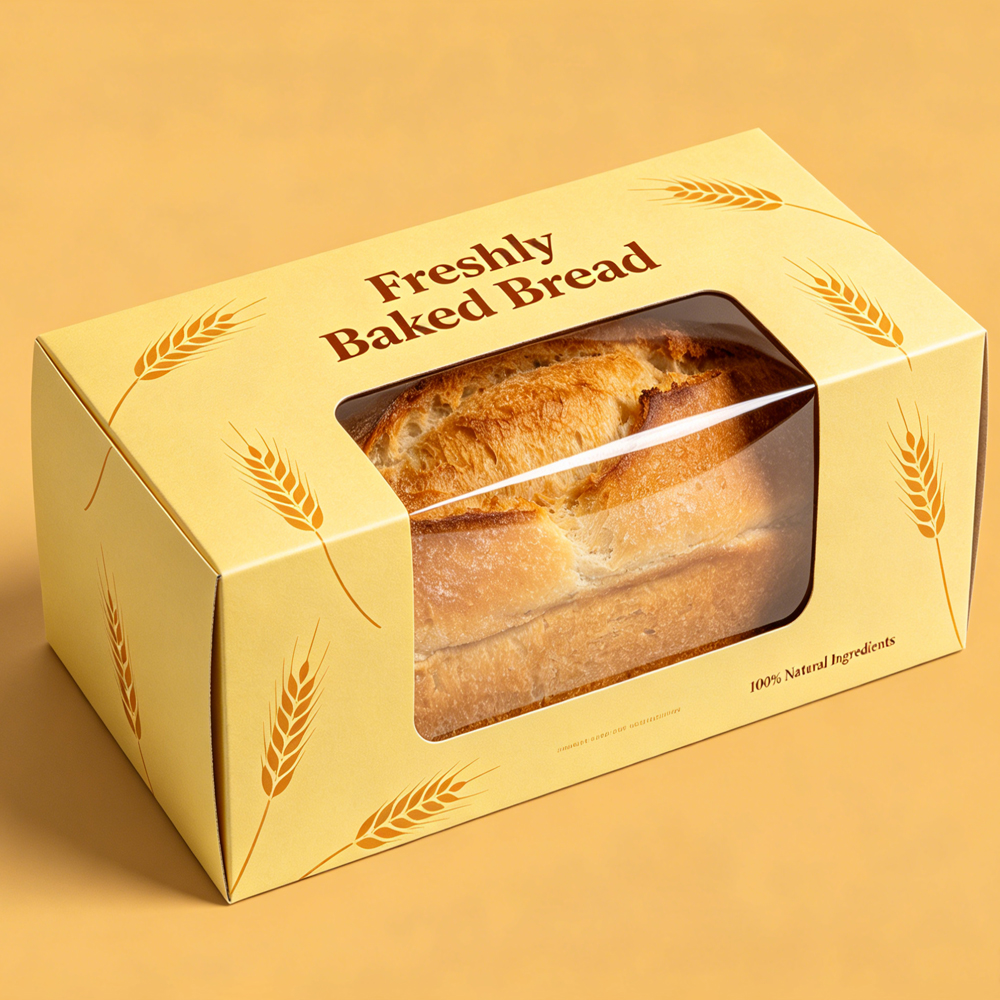
Paperboard food boxes are popular because they are lightweight, easy to store, and suitable for many takeaway meals. They work well for sandwiches, pastries, fries, and other foods with relatively low moisture content. Some options include grease-resistant coatings that help prevent oil from soaking through the packaging.
However, ordinary paperboard may struggle with heavy sauces or foods that release steam. For these meals, restaurants should choose specially treated materials or add a suitable leak-resistant inner container.
Corrugated Food Boxes for Better Protection
Corrugated packaging offers extra strength thanks to its layered structure. It can help protect larger meal orders, catering trays, and food packages that need to withstand stacking during transportation.
This type of box is especially useful when multiple orders are packed together. Stronger walls reduce the risk of crushing, although the correct size and internal arrangement still matter. Even a durable box can fail if heavy items are stacked incorrectly.
Plastic and Leak-Resistant Containers
Plastic containers are often suitable for soups, curries, pasta with sauce, and other moist dishes. Secure lids can help prevent spills, while transparent designs make it easy to identify the contents.
When selecting plastic food packaging, check whether it is intended for the food type and temperature involved. A lid that fits well at room temperature may not perform equally well with hot liquids or during repeated movement. For liquid-heavy meals, a purpose-designed container is generally a better choice than a standard takeaway box.
Choose Reliable Closures and Tight-Fitting Lids
One of the most important features of leak-resistant food packaging is the closure. Lids should fit securely without being difficult for staff to apply. Snap-lock edges, well-designed rims, and compatible seals can help reduce spills during delivery.
Before using a new packaging product for customer orders, test it with the actual food. Fill a container with the expected portion, close it properly, and gently tilt it to check for leakage. For liquids, perform a controlled test over a sink or tray rather than assuming the container is leakproof based on its appearance.
Consider Grease and Moisture Resistance
Oily foods such as fried chicken, pizza, and burgers can leave stains or weaken unsuitable packaging. Grease-resistant liners and treated paperboard can help keep the exterior cleaner and make meals easier to handle.
Moisture resistance is equally important for foods that release water during storage. Salads, steamed vegetables, and hot rice dishes may create condensation inside a closed container. Choosing suitable materials and allowing food to cool appropriately before sealing, where food safety procedures permit, can help manage excess moisture.
Use Separate Containers for Sauces and Liquids
A simple way to prevent messy deliveries is to pack sauces separately. Salad dressings, gravies, dips, and spicy condiments should go into containers designed for liquids, with lids that close securely.
This approach also gives customers more control over their meals. Crispy foods stay crisp longer when they are not covered in sauce, while delicate ingredients are less likely to become soggy. For combination meals, separate compartments can help keep different foods apart.

Select the Correct Box Size
Packaging that is too large allows food to move around, increasing the chance of spills and damaged presentation. On the other hand, a box that is too small can squeeze ingredients, bend lids, or force staff to close containers under pressure.
The ideal food box leaves enough room for the meal without allowing excessive movement. Restaurants should compare the dimensions of their most popular dishes with available packaging sizes and maintain a small range of suitable options for different portion types.
Add Dividers and Protective Inserts
Dividers are useful when a single package contains several items. They can separate burgers from fries, prevent desserts from sliding into other foods, and keep delicate toppings in place.
For catering orders, inserts and trays can provide additional support. These features are especially helpful for meals containing multiple components that need to arrive in good condition. However, every extra insert adds cost and material, so it makes sense to use them where they solve a real packaging problem.
Pack Delivery Bags with Care
Even the best packaging can fail if orders are packed carelessly. Heavy containers should generally sit at the bottom of the delivery bag, while lighter or more delicate items should be placed above them. Liquid containers need a stable, upright position.
Staff should also avoid overcrowding bags or placing hot and cold foods together when doing so could affect food quality or safety. A consistent packing routine helps reduce mistakes, particularly during busy lunch and dinner periods.
Compare Different Packaging Materials
Choosing food packaging involves more than preventing leaks. Businesses should consider food safety, temperature resistance, storage requirements, disposal options, and the type of meal being delivered.
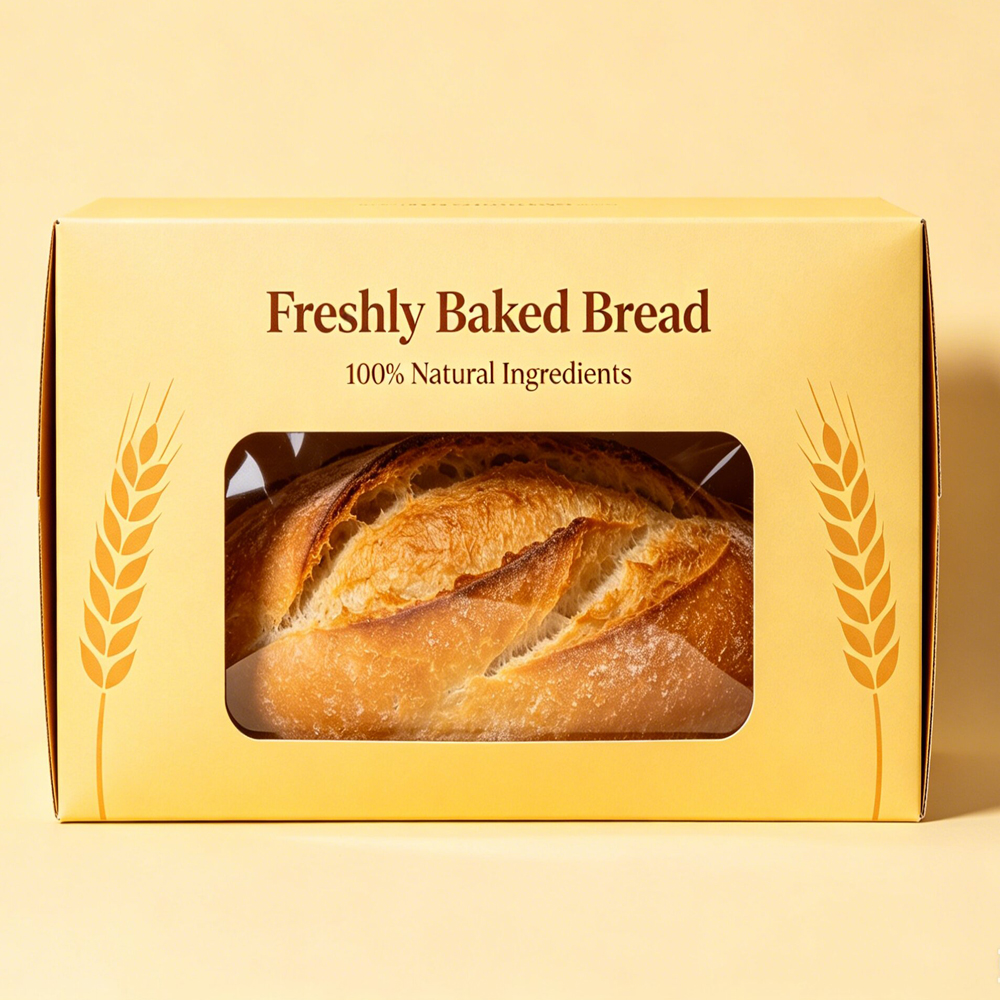
Paper-based packaging can be a practical option for many dry foods, while purpose-designed plastic containers may be more appropriate for certain liquids. Molded fiber packaging can provide structure for selected meals, although its resistance to grease and moisture depends on its design and treatment.
No single material works perfectly for every dish. The best choice depends on the food itself, the expected delivery time, and the conditions the package will experience.
Look for Food-Contact Safety and Clear Specifications
Packaging should be suitable for direct contact with the intended food and its temperature. Businesses should ask suppliers for relevant food-contact compliance information and follow any stated limits for hot, cold, acidic, or oily foods.
It is also worth checking whether containers are intended for microwave use, refrigeration, or freezing. These features should never be assumed simply because a package looks sturdy.
Consider Sustainability Without Sacrificing Performance
Many restaurants want to reduce packaging waste, but switching materials without testing them can create new problems. A recyclable-looking box may include coatings or mixed materials that affect local recycling options.
Look for clear disposal guidance and choose packaging that meets both performance and local waste-management requirements. Reducing unnecessary inserts, choosing appropriately sized containers, and avoiding damaged deliveries can also help limit waste.
Test Packaging Under Realistic Conditions
Before placing a large order, test a few packaging samples with your regular menu items. Check whether the container stays closed, whether grease reaches the exterior, and whether the food remains presentable after a typical delivery period.
Try realistic handling conditions, including stacking, carrying, and gentle movement. For liquid dishes, test for leakage while the container remains upright and during reasonable handling. Record any problems so you can compare different products objectively.
Choose Suppliers That Offer Consistent Quality
A reliable supplier should provide clear product specifications, consistent dimensions, and information about material suitability. Sample orders are useful because they allow staff to check how packaging performs before committing to larger quantities.
Businesses should also consider delivery schedules and stock availability. Running out of suitable containers during peak hours can force staff to use packaging that does not fit the meal properly.
Calculate the Real Cost of Each Package
The purchase price is only one part of the total cost. Restaurants should also consider storage space, packing time, leakage rates, damaged orders, and customer complaints.
For example, a box that costs slightly more but significantly reduces spills may offer better overall value. Track packaging-related complaints and replacement orders over time to see whether a change is working. These practical numbers can help businesses make smarter purchasing decisions instead of choosing products based on price alone.
The best food boxes for delivery are the ones that match the food, prevent avoidable leaks, and protect meals throughout the journey. Strong construction, secure lids, grease-resistant materials, and suitable sizing all contribute to a better delivery experience.
Restaurants should start by identifying the problems they encounter most often, whether that means leaking sauces, soggy paper packaging, crushed meals, or containers that move around inside delivery bags. They can then select packaging designed to address those specific issues.
Testing products with real menu items is one of the easiest ways to avoid expensive mistakes. Combined with proper packing procedures and reliable suppliers, the right packaging helps maintain food quality, reduce waste, and build customer confidence.
Ultimately, effective food packaging is not just about putting a meal inside a box. It is about making sure the customer receives the food as intended: fresh, secure, appealing, and ready to enjoy.
The best food boxes depend on the type of food being delivered. Paperboard boxes work well for sandwiches, burgers, and baked goods, while corrugated boxes provide extra protection for larger orders. For soups, curries, and other liquid-based dishes, leak-resistant containers with secure lids are usually a better choice.
To prevent leaks, choose containers with tight-fitting lids, reliable closures, and grease-resistant or moisture-resistant materials. Sauces and liquids should be packed in separate, properly sealed containers whenever possible. Testing packaging with real menu items before use can also help identify potential problems.
Paperboard, corrugated cardboard, plastic, and molded fiber can all be suitable for different food types. The right option depends on moisture levels, food temperature, and delivery time. Proper ventilation may help prevent condensation for some foods, while insulated packaging can help maintain temperature when needed.
Choose a food box that fits the portion comfortably without leaving too much empty space. Oversized containers allow food to move around, while undersized boxes may crush ingredients or prevent lids from closing properly. Using several standard sizes for different menu items can improve protection and simplify packing.
Yes, eco-friendly food boxes can work well for delivery when their materials and construction match the food being packed. Paper-based and molded fiber options are useful for many meals, but their resistance to grease and moisture varies. Always check food-contact suitability, disposal instructions, and packaging performance before choosing a sustainable alternative.
Post time: Oct-16-2026


