


Online bakery sales are growing fast, but shipping cakes, brownies, pastries, and chocolates safely is still one of the biggest operational challenges for food brands. A beautiful dessert can lose all of its appeal if it arrives cracked, melted, compressed, or stale. That is why Cake Box Packaging should never be treated as a simple afterthought. It is part protection system, part brand presentation, and part customer experience. For bakery owners, dessert startups, and confectionery wholesalers, the right packaging solution can reduce returns, improve repeat purchases, and strengthen brand trust. Based on the packaging direction and product categories shown on Fuliter Paper Box, including custom cake boxes, chocolate boxes, bakery boxes, food-safe materials, structural customization, and sample-based development, an effective shipping-ready packaging strategy should balance strength, hygiene, insulation, and visual appeal.
In a physical bakery, customers often carry cakes only a short distance. In e-commerce, however, products may spend 24 to 72 hours in vans, warehouses, and sorting hubs. During that time, your packaging becomes the primary guardian of shape, freshness, and hygiene. A well-engineered cake box must resist vibration, absorb moderate shock, maintain structural integrity under stacking pressure, and reduce internal movement. For delicate desserts such as frosted cakes, macarons, brownies, or truffle assortments, the packaging must function almost like a transport system rather than a decorative shell.
Custom Cake Box Packaging Also Builds Brand Recall
There is another reason packaging matters: it becomes part of the buying experience. Fuliter’s own product and brand positioning strongly emphasizes custom paper boxes that help businesses present products attractively while reinforcing identity through design, printing, and structure. That means a shipping box should not look purely industrial. Even when it is designed for logistics, it should still feel intentional, clean, and aligned with the bakery’s aesthetic. A customer opening a premium dessert delivery should feel excitement, not concern.
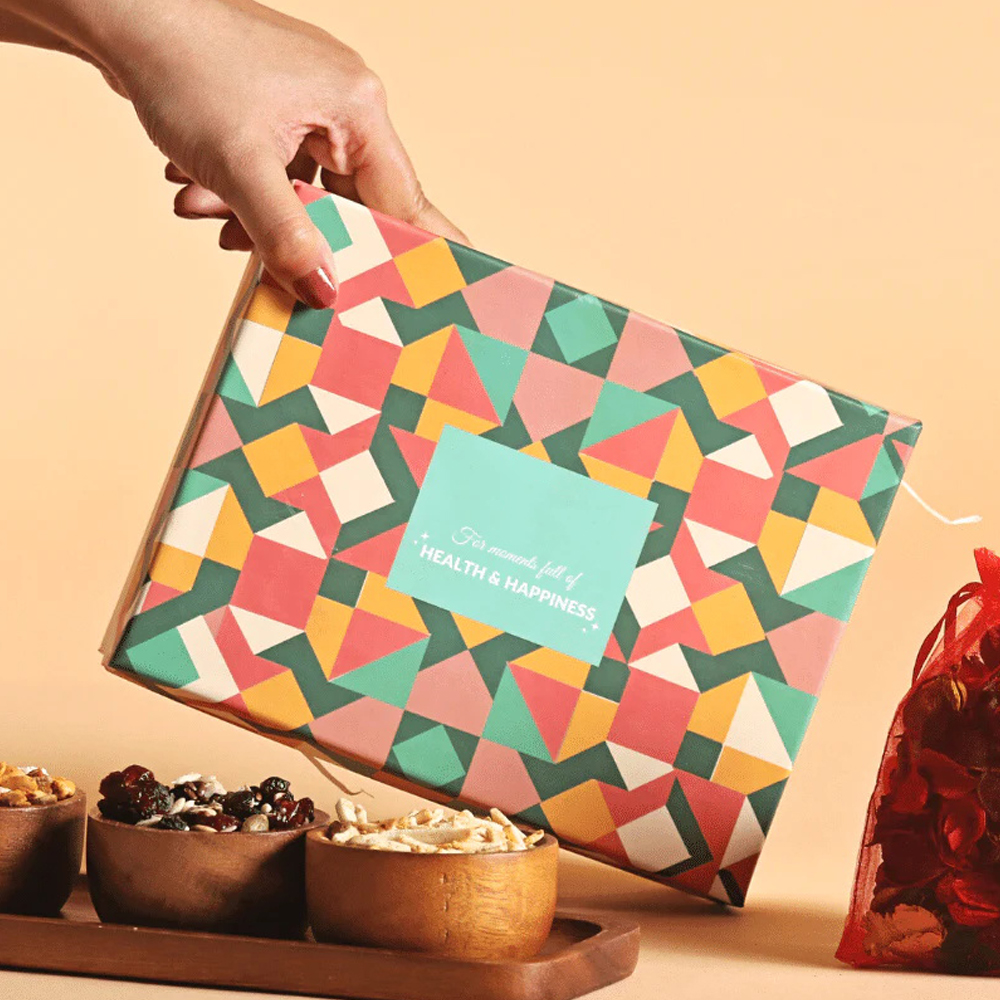
1. Impact and Vibration During Transit
Packages are handled roughly more often than many brands expect. Conveyor drops, van movement, sorting pressure, and parcel stacking can all damage soft or decorated baked goods. If a cake slides even slightly inside the box, the frosting can smear or collapse. Inserts, locking corners, and size-accurate structures are essential for fragile bakery products.
2. Moisture and Condensation
Moisture is one of the most overlooked packaging threats. Temperature shifts between cold storage, shipping vehicles, and customer homes can create condensation inside packaging. This can weaken paperboard, soften crisp baked items, and affect the visual quality of printed surfaces. Moisture-resistant coatings and food-safe barrier layers are useful for maintaining performance without sacrificing presentation.
3. Heat and Cold Sensitivity
Chocolate, buttercream, whipped fillings, cheesecakes, and cream-based pastries all react differently to temperature. Standard folding cartons are often not enough for these items. In warm seasons or long-distance transport, Cake Box Packaging may need insulated liners, foil bubble wraps, or cold packs depending on the product category and delivery route.
4. Compression and Stacking Load
Courier systems are not delicate environments. Outer cartons are often stacked beneath heavier parcels. If the top panel of the box lacks rigidity, the dessert can be crushed before it reaches the recipient. Corrugated outer cartons with proper edge crush strength are especially important for tall cakes or premium gift-style dessert boxes.
5. Internal Movement
Movement inside the package is one of the fastest ways to ruin a beautiful bakery product. Brownies can crack, chocolate assortments can collide, and tiered inserts can shift if dimensions are not exact. Fuliter’s site repeatedly highlights customized structures, inner trays, and tailored dimensions across bakery and chocolate packaging lines, which reflects how important product-fit engineering is for shipped food packaging.
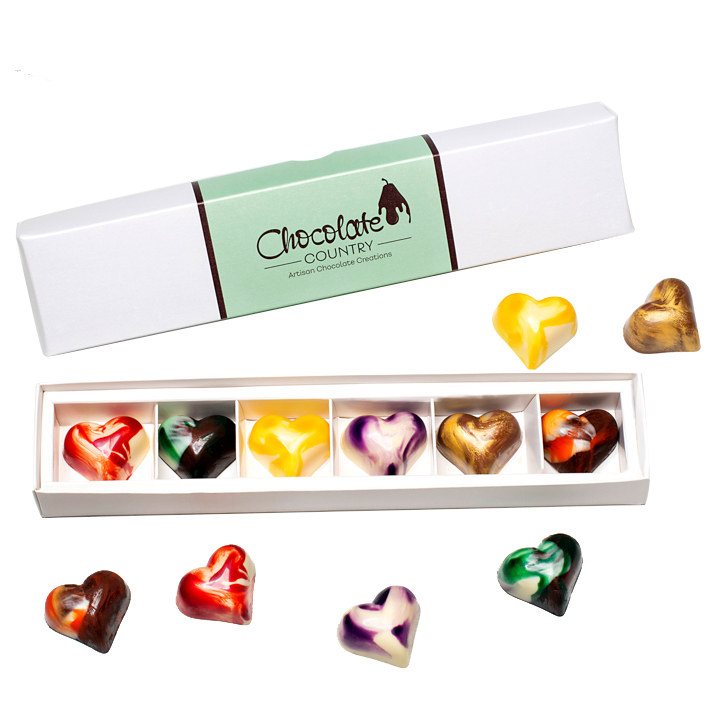
Layer 1: Inner Cake Box Packaging
The first layer should be the direct presentation box — the one that holds the cake, brownie set, pastry tray, or chocolate arrangement. This box must fit the product closely enough to prevent shifting, but not so tightly that it damages frosting or toppings. For bakery use, food-safe paperboard or rigid paper packaging is often preferred for appearance and printability. Window panels can work well for retail display, but for shipping, strength and sealing performance should take priority.
Layer 2: Protective Shipping Carton
The second layer is the transit shield. This is where corrugated packaging becomes essential. Fuliter’s packaging content references corrugated strength, transport suitability, and structural protection as practical priorities for bakery box applications. The outer shipping carton should leave enough room for cushioning material while still holding the inner box firmly in place. Too much empty space invites movement; too little space reduces shock absorption.
Layer 3: Temperature-Control and Cushioning Components
For perishable or heat-sensitive goods, the third layer includes insulation and thermal support. This can involve foil-lined sleeves, insulated liners, gel packs, or dry ice depending on the product and compliance requirements in the destination market. For shelf-stable baked goods, simpler cushioning such as crinkle paper, honeycomb paper, molded inserts, or paper pads may be enough. The smartest Cake Box Packaging solutions are not always the most expensive — they are the ones designed around the product’s actual fragility, weight, shelf life, and route length.
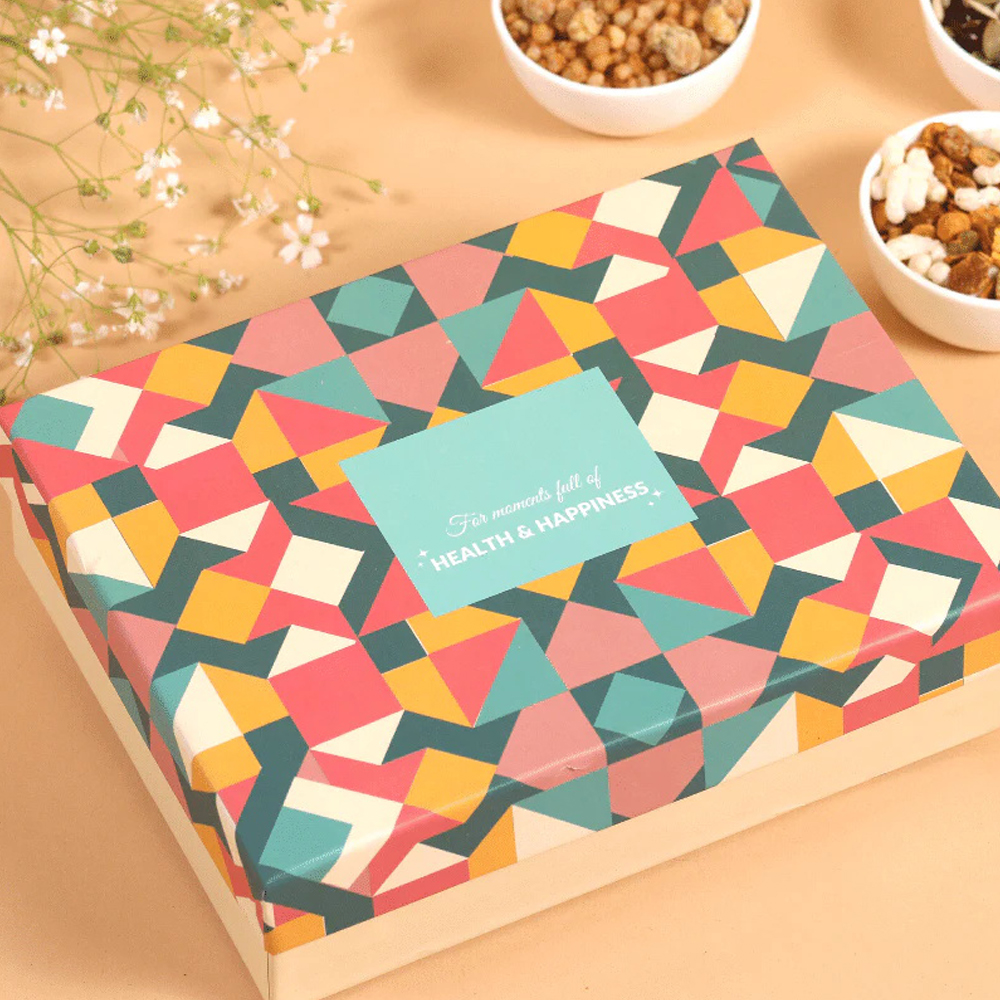
Paperboard for Presentation and Light Bakery Products
Paperboard works well for cupcakes, cookies, single-slice desserts, brownies, and lighter cakes. It prints beautifully, supports premium finishes, and is cost-effective for growing brands. It is especially useful when appearance matters just as much as functionality.
Corrugated Board for Shipping Strength
For online bakery fulfillment, corrugated material is often the better outer-box choice. It offers better resistance to stacking pressure and handling stress. If your bakery sells celebration cakes, dessert gift sets, or high-value seasonal assortments, corrugated packaging can significantly reduce damage claims.
Kraft and Eco-Friendly Cake Box Packaging
Sustainability is increasingly part of consumer purchase behavior. Fuliter highlights recyclable and eco-oriented packaging materials, as well as certifications and environmentally conscious production practices on its site. Kraft-based cake packaging can work particularly well for artisanal bakeries, organic dessert brands, and rustic-style baked goods. It also supports a natural visual identity that many small food brands prefer.
Premium Finishes Without Overcomplicating the Box
Matte lamination, embossing, foil stamping, soft-touch coating, and custom inserts can all elevate perceived value. But for shipped food products, decorative finishes should never compromise durability. The best packaging feels premium because it is both attractive and functional. If the logo is beautiful but the cake arrives damaged, the packaging has failed its main job.
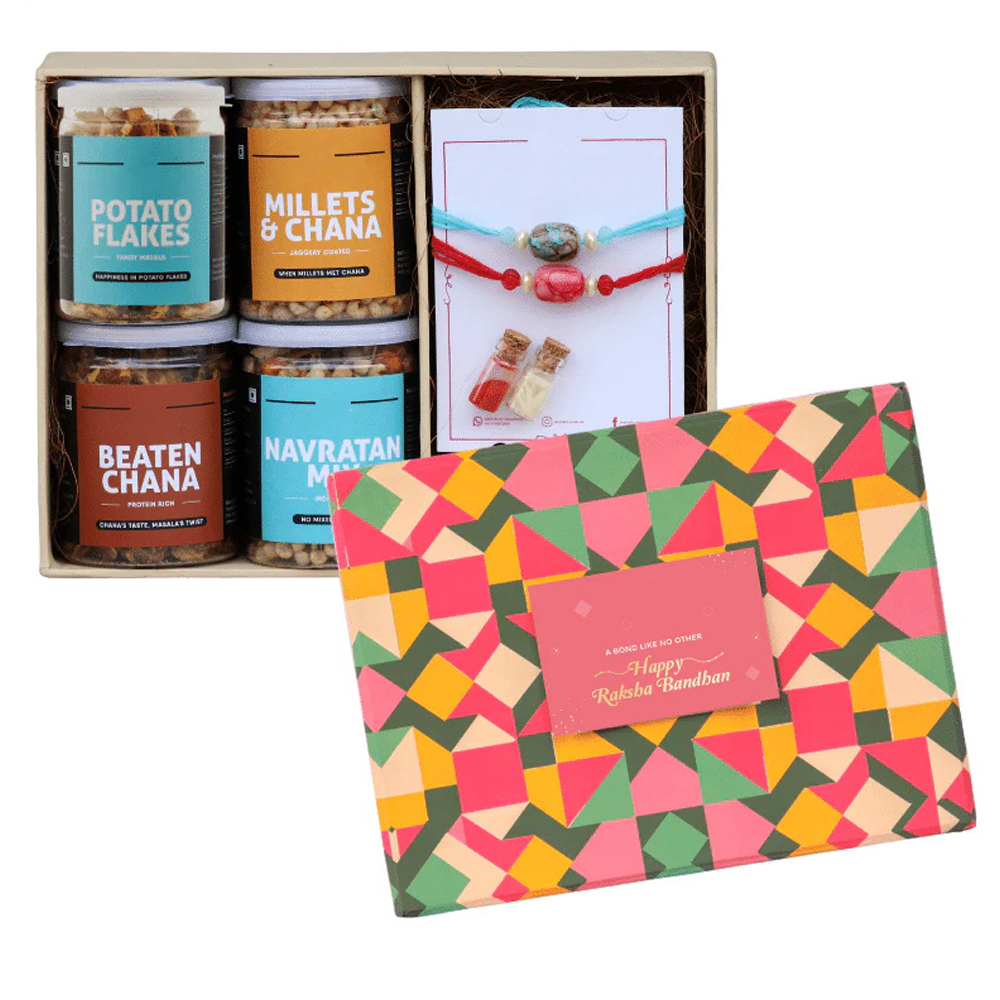
The Outer Box Sets Expectations
The first thing a customer sees is not the cake — it is the parcel. Even if your shipping carton is plain, it should feel clean, secure, and professionally packed. If your budget allows, subtle branding on the outer layer can improve recognition without making the box look overly promotional.
The Inner Reveal Creates Emotional Value
Inside the shipping carton, details matter. Tissue wrap, branded stickers, printed inserts, thank-you cards, and carefully placed product trays can transform a bakery delivery into a memorable experience. This is especially important for birthdays, gifts, holiday pastries, and premium dessert launches.
Social Sharing Starts With Packaging
People rarely post damaged packaging online, but they often share packaging that feels elegant, thoughtful, or gift-worthy. Fuliter’s bakery and custom box positioning repeatedly connects packaging with presentation, custom printing, and brand image — and that is exactly where online bakeries can create competitive advantage. If your packaging photographs well, opens smoothly, and presents the dessert beautifully, it can become a marketing channel in itself.
Look for Structural Design Support
A supplier should do more than print your logo on a standard box. They should help with sizing, board selection, insert engineering, and transport-ready design. Fuliter presents itself as a custom paper box manufacturer offering design support, prototyping, sample development, and flexible production for branded packaging projects, which is valuable for bakery businesses that need packaging tailored to product dimensions and shipping realities.
Ask for Samples Before Bulk Production
Never skip physical testing. Bakery packaging that looks good on a dieline may fail during shipping. Before committing to mass production, test sample boxes with your actual cakes, brownies, cookies, or chocolate assortments. Simulate courier handling, refrigeration changes, and stacking pressure. This is often where weak points become obvious.
Choose a Partner That Understands Food Packaging
Food packaging has different requirements than cosmetic or apparel packaging. You need food-safe materials, reliable print quality, structural consistency, and packaging that aligns with hygiene expectations. If your supplier already works across bakery, dessert, and chocolate categories, they are more likely to understand the balance between presentation and performance.
Think Beyond the First Order
The right supplier should also support your next stage of growth — whether that means seasonal packaging, holiday gift boxes, subscription dessert shipments, or scaling from small-batch orders to wholesale production. Good Cake Box Packaging is not only about protecting today’s shipment; it is about creating a packaging system that can grow with your brand.
The best Cake Box Packaging for shipping combines a strong inner product box, a durable corrugated outer carton, and protective inserts to keep the cake or pastries stable during transit. For delicate or decorated items, custom-fit inserts are especially important because they reduce movement and help prevent cracking, smudging, or collapse. If your bakery ships over long distances, it is also wise to choose packaging with moisture resistance and structural strength.
Freshness depends on both the product and the packaging design. Good Cake Box Packaging helps by limiting air exposure, reducing moisture problems, and protecting the cake from outside contamination during transport. For products with cream, chocolate, or temperature-sensitive fillings, insulated liners or cooling packs may also be needed. Choosing food-safe materials and the right box size can make a noticeable difference in product quality when it reaches the customer.
Common materials for Cake Box Packaging include paperboard, kraft board, and corrugated cardboard. Paperboard is often used for presentation and retail-ready bakery boxes because it prints well and looks premium. Corrugated cardboard is more suitable for outer shipping protection because it can handle stacking and transit pressure. Kraft materials are popular for bakeries that want an eco-friendly or natural brand image while still maintaining good packaging performance.
Custom Cake Box Packaging is better because it is designed around the exact size, weight, and fragility of your product. Standard boxes often leave too much empty space, which allows cakes or pastries to shift during delivery. A custom solution improves protection, creates a more professional appearance, and enhances the customer unboxing experience. It also helps online bakeries build a stronger brand identity through personalized printing, inserts, and structural design.
A reliable Cake Box Packaging supplier should offer more than just printing. They should be able to support structural design, material recommendations, food-safe production, and sample testing before mass production. It is also helpful to work with a supplier that understands bakery and confectionery packaging specifically, because shipped food products require a different level of protection compared with general retail packaging. A good supplier helps you reduce damage, improve presentation, and scale your packaging as your business grows.
Post time: Apr-03-2026


