


Packaging is one of the most crucial factors for your chocolate brand. It sits on the shelf briefly, to grab a customer’s attention. It needs to have a narrative and persuade someone to buy. Quality chocolate packaging is not only a pretty cover; it’s also the balanced combination of the company’s mission, customer’s requirements and right material.
Looks are not everything. It’s just how the package comes. It’s the message it carries to your brand. 3 things that create good packaging: Strategy, Visuals and Function. The material will be instructive. We will work our way from the first idea to the boxed product.
You can’t design for color or font before you have a solid plan. Right kind of chocolate packaging design strategy is equivalent to salvation in sins and money. It ties the design in a direct line to the overall business goals.
Step 1: Define Your Brand's Story
The first thing you need to know is how exclusive your chocolate actually is. It wouldn’t take that very long to get this message on the package. Conduct a meeting and ask your team some difficult questions. From this, you will be able to extract your main message.”
- What is our chocolate's origin story?
- What are our top three brand values (e.g., artisanal, ethical, fun)?
- What is the one feeling we want customers to have?
- Is our brand luxury, playful, healthy, or traditional?
Your responses will outline the design solutions you are required to choose.
Step 2: Identify Your Ideal Customer
Then consider who the audience you are selling to actually is. The design that is attractive to a health-conscious adult will be very different from that for a child. You will have to give something more memorable than an everyday snack.
Learn your best customers’ expectations. For instance, do they prefer organic ingredients? How much luxury do they want out of life? Knowing your customers is the only way you would be able to come up with a chocolate packaging that they would love.
Step 3: Align with Price and Market
Good packaging signals quality. For instance, a plain paper wrapper represents some everyday treat that is inexpensive. But the product is expensive and fancy when you have a very heavy box with texture and foil stamping all over it.
Competitive analysis is important. What do other firms do right? What gaps are you filling? Your packaging design should not stand out but it should blend in. Studies have shown that well done packaging can even further increase sales. Inventive packaging can, for example, boost sales by a fifth, according to research from GlobalData.
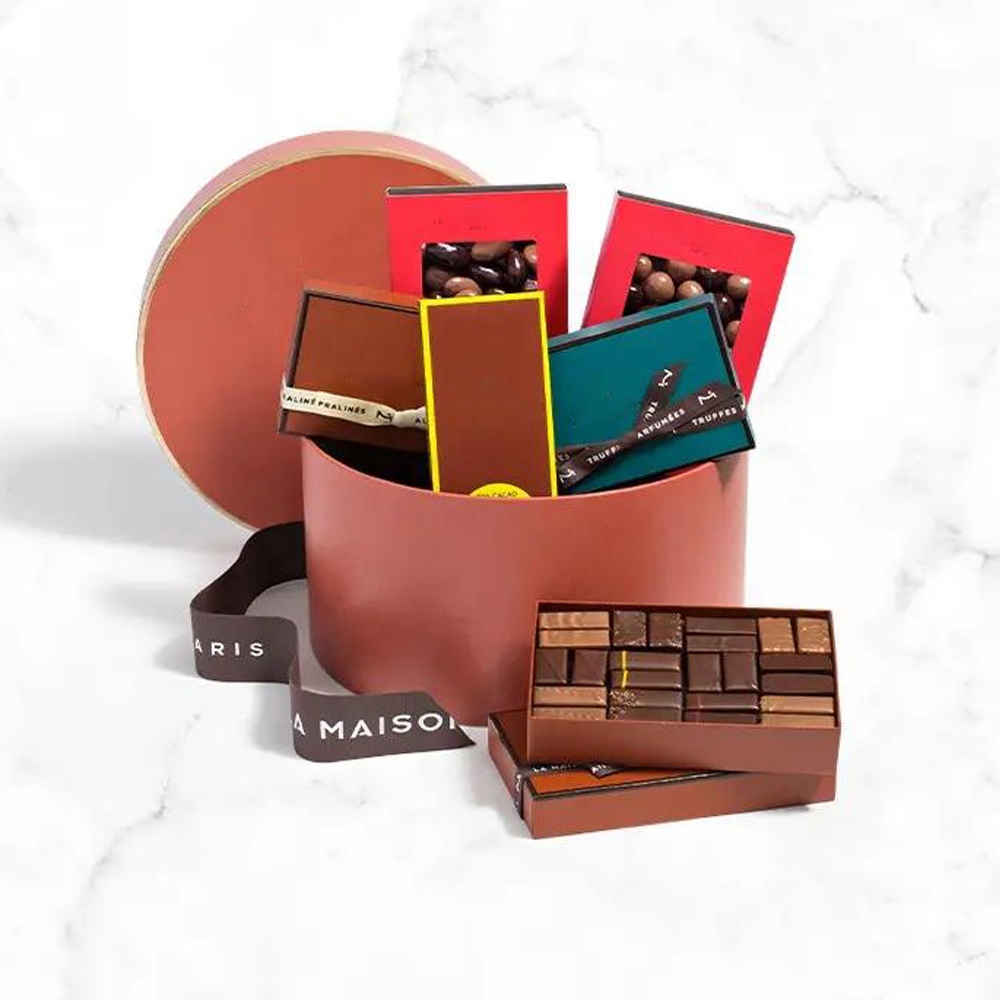
When you have a strategy, you can concentrate on the graphic aspects of your chocolate bar packaging design. These are the elements that tell a story that makes you look and feel like your brand.
The Power of Color Psychology
Colors create feelings. Using them wisely can help tell your brand's story.
- Browns, blacks, and golds often feel traditional and luxurious.
- Bright, vibrant colors can signal a modern, fun, or kid-focused brand.
- Pastel colors can feel delicate and soft. They are great for gifts.
Typography That Speaks Volumes
The fonts you use can tell you a lot about your brand's personality
- Serif typefaces (with small lines on the letters) are classically elegant
- Sans serif faces (without the small lines) look clean and modern.
- Handwritten or script-facing give an intimate, personal and friendly touch.
Imagery and Illustration
A picture is worth a thousand words is to say, a straight photograph or image of something can have its own language. It also lets you see well into what should be hidden inside, such as the experience of cocoa beans. Some companies use pictures to show cacao pods or whole nuts. Others employ abstract-pattern as a sensation.
Line art and custom illustrations can show the origin of your beans. They can also show your unique process. When you are looking for ideas, studying a gallery of inspirational chocolate packaging designs can reveal how successful brands use unique art to communicate their story.
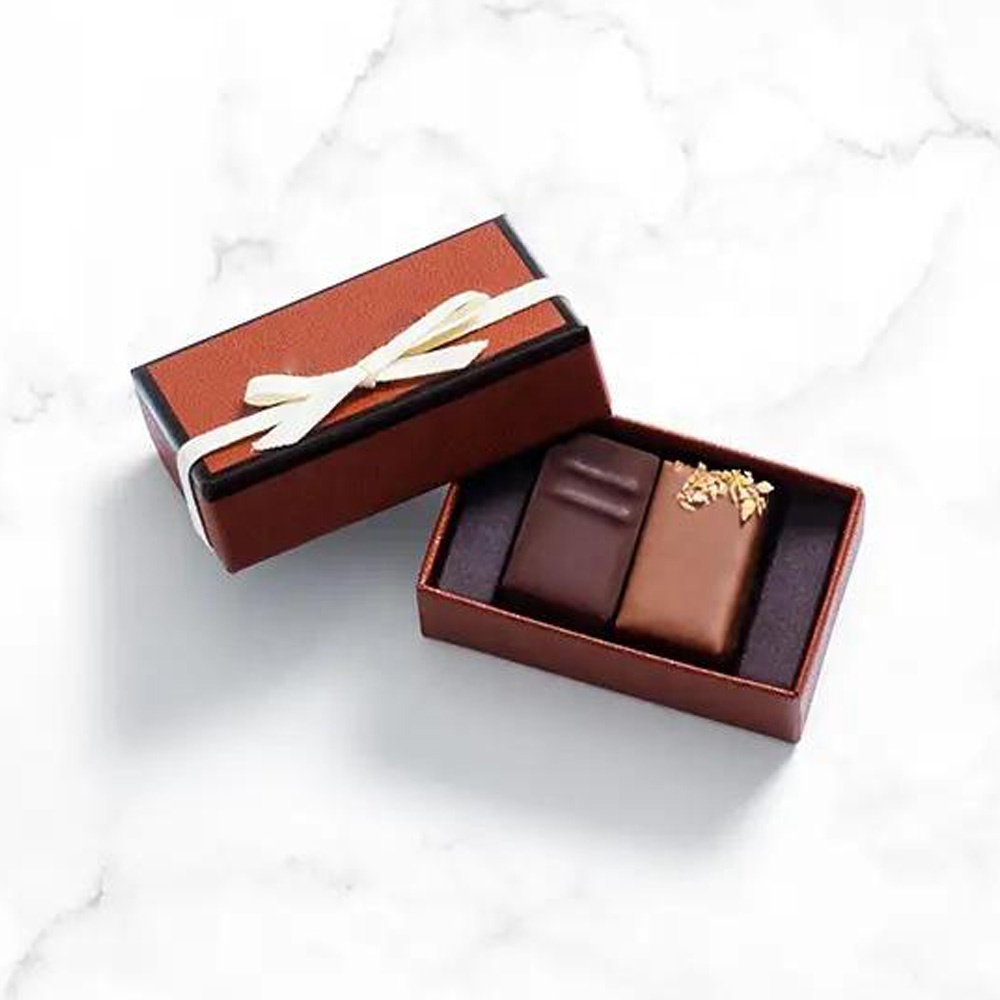
The best chocolate packaging design tastes with more than just the eyes. The best brands are offering an experience that includes tactile and aural elements. This is what makes the product more memorable.
The Feel of Luxury: Texture and Finishes
The way a package feels in your hand can say a lot about the quality of its contents. Has there been a material of the many materials you’ve worked on, whether it’s felt or foam or crystal glass, that has caused that kind of reaction for others? There’s a low-contrast matte finish to it that feels soft to the touch and modern. A naturally textured uncoated paper feels rustic.
Raising your logo (emboss) or pressing it in (deboss) can make the customer want to feel the package. All these little touches further the feeling of care and attention. They turn the chocolate packaging into a sort of present.
The Sound of Quality: Structure and Materials
The noises a package makes may also be a sign of quality. For example, that a gift box has a satisfying magnetic closure is safe, and expensive.
Consider the sharp, distinctive sound a good foil wrapper makes. Instead, imagine the muffled thud of cheap plastic. Thick, stiff board is used to create the box — you can feel its solidity and sense of protection. The sound and sensation is commensurate with the quality of chocolate housed within.
The Unboxing Ritual: Designing the Reveal
The trip through the package ought to be an enjoyable one. This is what’s called the “unboxing experience.” Structural design intelligence is what generates the excitement.
Sleeves that slide off, thin tissue paper and special internal trays can all make the unveil feel more like opening a present. A drawer-type box and a hinge-lid box lead the customers in such a way that their hands serve as guides. This little act elevates the ritual from ordinary to unforgettable. A quality unboxing experience is a necessary feature of contemporary chocolate packaging design.
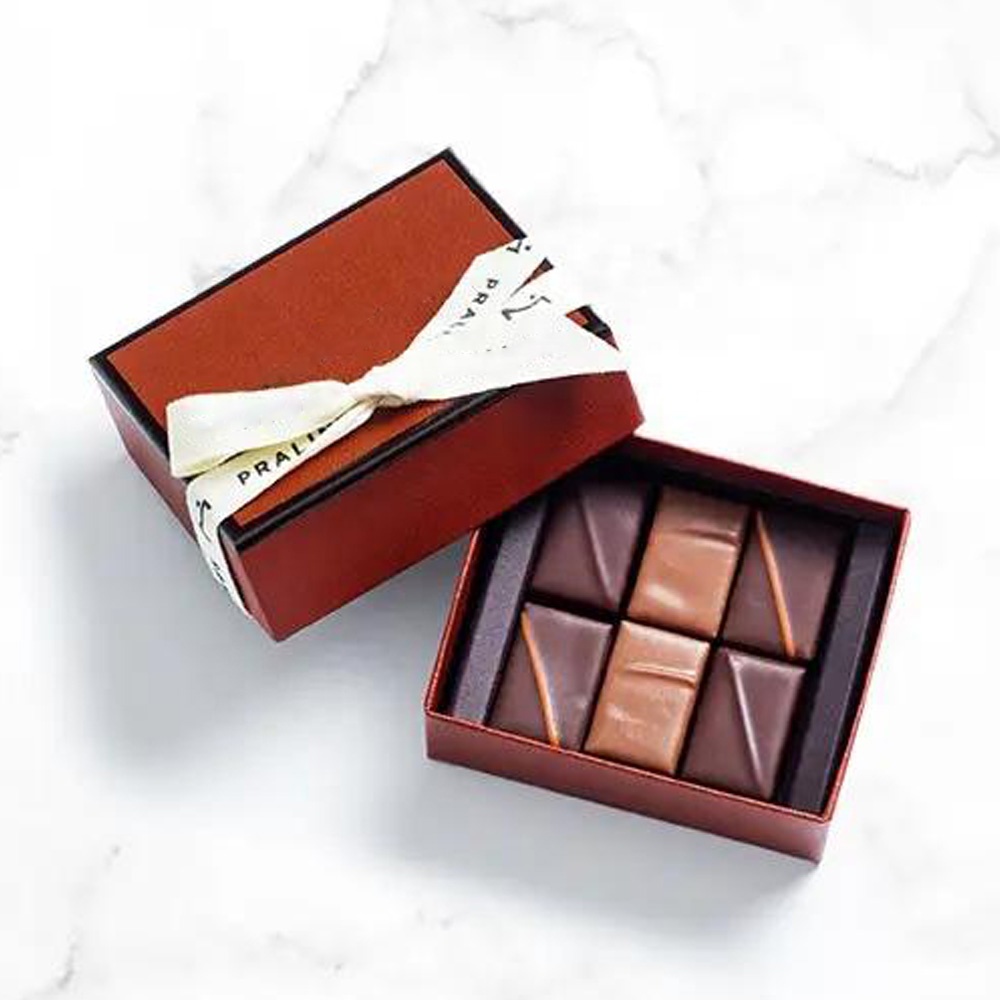
The right format and materials are a very practical decision. It affects your private label chocolate budget, the perception of private labeling with your brand name in this specific retail category and how well you protect your chocolate. And a good chocolate packaging design combines all of these demands.
Common Packaging Formats
There are several common formats for chocolate packaging.
- Wrappers: Ideal for chocolate bars. They may [be] made of foil, paper, or film.
- Folding Cartons: These are paperboard boxes that come flat – saving space at both the customer and merchant end of the supply chain. They are very inexpensive and great for a snack bar and small snacks.
- Rigid Boxes: Heavy-duty solid boxes that are not folded and are typically for high-end gift sets or fine chocolates.
- Pouches and Bags: Flexible pouches are great for items like chocolate drops, bark or other candies.
A Guide to Packaging Materials
The material you choose impacts cost, protection, and sustainability. Here is a simple comparison of common materials used in chocolate packaging.
| Material | Pros | Cons | Best For |
| Paperboard | Recyclable, easy to print, low cost | Not a strong moisture barrier | Outer boxes, sleeves, folding cartons |
| Rigid Board | Premium feel, very strong, protective | Higher cost, heavier | Luxury gift boxes, high-end assortments |
| Foil | Excellent barrier, classic look | Not always recyclable, can tear | Inner wrap for bars, wrapping truffles |
| Biodegradable Plastic | Eco-friendly, good barrier properties | Can be more expensive, may need industrial composting | Pouches, window films, inner bags |
| Glassine | Grease-resistant, biodegradable | Not a strong moisture barrier | Inner wrappers, dividers, candy cups |
The Rise of Sustainable Chocolate Packaging
Nowadays, people are much more interested in protecting our planet. Designing sustainable chocolate packaging is no longer merely a people's choice; it is already a necessity for many companies. So, it is preferable to use materials that are easily recyclable or biodegradable.
Look for recommendations such as FSC-certified paper, which is sourced from responsibly managed forests. Pulp molded and other plant-based materials have been favored by other companies. Eco-friendly solutions like GreenKraft clamshells are a trendy platform for artisanal brands that wish to demonstrate their commitment to the environment. You can find a partner that focuses on these options if you look into custom chocolate packaging.
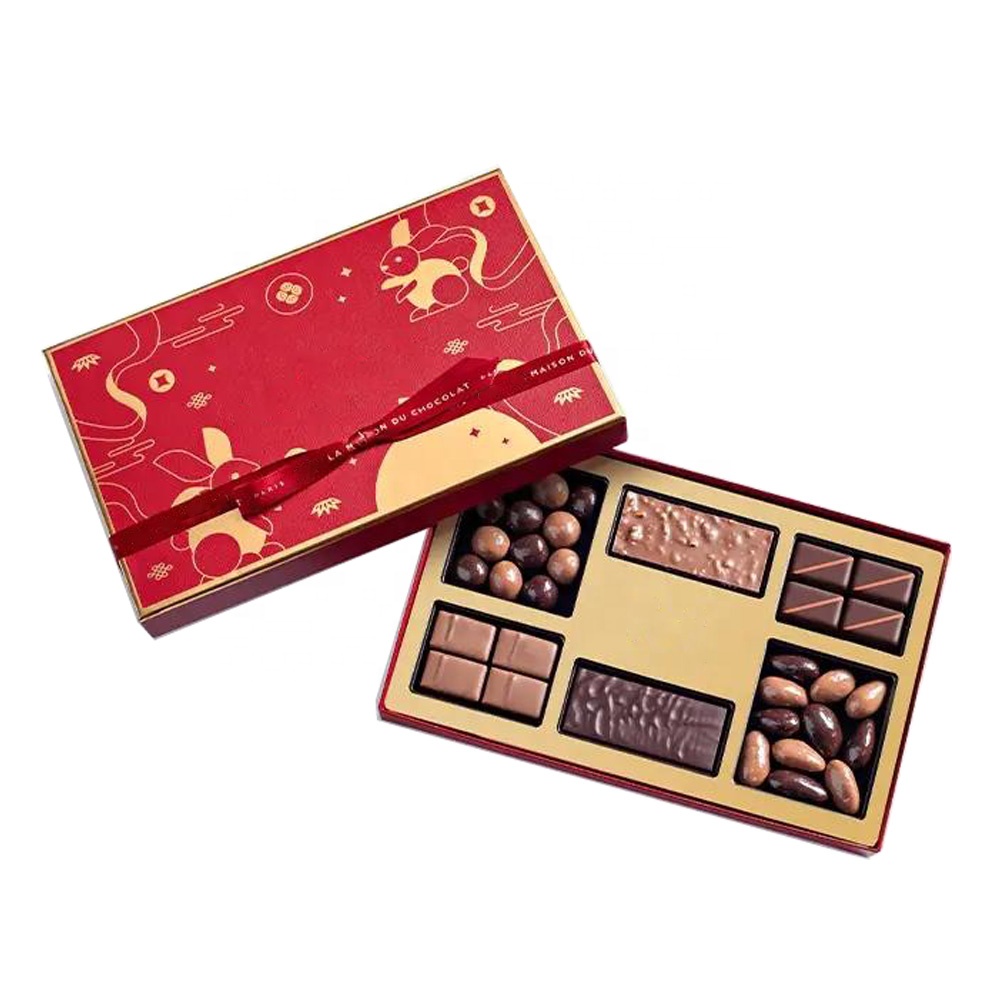
We have moved through the core strategy to the sensory details and practical material choices. All those steps are crucial for the creation of a design that is efficient and good-looking.
A great chocolate packaging design is an effective brand-building strategy. It is the first promise to your customer that defines the quality and care your product has. The partner you choose is important for this. Whether you're in the food industry or other sectors, discovering how packaging is made specific by industry brings value. For all packaging solutions, think about a full-service provider like Fuliter.
A: A good design gets three things right. It says obviously, what is your brand story. It protects the chocolate effectively. And it delivers a fabulous out-of-box experience for your target customer. It ought to be beautiful and useful.
A: Trends that we’re seeing a lot can be summed up in 3 words – sustainable (using recycled or compostable materials), minimalist (clean designs which are type and material driven), interactive packaging (designs that invite the user to get involved such as interesting opening mechanisms).
A: Consider your brand's values, your price point, and product protection needs. For bars, a foil or glassine inner wrap with a paper outer sleeve is classic. For luxury gift boxes, rigid board offers a premium feel. Exploring a range of packaging types can help you see options from pouches to elegant boxes. Always ensure materials are food-safe.
A: The costs are variable. They vary by material, complexity, amount and printing methods such as foil stamping. For example, the basic folding carton are quite economical. Custom shaped Rigid boxes are however expensive. Obtain quotes from a manufacturer for your design, as this is always the smart thing to do.
A: The rules are different in various areas. In general, you will need to list the product name, net weight, ingredients (with allergens indicated), the manufacturer’s name and address, and a “best by” date. Nutritional information is also required in many places. Read up on the food labelling rules in your target market before rolling out.
Post time: Feb-27-2026


