


Shipping cookies sounds simple until the package reaches the customer. A beautiful batch of freshly baked cookies can quickly turn into a box of broken pieces if the packaging is not designed for transportation. Whether you sell homemade cookies, gourmet biscuits, decorated sugar cookies, or premium bakery treats, choosing the right packaging makes a big difference.
Cookie Shipping Boxes are more than just containers. They protect delicate baked goods, keep cookies organized, reduce movement during delivery, and help customers receive products in excellent condition. For bakeries, online cookie stores, and wholesale suppliers, reliable packaging also means fewer customer complaints and a better shopping experience.
So, how can you make sure your cookies arrive whole, fresh, and ready to enjoy? Let's look at the packaging details that really matter.
Shipping cookies involves more than placing baked goods inside a cardboard box. Packages may be stacked, moved between vehicles, exposed to temperature changes, and handled several times before reaching the final destination. Without proper protection, even sturdy cookies can crack, while softer varieties may become crushed.
Understand the Risks of Cookie Shipping
Different cookies have different transportation challenges. Thin butter cookies, for example, can break under pressure. Chocolate chip cookies may crumble when they repeatedly hit the sides of a container. Decorated sugar cookies are especially delicate because their icing can crack or become damaged.
The distance also matters. A local delivery may only require basic protection, while cross-country shipping needs stronger packaging and more careful internal support.
Before selecting a box, consider the cookie size, weight, texture, and expected delivery distance. These details help determine the right material and structure.
Prevent Movement Inside the Package
One of the biggest reasons cookies arrive damaged is excessive movement inside the package. When cookies slide around, they can collide with one another or hit the box walls.
A properly sized box helps reduce empty space. Custom inserts, cardboard dividers, and individual compartments provide additional stability.
For example, a box designed for twelve cookies should keep each cookie in its intended position rather than allowing everything to move freely during transit.
Protect the Customer Experience
Customers who order cookies online expect their products to look as good as they did in the product photos. Broken cookies can create disappointment, even when the taste remains excellent.
Reliable Cookie Shipping Boxes help businesses maintain product presentation and build customer confidence. When every order arrives neatly packed, customers are more likely to trust the bakery and place another order.
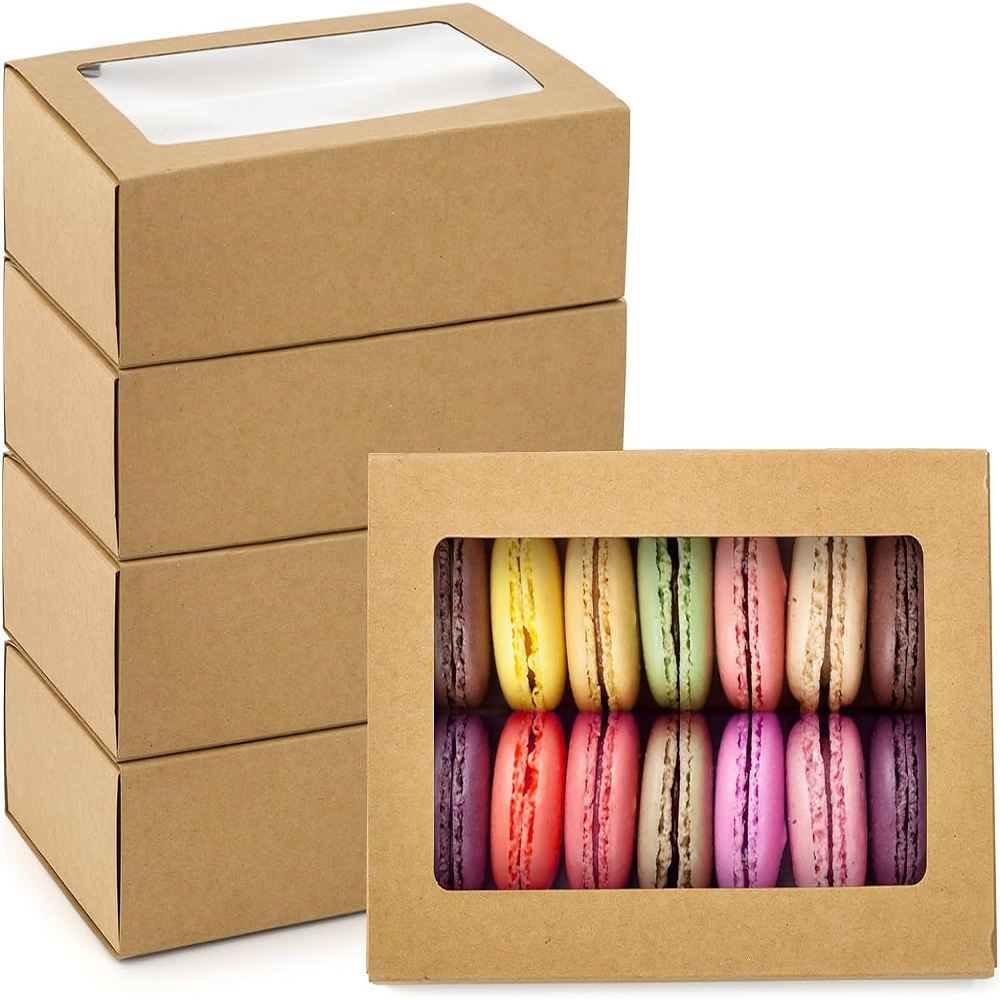
The material of a shipping box plays an important role in protecting baked goods. A box that looks attractive on a shelf may not provide enough strength for long-distance delivery.
Choosing the right paperboard or corrugated structure can make packaging more reliable without adding unnecessary weight.
Corrugated Cardboard for Shipping Strength
Corrugated cardboard is a popular choice for shipping bakery products because its fluted middle layer helps absorb impacts and resist compression.
Single-wall corrugated boxes are suitable for many lightweight cookie shipments. For heavier orders or longer transportation routes, businesses may consider stronger corrugated structures.
The important thing is to match the box strength with the actual shipping conditions.
A box that is too weak may collapse under stacked packages, while unnecessarily heavy packaging can increase shipping costs.
Food-Grade Paperboard for Direct Product Packaging
For cookies placed directly inside their packaging, food-contact suitability is essential.
Food-grade paperboard can provide a clean and attractive surface for bakery packaging. It also offers excellent printing possibilities, allowing businesses to display logos, product information, and brand colors.
However, food-contact suitability depends on the complete packaging construction, including coatings, inks, adhesives, and intended use.
If cookies are packed in individual food-safe bags or trays, the outer box can focus more on structural protection and branding.
Balance Strength, Weight, and Cost
Good packaging does not always mean using the thickest material available.
Instead, businesses should look for a balance between durability and transportation efficiency. A lightweight but properly engineered box can reduce shipping expenses while still providing dependable protection.
When ordering custom packaging, ask suppliers about material thickness, compression performance, and sample testing.
These details help you select Cookie Shipping Boxes that are practical for everyday fulfillment and suitable for your product range.
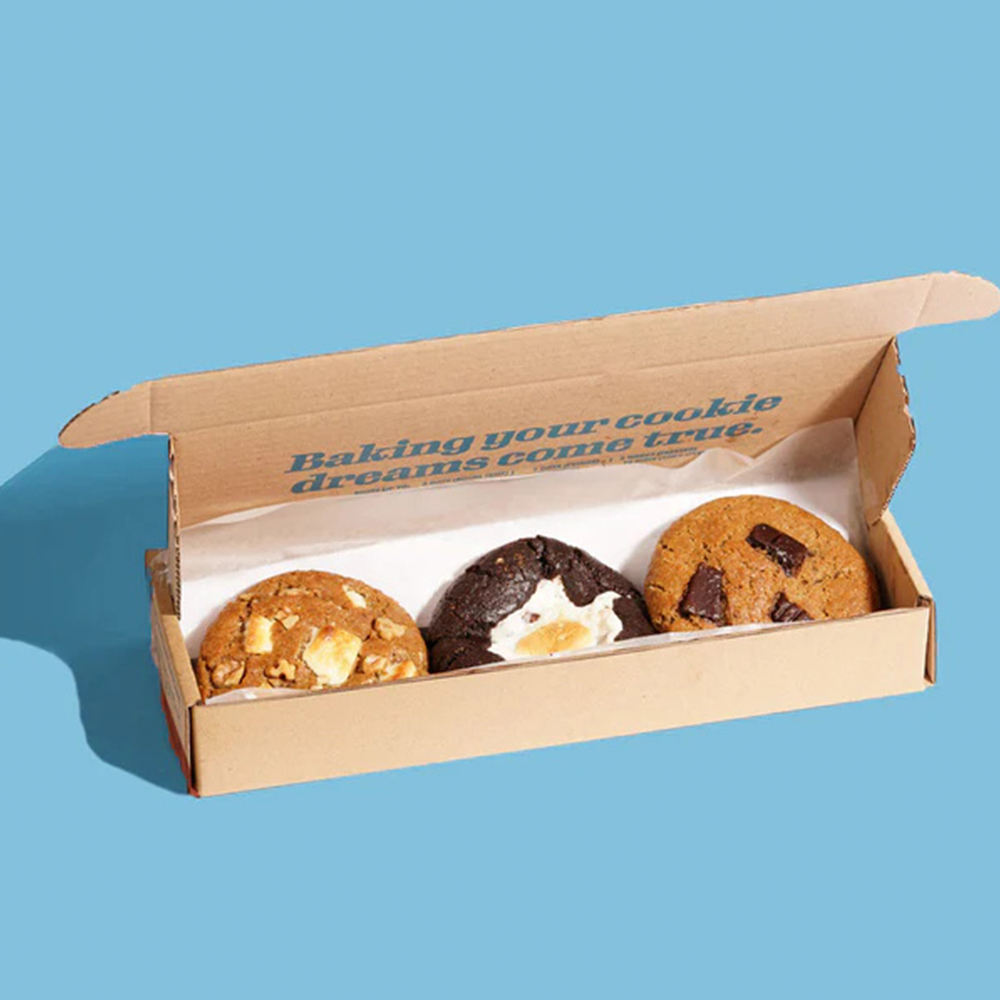
Even a strong outer box cannot completely prevent cookie damage if the products move around inside. That is why internal packaging deserves just as much attention as the exterior structure.
Custom inserts and dividers help create a stable arrangement, especially when shipping multiple cookies in one package.
Individual Compartments for Delicate Cookies
Individual compartments are useful for decorated cookies, sandwich cookies, and premium bakery assortments.
Each cookie sits in its own space, reducing direct contact with neighboring products. This is particularly helpful when cookies have different shapes, sizes, or decorative finishes.
For example, a bakery selling a twelve-piece decorated cookie set can use a custom insert with twelve separate positions.
This design makes packing easier and creates a more organized unboxing experience.
Dividers for Mixed Cookie Assortments
Some businesses sell assorted cookie boxes containing chocolate chip cookies, shortbread, oatmeal cookies, and other varieties.
In this situation, dividers help separate different products and prevent them from rubbing against one another.
They also make it easier for customers to identify each flavor.
Depending on the product design, businesses can choose paperboard partitions, molded-pulp inserts, or other suitable food-contact packaging components.
Fit the Insert to the Cookie Shape
Not every cookie needs the same type of insert.
Round cookies may fit into circular compartments, while rectangular biscuits require longer sections. Large decorated cookies may need wider spaces to protect their edges and icing.
Custom sizing can improve both product protection and packaging efficiency.
Before placing a large order, test the insert with actual cookies. Check whether the products fit comfortably, whether the compartments are easy to load, and whether the packaging remains stable when the box is moved.
Well-designed Cookie Shipping Boxes should keep the entire assortment organized without wasting too much space.
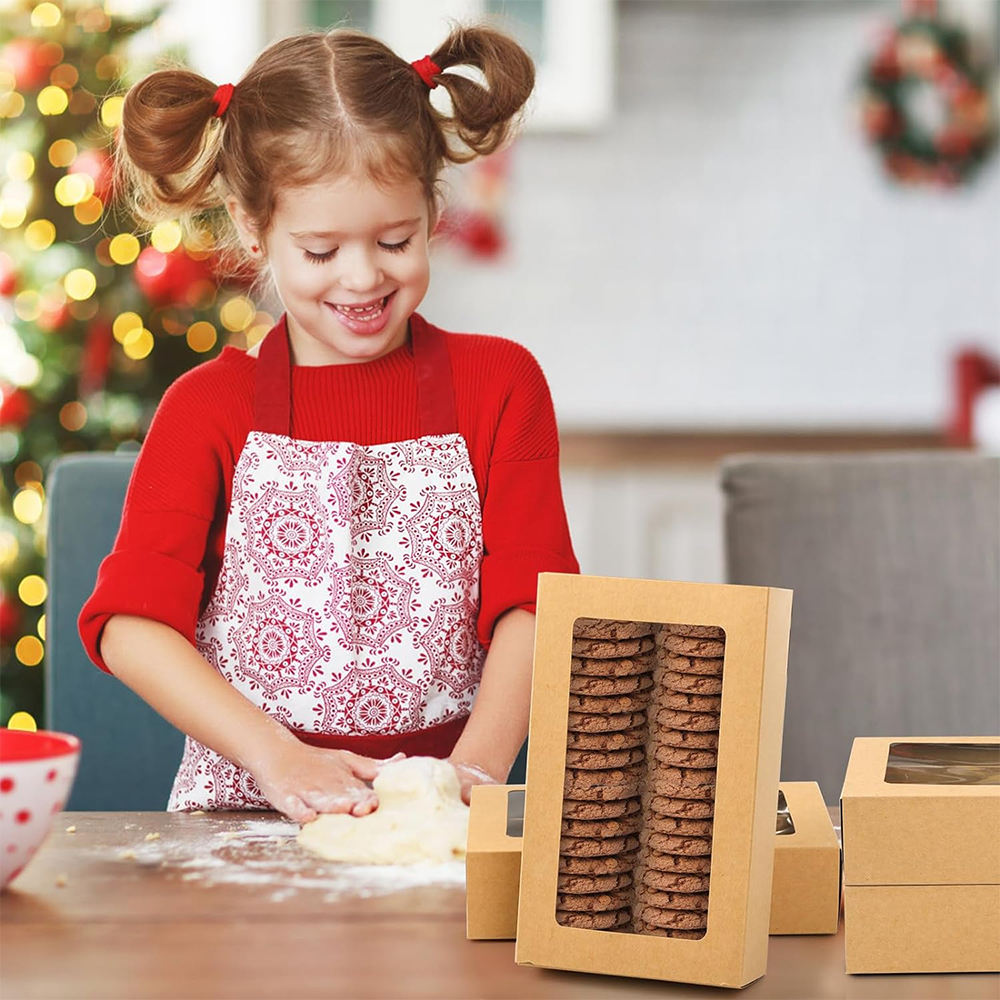
Preventing broken cookies is important, but maintaining freshness is another major challenge. Customers do not just want cookies that arrive in one piece. They also want them to taste fresh and have the right texture.
The packaging system should therefore consider moisture, air exposure, and product-specific storage requirements.
Use Food-Safe Inner Bags
Food-safe inner bags provide an additional layer of protection between cookies and the external environment.
They can help reduce exposure to moisture, odors, and handling contamination when properly selected and sealed.
For crunchy cookies, moisture control is particularly important because unwanted humidity can affect their texture.
For soft cookies, the packaging may need to retain more moisture without creating condensation.
Different recipes require different packaging solutions, so testing is always worthwhile.
Consider Moisture and Temperature Changes
During transportation, packages may experience changing temperatures and humidity levels.
These conditions can affect cookie texture and, in some cases, product safety.
For example, chocolate-coated cookies may soften in warm environments, while crisp biscuits can lose their crunch if exposed to moisture.
Businesses shipping temperature-sensitive products should consider insulated packaging or other suitable shipping methods where necessary.
For products with specific shelf-life requirements, packaging decisions should be based on product testing rather than appearance alone.
Add Clear Product Information
Packaging can also help customers understand how to store their cookies after delivery.
Useful information may include:
- Product name and flavor.
- Ingredient and allergen information.
- Production or best-before dates.
- Storage recommendations.
- Business contact information.
Clear labeling makes the package more professional and helps customers handle their purchases correctly.
With suitable inner packaging and reliable outer protection, Cookie Shipping Boxes can support both product quality and a better customer experience.
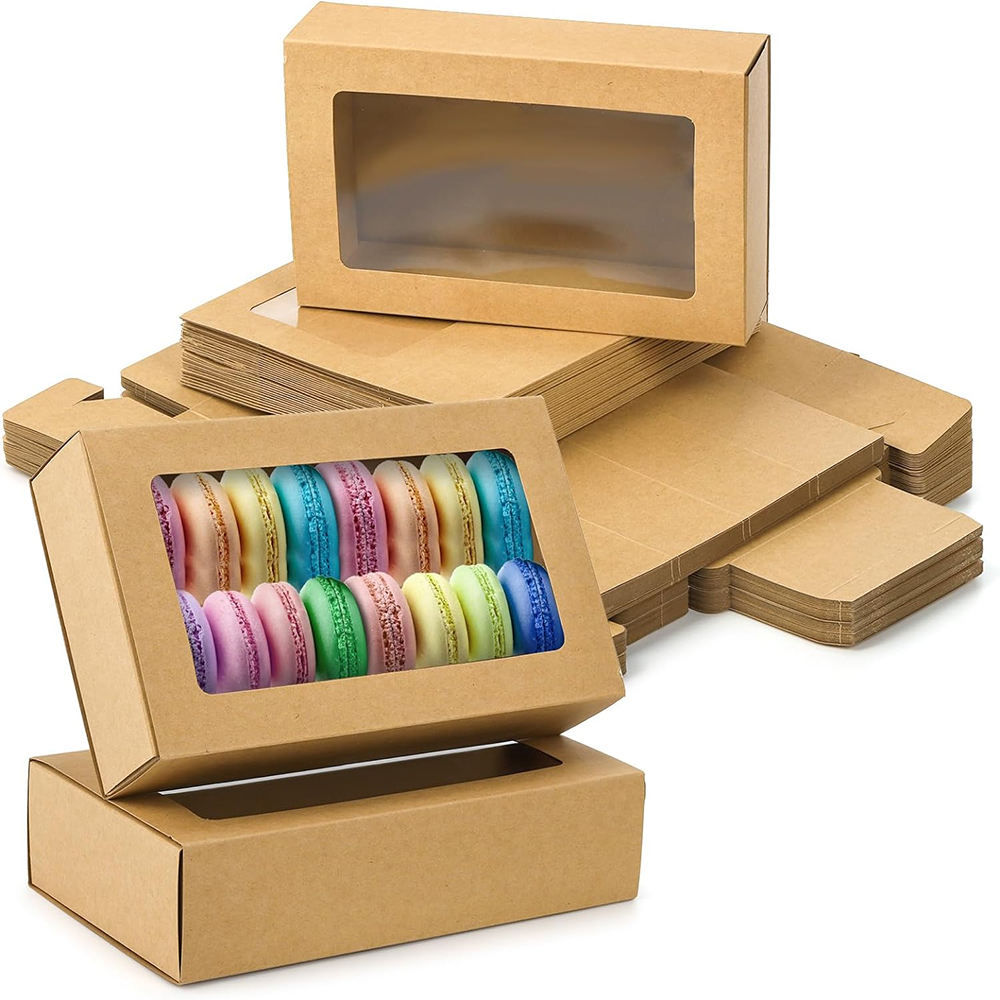
Packaging is often the first physical interaction customers have with an online bakery. Before tasting the cookies, they see the box, open the lid, and experience the presentation.
This creates an opportunity for businesses to turn ordinary shipping packaging into a recognizable brand asset.
Create a Memorable First Impression
Custom printing allows bakeries to display their logos, brand colors, illustrations, and product messages.
A simple kraft-style box can create a natural, handmade appearance, while premium full-color printing can give gourmet cookie collections a more luxurious feel.
The design should match the products and target customers.
For example, children's cookie gift sets may benefit from colorful illustrations, while corporate cookie gifts may look better with clean typography and elegant finishes.
Choose Practical Printing and Finishing Options
Different printing techniques create different visual effects.
Common options include:
- CMYK printing for colorful graphics.
- Pantone printing for consistent brand colors.
- Matte coating for a smooth, understated appearance.
- Gloss coating for brighter visual details.
- Embossing for raised logo elements.
- Foil stamping for premium accents.
Not every finish is necessary. The best design is one that looks attractive while remaining practical for production and shipping.
For food packaging, make sure printing and finishing materials are suitable for the intended packaging construction.
Make Unboxing Part of the Brand Experience
A well-designed box can make receiving cookies feel like opening a gift.
Consider adding a short thank-you message, a printed brand story, or a small note encouraging customers to share their experience online.
You can also use consistent packaging across different cookie collections to make your products easier to recognize.
Remember that beautiful packaging should never replace functional protection.
The most effective Cookie Shipping Boxes combine attractive printing with strong construction, suitable inserts, and convenient opening features.
Selling cookies online is about more than creating delicious recipes. Businesses also need packaging that protects products throughout the delivery process.
The right Cookie Shipping Boxes combine durable outer materials, properly fitted inserts, food-safe inner packaging, and attractive custom printing. Each element plays a role in helping cookies arrive in excellent condition.
Before choosing a packaging solution, think about your cookie sizes, product textures, order quantities, delivery distances, and brand identity. Test different box structures with real products and make adjustments based on actual shipping results.
For bakeries, wholesalers, and growing online cookie brands, investing in well-designed custom packaging can reduce avoidable damage, improve customer satisfaction, and create a more professional brand image.
A great cookie deserves a great delivery experience. With the right packaging, every box can arrive looking just as good as it did when it left your bakery.
The best Cookie Shipping Boxes are made from durable corrugated cardboard and include custom inserts or dividers. These features help reduce movement, absorb impacts, and keep cookies securely positioned during transportation.
Use food-safe inner bags or sealed packaging to protect cookies from moisture, air exposure, and outside odors. Choose packaging based on the cookie type, and include clear storage instructions to help maintain freshness after delivery.
Yes! Custom Cookie Shipping Boxes can feature your company logo, brand colors, product information, and unique designs. You can also choose different box sizes, printing methods, and finishing options to create professional bakery packaging.
The ideal box size depends on the number, shape, and thickness of your cookies. Choose a box that provides enough room for protective inserts without leaving excessive empty space. Custom-sized compartments can help prevent cookies from moving or colliding.
Absolutely! Custom Cookie Shipping Boxes are suitable for bakeries, cookie brands, online stores, and wholesale businesses. Bulk ordering can help reduce unit costs while ensuring consistent packaging quality, brand presentation, and reliable product protection.
Post time: Nov-05-2026


