


Turning Homemade Cupcakes into Professional Products
Starting a cottage food business is an exciting way to turn a love of baking into a source of income. Whether you make cupcakes in your home kitchen for birthdays, weddings, farmers' markets, or local celebrations, the quality of your products is only one part of the customer experience. Packaging matters, too. The moment customers see your cupcakes, they begin forming an opinion about your business.
Custom printed Cupcake Boxes give homemade treats a polished appearance without taking away their handmade charm. A well-designed box can display your brand name, logo, colors, and product information in a clean and attractive way. Instead of placing cupcakes in plain containers, you can create packaging that looks professional and helps customers remember where their favorite treats came from.
Building Trust with Attractive Packaging
Customers often associate neat, thoughtful packaging with quality and attention to detail. A sturdy cupcake box with a secure closure and a well-designed label shows that you care about more than just the recipe. It tells buyers that you have considered how your products will be presented, transported, and enjoyed.
For small baking businesses, this first impression can make a real difference. You may be competing with established bakeries, grocery stores, and other home bakers. Custom packaging gives you another way to stand out, especially when your products are sold at busy markets or delivered to customers who have never purchased from you before.
Making Every Order Feel Special
Cupcakes are popular for celebrations because they are colorful, convenient, and easy to share. Personalized packaging adds another layer of excitement to the experience. Even a simple box with a matching label and a short thank-you message can make an ordinary purchase feel more thoughtful.
For example, a home baker selling vanilla cupcakes with buttercream frosting might use soft pastel packaging, while a baker specializing in bold birthday designs could choose bright colors and playful graphics. The goal is not to make the packaging complicated. It is to create a visual style that matches your products and makes customers want to come back.
What Information Should a Cottage Food Label Include?
Packaging for cottage food products is about more than appearance. Labels can help customers understand what they are buying, identify ingredients, and find important business information. Depending on your location and the type of food you sell, applicable cottage food regulations may require specific details on your product label.
Common information may include the product name, ingredient list, allergen information, net quantity, the name and address of the producer, and a required home-produced food statement. Some jurisdictions may also require additional disclosures or specific wording. Requirements vary by state and locality, so always check the rules that apply to your business before printing packaging in bulk.
A good label should be easy to read. Choose a font size that works for your box, organize information into clear sections, and avoid placing important details over busy background graphics. Attractive design is useful, but customers must be able to understand the information without struggling to read it.
Combining Branding and Essential Information
One advantage of custom printed Cupcake Boxes is that they can combine branding with practical product information. You can print your logo and business colors directly on the packaging while using a separate label for details that change from one batch to another.
This approach works particularly well for cottage food businesses with seasonal menus. You might sell chocolate cupcakes one week, lemon cupcakes the next, and a limited-edition pumpkin flavor during autumn. Instead of ordering completely different boxes for every product, you can use consistent branded packaging and add product-specific labels as needed.
For example, a box could feature your bakery logo on the lid, your social media handle on the side, and a clearly positioned label identifying the cupcake flavor and ingredients. This creates a consistent appearance while keeping product information flexible.
Keeping Allergen Information Clear
Allergen communication deserves special attention when selling cupcakes. Ingredients such as wheat, eggs, milk, soy, peanuts, and tree nuts may be relevant depending on your recipes and preparation environment. Customers may rely on packaging information when deciding whether a product is suitable for them.
Use accurate ingredient records and follow applicable allergen-labeling rules. Do not assume that a small disclaimer automatically satisfies every legal requirement. If your kitchen handles multiple allergens, review the rules governing cross-contact statements and other disclosures in your jurisdiction.
It is also important to update labels whenever a recipe changes. Switching chocolate brands, adding a new filling, or using a different frosting can affect the information customers need. A flexible labeling system helps you keep details accurate without redesigning your entire package.
Selecting Food-Suitable Packaging Materials
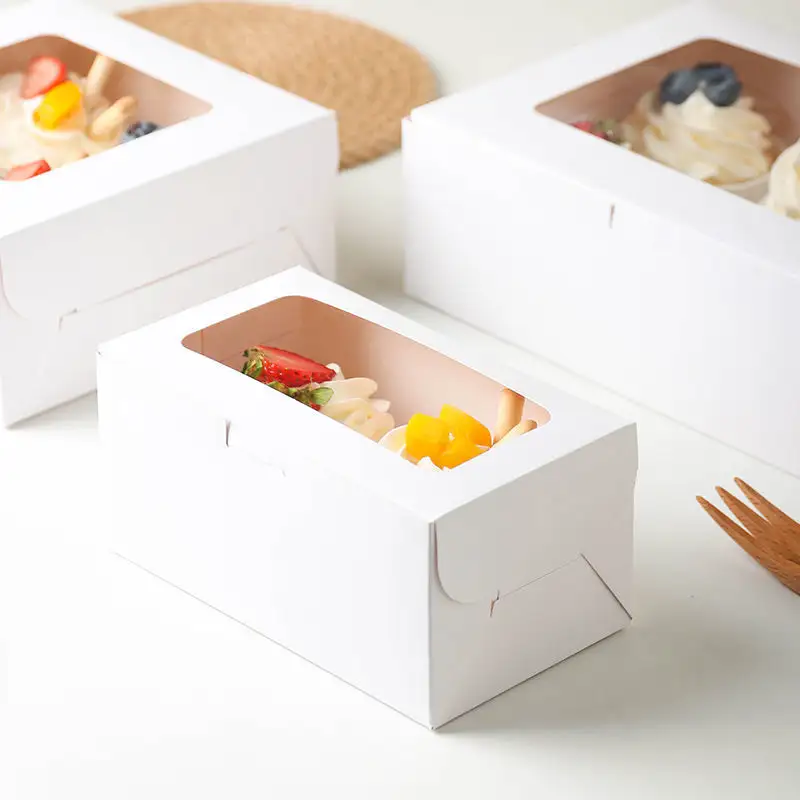
The material you choose affects the appearance, durability, and practicality of your packaging. Paperboard is a common option for cupcake boxes because it is lightweight, printable, and available in different thicknesses and finishes. It can also be folded into convenient structures that are easy to store before use.
However, not every paperboard product is automatically suitable for direct food contact. Consider the intended use, any coatings or inks, and whether the packaging needs a food-contact barrier. For frosted cupcakes, the box should also protect the product from dust, handling, and accidental contact with other objects during transport.
When comparing suppliers, ask about material specifications and suitability for the foods you intend to package. If the cupcakes are placed in individual liners or cups, make sure the entire packaging system is appropriate for the intended application.
Protecting Cupcakes During Delivery
Cupcakes can be surprisingly delicate. A small bump during delivery may damage the frosting, shift decorations, or cause the cakes to lean against one another. That is why the internal structure of your box matters as much as its exterior appearance.
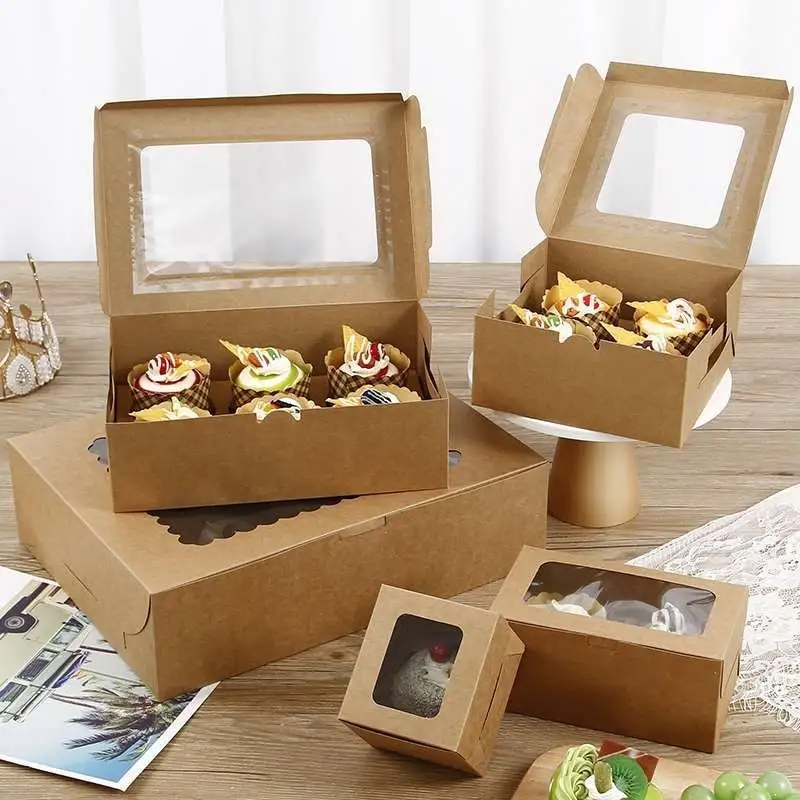
Cupcake Boxes are available in designs that accommodate different quantities, including single-cupcake, two-cupcake, four-cupcake, six-cupcake, and twelve-cupcake formats. The right size depends on your menu and the way customers typically order.
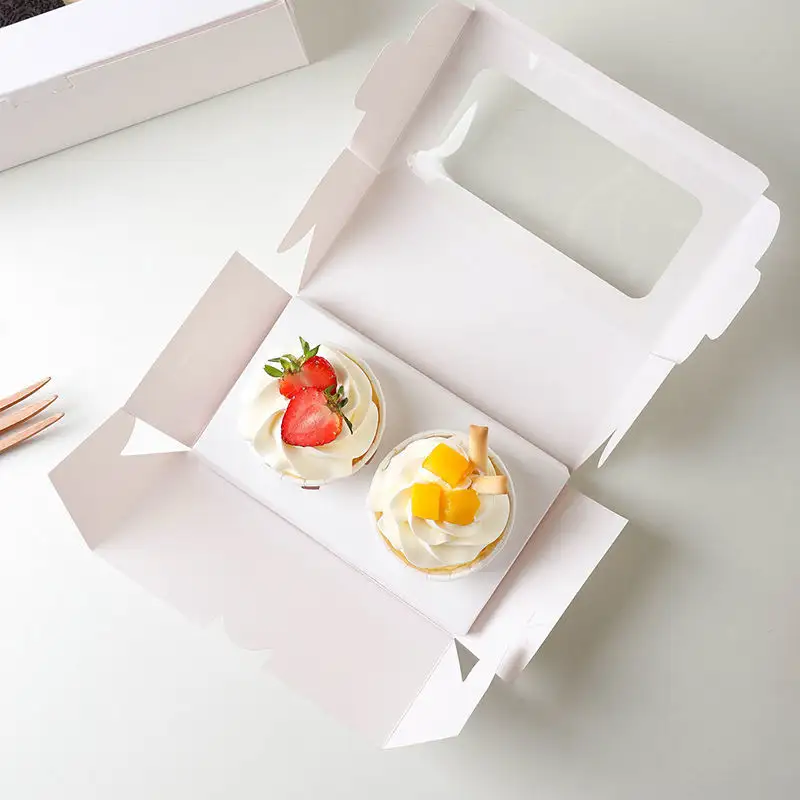
For frosted products, inserts with individual openings can help keep cupcakes upright and separated. Before committing to a large packaging order, test your preferred box with your actual cupcakes. Check whether the frosting touches the lid, whether the insert holds each cake securely, and whether the box stays closed during a short delivery trip.
Choosing Between Window and Closed Boxes
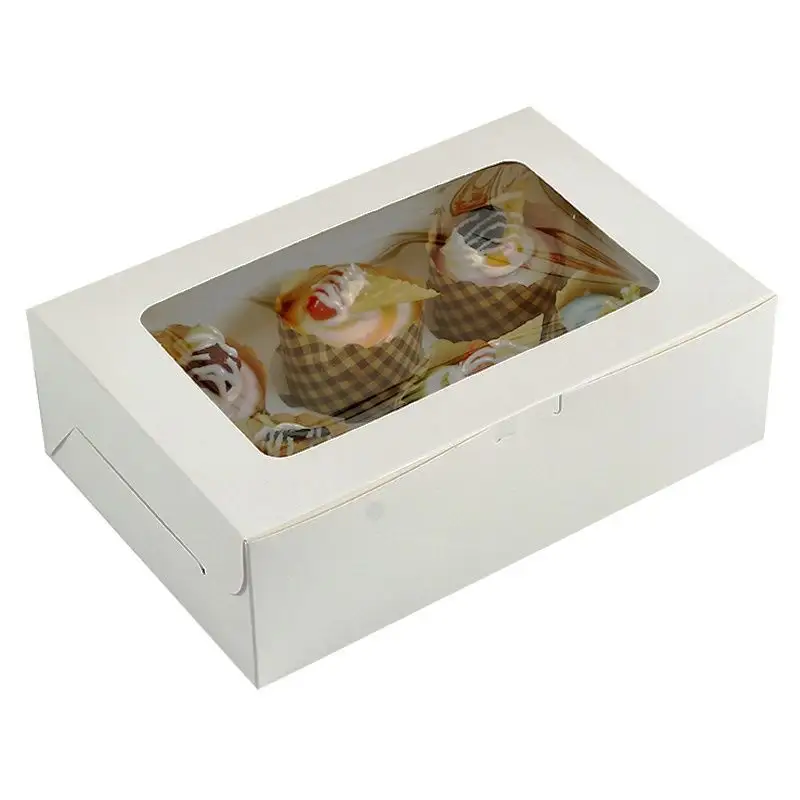
Window boxes allow customers to see the cupcakes without opening the package. This is particularly useful at farmers' markets, pop-up events, and bakery counters, where appearance can influence purchasing decisions. A transparent window can showcase colorful frosting, sprinkles, and decorative toppings.
Closed boxes offer a different advantage. They provide more room for printed graphics, brand messages, and seasonal artwork. They may also offer better protection from direct light, depending on the design and material.
Neither option is automatically better for every business. A baker selling highly decorated cupcakes may benefit from a window, while a business focused on premium gift orders might prefer a fully printed box. Consider how the package will be displayed, carried, and stored before making your decision.
Create a Consistent Visual Identity
Your packaging should look like it belongs to your business. Start with a small set of brand colors, a recognizable logo, and one or two readable fonts. These elements can be repeated across your cupcake boxes, labels, thank-you cards, and online shop.
Consistency helps customers recognize your products over time. If your social media page uses warm beige tones and hand-drawn illustrations, packaging with the same visual style creates a stronger connection between your online presence and your physical products.
You do not need an expensive design agency to get started. A simple layout with a clear logo and balanced spacing can look more professional than a box covered in too many graphics. Focus on the details customers notice first: the brand name, the cupcake flavor, and the overall presentation.
Use Colors and Graphics to Match Your Menu
Color can communicate the personality of your baking business. Soft pinks and creams may work well for wedding favors, while playful colors can suit children's parties and birthday cupcakes. Earthy shades and simple illustrations may appeal to customers who prefer rustic, handmade products.
Seasonal designs also create opportunities to refresh your packaging. You could introduce limited-edition labels for Valentine's Day, Easter, Halloween, Christmas, or graduation season while keeping your main box design unchanged.
This strategy allows your business to stay visually interesting without creating a completely new packaging system for every occasion. Small changes, such as a seasonal sticker or a different printed sleeve, can make familiar packaging feel fresh.
Add Useful Brand Details
Custom packaging gives you a place to share information that helps customers connect with your business. A website, social media handle, or QR code can make it easier for buyers to find your menu and place another order.
You could also include a short message such as "Baked with care" or "Made for your sweetest moments." Keep the wording natural and consistent with your brand personality.
If you use a QR code, test it on the finished box before placing a large order. Make sure it scans easily at the actual printed size and links to a useful destination, such as your ordering page or business profile. Avoid overcrowding the packaging with too many messages, since a clean design is usually easier to recognize.
Start with the Packaging You Actually Need
For a cottage food business, controlling costs is essential. You may not have the same budget or storage space as a commercial bakery, so buying thousands of boxes at once may not be practical.
Begin by identifying your most popular products and the box sizes you use most often. If most customers order six cupcakes, a six-cupcake box should probably be your first priority. You can add other sizes as your sales grow.
Ask suppliers about minimum order quantities, sample availability, printing options, and production lead times. Some custom designs require larger minimum orders than standard packaging, while labels or sleeves may offer a more accessible starting point.
Balance Custom Printing with Budget
Custom printed packaging can cost more upfront than plain boxes, but the actual value depends on order quantity, design complexity, material, and printing method. Before comparing suppliers, make sure you are comparing similar specifications.
For example, one quote might include thicker paperboard and a custom insert, while another covers only a basic folding carton. Looking at the unit price alone could lead to the wrong decision.
If your business is new, consider starting with plain boxes and professionally printed labels. This gives you control over branding without committing to a large inventory of printed packaging. As order volume becomes more predictable, you can explore direct printing for a more integrated appearance.
Calculate the Total Cost per Order
Packaging costs include more than the box itself. Labels, inserts, tissue paper, protective outer packaging, storage, and shipping can all affect your final expense.
Calculate the total packaging cost for a typical order, then compare it with your selling price and other operating costs. This helps you decide whether a premium box makes sense for everyday orders or should be reserved for gift sets and special occasions.
It is also worth considering how much packaging waste you create. Boxes that are difficult to assemble, too large for the product, or unsuitable for storage may increase costs without improving the customer experience. Choosing the right format can make your daily workflow more efficient.
Make Farmers' Market Displays More Appealing
Farmers' markets give small baking businesses an opportunity to meet customers face to face. In a crowded market, attractive packaging can help your products catch someone's eye and make your display look organized.
Use matching boxes and labels to create a consistent presentation across different flavors. Keep product names visible, and consider placing a small sign beside your display to explain your signature flavors or ordering options.
Packaging should support the product rather than hide it. If customers are drawn to your colorful frosting or creative decorations, a window box may help showcase those details. If you sell assorted cupcakes, clear flavor labels can make it easier for buyers to choose the right combination.
Turn Everyday Orders into Gift Opportunities
Cupcakes are often purchased for more than personal enjoyment. Customers may order them for office celebrations, baby showers, bridal parties, birthdays, and family gatherings. Packaging that looks gift-ready can make your products suitable for these occasions without requiring customers to add extra wrapping.
Consider offering different packaging options, such as a standard box for everyday purchases and a premium printed box for special events. You might also provide personalized labels for larger orders, provided the customization fits your production schedule and applicable labeling requirements.
This gives customers more flexibility while creating opportunities to increase the value of an order. The key is to make the options simple enough that you can fulfill them consistently.
Encourage Repeat Orders and Customer Recommendations
Good packaging can help keep your business visible after the sale. When customers carry a branded box to a party or share photos of their cupcakes online, your packaging may introduce your business to new people.
Include a clear way to contact you or find your menu again. A short thank-you note can also encourage customers to share feedback or recommend your products to friends. Avoid promising discounts or making marketing claims that you cannot maintain over time.
You can learn a lot by asking customers what they think about your packaging. Do the boxes travel well? Are the cupcakes easy to remove? Is the label readable? Their answers can help you improve both the product experience and your next packaging order.
Building a successful cottage food business takes more than baking delicious cupcakes. You also need packaging that protects your products, communicates important information, and helps customers remember your brand.
Custom printed Cupcake Boxes offer a practical way to bring these goals together. From food-suitable materials and secure inserts to readable cottage food labels and attractive brand graphics, every packaging decision can improve the experience you provide.
Start with the basics: choose the right box size, check your local labeling requirements, and create a design that reflects your business. If you are working with a limited budget, use plain boxes with custom labels first, then move toward fully printed packaging when demand grows.
Most importantly, treat packaging as part of your product rather than an afterthought. A cupcake may be small, but a carefully designed box can help communicate the care, creativity, and personality behind every batch. With the right approach, your packaging can support customer trust, encourage repeat orders, and help your cottage food business grow one delicious cupcake at a time.
Cottage food cupcake boxes may need to include the product name, ingredient list, allergen information, net quantity, producer details, and any required home-produced food statement. The exact requirements depend on your state and local regulations. Before printing custom packaging in bulk, check the rules that apply to your business to make sure your labels are accurate, complete, and easy to read.
Yes! Custom printed Cupcake Boxes can feature your bakery logo, brand colors, business name, website, social media handles, and other design elements. You can also choose different box sizes, printing styles, finishes, and window designs to match your products. If you are starting a cottage food business, using plain boxes with custom labels is another affordable way to build brand recognition.
Paperboard is a popular choice because it is lightweight, easy to print, and available in different thicknesses and styles. For frosted cupcakes, look for sturdy packaging with enough interior space and secure inserts to prevent the cakes from moving during transport. Make sure the materials are suitable for your intended food-packaging application, especially if the packaging will come into direct contact with food.
Absolutely! Custom printed Cupcake Boxes can help small home bakeries create a professional appearance without needing a large commercial operation. If your budget is limited, start with standard boxes and personalized stickers or labels. As your business grows, you can invest in fully printed packaging, explore different box sizes, and create seasonal designs for holidays, weddings, birthdays, and other special occasions.
Well-designed cupcake boxes can improve product presentation, strengthen brand recognition, and make your baked goods more appealing as gifts. Clear product labels help customers identify flavors, while a logo or QR code makes it easier for them to find your business and place future orders. Consistent, attractive packaging can also encourage customers to share photos of their purchases, helping introduce your cottage food business to new potential buyers.
Post time: Oct-28-2026


