


Your chocolates are truly a work of art. If and so its wrapper should be one, too. The packaging is a customer's first touch, and therefore the start of their life with your product as well as your brand.
Outstanding custom chocolate box packaging does much more than just keep your product in it. It carries your brand's story to the end-user. It keeps your chocolates safe from harm. It acts as a medium for customers to enjoy a little pleasure. And through reading this all-singing, all-dancing little guide, you will possess everything needed to turn out marvellous packaging that sells.
- What This Guide Covers:
- The smart advantages of custom packaging.
- Key components of the chocolate box that can be customized.
- A straightforward procedure for selecting the most suitable design options.
- An in-depth description of the customization process.
Custom packaging is no longer just costs but a powerful weapon that can take the overall competitive advantage of your enterprise one rung up. When you package your product in good-quality packaging, it makes you easy for consumers to get back into touch with you. They will shop again and even refer friends to your factory for chocolate treats.
Here are some convincing reasons for custom chocolate box packaging to become an essential part of your business:
- Branding Your Brand: In many cases, the chocolate box is the first thing that a customer gets from your brand. It takes the lead to present your quality and values beforehand, often even before the customer has had a taste of the chocolate.
- Product Protection: Chocolate is a delicate product that can be easily damaged by heat, light or impacts. Correct insertion into uniquely designed boxes will not only protect each piece of chocolate but also keep it in top condition.
- An Unboxing Experience: A package that tells its own story turns a product into something special. Large brands can easily influence customers to share great unboxing experiences on social media. This is your marketing pitch without cost.
- Increase in Sales: A stunning design seizes the consumer's attention in a crowded commodity showcase.According to Ipsos research, 72% of American buyers believe that the look of the product packaging has an important effect on their purchasing decisions.
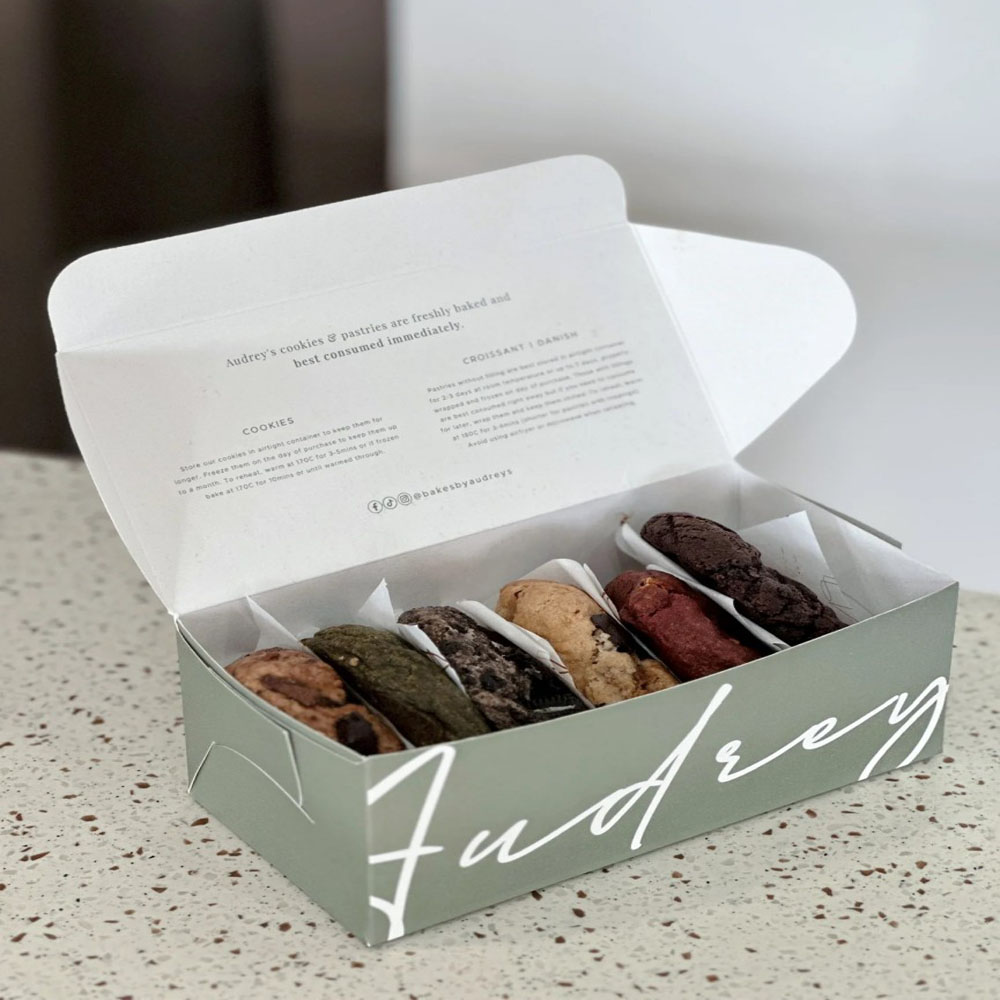
Knowing what you can choose from is the starting point for making the ideal pack. Every single element, from the paper you start with to the shiny final logo, is necessary. Let's examine the basic components of custom chocolate box packaging.
Selecting the Right Base: Material Choices
The material you choose for construction impacts everything from your box's looks to texture and cost. It also figures prominently in the box's protective function for your chocolates.
| Material | Best For | Cost | Durability | Luxury Feel |
| Folding Carton | Retail bars, small boxes | Low | Medium | Low to Medium |
| Rigid Paperboard | High-end gift sets | High | High | High |
| Corrugated Cardboard | Shipping, e-commerce | Medium | Very High | Low |
| Kraft Paper | Eco-friendly brands | Low to Medium | Medium | Medium (Earthy) |
Styles That Are Attractive and Durable
The design and construct of the box create functionality while at the same time offering ergonomic use. Some styles are plain and traditional, while others present a powerful picture of releasing.
- Rigid Boxes (Lid & Base): This two-piece style is a classic for luxury assortments. It feels sturdy and substantial.
- Sleeve Boxes: A sleeve slides over a tray. This is great for premium chocolate bars or small, elegant collections.
- Tuck-End Boxes: This is a common, cost-effective style for retail products. It ships flat and is easy to assemble.
- Magnetic Closure Boxes: A hidden magnet holds the lid shut. This adds a modern, high-end touch to gift boxes.
Don't forget inserts and trays. These hold each chocolate securely in place. They prevent damage and create a beautiful presentation. Exploring a gallery of chocolate packaging options can provide visual inspiration for your project.
Final Touches to Elevate Your Design
Finishing prints are the little things that build synergy and brand value. They are not only visual but also tactile that bring a sense of luxury. You might find it beneficial to consider vast options of special finishes before deciding.
- Foil Stamping: Adorn your logo or design with a shiny metallic foil (gold, silver, copper) for an elegant finish.
- Embossing/Debossing: This method will raise (emboss) or press down (deboss) certain parts of the paper. 3D texture is created through this process.
- Spot UV: A high-gloss coating is applied only to specific areas. This creates a visual contrast with a matte background.
- Window Patching: A transparent plastic window allows customers to see the deluxe chocolates within.
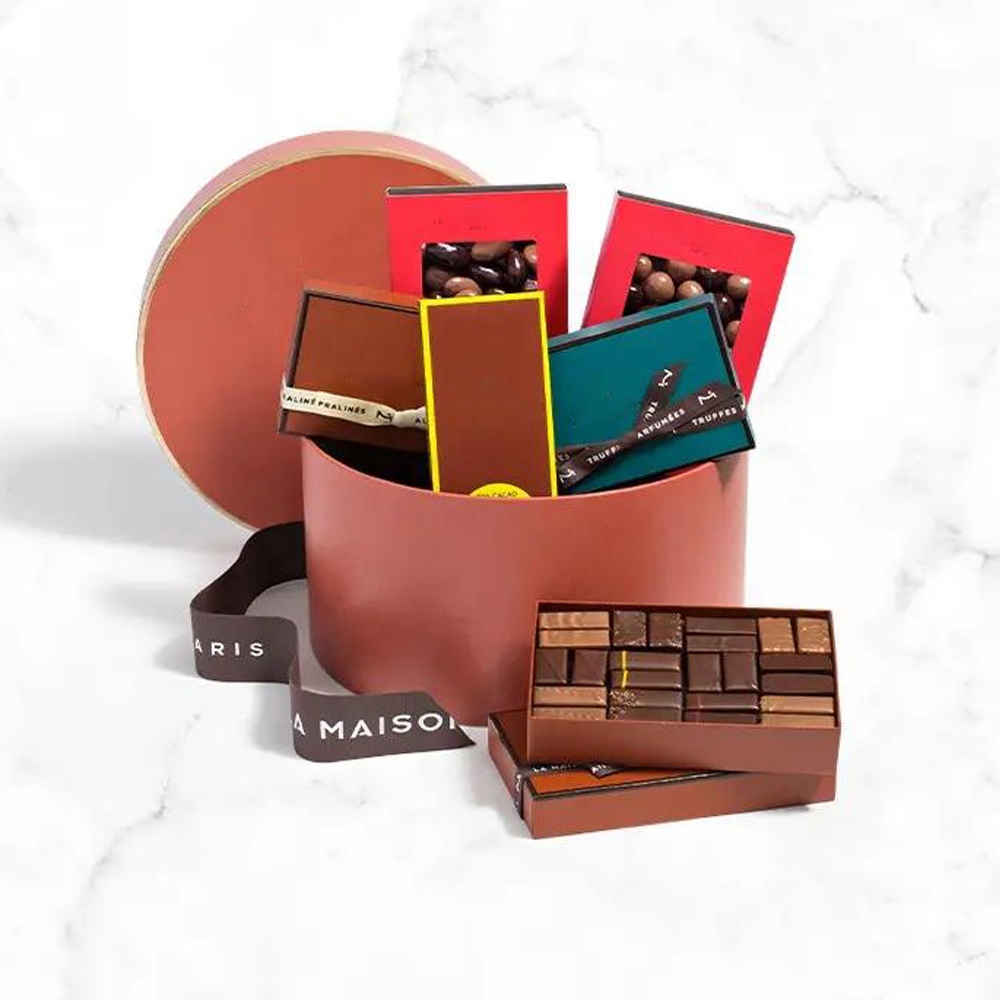
After reviewing all alternatives, how can you develop a good one? Depending on your brand, product line and target customer base, the right choices will be different. Answering these questions can help one to create a smart package strategy.
What is Your Brand's Personality?
Your packaging should reflect what kind of brand you are. Through the feel of its product and it story that it tells to the customer, the materials, colors and coatings combine together to create a product which is uniquely yours.
- Luxury & Artisanal: Materials that speak of quality, shades that are deep and rich, and completely unobtrusive designs. For that premium touch, consider foil stamping and embossing.
- Eco-Friendly & Organic: Kraft paper, recycled materials, and soy inks are very good choices. Designs that are simple and made from earthy colors are the best.
- Playful & Modern: Bold colors, unique box shapes, and fun patterns make you stand out. A window patch can show off colorful treats.
Your decisions should be in line with your brand's identity across all industries, not only in the confectionery business. Therefore, customers will be able to recognize a strong and unchanging identity.
Where Will Your Chocolates Be Sold?
The selling environment directly influences your design choices. A box designed for online sales has different requirements than one for a busy store.
- Cluttered Retail Shelves: Instantly grab the attention of shoppers with your box. Bright colors, powerful text, or a window that is open and clear can do that. You need consumer attention attracting solutions that are unique.
- E-commerce/Subscription Box: The box's durability and capacity for shipping are both required. It should also deliver a fantastic unboxing experience. The customer will have this experience during the first contact with your brand.
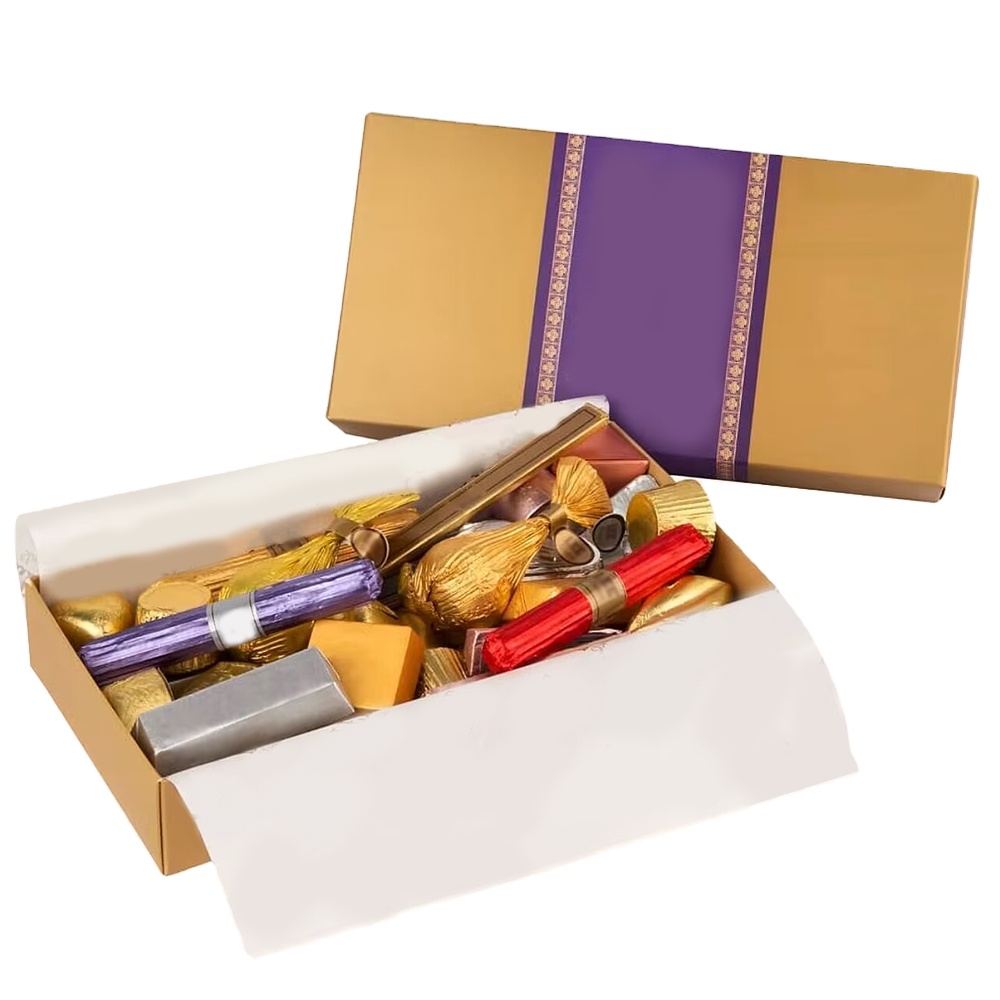
Ordering custom packaging for the first time may seem complicated. Here is a simple step-by-step guide to the process. This is what you can typically expect when working with a packaging partner.
- Define Your Specs & Budget: Start off by knowing what you want. How many boxes are you ordering? What are the dimensions of your product? What is the cost target per box? Having this information in advance will make the process much easier.
- Design & Dieline Creation: Your supply of packaging will give you a "dieline," a flat template of your box. Your designer will then place your artwork onto this template. Make sure your logo, text, and colors look perfect.
- The Proofing Process: This is a significant step. You will receive a proof that is a sample of your box. You can have a digital 3D model or a physical prototype. Be thorough when reviewing it for any color, size, or text errors before approving it.
- Production & Quality Control: After you give the green light to the proof, the manufacture of your boxes will begin. This means printing, cutting, and the addition of special finishes. A reputable supplier will have quality checks in place at every stage.
- Shipping & Delivery: Your boxes can be shipped either flat (to save space and cost) or pre-assembled. Communication is essential for all parties involved. A supplier offering prompt delivery and quick customer care will make this final step stress-free.
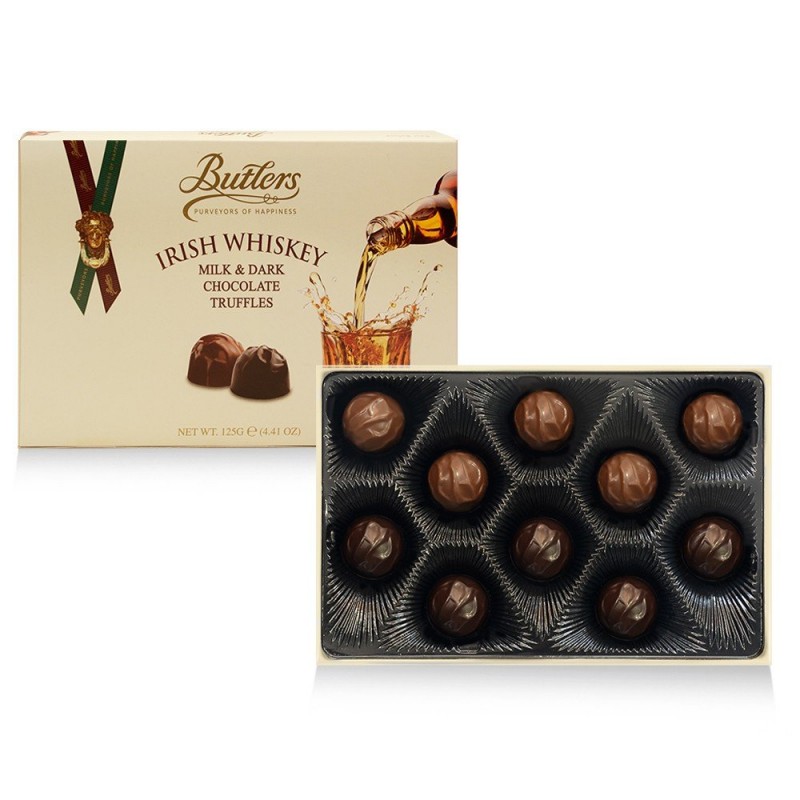
Your packaging manufacturer is more than a supplier. They are a partner in your brand's success. Choosing the right one will go a long way in ensuring a smooth process and high-quality end product.
Checklist for the vetting process to potential partners:
- Portfolio & Experience: Have they previously produced custom chocolate box packaging? Ask to see their work samples.
- Capabilities: Are they able to provide the box styles, materials, or finishes you desire?
- Minimum Order Quantity (MOQ): Is the minimum order quantity of the supplier aligned with your needs? Some work with smaller businesses. Others may need a larger volume.
- Customer Service & Communication: Do they respond quickly, provide help, and communicate clearly? A good partner will guide you through the process.
Getting a reliable supplier like Fuliter Paper Box that can lead you through the whole process is the secret to a successful project.
Chocolate box packaging can vary greatly in price. This will depend on the manufacturing material, size, quantity and special finishes. Simple folding cartons tend to be very cheap. With expensive rigid boxes offering a magnetic closure and foil being at a premium investment, that’s all the more. Always ask for a quote when you’ve a particular design.
Minimum order quantities vary by the manufacturer. For these, some only handle requests in thousands of products at a time. Others offers small business owners options down to just 500 or 1,000 pieces when dealing directly with them. It's best to get this information in writing from each of your potential suppliers.
Be sure to deal with a company that only uses food-grade inks, paper and adhesives. The supplier should be able to give you a certification stating that the materials used in packaging are safe for food contact. This is especially important for chocolate boxes.
The average time frame from design approval to delivery is 4-8 weeks. This period encompasses the proofing stage (1-2 weeks), production (2-4 weeks) and shipping (1-2 weeks). Faster options might be available but at higher costs.
By all means, and it is a must. Good manufacturers will generally give free samples. In addition to that you might be able to obtain a free digital 3D mockup as well. Physical samples are charged for, with the charge often refunded if an order is placed for goods.
Post time: Mar-05-2026


