


Chocolate packaging is changing, and customers are starting to pay more attention to what happens after they open a box. For years, plastic trays have been a common choice for holding chocolates in place. They keep individual pieces separated, prevent movement, and make gift boxes look organized. However, as more brands look for environmentally responsible packaging, traditional plastic inserts are becoming less attractive. Today's chocolate businesses want packaging that protects their products without creating unnecessary plastic waste. That's where thoughtfully designed Chocolate Boxes with paper-based inserts come in. By replacing plastic trays with recyclable or molded-pulp alternatives, brands can create attractive packaging while offering customers a better unboxing experience. The best part? Going plastic-free doesn't mean giving up protection, convenience, or premium presentation.
Plastic trays have been used in chocolate packaging for a long time, mainly because they are inexpensive, lightweight, and easy to shape. But packaging expectations are changing. Consumers increasingly notice excessive materials, and many prefer brands that make practical efforts to reduce unnecessary waste.
The Problem with Traditional Plastic Inserts
A chocolate gift box may look elegant on the outside, but opening it and finding a plastic tray can create a different impression. Some customers see it as unnecessary packaging, especially when the outer box is made from paper or cardboard.
There are several common problems with plastic inserts:
- They can be difficult to recycle when made from mixed materials.
- They may create additional plastic waste after a single use.
- They can reduce the overall appeal of environmentally conscious packaging.
- They sometimes make premium gift packaging feel less natural.
- They may require separate disposal instructions.
Of course, not every plastic tray has the same environmental impact. Recyclability depends on the material and local recycling facilities. Still, reducing unnecessary plastic is a practical starting point.
What Customers Expect from Chocolate Packaging
Modern buyers want more than an attractive box. They care about material choices, product protection, and how easy the packaging is to dispose of.
For chocolate brands, this creates an opportunity to make packaging part of the product story. A paper-based insert can communicate attention to detail while keeping each chocolate securely positioned.
A Better Direction for Chocolate Brands
Switching to plastic-free inserts doesn't require redesigning an entire packaging system. Businesses can often keep their existing outer box structure and replace only the internal tray.
This approach makes the transition easier, especially for brands that already have established packaging dimensions and printing designs.
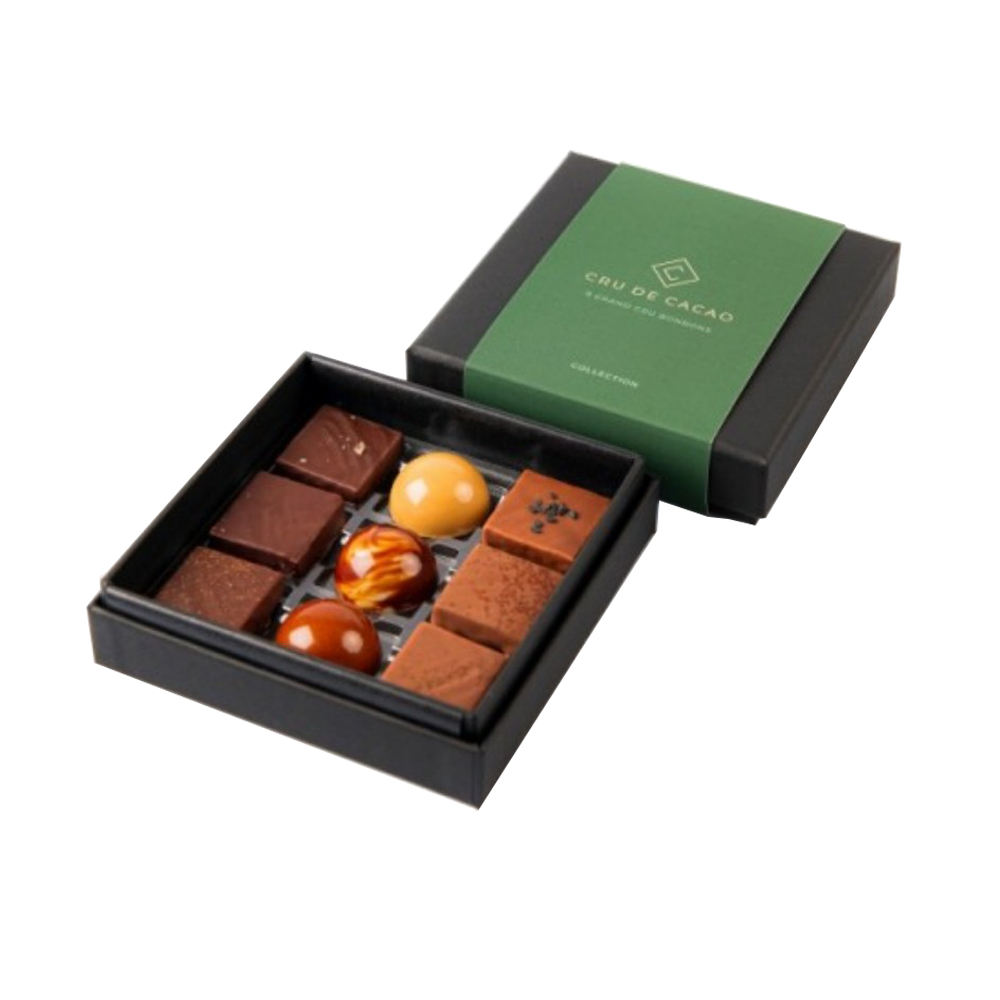
One of the easiest ways to reduce plastic in chocolate packaging is to use paper-based inserts. These components can be made from paperboard, kraft paper, or molded pulp, depending on the shape, weight, and protection requirements of the chocolates.
Paperboard Dividers for Everyday Chocolate Packaging
Paperboard dividers are a simple solution for separating individual chocolates. They can be folded or assembled into compartments that hold each piece in position.
For example, a box containing twelve chocolate truffles can use a grid-style divider to create twelve individual spaces. This prevents direct contact between the chocolates and helps maintain a neat presentation.
Paperboard inserts also offer several customization possibilities:
- Different compartment sizes for assorted chocolates.
- Custom-cut openings for unusual chocolate shapes.
- Printed patterns that match the outer packaging.
- Foldable structures that save storage space.
- Different paper thicknesses for improved support.
Molded Pulp Inserts for Better Product Protection
Molded pulp is another interesting alternative. It is commonly produced using processed paper fibers and can be shaped into cavities that fit individual products.
Unlike simple flat dividers, molded pulp inserts can provide a more fitted structure. This makes them useful for chocolate gift sets containing delicate pieces that need additional support.
The natural texture also creates a distinctive appearance. Brands looking for a minimalist or eco-inspired presentation may find molded pulp especially appealing.
However, molded pulp isn't automatically suitable for every chocolate. Its surface, cleanliness, moisture resistance, and food-contact suitability should be evaluated before production.
Choosing Materials That Match Your Brand
Not every chocolate product needs the same insert. A lightweight chocolate assortment may work well with paperboard dividers, while heavier gift collections may require stronger molded structures.
The important thing is to choose materials based on actual packaging performance rather than appearance alone. A sustainable-looking insert is only useful if it protects the product throughout storage, handling, and delivery.
One common concern among chocolate manufacturers is whether paper-based inserts can provide the same protection as plastic trays.
It's a reasonable question. Chocolate is sensitive to temperature changes, pressure, moisture, and physical impact. A poorly designed insert can allow products to move around, resulting in damaged decorations, broken edges, or messy packaging.
Create Compartments That Fit Each Chocolate
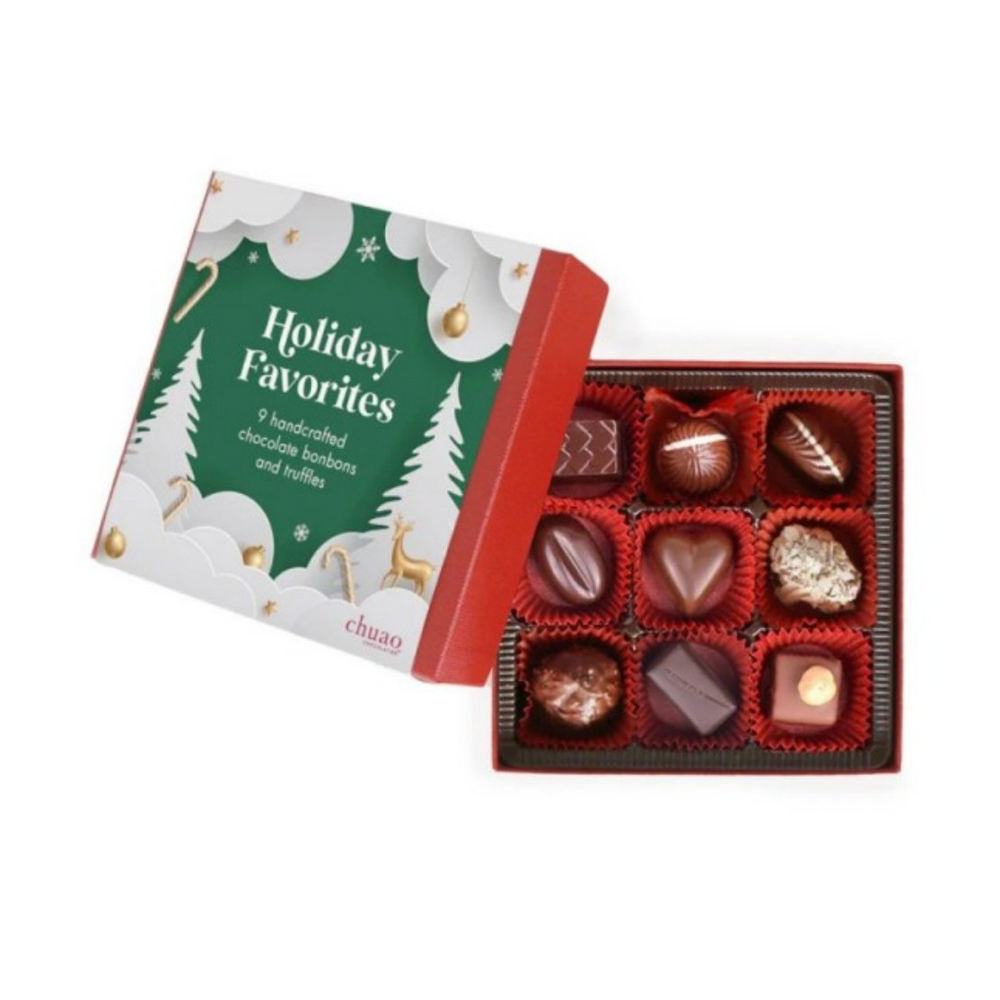
The first step is getting the dimensions right. Every chocolate has its own shape, height, and weight, so a universal insert may not provide enough support.
For example, round truffles need different compartment designs from square pralines or rectangular chocolate bars.
A properly fitted insert should:
- Hold each chocolate without excessive pressure.
- Leave enough space for easy product removal.
- Prevent pieces from touching during normal handling.
- Support delicate chocolate decorations.
- Keep the assortment looking organized.
Custom-sized compartments make a noticeable difference, particularly for premium chocolate collections.
Consider the Entire Packaging Structure
The insert is only one part of the protection system. The outer box also plays an important role.
Rigid paperboard boxes can provide a strong structure for luxury chocolate gifts. Folding cartons may be suitable for lighter products and retail packaging. For shipping, additional cushioning and a properly fitted shipping carton may be necessary.
A well-designed combination of outer packaging and internal inserts can reduce movement without relying on a conventional plastic tray.
Test Before Ordering in Bulk
Packaging samples should be tested with actual chocolates, not just empty mock-ups.
Try placing products inside the box, closing the lid, and checking whether anything shifts during handling. A simple drop and vibration test can also reveal potential problems.
Pay attention to chocolate corners, toppings, coatings, and decorative details. If products arrive damaged, the packaging hasn't done its job, regardless of how attractive it looks.
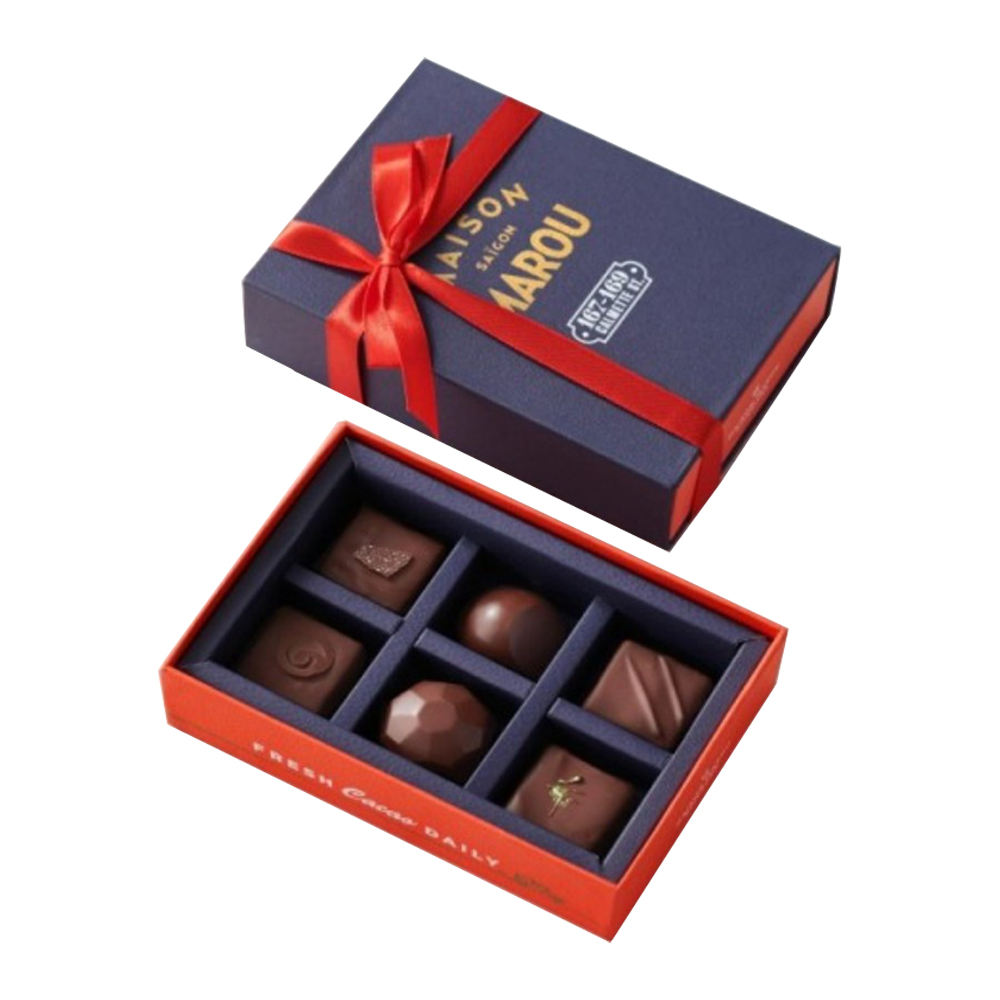
Removing plastic doesn't mean packaging has to look plain. In fact, paper-based inserts can create new opportunities for creative packaging design.
From luxury chocolate gifts to everyday retail assortments, brands can customize the structure, printing, and finishing of their packaging.
Match the Insert with the Outer Box
A consistent design makes the entire package look more professional.
For example, a kraft chocolate box can use a natural kraft-paper divider for a simple, coordinated appearance. A premium chocolate gift box might combine a smooth matte exterior with a carefully fitted paperboard insert.
The goal is to make the inside and outside feel like parts of the same design.
Use Printing to Improve Brand Recognition
Custom printing is one of the biggest advantages of paper-based packaging.
Brands can add their logos, brand colors, product names, and small decorative details to the outer box. Depending on the insert material and printing process, some designs can also include printed internal elements.
Popular finishing options include:
- Matte or gloss lamination.
- Foil stamping for premium branding.
- Embossed or debossed logos.
- Spot UV for selected design details.
- Custom color printing and patterns.
When selecting finishes, consider their effect on recyclability. Plastic laminations and mixed-material embellishments can complicate recycling, so brands should evaluate the complete packaging structure.
Design for a Better Unboxing Experience
Customers often buy chocolate gifts because they want to create a special moment. Packaging plays a major role in that experience.
Imagine opening a beautifully printed rigid box and finding twelve chocolates arranged in individual paper compartments. Each piece is visible, neatly positioned, and easy to pick up.
There is no need for an oversized plastic tray or unnecessary layers. A thoughtful structure can make the presentation feel clean, modern, and premium.
Sustainability is important, but packaging still needs to make financial sense. Chocolate manufacturers, wholesalers, and retailers must consider material prices, production efficiency, storage, and transportation.
The good news is that removing plastic trays can create cost-saving opportunities when the packaging is designed properly.
Compare Total Packaging Costs
When comparing different insert materials, don't focus only on the price per piece.
Consider the full cost, including:
- Material purchasing.
- Insert manufacturing.
- Assembly labor.
- Storage requirements.
- Shipping weight and volume.
- Product damage and replacement costs.
For example, a paperboard insert may cost slightly more than a basic plastic tray but offer better storage efficiency if it can be supplied flat-packed.
The best choice depends on production volume and the specific packaging design.
Flat-Pack Designs Can Save Storage Space
Storage is an important issue for chocolate businesses, particularly wholesalers and brands ordering packaging in large quantities.
Some paperboard inserts can be delivered flat and assembled when needed. This reduces the space required before packaging operations begin.
For businesses with limited warehouse capacity, this can be a useful advantage.
However, assembly time should also be considered. A complicated insert may increase labor costs, so the structure should be easy to fold, position, and secure.
Start with a Practical Packaging Trial
Businesses don't need to replace every existing package immediately.
A small production trial can help compare paperboard, molded pulp, and other suitable materials. Test several designs using the same chocolate assortment and evaluate their performance.
Measure product damage, assembly time, packaging appearance, and material costs.
Once the results are clear, businesses can choose the most suitable design before placing a larger wholesale order.
The future of chocolate packaging isn't just about making boxes look attractive. It's about finding practical ways to protect products, reduce unnecessary materials, and create a better customer experience.
Replacing conventional plastic trays with paperboard dividers or molded pulp inserts gives chocolate brands another way to improve their packaging. With the right design, these alternatives can keep chocolates organized, support delicate products, and create a premium presentation.
For wholesalers, manufacturers, and retailers, the key is to balance sustainability, protection, appearance, and production costs. Start with accurate product measurements, test different insert structures, and choose materials that meet your food-contact and packaging requirements.
At the end of the day, great Chocolate Boxes don't need unnecessary plastic to make a strong impression. A well-designed paper-based package can protect every chocolate, highlight your brand, and give customers another reason to remember your product.
Paperboard dividers, kraft paper inserts, and molded pulp trays are popular alternatives. They help separate chocolates, reduce unnecessary plastic use, and create a more environmentally conscious packaging design.
Yes. Properly designed paper inserts can hold chocolates securely and reduce movement during handling and transportation. Custom-sized compartments provide better support for truffles, pralines, and other delicate chocolate products.
Yes. Brands can choose paperboard boxes, kraft paper dividers, and molded pulp inserts to reduce plastic components. However, coatings, adhesives, windows, and other finishing materials should also be checked to ensure the entire package meets the desired plastic-free requirements.
Absolutely. Custom printing, foil stamping, embossing, and premium paper materials can create an elegant appearance. Paper-based inserts also help organize chocolates and improve the overall unboxing experience.
Yes. Many packaging manufacturers offer wholesale customization, including box sizes, insert structures, materials, and printing finishes. It's best to request samples first to check product fit, packaging strength, and overall quality before placing a bulk order.
Post time: Nov-12-2026


