


Why Cookie Packaging Is Changing
A cookie box used to be treated as a simple container. Today, it has a much bigger job. It protects delicate products, introduces a brand, supports a memorable unboxing moment, and shows customers what a company values. As shoppers become more aware of waste, packaging choices can influence whether a product feels modern and responsible or dated and excessive. That is why custom cookie boxes are moving toward cleaner materials, smarter structures, and more thoughtful finishes.
For bakeries, cafés, gift companies, and food distributors, the change is practical rather than complicated. A well-designed paper box can look premium without relying on unnecessary plastic. It can also be sized around the actual cookie set, which helps reduce empty space and limits the amount of material used. The result is packaging that feels intentional from the first glance.
Fuliter’s website presents the company as a custom paper box manufacturer offering support from the initial design idea through production and delivery. Its product range includes food packaging such as cake boxes, dessert boxes, chocolate boxes, and other paper-based solutions. That experience is useful for cookie brands because the same principles apply: safe product presentation, reliable construction, attractive printing, and a clear visual connection to the brand.
Sustainability Should Still Feel Delicious
Eco-friendly does not mean plain or boring. A natural kraft surface can create a warm, handmade impression, while a carefully printed white carton can deliver a cleaner retail look. A small logo, a simple pattern, and a short message can often say more than a crowded design. Good packaging leaves room for the food itself to take center stage.
Matching Material to the Product
The material is one of the first decisions in any packaging project. Cookies may be light and dry, but they still need a box that stays firm during filling, stacking, shipping, and display. The choice should take the cookie size, weight, shape, quantity, and sales channel into account. A small gift pack may need a different board from a larger wholesale carton designed for transport.
Fuliter lists kraft paper, cardboard, premium paper, coated paper, and eco-friendly paper among its available material options. Each one creates a different customer impression. Kraft paper gives a relaxed, natural appearance and works well for rustic or organic brands. Coated paper can produce brighter colors and sharper graphics. Premium paper can support gift packaging where texture and touch are especially important.
A responsible material decision is not simply about choosing the word “green.” It is about using enough material for protection without making the package unnecessarily heavy or oversized. It also means discussing print coverage, surface treatments, inserts, and closure styles early in the process. When these details are considered together, a cookie box can be both attractive and more efficient.
Thinking Beyond the First Use
Customers notice what happens after the cookies are gone. A box that can be recycled, reused for small household items, or folded down easily has a longer life than packaging designed only to be thrown away. Clear material information and a simple structure can make the disposal or reuse decision easier for the end user.
Design That People Remember
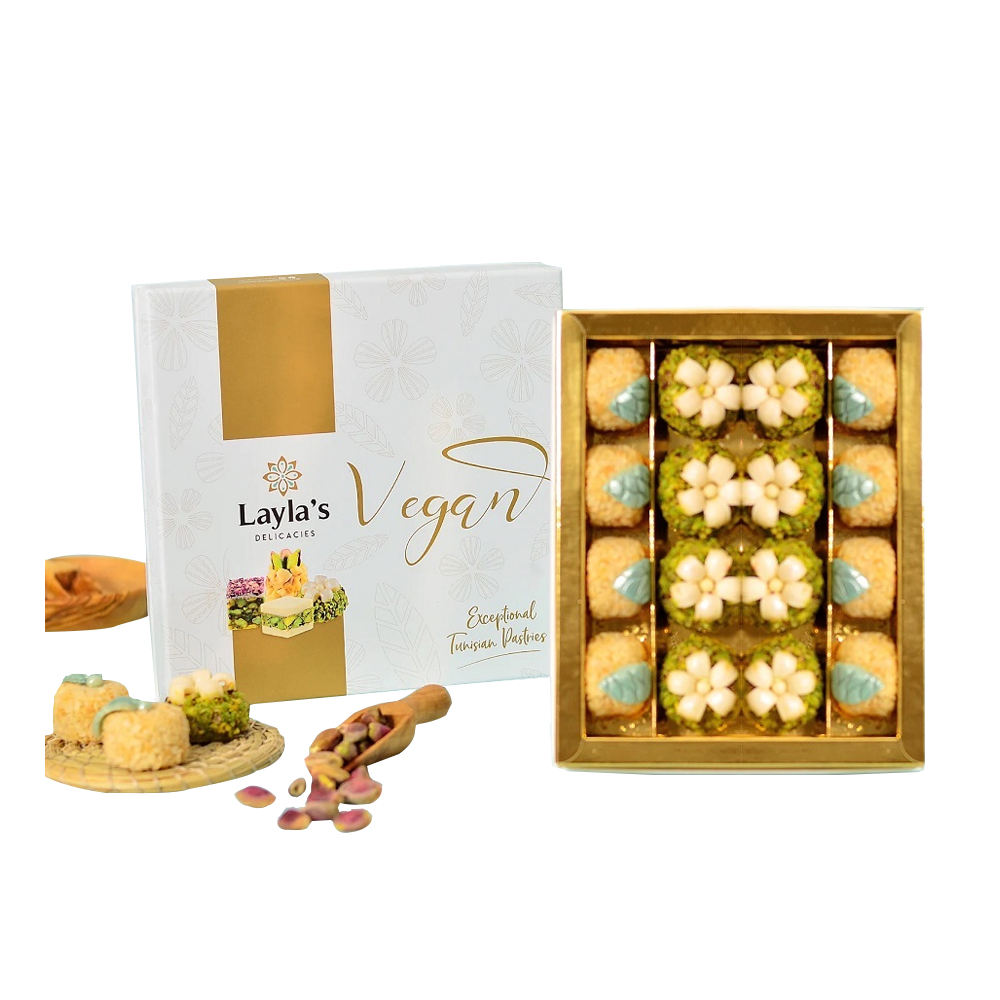
Cookie packaging often reaches customers during meaningful moments: a holiday visit, a company event, a birthday, or a thank-you gift. The box becomes part of the occasion. That gives small and growing brands a chance to build recognition through color, typography, illustrations, and shape.
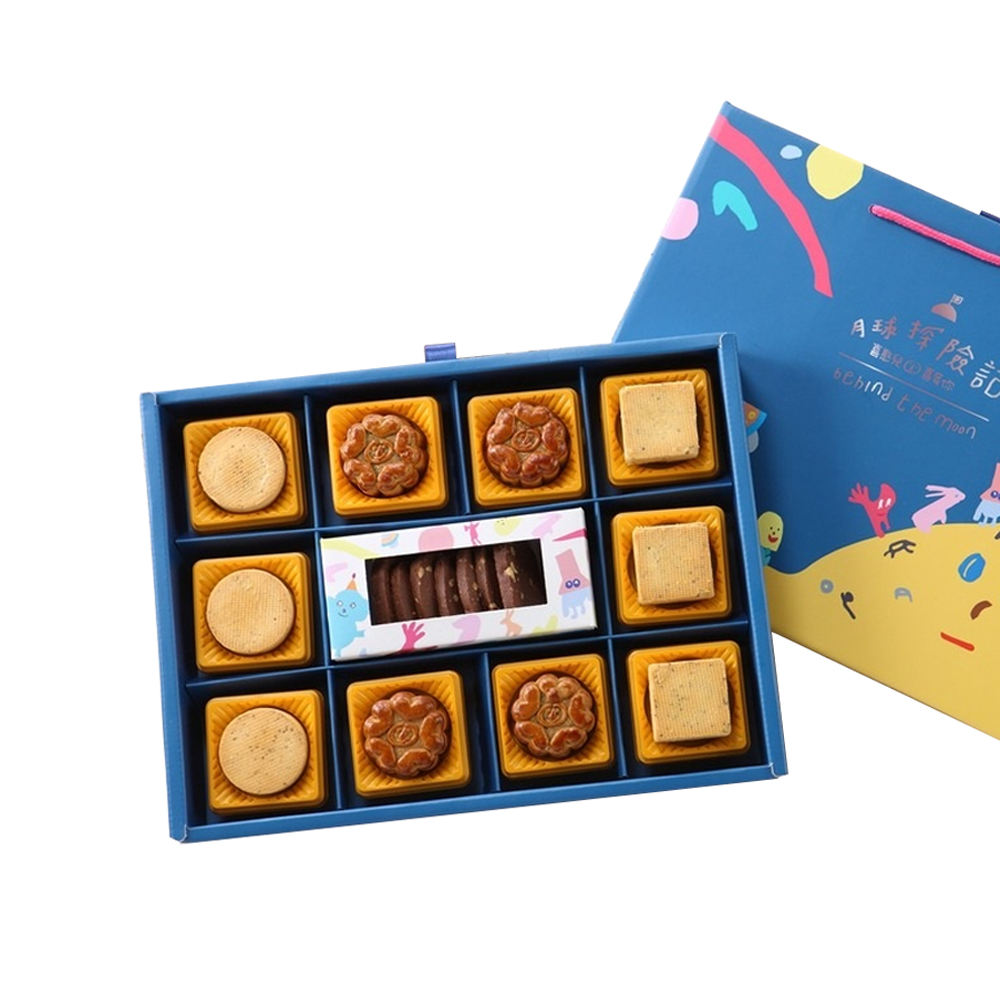
A strong design does not need to shout. A bakery might use a soft cream background with one signature color. A premium cookie label could choose a deep ink tone, restrained typography, and a subtle texture. A playful children’s brand may use illustrated characters, but the layout should still keep the product name and key information easy to read. The best designs are distinctive without making the box difficult to manufacture.
Fuliter describes in-house design support and free structural design using CAD software. This type of service can help brands move from a rough idea to a package that works in real production. It is especially valuable when a customer wants a window, tuck flap, drawer box, handle, divider, or unusual shape. The visual concept and the physical structure need to support each other.
Making the Unboxing Moment Useful
A thoughtful box can guide the customer naturally. A secure opening protects the cookies, a neat interior keeps the assortment organized, and a printed inside panel can share a short brand note or serving suggestion. These small details create a better experience without adding unnecessary decoration. They also give customers a reason to photograph and share the package, which can extend the brand story beyond the original purchase.
Food Presentation Starts with Box Structure
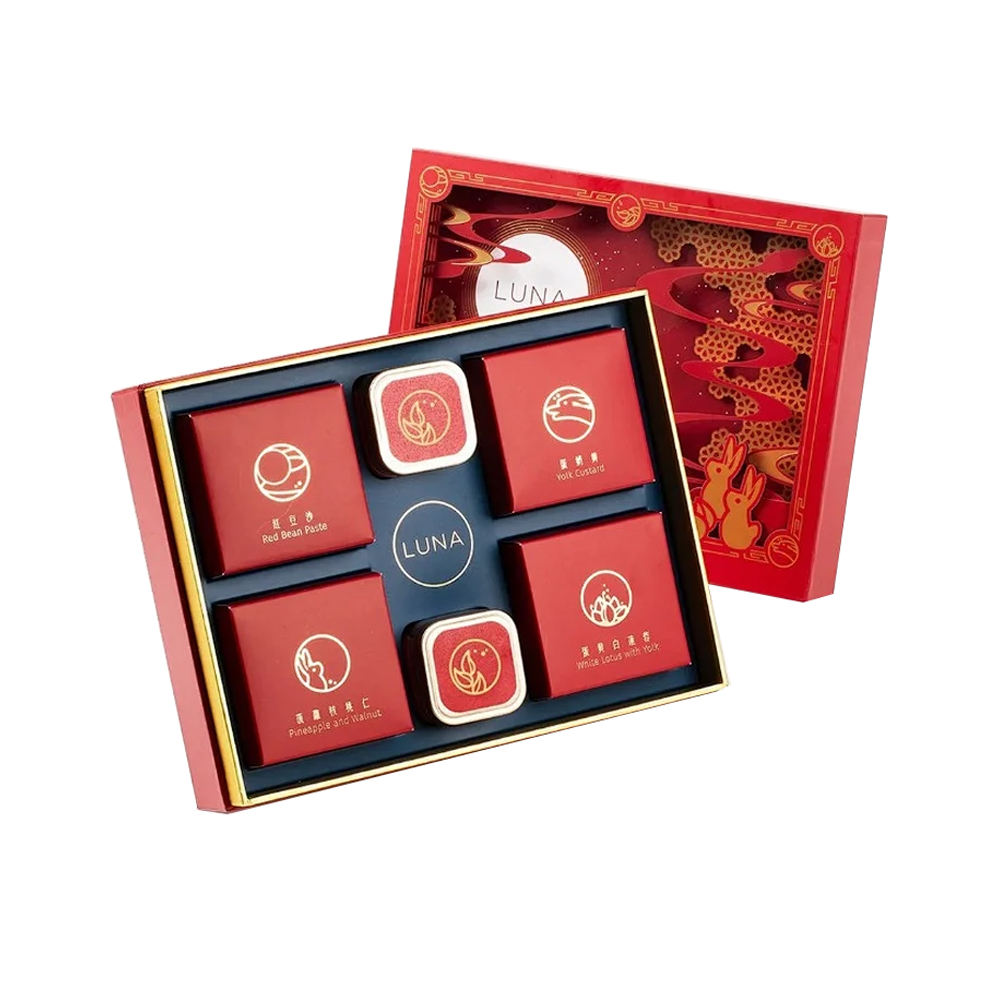
Sustainable packaging only works when it protects the product properly. Cookies can crack, crumble, or lose their visual appeal if they move too much inside the box. A box that is too loose may look wasteful, while one that is too tight can damage the product during packing. Internal spacing, folding lines, lid design, and closure strength all matter.
For assorted cookies, a divider or fitted paper insert may help separate flavors and reduce movement. For individually wrapped cookies, a simple carton can provide enough structure while keeping the design clean. For larger gift sets, a rigid-style construction may offer a more substantial presentation. The right answer depends on the product rather than on a single packaging trend.
Fuliter’s stated production capabilities include printing, die-cutting, automated gluing, sample development, and mass production. Those steps are connected. A structural drawing should be checked through a prototype before a large run begins. A sample can reveal whether the lid closes smoothly, whether the corners hold their shape, and whether the printed artwork sits correctly after folding.
Quality Details Customers Can Feel
A box may look attractive on a screen but feel very different in person. Consistent color, clean edges, accurate dimensions, and secure glue points influence the customer’s impression. Fuliter says its quality process includes checks for size, color, and surface craftsmanship. For cookie brands, those checks can help keep every shipment consistent, especially when packaging is used across multiple retail locations.
Starting Small Without Losing the Concept
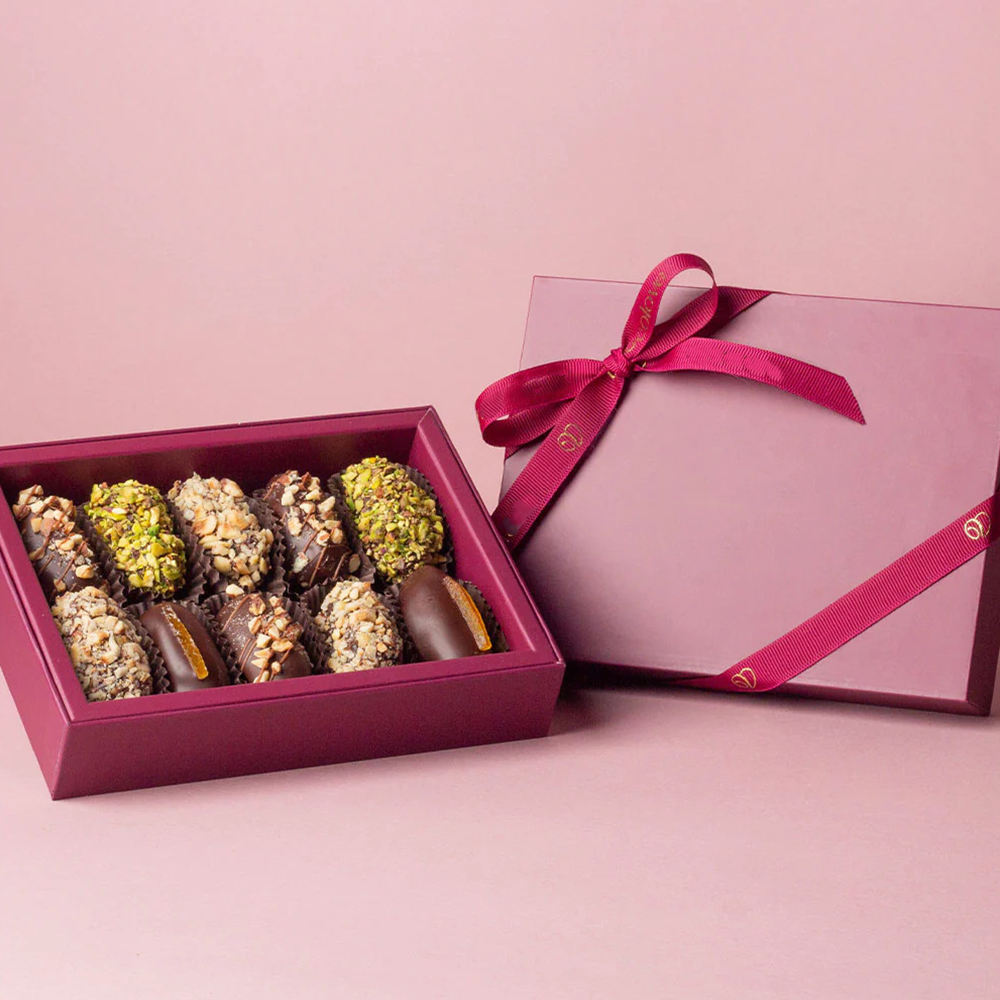
New cookie businesses often test a flavor, seasonal collection, or subscription offer before committing to a large volume. Packaging should allow that experimentation. A sample or smaller production run can help a brand evaluate the structure, print quality, customer response, and packing speed before scaling up.
Fuliter states that it supports both sample production and mass production, with flexible capacity for different order sizes. That approach can be useful for brands moving through several stages. A local bakery may begin with a modest run for weekend sales. Later, the same packaging system may be adjusted for wholesale orders, corporate gifting, or an online store. Keeping the brand language consistent helps customers recognize the product as it grows.
A production conversation should cover dimensions, material, printing method, finish, order quantity, packing method, delivery destination, and timing. It is also worth asking how artwork should be supplied and which details may affect cost. Clear information at the beginning usually prevents avoidable changes later.
Choosing a Manufacturing Partner
A packaging supplier is not only responsible for printing a design. The supplier should understand how the box will be filled, stored, shipped, displayed, and opened. Fuliter positions itself as an OEM and ODM paper packaging factory with design, production, quality control, and logistics support in one process. For a buyer, a single coordinated workflow may make communication easier and reduce the need to manage several separate vendors.
From Environmental Goal to Production Decision
Sustainable packaging works best when it is built into the project from the start. Instead of adding an eco claim after the design is finished, a brand can ask practical questions early:
- Can the box use a simpler material?
- Can the dimensions be reduced?
- Is a plastic component necessary?
- Can the printed area be optimized?
- Can the package be recycled or reused in the target market?
Fuliter says it uses recyclable and biodegradable raw materials and follows green production practices. The website also refers to FSC, CE, and RoHS certifications, as well as supplier reports from organizations such as SGS and FSC and support for inspection documentation. Buyers should still request the specific documents, material specifications, and applicable food-contact information for their own project. Requirements can vary by product, destination, and intended use.
This practical approach keeps sustainability connected to product safety, performance, and compliance. It also makes the brand message more credible. Customers are more likely to trust a clear explanation of the material and disposal route than a vague promise printed on the front of a box.
A Better Brief for Your Next Cookie Box
When requesting a quotation, prepare the cookie dimensions, total pieces per box, preferred paper type, artwork, target order quantity, and delivery location. Add photos or sketches if the product has an unusual shape. If the package is for gifting, mention the occasion and desired price position. If it is for retail shelves, include display and stacking requirements.
A supplier can then recommend a structure that balances appearance, protection, cost, and environmental goals. The most successful custom cookie boxes are not created by choosing the most elaborate option. They come from making the right choices for the product and the people who will receive it.
Custom Cookie Boxes Embrace Eco-Friendly Design by bringing together practical protection, distinctive branding, and more thoughtful material choices. From kraft paper and recyclable boards to CAD-supported structures and carefully tested prototypes, each decision can improve the customer experience while reducing unnecessary packaging.
Brands should focus on the real needs of their cookies, sales channel, and target market rather than copying a one-size-fits-all trend. With an experienced paper box manufacturer such as Fuliter, businesses can explore design, sampling, production, quality control, and delivery as connected parts of one project.
The best result is packaging that looks good, travels safely, supports the brand story, and gives customers a clearer reason to value the box after the cookies are gone.
Custom Cookie Boxes can be made from kraft paper, cardboard, coated paper, premium paper, or other eco-friendly paper materials. Kraft paper is a popular choice for brands that want a natural and handmade look, while coated paper is suitable for bright colors and detailed printing. The best material depends on the cookie size, box structure, order quantity, and brand positioning.
Yes, Custom Cookie Boxes can be designed with recyclable or biodegradable paper materials and reduced packaging components. Brands can also choose practical box sizes to avoid unnecessary empty space and material waste. However, buyers should confirm the exact material specifications, certifications, and recycling requirements for their target market before production.
A well-designed box can help protect cookies from movement, pressure, and damage during handling and transportation. Dividers, paper inserts, secure closures, and correctly measured internal spaces can keep different cookie varieties organized. Before mass production, it is recommended to test a sample to check the box’s strength, fit, and opening design.
Yes, brands can customize the size, shape, color, artwork, printing, closure style, and surface finish of their cookie packaging. Options may include tuck flaps, windows, dividers, drawer-style structures, handles, and special shapes. Professional structural design support, including CAD-based design, can help ensure that the final box is both attractive and practical for production.
Many professional paper packaging manufacturers support sample orders, small production runs, and large-scale manufacturing. Starting with a sample allows a brand to review the material, printing quality, box structure, and packing process before placing a larger order. When requesting a quotation, customers should provide the box dimensions, cookie quantity, preferred material, artwork, order volume, and delivery location.
Post time: Nov-16-2026


