


Your product packaging is the first handshake meeting your customer. That’s not just some plain old box or bag. It’s a marketing device, a helper to build brand and that promise of good quality.
Meridian helps you make the right selection for your custom food bags. They’ll protect your product and they can generate sales. Check out our guide to learn the benefits. We will introduce you to the different bags, what materials you should choose, and how you can get in contact with the right manufacturers.
Investing in custom food bags is money well spent. They are best option for those who want to flourish their business. You will learn what custom food bags can do for you, and you'll see how to go about getting these benefits.
- Stand Out: Packaging is a cost-efficient way of getting your brand noticed in an overcrowded shelf. The custom food bags you use are vehicles which can be used to tell the tale of your company and interact with customers.
- Package Safety & Freshness: The most important role of packaging is to maintain food safety. Custom bags allow you to select materials that are designed for your product. They keep out moisture, oxygen and light. That means your food won’t spoil as easily.
- Consumer Convenience: A little features can get a big difference. You can have zippers that reseal, easy-tear spots, and transparent windows to help customers use your packages. Customers who are happy will buy again.
- Important Information Distribution: Your custom printed bags space can offer the perfect place to distribute the vital information. This information would encompass nutrition facts, ingredients and special labels like organic or non-GMO. You can also share your brand’s mission.
- The Increased Sense of Value: Attractive packaging creates the belief of a good product. A nice, sturdy bag can make customers feel they are getting more value. This can justify a higher price.
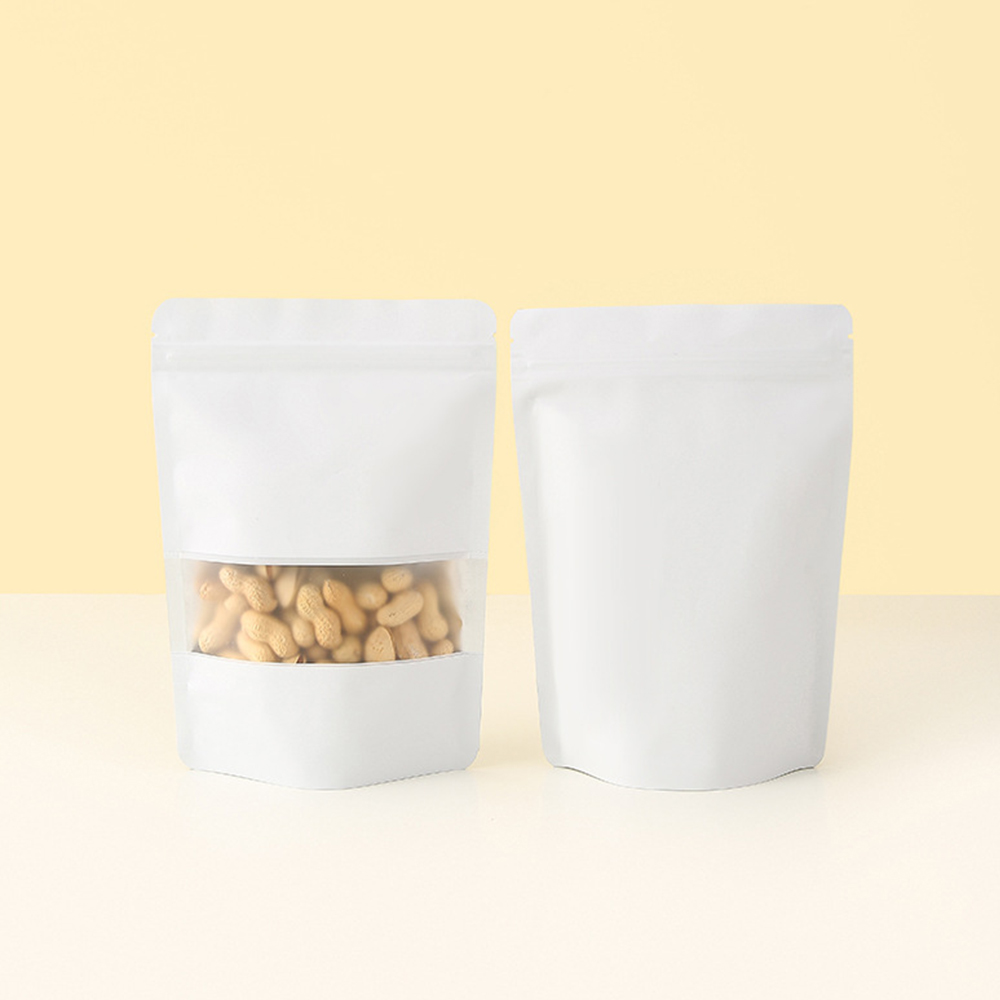
When it comes to flexible food packaging, there are a wide variety of options. Once you are familiar with the fundamental kinds, you will feel what kind of this should apply for your merchandise. Each model has its own set of features and benefits.
Stand-Up Pouches
These particular bags have a unique bottom part known as a gusset. It helps them to stand up neatly on store shelves. As a result, they are very visible to customers. Most stand-up pouches feature zippers that can be closed again. They are a popular choice for many custom-printed food packaging bags and pouches.
Best for: Granola, coffee, snacks, pet treats, and powders.
Lay-Flat Pouches (Pillow Pouches)
This is a time-honored choice, and often an inexpensive one. These are sealed on three or four sides pouches that lie flat. They're a fantastic option for hanging displays (especially if you punch hang hole).
Best for: Snack size servings, Beef jerky, spices and herbs Sample packs.
Side-Gusseted Bags
These gusseted bags have gussets on the left and right. As you fill the bag, the sides grow in girth. This results in a box shape that makes it perfect for larger things. They have more than other same-size pouches.
Best for: Bulk coffee beans, loose tea, flour and grains.
Paper Bags (SOS Bags, Tin-Tie Bags)
Paper is a classic that typically has eco-friendly vibes and a down-to-earth appeal. These bags can also contain a plastic liner to prevent any greasing. Most have a built-in tin-tie closure. That way users can roll down the top and close the bag once more.
Good for: Baked goods, sandwiches, fresh coffee, loose products.
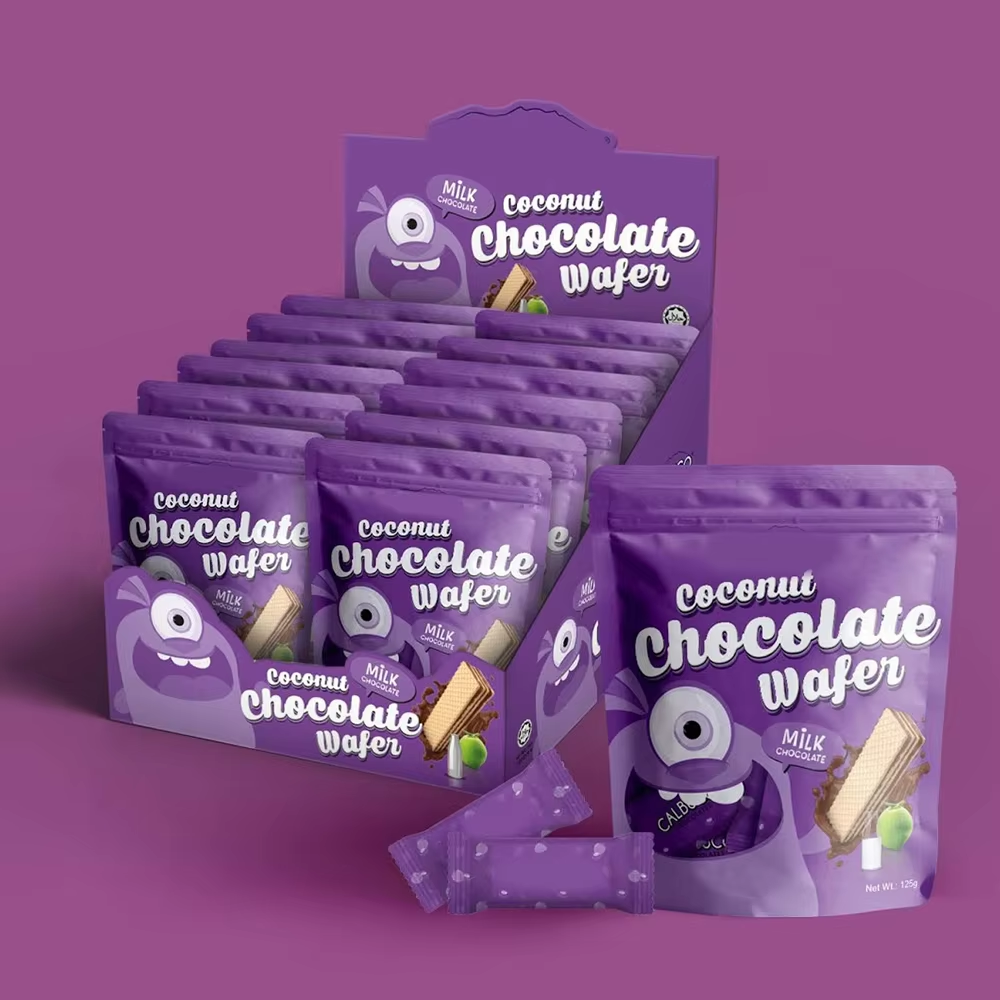
The great custom food bags design is up to your products. You have to select the material and features that will cater towards the unique requirements of your food. If you’re not sure, ask yourself a few fundamental questions to help narrow down your options.
What is your product?
Think about the nature of your food. Or is it a dry powder, as with flour? Is it a greasy snack, never mind chips? Is it liquid in nature, or does it have sharp edges like toffee? The responses will help inform you what material to choose.
What protection does it need?
Every food product has enemies. Snacks can taste stale; not all of the oxygen has been evacuated. Moisture can make powders clump. Light may break down nutrients and flavors. The bag you select has to offer the proper barrier to protect it.
How will it be displayed and used?
Is your bag going to be sitting on a shelf or hanging from a peg? Is the product used all at once, or is it consumed over time? A resealable zipper takes the cake for multiuse products. Picture Peg Hang Hole required formal hanging.
| Material | Key Properties | Best For... | Things to Think About |
| Kraft Paper | Natural look, good for printing, often recyclable. | Bakery, dry goods, coffee. | Low protection unless lined with plastic or foil. |
| Polyethylene (PE) | Flexible, strong, excellent moisture barrier. | Frozen foods, bread, produce. | Does not block oxygen well. |
| Polypropylene (PP) | High clarity, resists chemicals and grease. | Candy, snacks, bakery items. | Can become brittle in cold temperatures. |
| Mylar (PET/MET PET) | Excellent oxygen, moisture, and light barrier. | Coffee, long shelf-life snacks, cannabis. | Higher cost, can be stiff. |
| Foil | The very best barrier against everything. | Medical items, sensitive powders, liquids. | Most expensive option, not see-through. |
Essential Feature Checklist
By adding the correct features you are guaranteed to make your bespoke food bags easier for consumers.
- Zippers You Can Close Again: These are a necessity for any product that is not single-use.
- Easy-Tear Spots: Small cuts that help the bag to open cleanly.
- Valves: One-way valves allow gases to escape. This is necessary for fresh-roasted coffee, which releases CO2.
- Windows: A transparent window lets customers see the quality of the product inside.
- Hang Holes: A round or hat-style hole for hanging on retail displays.
- Finishes: A matte finish gives a modern, premium feel. A gloss finish makes colors pop. Some suppliers offer food pouches with full-color printing and metallic sheens for unique branding.
Packaging needs can be very different depending on the product. For instance, candy packaging is not the same as pet food packaging. You can get great ideas by looking at solutions by industry.
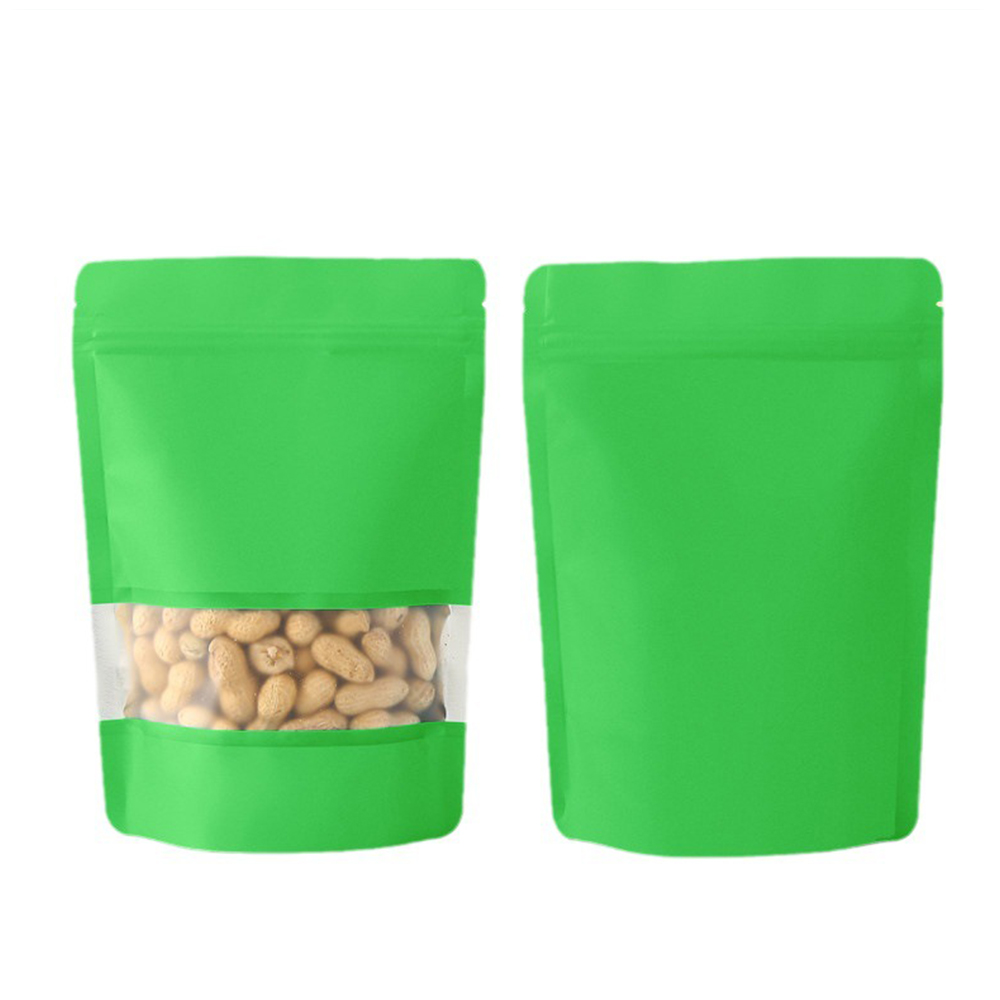
Your first order for custom food bags might make you feel overwhelmed. Here’s a brief overview, based on our experience in the industry.
- Talk & Get a Quote Step one is to talk with a supplier. Be prepared to share details about what type of bag you need, how big it should be, any material ideas and how many bags you’ll need. You should also have a vague vision of what you want your art piece to look like. This is their time to teach you about MOQs.
- Design & Template The factory will provide you a template. This should be a flat outline of your bag. This is what your designer will use to position your artwork properly. You should also humanize the design and include your logo, product name, net weight, and any legally required information.
- Checking & Approval You will receive a digital proof (a PDF showing your final artwork). Some vendors may even provide a physical proof. Be sure to look at everything: colors, spelling, placement. This is your last chance to catch any mistakes.
- Making the Bags the When you sign off on the proofs, production begins on your bags. This means printing your design on big rolls of film. The various components forming the layers are finally bonded together. The last step is the cutting and shaping of your completed personalized food bags.
- Quality Check & Shipping Trustworthy suppliers check quality during production. They search for print errors and flawed seals. So after they clear inspection, your bags are packed and sent on their way. You also want to know about delivery and shipping on-time, off-time, etc. 8.
This journey is all part of creating a custom solution designed precisely for your brand.
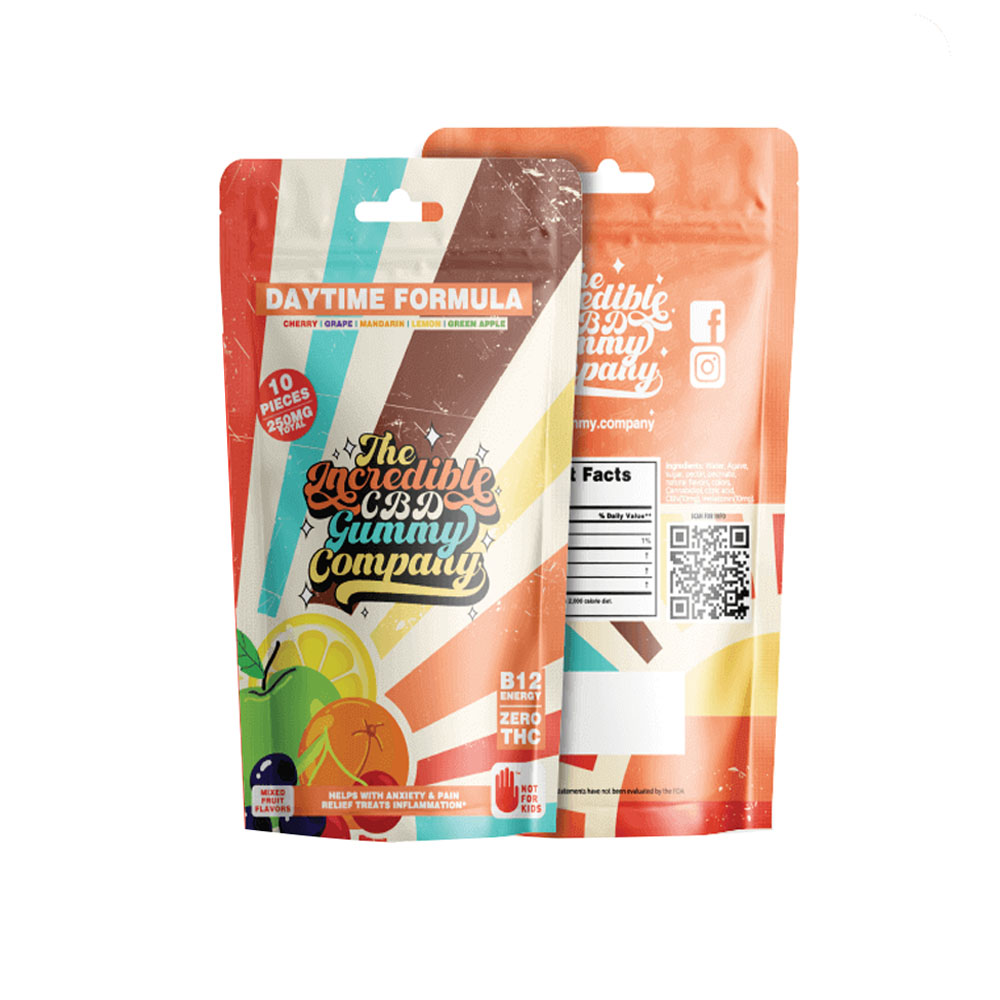
A good design is not only visually attractive; it’s also the ideal sales pitch. Here are a few tips so you can know what makes effective packaging.
- Know Your Audience: If the personality of your brand is vibrant and quirky? Or is it serious and luxe? The choice of your design ought to mirror the world around your clients.
- Clarity is Key: A shopper should know what your product is in three seconds or less. A clear product name and image are vital. Don't make them guess.
- Words Matter: Use words that can be read easily. They should also be reflective of your brand’s personality. A health food brand could use a clean, uncluttered font; a candy brand might go for one that’s fun and bold.
- Color Emotions: Colors generate emotions. Green can be associated with health and the environment. Red can create excitement. Observe the bags of your competitors and chose colors that make you visible.
- Use Visual Order: guide your customers’ eyes. What is key should be at the top. Normally that’s your brand name, the product name and then a key benefit.
- Plan for the Future: Consider your future products. Would this look work with other flavors or new product lines? Consistency is the root of a strong brand over time.
Picking the right partner is as important — maybe even more so — as choosing the perfect bag. A good supplier can be an invaluable guide.
- Look For Their Expertise: Are they well versed in the rules of food safety? Ask them if they have ever worked with something like yours. These skills can save you from decision errors that could be very expensive.
- Request Samples: Do not buy in quantity until you've seen their work. Request that the company send you samples of various materials how to make a tote bag and bags they’ve printed so that you can feel their quality for yourself.
- Discover the Talk & Support: Are their people friendly? Do they deliver clear and prompt answers? Great support is important every step of the way.
- Check Their Abilities: Make sure they can provide the exact materials, features, and print quality you need for your custom food bags. A good starting point is to explore the portfolio of experts such as Fuliter.
Pre printed food bags are a formidable investment in the growth and success of your brand. They keep your goods safe, bring in customers and help you tell your own distinctive story.
That’s right, you can make packaging that is stunning when you define your needs, select the right material, concentrate on a dynamic design and work with a professional. You’ve just learned how to support your product’s sell in on the shelf.
This differs widely among different suppliers and printing techniques. With digital printing, low MOQs are frequently achievable as little as a few hundred bags. This can be particularly useful for small businesses or new products. Offset printing typically has a minimum print run requirement of thousands, but the price per bag is lower with higher volumes.
Yes, provided you source them from a reliable vendor. They are required to be made of food-grade materials approved by the FDA. The inks also have to be both food-safe and toxic free. Always ask a new supplier to show their food safety certificates.
Lead times between 2-10 weeks. It will vary depending on the complexity of your bag, the printing technique and how busy the supplier is. A common schedule is 1-2 weeks for design and sample approval, 1-2 weeks for production of your order, and 2-3 weeks on the water.
Most suppliers will provide a free digital proof (in PDF format) for approval prior to printing. Many can also make a single physical prototype of your precise bag for a fee. We suggest this if you need to ensure everything is obsess-worthy before full-scale production starts.
Digital printing is similar to a highly advanced form of a home computer printer. This is ideal for short orders, multi-color designs and fast turnaround times since there are no plate setup charges. Plate printing (flexographic or rotogravure, for example) requires a physical plate for each color. The initial costs are slightly more expensive, but it is his lowest price per bag on very large orders and he can do absolutely perfect color matching.
Post time: Feb-05-2026


