


In the food industry, packaging is more than just a container. It is often the first thing customers notice before they taste the product. Whether you sell chocolates, cookies, bakery products, snacks, frozen foods, or specialty treats, the right packaging can make a real difference in how people view your brand. This is where custom food boxes come into play. They help food businesses protect their products, create a recognizable brand image, and deliver a better customer experience.
For wholesalers, retailers, restaurants, and growing food brands, choosing the right packaging supplier is an important business decision. You need boxes that look attractive, meet practical requirements, and fit your budget. Wholesale packaging also needs to support consistent production and reliable delivery. In this guide, we will explore how to choose, design, and purchase packaging that helps your food business stand out in a competitive market.
Good packaging can influence a customer's buying decision before they even see the product inside. A well-designed box creates a professional appearance and gives customers a reason to remember your business.
Build a Strong Brand Identity
Your packaging should tell customers something about your brand. Colors, logos, typography, and graphics all work together to create a consistent visual identity. For example, a handmade bakery might choose warm colors and simple illustrations, while a premium chocolate company may prefer elegant finishes and minimal designs.
With custom food boxes, businesses can use packaging to communicate their brand personality. Instead of relying on plain containers, you can create a unique appearance that customers recognize on store shelves.
Improve Customer Experience
Packaging is also part of the overall product experience. Customers appreciate boxes that are easy to open, convenient to carry, and attractive enough for gifting. A carefully designed package makes the product feel more valuable.
Small details can make a big difference. A secure closure, neat product arrangement, and attractive interior printing can turn an ordinary purchase into a memorable experience.
Stand Out in a Competitive Market
Food brands often sell similar products at comparable prices. Packaging gives businesses another way to differentiate themselves. A distinctive box can attract attention, communicate quality, and encourage customers to choose your product over competing options.
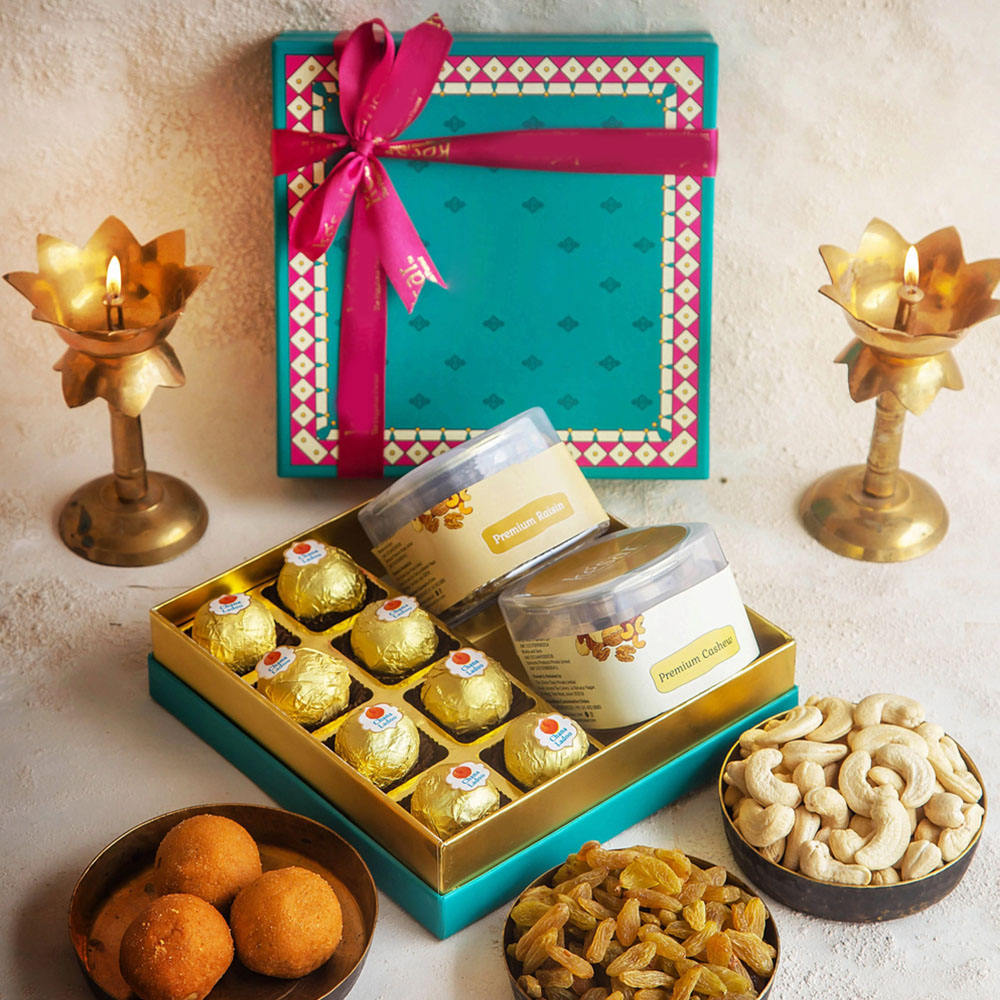
Material selection is one of the most important parts of packaging development. Different food products have different requirements, so the material should match the product's weight, storage conditions, and intended use.
Kraft Paper for Natural Packaging
Kraft paper is a popular option for bakeries, organic food brands, and businesses that prefer a simple, natural appearance. Its earthy color creates a clean and approachable look.
Kraft packaging can also be printed with custom logos, product information, and brand graphics. Depending on the application, businesses can choose different thicknesses and protective coatings to improve performance.
Cardboard for Everyday Food Packaging
Cardboard is widely used because it offers a practical balance between strength, flexibility, and cost. It works well for cookies, pastries, snacks, confectionery, and many other packaged food products.
Different board grades are available for different packaging needs. Lightweight cardboard may be suitable for small bakery items, while thicker paperboard can provide additional support for heavier products.
Rigid Materials for Premium Products
If your business sells luxury chocolates, gift assortments, or premium food collections, rigid boxes may be worth considering. They provide a solid structure and create a more sophisticated presentation.
Although rigid packaging usually costs more than standard folding cartons, it can help brands position their products as premium gifts. The right choice depends on your selling price, target customers, and packaging budget.
Food Safety Should Always Come First
Appearance is important, but food safety should never be overlooked. Materials that come into direct contact with food should be suitable for the intended application and comply with relevant food-contact regulations.
Depending on the product, you may need grease-resistant paper, moisture barriers, or an appropriate food-contact lining. Always confirm material specifications with your packaging supplier before placing a large order.
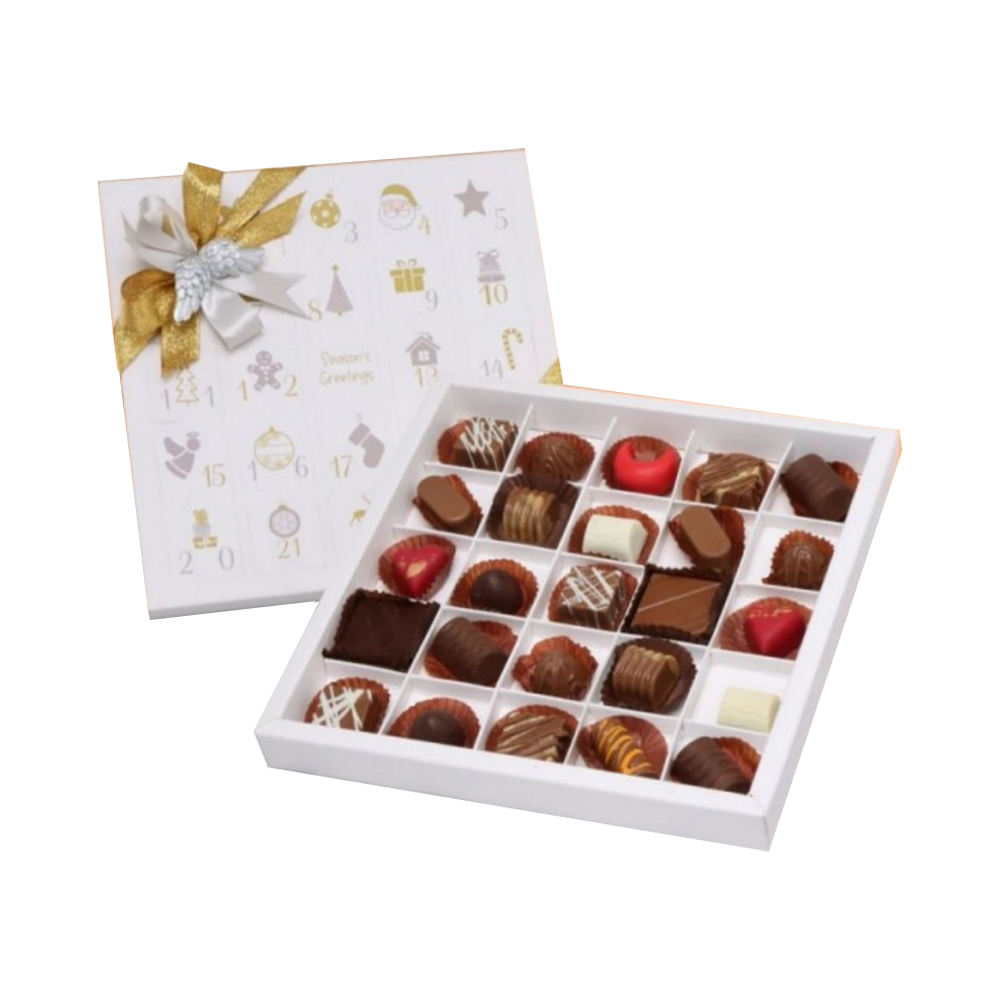
A good packaging design needs to balance visual appeal and practical performance. It should look attractive while making important product information easy to understand.
Use Brand Colors Consistently
Colors help customers recognize your products. If your business already has a logo and brand color palette, use those elements throughout your packaging.
For example, green and brown can support a natural food brand, while black and gold may create a premium appearance. Bright colors can work well for candies, children's snacks, and seasonal products.
The key is consistency. When customers see similar colors and design elements across different products, your brand becomes easier to recognize.
Add Clear and Attractive Product Information
Customers want to know what they are buying. Packaging can display product names, ingredients, allergen information, net weight, storage instructions, and other required details.
For retail products, clear information makes shopping easier. For gift packaging, a short brand message or product description can make the presentation feel more personal.
Make sure all mandatory labeling follows the regulations in your target market. Good design should never make important information difficult to read.
Explore Custom Printing and Finishing
Printing techniques can help transform a basic box into an attractive marketing tool. Depending on your budget and design goals, you can consider:
- Full-color printing for detailed brand graphics.
- Gold or silver foil stamping for a premium look.
- Embossing and debossing for textured details.
- Matte lamination for a smooth, modern appearance.
- Gloss finishing to highlight selected design elements.
You do not need to use every finishing technique. Sometimes a clean logo, attractive color combination, and simple layout are enough to create an impressive package.
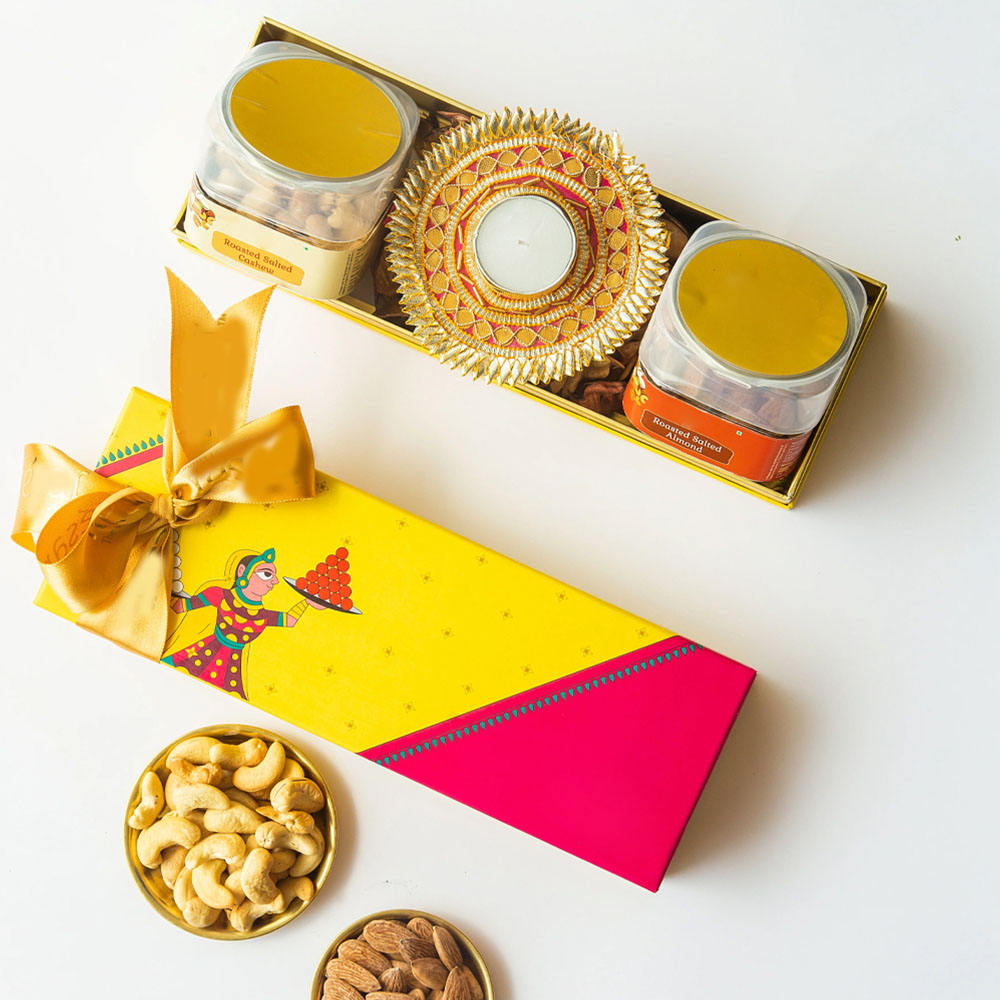
Not every food product needs the same type of packaging. A box designed for cookies may not work well for a cake, chocolate assortment, or takeaway meal. Understanding the product is the first step toward choosing an effective packaging solution.
Bakery and Dessert Packaging
Bakeries often need packaging for cupcakes, cookies, muffins, pastries, and cakes. These products can be delicate, so the box should provide enough space and structural support.
Window boxes are especially useful because customers can see the baked goods without opening the package. Inserts and dividers can also help prevent products from moving during transportation.
Chocolate and Candy Packaging
Chocolate packaging needs to balance presentation and protection. Chocolates can melt, lose their shape, or become damaged if they are not packed properly.
Custom inserts help keep individual pieces organized, while suitable inner packaging can provide an additional protective layer. For premium chocolate brands, decorative printing and foil details can make the box more attractive for gifting.
Takeaway and Ready-to-Eat Food Packaging
Restaurants and takeaway businesses need packaging that is convenient, secure, and suitable for the food being served. Boxes should be designed around portion sizes and expected transportation conditions.
For greasy or moist foods, the appropriate grease-resistant or moisture-resistant material is important. Ventilation may also be necessary for certain hot foods to reduce condensation and help maintain product quality.
Specialty and Seasonal Food Packaging
Seasonal products create opportunities for limited-edition packaging. Christmas cookies, Valentine's chocolates, Halloween candies, and holiday gift assortments can all benefit from themed designs.
Businesses can update colors, illustrations, and promotional messages without changing their entire packaging structure. This makes seasonal packaging a useful way to attract attention and encourage repeat purchases.
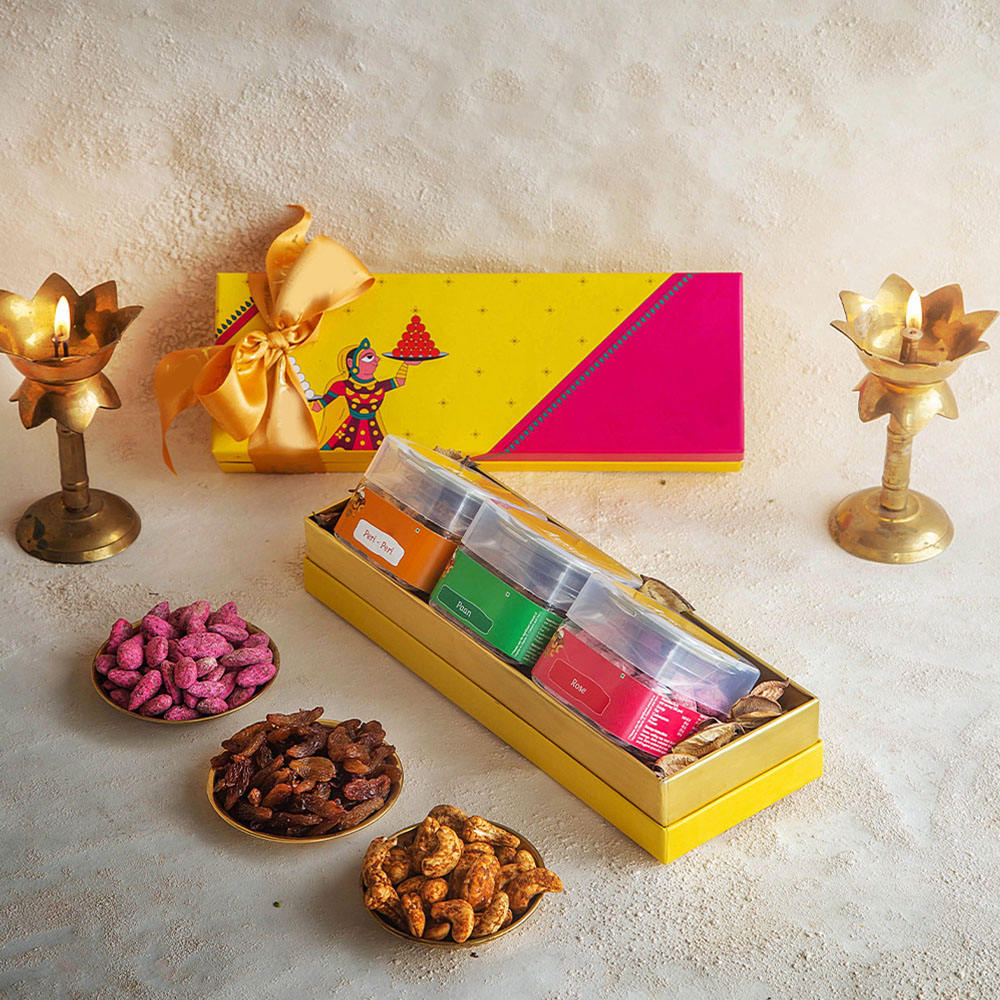
Wholesale purchasing can help food businesses reduce packaging costs and maintain a stable supply. However, choosing a supplier based only on the lowest price can lead to unnecessary problems.
Understand Minimum Order Quantities
Most custom packaging manufacturers have a minimum order quantity, often called MOQ. The MOQ may depend on box dimensions, printing requirements, materials, and production methods.
Before requesting a quotation, estimate your monthly packaging demand. If you are launching a new product, starting with a smaller order may reduce inventory pressure. Once sales become more predictable, larger wholesale orders may offer better unit pricing.
Compare More Than the Unit Price
A low quotation does not always mean the best deal. You should also consider printing quality, material thickness, production consistency, shipping fees, and packaging performance.
Ask suppliers to explain what is included in the quotation. Check whether printing plates, tooling, samples, packaging, and delivery costs are included or charged separately.
Request Samples Before Mass Production
Samples allow you to check the actual packaging before committing to a large order. You can evaluate the dimensions, folding structure, color accuracy, material quality, and overall appearance.
It is also a good idea to test the box with your real food product. Check whether the product fits properly and whether the packaging remains secure during normal handling.
Check Production and Delivery Times
Wholesale buyers need dependable production schedules. Delays can affect product launches, seasonal promotions, and daily business operations.
Ask your supplier about sample approval, production lead times, shipping methods, and estimated delivery dates. If you are preparing for a major holiday, place your order early enough to allow time for unexpected delays.
Sustainability has become an important consideration for many food brands. Customers are paying more attention to packaging waste, material choices, and the environmental practices of the companies they support.
Choose Responsible Paper-Based Materials
Paperboard and kraft paper are popular choices for businesses looking for paper-based packaging solutions. Depending on their coatings, inks, and construction, some paper boxes may also be suitable for established recycling systems.
Businesses can explore responsibly sourced paper materials and ask suppliers about available certifications. However, avoid making broad environmental claims without supporting documentation.
Reduce Unnecessary Packaging Waste
A simple packaging structure can often do the job better than an oversized box with excessive inserts. Choosing the correct dimensions helps reduce unused space and may also improve transportation efficiency.
For wholesale orders, even small improvements in box dimensions can make a difference when multiplied across thousands of units.
Consider Recyclability and Food Protection Together
Sustainable packaging must still protect food effectively. Removing protective materials without considering the product's needs could lead to damaged goods, food waste, and additional costs.
The best solution is to find a practical balance between product protection, material efficiency, and end-of-life disposal. Ask your supplier about coatings, laminations, adhesives, and recycling compatibility before making a final decision.
Prepare for Changing Customer Expectations
Packaging preferences continue to evolve. Many customers appreciate clean designs, convenient opening features, responsible material choices, and useful product information.
Brands that regularly review their packaging can respond more effectively to changing market expectations. Working with an experienced wholesale supplier also makes it easier to explore new structures, printing options, and material improvements.
Custom food boxes are specially designed packaging solutions made to fit different food products, such as cookies, chocolates, cakes, snacks, and bakery items. They can be customized with different sizes, materials, printing designs, logos, and finishes to match a brand's identity.
Common materials include kraft paper, cardboard, paperboard, and rigid board. Kraft paper is popular for its natural appearance, while cardboard offers a practical balance of strength and affordability. Rigid boxes are ideal for premium food gifts and luxury chocolate packaging.
Yes! Most professional packaging manufacturers offer wholesale custom printing services. You can add your company logo, brand colors, product information, and unique graphics. Custom sizes, shapes, window designs, and special finishes are also available depending on your supplier's production capabilities.
Custom food boxes can be made with materials suitable for direct food contact. However, the materials, coatings, inks, and adhesives must meet the applicable food safety requirements. Always confirm food-contact compliance with your packaging manufacturer before ordering.
Custom food boxes help businesses create a consistent and recognizable brand identity. Attractive printing, premium finishes, practical structures, and thoughtful designs can improve product presentation and customer experience. They also make products more appealing on retail shelves and create a stronger impression when customers receive their orders.
Post time: Nov-24-2026


