


In the food industry, packaging is more than just a container. It is one of the first things customers notice when they pick up a product, browse a store shelf, or receive an online order. Whether you sell bakery products, chocolates, cookies, snacks, frozen foods, or specialty treats, the right packaging can make a real difference. This is where custom food boxes come in. They help food brands protect their products, create a recognizable appearance, and build stronger connections with customers.
For growing businesses, wholesale packaging is also a smart way to control costs while keeping product presentation consistent. Instead of relying on standard packaging that looks similar to everything else, brands can choose their own sizes, materials, colors, printing styles, and finishes. With a reliable packaging supplier, even small and medium-sized food companies can develop packaging that looks professional and supports long-term business growth.
Food packaging has to do several jobs at the same time. It needs to protect the product, provide useful information, and attract customers. A plain box might hold the food, but it may not communicate the quality or personality of your brand. Well-designed custom food boxes offer a more complete packaging solution.
Make Your Brand Easy to Recognize
Imagine a customer walking through a supermarket with dozens of similar products on the shelves. A unique packaging design can help your product catch their attention. Your logo, brand colors, product images, and typography all work together to create a visual identity.
Consistency is important here. When customers see the same design across different product sizes and packaging styles, they begin to recognize your brand more easily. This is particularly useful for food businesses that sell through supermarkets, bakeries, gift shops, and online stores.
Create a Better Customer Experience
Packaging also influences how customers feel about a product. A neatly printed box with a practical opening design can make the entire buying experience more enjoyable. For premium chocolates, handmade cookies, or holiday treats, attractive packaging can even make an ordinary purchase feel like a gift.
Support Different Food Categories
Not every food product needs the same packaging. A cupcake requires different protection from a chocolate bar or a box of macarons. Custom sizing and structural design allow businesses to create packaging that fits their products instead of forcing products into unsuitable standard boxes.
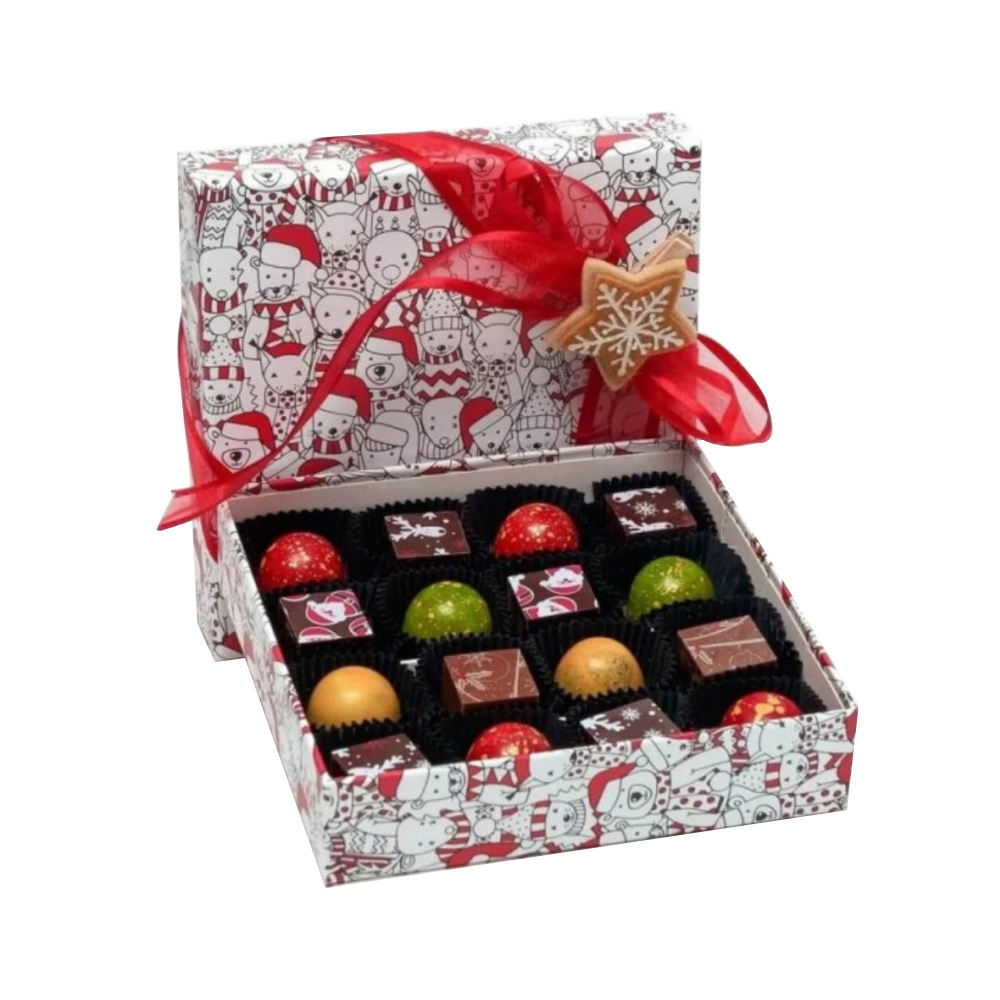
Material selection is one of the most important decisions when developing food packaging. The right material should match your product's weight, storage conditions, transportation requirements, and presentation goals. It should also meet the food-contact regulations that apply in your target market.
Kraft Paper for a Natural Appearance
Kraft paper is a popular choice among bakeries, organic food brands, and businesses that prefer a simple, natural look. Its earthy color creates a warm visual impression and works well with minimalist printing.
Brands can add custom logos, one-color artwork, or attractive labels to make kraft packaging more recognizable. Depending on the product and required protection, suitable food-contact liners or barriers may also be necessary.
Paperboard for Everyday Food Packaging
Paperboard offers a good balance between appearance, flexibility, and cost. It can be printed in different colors and converted into various box structures. This makes it suitable for cookies, confectionery, dry snacks, takeaway treats, and many retail food products.
Another advantage is its adaptability. Businesses can choose different thicknesses depending on the weight and fragility of their products.
Corrugated Paper for Shipping Protection
For brands that ship food products over long distances, corrugated packaging can provide additional strength. Its layered structure helps absorb pressure and reduce the risk of damage during transportation.
Corrugated boxes are especially useful for wholesale deliveries, subscription food products, and e-commerce orders. They can also be customized with branding to create a consistent appearance from the warehouse to the customer's doorstep.
Consider Food Safety First
Not all paper materials or printing finishes are automatically suitable for direct food contact. If food touches the inside of the box, the material and any coatings must meet the relevant food-contact requirements. For products containing oil, moisture, or grease, additional barrier properties may be necessary.
Working with an experienced supplier helps brands select materials based on the actual application rather than appearance alone.
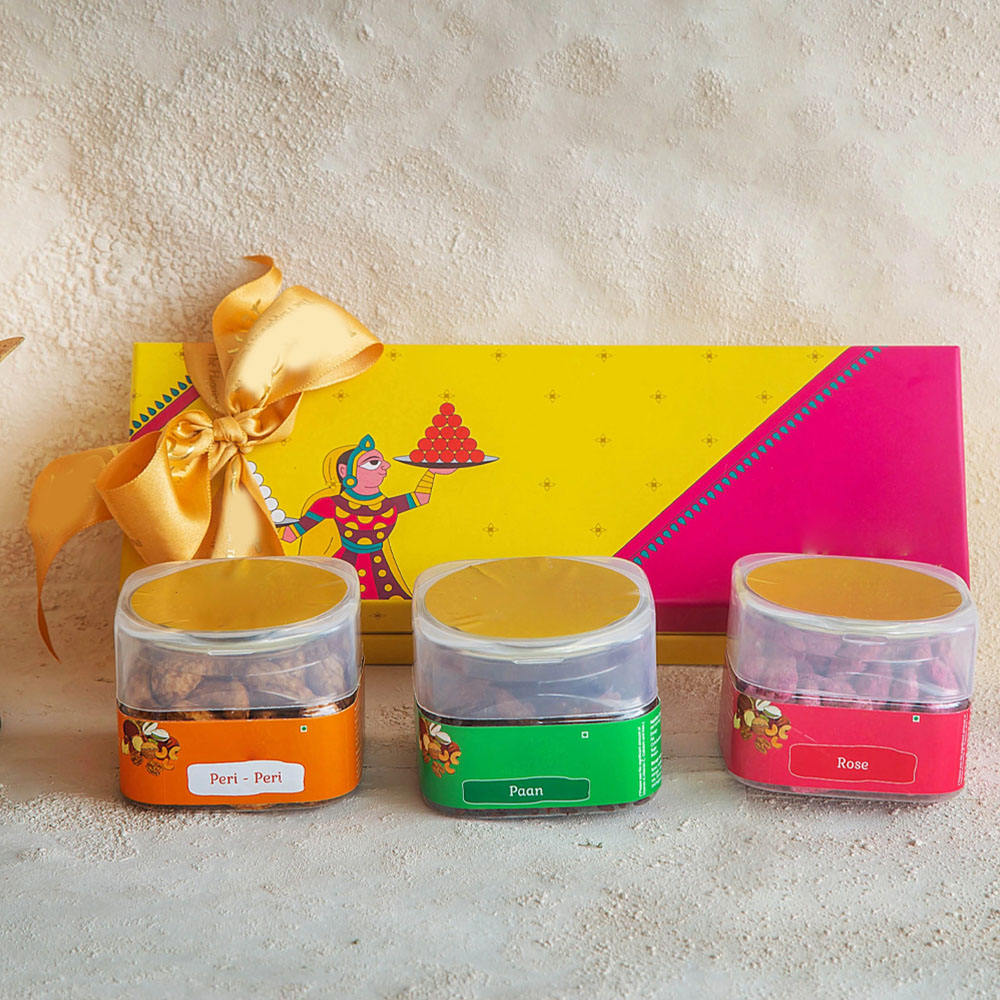
A good packaging design should look attractive, but it also needs to work in real business situations. Wholesale buyers often need packaging that fits different product lines, supports efficient packing, and keeps branding consistent.
Choose a Box Style That Fits Your Product
Different food products call for different structures. Some popular options include:
- Tuck-end boxes: Practical for cookies, snacks, and lightweight food products.
- Window boxes: Allow customers to see the product without opening the package.
- Lid-and-base boxes: Create a more premium presentation for chocolates and gift foods.
- Folding cartons: Offer convenient storage and efficient transportation.
- Corrugated shipping boxes: Provide additional protection for bulk deliveries.
The best option depends on the product's dimensions, weight, and handling requirements. For example, a window box can be a great choice for beautifully decorated cookies because customers can see the product before purchasing.
Make Your Packaging Stand Out with Printing
Printing is where your brand personality really comes to life. Full-color CMYK printing can reproduce detailed graphics, while Pantone colors help maintain more consistent brand colors across different packaging runs.
You can also add product photography, ingredient illustrations, promotional messages, or seasonal graphics. The key is to keep the design clear and easy to understand. Too many visual elements can make a box look crowded.
Add Finishing Details for a Premium Look
Special finishes can improve the appearance of packaging without requiring a completely different structure. Some popular choices include:
- Matte lamination for a smooth and understated appearance.
- Gloss lamination for brighter colors and a shiny surface.
- Gold or silver foil stamping for decorative accents.
- Embossing for raised logos and design elements.
- Spot UV for highlighting selected graphics.
These details work particularly well for premium chocolates, specialty desserts, festive treats, and food gift collections.
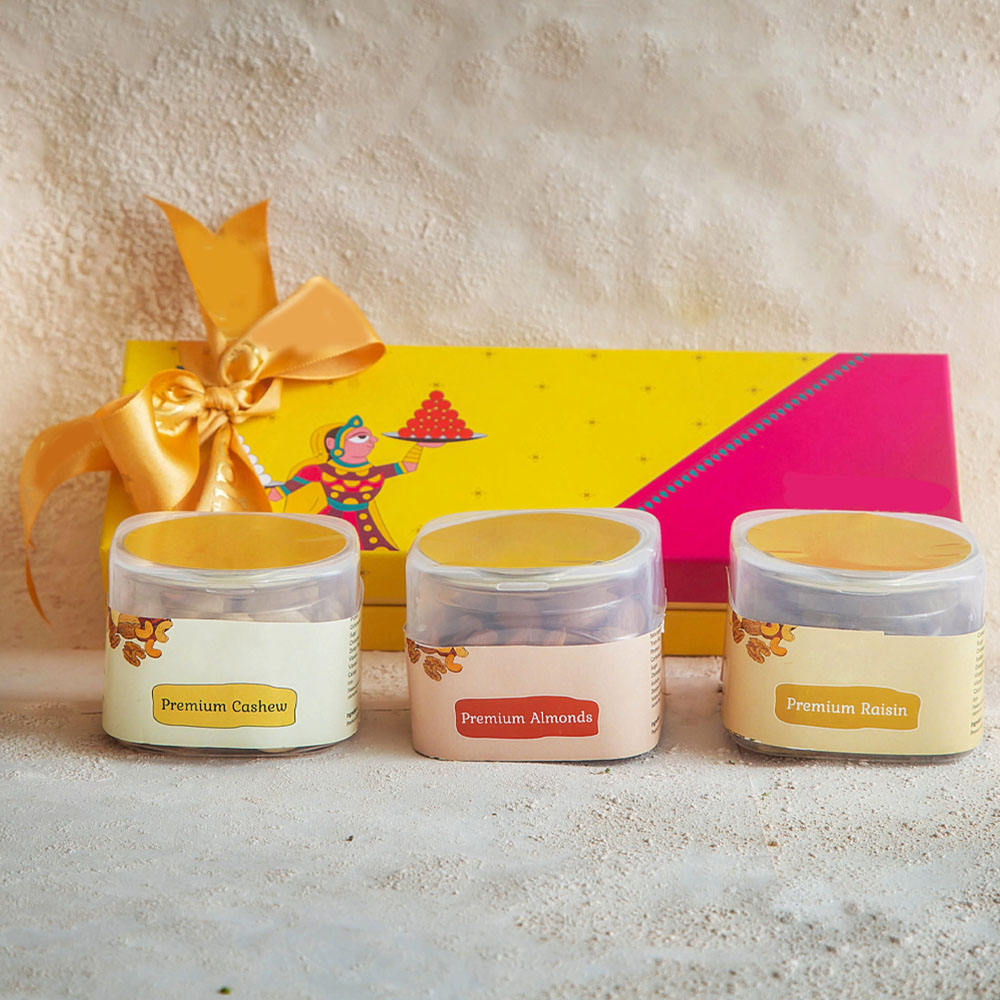
Packaging costs can become a major expense as a food business grows. Ordering boxes in small quantities may seem convenient at first, but the unit price is often higher. Wholesale purchasing gives brands an opportunity to improve purchasing efficiency and maintain a more stable supply.
Benefit from Better Bulk Pricing
When you order custom food boxes in larger quantities, production costs can often be distributed across more units. This may reduce the price per box, especially when the design and specifications remain consistent.
However, the cheapest quotation is not always the best choice. Buyers should compare material quality, printing methods, finishing options, packaging protection, and delivery costs before making a decision.
Keep Your Packaging Consistent
Using the same packaging supplier for regular orders can help maintain consistent colors, dimensions, and structural quality. This is important for brands selling through multiple stores or distribution channels.
A standardized packaging specification also makes repeat orders easier. Once the design has been approved, businesses can reuse the same artwork and technical details for future production.
Plan Inventory More Effectively
Wholesale packaging requires good inventory planning. Ordering too few boxes may lead to emergency purchases, while ordering too many can create storage problems.
A practical approach is to estimate monthly packaging demand, consider seasonal sales changes, and discuss production lead times with your supplier. For businesses selling Christmas cookies, Valentine's chocolates, or Ramadan gift foods, early planning is particularly important.
Work with a Reliable Wholesale Supplier
A professional supplier should be able to explain material options, provide samples, confirm printing specifications, and communicate realistic production schedules.
Before placing a large order, request a sample or prototype. Check the dimensions, folding structure, printing quality, and overall strength. This simple step can help avoid costly problems later.
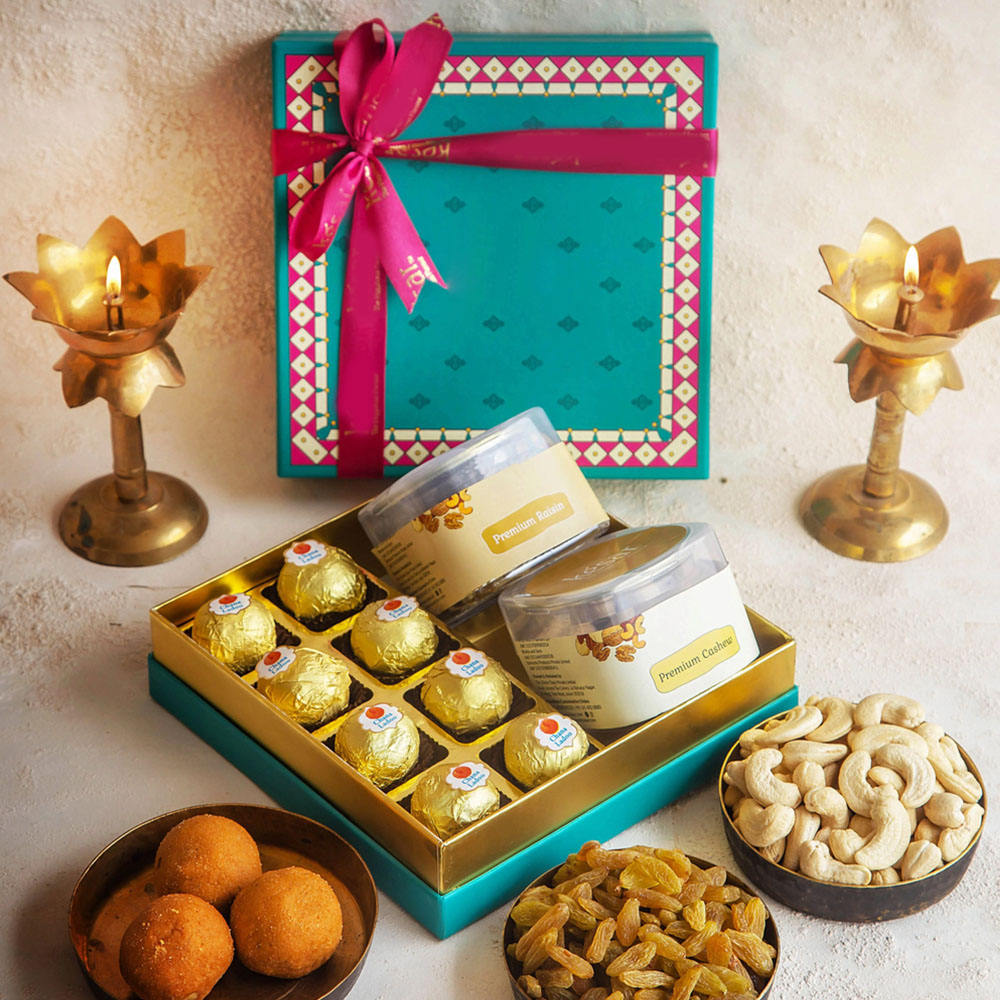
Sustainability is becoming an important consideration in food packaging. Many customers are paying closer attention to the materials used in the products they purchase, including the boxes and bags that come with them.
For food brands, choosing suitable paper-based packaging can be one practical way to improve their packaging strategy.
Explore Recyclable Paper Materials
Paperboard and kraft paper can be suitable options for brands looking to reduce their dependence on certain plastic packaging formats. However, actual recyclability depends on the material composition, coatings, inks, adhesives, and local recycling facilities.
If sustainability is part of your brand message, choose materials that support your claims and communicate their benefits accurately.
Reduce Unnecessary Packaging
A larger box is not always better. Oversized packaging can increase material consumption, shipping volume, and transportation costs.
Custom sizing helps brands create boxes that fit their products more closely. This can reduce empty space and may also improve storage and shipping efficiency.
For example, a cookie brand shipping a six-piece assortment can develop an insert that keeps each cookie in place without using excessive packaging material.
Consider Reusable and Recyclable Designs
Some premium food brands use rigid boxes that customers may reuse for storage or other purposes. Folding paperboard boxes, meanwhile, can offer a practical option for products that prioritize easy recycling.
The right choice depends on your product positioning and customer expectations. Sustainable packaging should not sacrifice food protection or product quality.
Build Trust Through Honest Communication
Avoid making broad environmental claims without supporting information. If your packaging uses recycled paper, certified materials, or recyclable components, make sure the claims are accurate and supported by relevant documentation.
Clear communication helps customers understand what makes your packaging different and builds greater confidence in your brand.
Packaging plays an important role in how customers see, handle, and remember food products. From selecting suitable paper materials to developing attractive printing designs, every packaging decision can influence product presentation and business performance.
For growing food brands, custom food boxes offer a flexible way to combine product protection, brand recognition, and wholesale purchasing efficiency. Whether you sell cookies, chocolates, bakery products, snacks, or specialty gifts, the right packaging can help your products stand out in a competitive market.
The best approach is to work with a dependable packaging manufacturer that understands your product requirements, offers flexible customization, and maintains consistent production quality. With thoughtful design, suitable materials, and careful wholesale planning, your packaging can become a valuable part of your brand strategy rather than just another business expense.
Custom food boxes are specially designed packaging solutions made to fit different food products, such as cookies, chocolates, bakery items, snacks, and desserts. They can be customized with different sizes, materials, colors, logos, and printing finishes to match your brand identity.
Common materials include kraft paper, paperboard, corrugated cardboard, and other food-contact-approved paper materials. The right choice depends on product weight, moisture resistance, grease protection, and packaging requirements.
Yes! Wholesale manufacturers offer bulk ordering options for businesses of different sizes. Ordering in larger quantities can help reduce the unit cost, maintain consistent packaging quality, and ensure a stable supply for your business.
Custom food boxes can be made with recyclable paperboard, kraft paper, and responsibly sourced materials. Businesses can also choose recyclable designs and reduce unnecessary packaging to support more sustainable packaging practices.
Absolutely! You can customize your food packaging with company logos, brand colors, product information, and promotional graphics. Finishing options such as matte lamination, gloss lamination, foil stamping, embossing, and spot UV can also create a more professional appearance.
Post time: Nov-24-2026


