


The food market is saturated and it’s really hard to rise above the surface. Your food can be delicious, but how do you post a bold mark of your own? The first eyesight is with the package.
Customized food boxes serve various purposes: they protect the item from mishandling, display your products to trade show attendees while keeping them safe and fresh, and even make your customers happy. This guide is designed to assist you with selecting materials and designing quality packaging. You will also find out how to order from start to finish.
Packaging is our thing. We know you can do it and are here to assist you through all the stages involved. You can visit Fuliter Paper Box to see all our works.
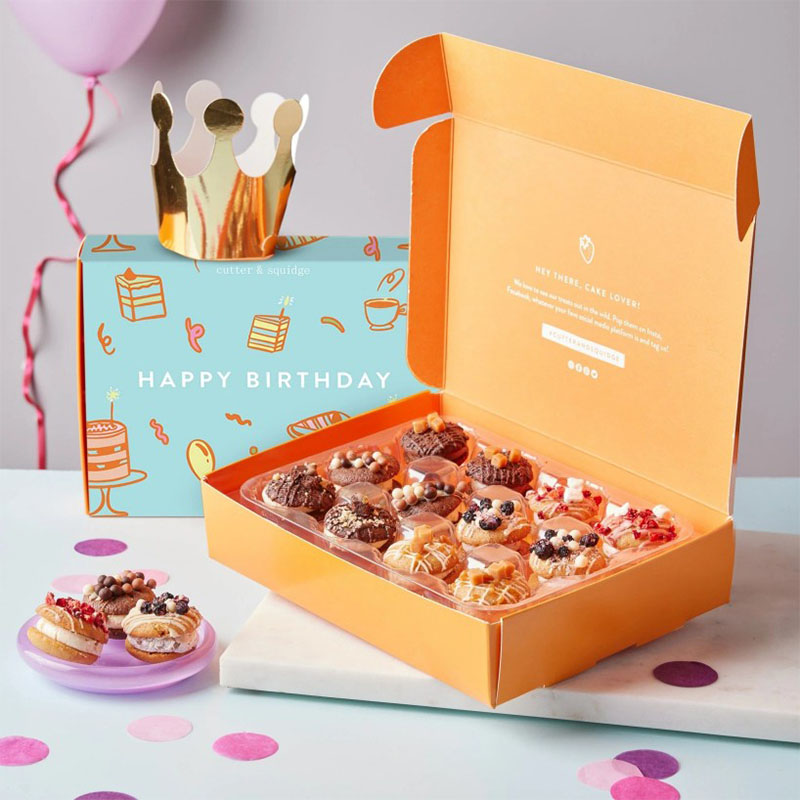
When you are buying our custom food boxes you don't get just a simple container. It’s a slick idea that gives your brand some edge. It also draws more customers in and keeps them happy. Let’s check the major advantages.
Create a Lasting Brand Identity
Your packaging is often the first thing that a customer physically interacts with from your brand and, as such, it’s literally a physical connection to your business.
Using your custom food boxes with the right branding leads to every order acting as a mobile advertisement for your company. Packaging experts recommend using branding opportunities to reinforce a strong visual identity. Your logo, colors, and style help people remember you long after they eat.
Improve Customer Unboxing Experience
A nicely made box feels special to open. It is the value of ‘unboxing experience’ that builds connections with people for your brand and make them feel good about. It makes them feel important.
Experts agree that smart packaging is the key to a great experience. It can greatly enhance the overall customer experience and foster brand loyalty. A simple box that is well-constructed can also improve your food aesthetics.
Preserve Product Quality and Freshness
No one wants to be eating from spilled or caved-in boxes. Custom cut boxes that are designed around your food item. This prevents any accidents, and also makes it look nice.
The safety of your food is also dictated by what you are eating from. The proper custom food boxes can be insulating. They keep food hot and cold on its way to your door.
Convey Your Values (i.e. Sustainability)
Your unboxing can narrate your brand’s belief statement. Using eco-friendly materials communicates to customers that your business values the environment.
And according to a 2021 study that found that 73% of consumers can be convinced to change their product or brand preference, brands working with eco-friendly packaging would likely see more customers. Utilizing eco-friendly custom food boxes sends a message of a quality business with strong values.
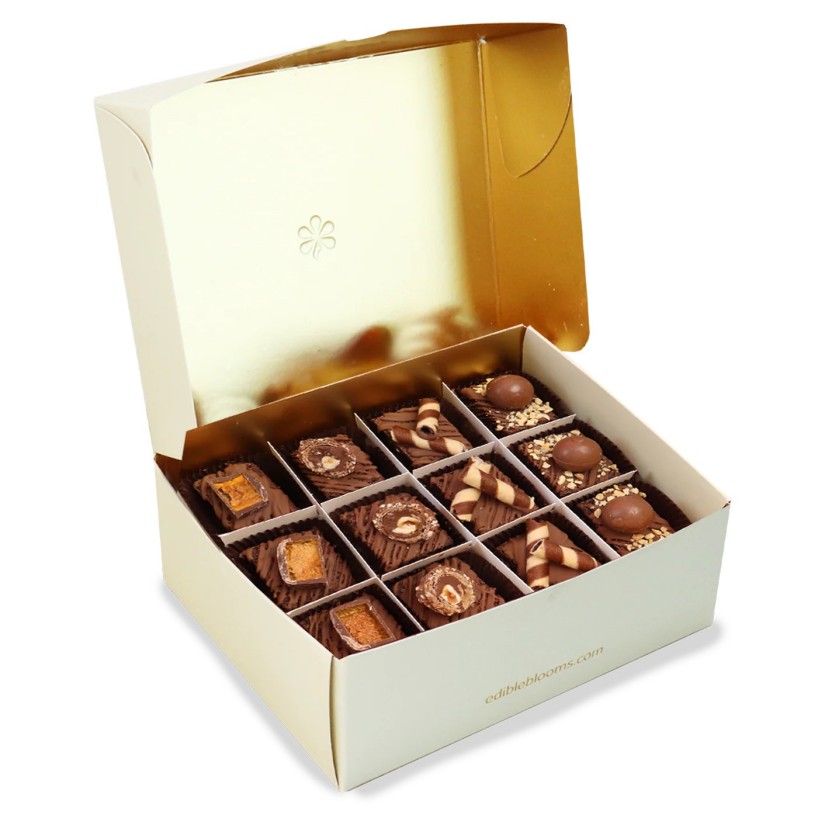
This is an early step in the selection process of finding the right custom printed food boxes for your product or snack. Packaging materials and styles affect food safety and the perception of the consumer. Here are some major ones.
Letting the Right Material Take Care of Your Food
The initial investment when it comes to selecting the appropriate material, is whether or not a product can be considered food-grade. It’s properly true that the material itself ought not to be toxic if the food product comes into direct touch with it. Once you figure that out, then it makes it easier to begin to have some choices.
| Material | Best For | Pros | Cons |
| Paperboard (SBS) | Light products like pastries, sandwiches, and takeout. | High-quality print surface, Soft, and Bright for vivid colors. | Not suitable for very heavy or greasy items without a coating. |
| Kraft Paper | Eco-friendly brands, cafes, and bakeries. | Natural, rustic look. Sturdy and hard to tear. Can be recycled. | Print colors can appear less bright than on white paperboard. |
| Corrugated Cardboard | Shipping, delivery, pizza, and heavy meal kits. | Great insulation and protection. Strong and stackable. | It consumes space more than paperboard. It can be too much for light products. |
| Sugarcane (Bagasse) | Hot and cold foods, bowls, and clamshells. | Not only are they eco-friendly and compostable, but they're also excellent for hot or oily foods. | They could have a higher price. The color is natural and limits some design choices. |
Most Wanted Styles of Custom Food Boxes
The box style affects how clients use the box and how it behaves. Specialized packaging for items such as momos or burgers is another option in addition to the many choices available.
Below are some of our best picks:
- Takeout Boxes (Clamshells): A one piece container that folds shut. Great for burgers, fries, and full meals. They are easy and fast for staff to fill.
- Gable Boxes: The handle makes it easy for kids to carry, and it is perfect for kids’ meals, bakery items, or gift sets.
- Pizza Boxes: The classic choice for a reason, this flat, square design is sturdy, stackable, and great for keeping pizzas hot during delivery.
- Bakery & Pastry Boxes: Constantly used with the top of the box made with a clear window. Customers can see the enticing delicacies that help to boost sales.
- Sleeve and Tray Boxes: With this two-piece style of a tray sliding into an outer sleeve, it gives a luxury feel. It creates a premium unboxing experience for items like chocolates or gourmet meals.
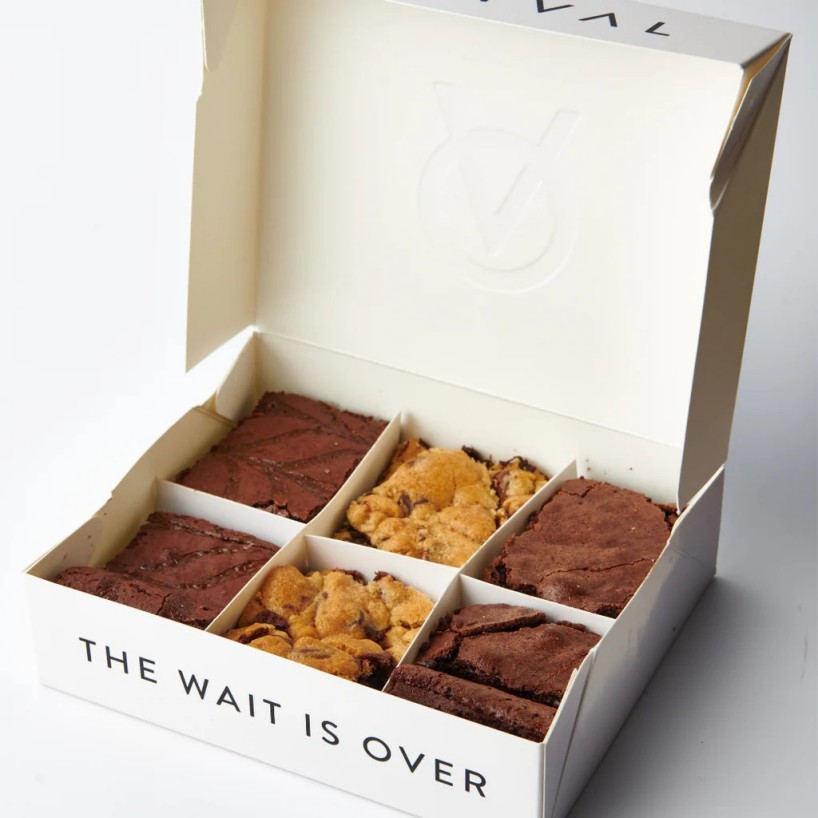
So, you are aware of the stuff and styles – but how do you move forward to make a choice? This concise plan is made to provide you know about best custom food boxes for your business. It turns a tough decision into clear and simple steps.
Step 1: Observe Your Product Requirements
Begin by writing down your food items you plan to store. First the box has to be practical, then it can be pretty.” Feel free to use this list to request what you are looking for.
- Temperature: Is the food hot, cold, or at room temperature? Hot foods may need vented boxes, and cold ones will be no-soggy materials.
- Grease/Moisture: Is there some saucy, oily or dressing (sauces) food? If you do find it there, get a box that has a special coating designed to stop both leaks and stains.
- Weight & Fragility: Are your products heavy (like a full lasagna) or very fragile (like macaroons)? Heavy items are going to want corrugated cardboard, while lighter ones can easily be handled by paperboard.
- Shape & Size: Weigh every portion. It should be a snug box so the food does not shift while in transit.
Step 2: Identify Your Brand & Customer Experience
Second, consider your branding message. Your brand’s personality should be reflected in your packaging.
- Brand Positioning: What type of restaurant or establishment are you? A luxury brand may opt for a matte sleeve and tray box, while an eco-cafe would go with a plain kraft paper box.
- Unboxing Goal: emotions do you want your customer to have when they open the box? Is it just a plain, quick design for fast service or is it an unforgettable experience that feels like opening a gift?
Step 3: Consider Your Workflow Processes
Finally, determine how the boxes will serve you in your daily routines.
- Storage: Do you have a small back space? Flat boxes, which ship and store flat, save a lot of space.
- Assembly: when your lunch or dinner rush is in full swing, you need your staff to be able to assemble boxes fast. Opt for styles that are simple and quick to put together.
- Delivery vs. Takeout: Will the box need to survive half an hour on a bike? Delivery boxes need to be sturdier and safer than basic takeout containers.
Product Needs and Solutions: Real-World Examples
A premium bakery could use the process to choose a paperboard window box to reveal their cakes. A delivery-focused ghost kitchen might require heavy-gauge, insulated corrugated custom food boxes to meet the required quality standards. Each sector has different requirements. Therefore, to understand the problem better, you can check by industry examples and observe how packaging is customized.
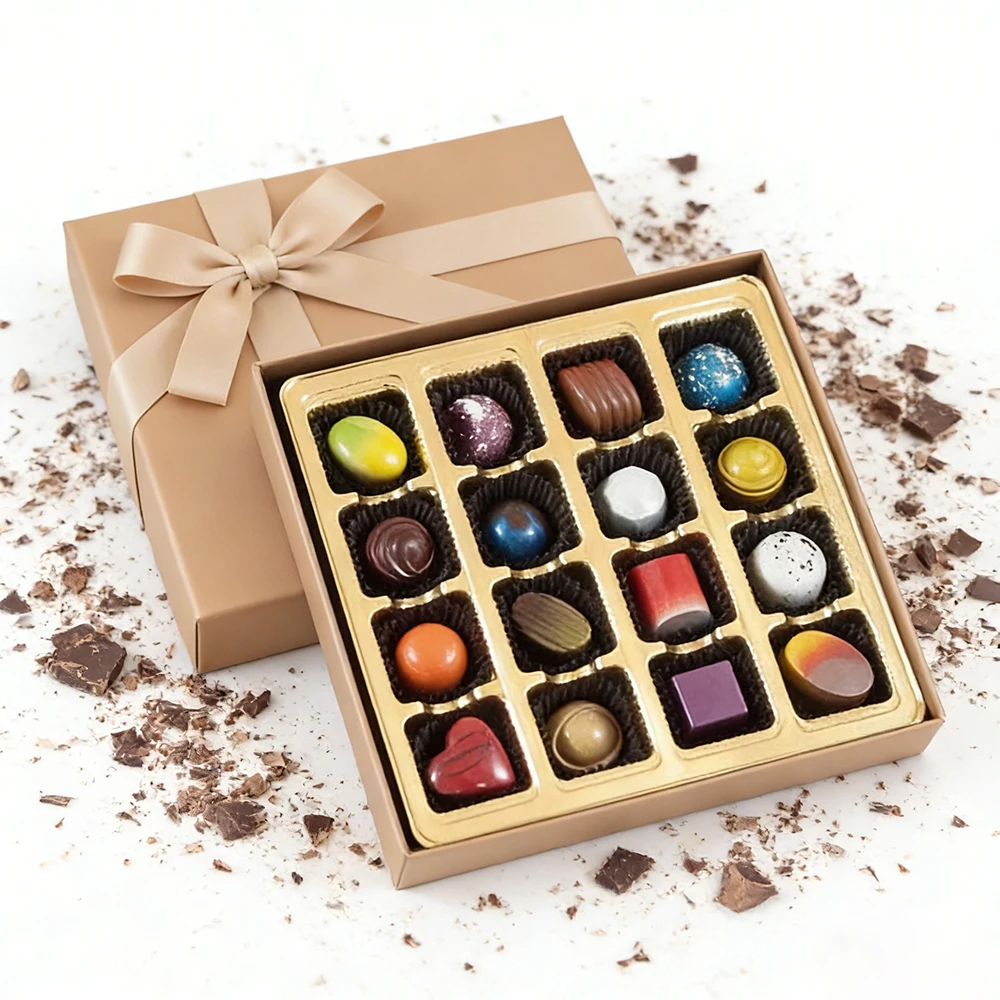
Custom packaging can seem tough to order but it doesn't have to. We will give you a behind-the-scenes view of the entire process. Moreover, you can book a spot on this amazing journey from an idea to the finished product.
Step 1: Determine Your Budget and Quantity
Initially, a clear quantity of boxes and budget should be set. Custom food boxes price-per-unit usually drops with an increase in the order size. Get to know the supplier's Minimum Order Quantity (MOQ), which is the smallest order they will accept.
Step 2: Write a Design Brief
A design brief is a short document that outlines the design you require your designer to follow. It is built to ensure that everyone is on the same page.
Be sure to include the following essentials:
- Your logo file (in a vector format such as .AI or .EPS).
- Your brand colors (specify Pantone or CMYK codes for greater accuracy).
- Textual Information, such as your webpage, phone number, or social media accounts.
- The style and mood you want (e.g., "modern and clean" or "rustic and handmade").
Step 3: Create the Dieline (The Blueprint)
A dieline is a 2D template that shows the flat, pre-assembled box with all of its edges and their dimensions, which are important in packaging design. It includes the cut and fold lines, and is typically provided by your packaging supplier. Your designer will then place your artwork on top of the dieline to ensure everything lines up properly when the box is assembled..
Step 4: Determine Printing and Finishes
This is where your concept comes to life. You will need to decide two major things.
- Printing Method:We use digital printing for it won’t cost too much if you don’t need many pieces, and it takes less time; Offset printing is for big orders and offers the most color matching.
- Finishes: A finish is a protective top coat applied to the surface of your design which also provides that extra pizzazz. Matte laminated for a high quality feel. Gloss lamination provides a shiny finish to make your colors stand out. Spot UV adds a shine to one part of the design, such as your logo.
Step 5: The Proofing and Production Process
Do not shortcut the proof blast. Your supplier is going to send over a digital proof (a PDF) for you to sign off on. But, Just look at it contains errors all the time, don't let it mislead you.
For a new design, we always recommend requesting a physical sample. This allows you to test the size, feel the material, and check the print quality in person. After your approval, the production will take place. Here is where the true custom solution comes into place as your digital design turns into a physical product with the hands you can hold it.
We really are getting into the weeds here. You have already observed the benefits that the custom food boxes offer and how they play a crucial role for your brand creation, product protection, and customer satisfaction. It is so much more than a way to get around.
Make sure to do it intelligently! First, pay attention to what your product needs. Then, clarify your brand identity and think about what you do day in and out. So, ta-dah! Here is this guide that establishes the structure and offers you a series of steps to make ordering custom printed food packaging as manageable as possible.
Do you want to make food packs with any kind of specifications? We are happy to chat to our experts about your vision.
This depends on the supplier and complexity of the box. For digital print, the minimum order could be as little as 50-100 or so. For offset printing — which allows a very cheap price per box for large orders — MOQ tend to start at 500–1000 units. Always confirm with your supplier.
Yes, if you work with a good supplier. They should be made from food grade paper and safe inks, for example soy based or water-based ones. Thats because the packaging is 100 percent safe. Always request evidence of your suppliers' food-grade certifications.
A die line is simply a flat, two dimensional (2D) drawing of your box showing all cut lines, fold lines, and gluing areas. This is sent to you either by your suppliers or perhaps you draw my design on. It ensures that everything prints and folds correctly. It is the very first blueprint you need for your custom box.
A standard time frame is around 2–4 weeks for turnaround from speccing to completion. This generally involves design and proofing (3–7 business days), production (7–10 business days), and shipping (3–7 business days). More intricate designs, special finishes, or very large orders may take additional time..
Absolutely. This is something that you would expect any reputable supplier to do. You'll usually receive a physical mock-up first.
Post time: Feb-02-2026


