


Artisan chocolate is never just about sweetness. It is about origin, craftsmanship, texture, aroma, and the emotional experience that begins long before the first bite. That is exactly why Custom Packaging Packaging plays such a critical role for artisan chocolate makers.
In today’s premium confectionery market, customers judge value within seconds. Before they taste your single-origin dark bar or handcrafted truffles, they notice the box, the paper, the finish, the structure, and the story printed on the surface. Packaging becomes your first handshake with the buyer.
For small-batch chocolate brands, elegant and functional packaging is not a luxury—it is part of the product itself. Whether you sell in boutiques, gift shops, hotel retail, online stores, or seasonal pop-ups, your packaging must communicate quality instantly while protecting delicate chocolate from damage, heat, and handling.
Artisan chocolate sits in a category where perception and presentation influence buying behavior almost as much as flavor.
Packaging Creates a Premium First Impression
A well-made chocolate box tells customers they are holding something special. Weight, texture, opening style, and print finish all shape how people feel about your brand. A rigid gift box with foil details creates a completely different emotional response than a plain folding carton.
When buyers are comparing premium chocolate products, packaging often becomes the deciding factor. In gifting especially, consumers are not only purchasing chocolate—they are purchasing presentation.
It Helps Your Product Stand Out on the Shelf
Chocolate is a competitive category. From bean-to-bar makers to luxury truffle houses, visual distinction matters. Strong Custom Packaging Packaging allows your product to attract attention without looking loud or overdesigned.
A refined box with clean typography, understated color, and tactile finishing can often communicate luxury more effectively than flashy packaging.
It Builds Brand Memory
The best packaging is memorable. People remember how a box opens, how it feels in hand, and whether it looked “gift-worthy.” For artisan makers, this matters because repeat business often comes from emotional recall.
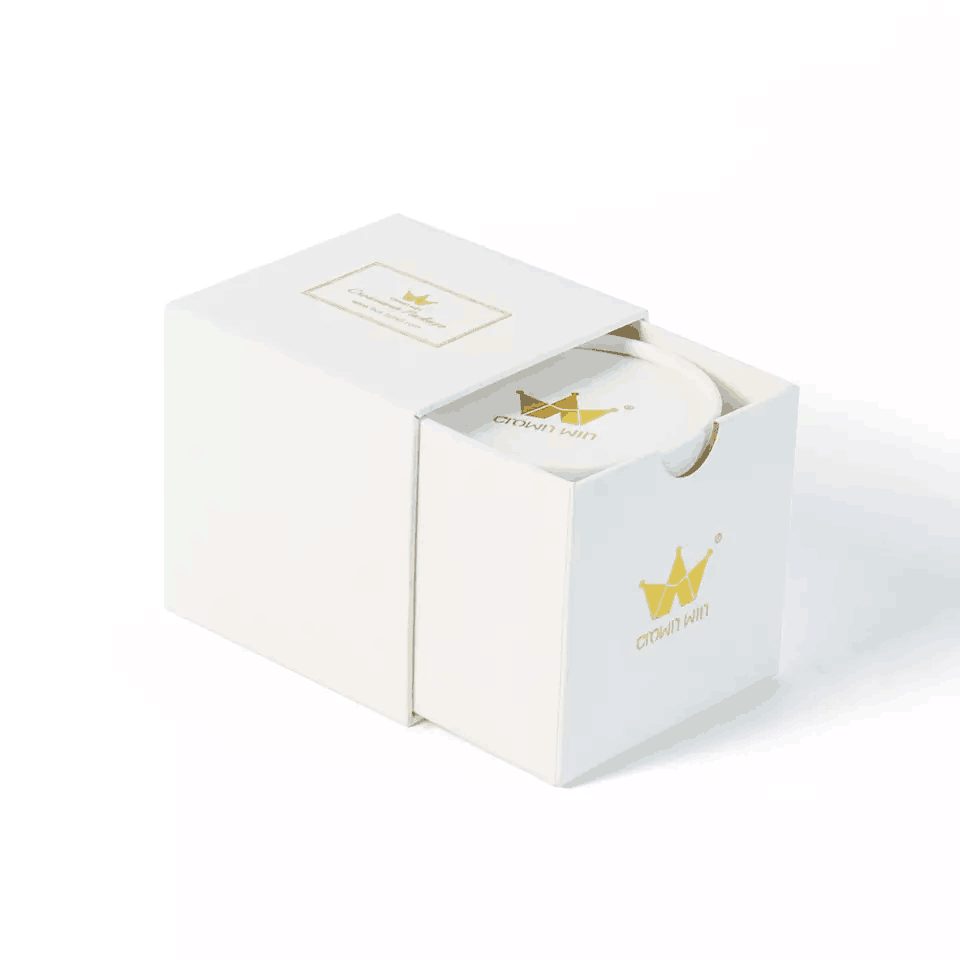
Premium chocolate buyers want more than ingredients. They want context. They want meaning. They want to know what makes your chocolate different.
Show the Origin of Your Cacao
Single-origin and ethically sourced chocolate are powerful selling points, but they must be communicated clearly. Packaging is the ideal place to present this story.
You can include:
- The cacao-growing region
- A small illustrated map
- Notes about climate and terroir
- Information about partner farms or cooperatives
This adds authenticity and gives customers a reason to connect emotionally with your brand.
Highlight the Craftsmanship
Artisan chocolate is handmade or produced in small batches for a reason. Your packaging should reflect the effort behind the bar or bonbon.
Use short but meaningful phrases such as:
- Stone-ground in small batches
- Slow-roasted for depth of flavor
- Hand-finished by artisans
- Carefully tempered for perfect texture
These details create trust and justify a premium price point.
Use Flavor Language to Build Anticipation
One of the smartest things an artisan chocolate brand can do is borrow from the language of wine and specialty coffee. Flavor descriptors help elevate the tasting experience before the product is even opened.
Examples include:
- Notes of dried fig, caramel, and toasted almond
- Bright citrus finish with floral cacao tones
- Rich cocoa body with hints of espresso and cherry
This transforms your packaging from a label into part of the sensory journey.
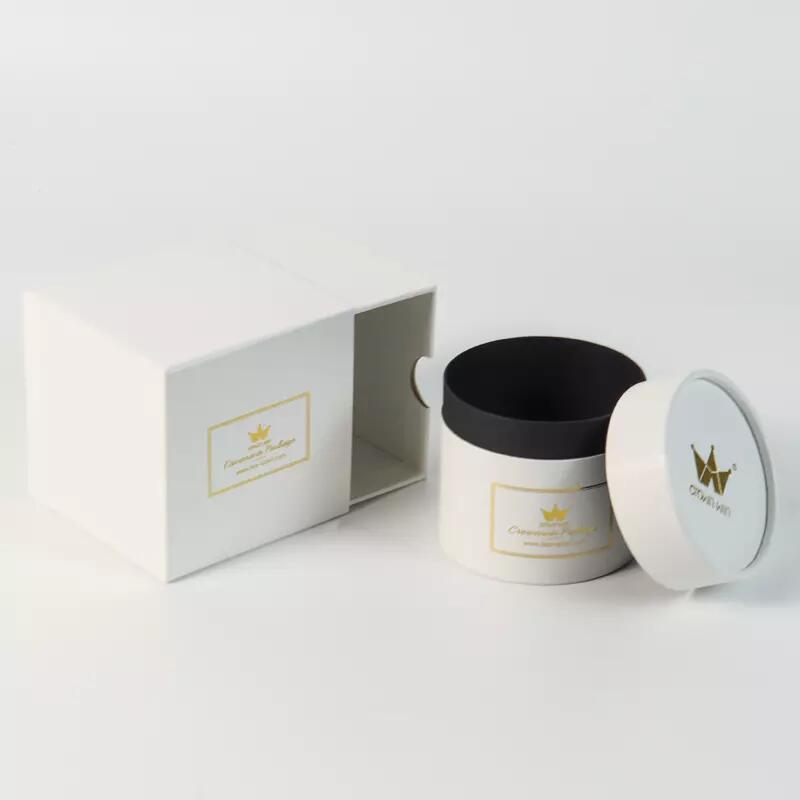
Luxury does not always mean expensive-looking. In artisan chocolate, the most effective packaging usually feels thoughtful, tactile, and restrained.
Choose Materials That Match Your Brand Positioning
The material is one of the first things customers notice, even before they consciously register it.
Popular options for premium chocolate packaging include:
Textured Paperboard
A textured outer wrap can instantly create a handcrafted, boutique feel. It works beautifully for single-origin bars and storytelling-focused collections.
Rigid Board Boxes
Rigid boxes are ideal for gift collections, bonbons, and elevated seasonal releases. They feel substantial in hand and are excellent for premium positioning.
Food-Safe Inner Wrapping
For chocolate bars, a protective inner layer is essential. Foil or specialty food-safe wraps help preserve freshness, aroma, and appearance.
Kraft and Eco Papers
For brands emphasizing sustainability and natural sourcing, kraft or FSC-style paper stocks create a warm, organic aesthetic while reinforcing eco values.
Use Finishing Techniques Strategically
Finishes can elevate a package dramatically—but only when used with restraint.
Good options include:
Foil Stamping
Perfect for logos, origin names, or small decorative accents. Gold, copper, or matte metallic foil can create a refined luxury effect.
Embossing and Debossing
Raised or recessed textures make the package feel crafted and tactile, especially for logos or signature patterns.
Soft-Touch Lamination
This finish creates a velvety surface that feels elegant and modern, especially for dark chocolate collections or gift-ready boxes.
Spot UV
When used sparingly, spot UV can add contrast and sophistication by highlighting selected design elements.
The key is balance. Premium packaging rarely needs too many effects. One or two thoughtful finishes often create a stronger result than a heavily decorated surface.
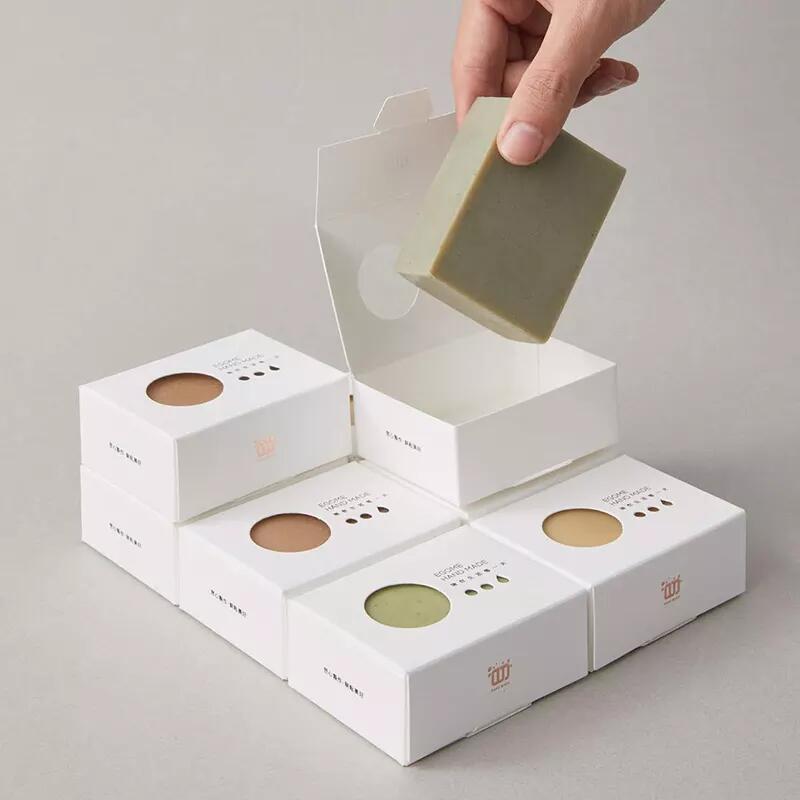
Not every chocolate product should use the same structure. The right format depends on how the product is sold, gifted, shipped, and displayed.
Chocolate Bar Packaging
Chocolate bars usually work best with a layered packaging approach.
Foil + Printed Outer Sleeve
This is a classic artisan format. The foil protects the chocolate, while the sleeve gives you space for branding, tasting notes, origin details, and legal information.
Wraparound Paper Bands
A simpler and often more sustainable option for limited runs or minimalist brands.
Drawer or Book-Style Bar Boxes
These are ideal for high-end tasting collections or gift-ready bar assortments.
Truffle and Bonbon Packaging
Delicate chocolates require both elegance and internal protection.
Rigid Lift-Off Lid Boxes
These create a luxury unboxing experience and are ideal for curated collections.
Insert Trays
Custom trays keep each bonbon or truffle in place, preventing movement and preserving presentation.
Window Boxes
If your chocolate decoration or hand-painted bonbons are visually striking, a tasteful window can increase appeal while maintaining structure.
Gift Set Packaging
Gift packaging should feel complete and ceremonial.
Magnetic Closure Boxes
These are excellent for premium holiday collections, corporate gifting, and brand collaborations.
Two-Piece Rigid Gift Boxes
Classic, timeless, and highly versatile for assorted chocolates.
Add-On Presentation Details
Ribbon pulls, tissue paper, branded cards, and thank-you inserts can make the unboxing experience feel intentional and elevated.
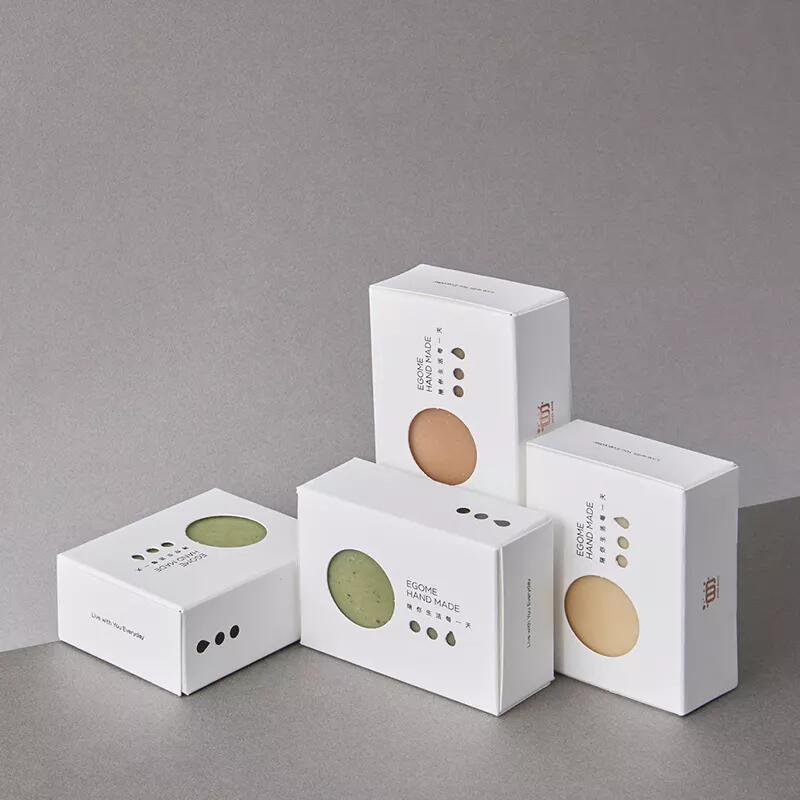
Today’s artisan chocolate customer is more informed and more selective than ever. Packaging must now satisfy emotional, practical, and ethical expectations all at once.
Sustainability Is No Longer Optional
Consumers increasingly care about what happens after the box is opened. If your packaging looks premium but feels wasteful, it may weaken brand trust.
Smart sustainable packaging choices include:
- Recyclable paper structures
- FSC-style or responsibly sourced paper
- Soy-based or low-impact inks
- Minimal plastic use
- Reusable rigid gift boxes
The goal is not simply to say “eco-friendly.” It is to make sustainable design feel natural, elegant, and aligned with your brand.
Functionality Still Matters
Beautiful packaging that fails during shipping or storage is a costly mistake. Chocolate is sensitive to pressure, heat, and movement, so your structure must do real work.
Important functional considerations include:
- Strong corners and reinforced walls
- Secure inserts for bonbons
- Proper bar fit to avoid movement
- Clean closure systems
- Outer cartons suitable for transport
Luxury and practicality should never be treated as opposites. The best Custom Packaging Packaging does both.
Customers Want Gift-Ready Experiences
A large share of premium chocolate purchases are gifts. That means your packaging should feel complete without requiring extra wrapping.
When your box already looks polished and celebratory, customers are more likely to purchase it for birthdays, weddings, holidays, events, and corporate gifting.
Artisan chocolate is a product built on detail. Packaging should reflect that same level of care.
The right Custom Packaging Packaging helps your brand tell a richer story, justify premium pricing, improve shelf presence, protect delicate products, and create a gift-worthy experience that customers remember. It is not an accessory to the chocolate. It is part of the experience people buy.
If you are building a premium chocolate brand, now is the time to treat packaging as a strategic asset—not an afterthought.
From elegant chocolate bar sleeves to rigid bonbon gift boxes and limited-edition seasonal collections, thoughtful packaging can help your product feel as exceptional on the outside as it tastes on the inside.
When craft matters, packaging should speak the same language.
Custom packaging is essential for artisan chocolate because it does more than protect the product—it helps communicate quality, craftsmanship, and brand identity. Premium chocolate buyers often make purchasing decisions based on presentation, especially when shopping for gifts or specialty food products. Well-designed packaging can highlight your cacao origin, flavor notes, handmade process, and brand story while creating a stronger emotional connection with customers.
The best packaging for artisan chocolate bars usually includes a food-safe inner wrap and a custom printed outer sleeve or box. This structure helps preserve freshness, protect the chocolate from light and handling, and provide enough space for branding and product information. Many premium brands also choose textured paper, foil stamping, or minimalist sleeve designs to create a more elevated shelf presence.
Good packaging can significantly improve sales by making your product look more premium, gift-ready, and memorable. In a competitive market, packaging often becomes the first reason a customer picks up your chocolate. Strong Custom Packaging Packaging can also support higher pricing by making the product feel more valuable. For online brands, beautiful packaging additionally enhances the unboxing experience, which can encourage repeat purchases and social sharing.
Yes, sustainable packaging is increasingly important in the artisan chocolate market. Many customers now expect premium brands to use recyclable, responsibly sourced, or low-waste packaging materials. Eco-friendly packaging does not mean sacrificing elegance. In fact, kraft paper, textured recycled board, soy-based inks, and reusable rigid boxes can all contribute to a refined and modern luxury image while reinforcing your brand values.
Yes, Fuliter can support artisan chocolate makers with customized packaging solutions for small-batch products, gift sets, limited editions, and seasonal launches. Whether you need rigid boxes for truffles, sleeves for single-origin bars, or premium presentation boxes for holiday collections, custom packaging can be tailored to your product size, brand style, and market positioning. This flexibility is especially useful for artisan brands that want packaging to feel exclusive and distinctive.
Post time: Apr-07-2026


