


Consumers Want Chocolate Bar Packaging That Is Better for the Planet
Chocolate is a small pleasure, but the packaging behind it can create a surprisingly large amount of waste. From plastic wrappers to multilayer films, traditional chocolate packaging often contains materials that are difficult to recycle. As more consumers pay attention to environmental issues, chocolate brands are under growing pressure to make better packaging choices.
The good news? Going green does not have to mean spending more money. With the right materials, smarter design, and a few practical changes, businesses can make their Chocolate Bar Packaging more sustainable without putting unnecessary pressure on their budgets.
Customers are not always looking for complicated eco-friendly solutions. Many simply want packaging that uses fewer resources, avoids unnecessary plastic, and can be recycled or composted where suitable facilities exist. Clear recycling instructions and honest environmental claims can also help build trust.
Why Sustainable Packaging Makes Business Sense
Eco-friendly packaging can do more than reduce waste. It can help brands stand out in a competitive market, improve their reputation, and attract shoppers who care about responsible purchasing.
For small chocolate makers, this is especially important. You do not need to redesign every product overnight. Starting with one wrapper, one box, or one packaging component makes the transition easier to manage.
Start With Your Current Packaging
Before buying new materials, take a close look at what you already use. Are your wrappers thicker than necessary? Do your boxes contain empty space? Are you using plastic inserts that serve little purpose?
Identifying these issues is often the easiest way to reduce both material consumption and costs. Sometimes, the greenest option is simply using less packaging.
Recycled Paper and Cardboard
Paper and cardboard are popular options for brands looking to improve their environmental performance. They work well for outer sleeves, product boxes, labels, and gift packaging. When sourced responsibly and designed for local recycling systems, these materials can offer a practical alternative to certain plastic components.
Recycled paperboard is worth considering because it can reduce demand for virgin materials. However, prices vary depending on thickness, quality, print requirements, and order volume. Ask suppliers to compare recycled and virgin grades with similar performance specifications before making a decision.
For many chocolate businesses, a simple cardboard sleeve around a suitable food-grade inner wrapper can provide an attractive appearance without requiring a completely new packaging format.
Explore Paper-Based Wrappers Carefully
Paper-based wrappers may also be an option for some chocolate products. Still, chocolate presents a particular challenge: it can melt, absorb unwanted odors, and lose quality when exposed to moisture, oxygen, or unsuitable storage conditions.
That means replacing plastic with paper is not always as simple as it sounds. Some paper packaging includes barrier coatings or plastic layers that affect its recyclability. Before switching, check the material composition and confirm that it provides enough protection for your product.
Compare Total Costs, Not Just Material Prices
A lower material price does not automatically mean lower overall costs. Consider printing, converting, transportation, storage, sealing performance, and possible product damage.
Request quotes from several suppliers and compare them using the same specifications. If an eco-friendly material works with your existing machinery, you may avoid expensive equipment changes.
Practical tip: Ask suppliers about standard material sizes and existing packaging formats. Choosing an option they already produce regularly may be more affordable than ordering a completely custom design.
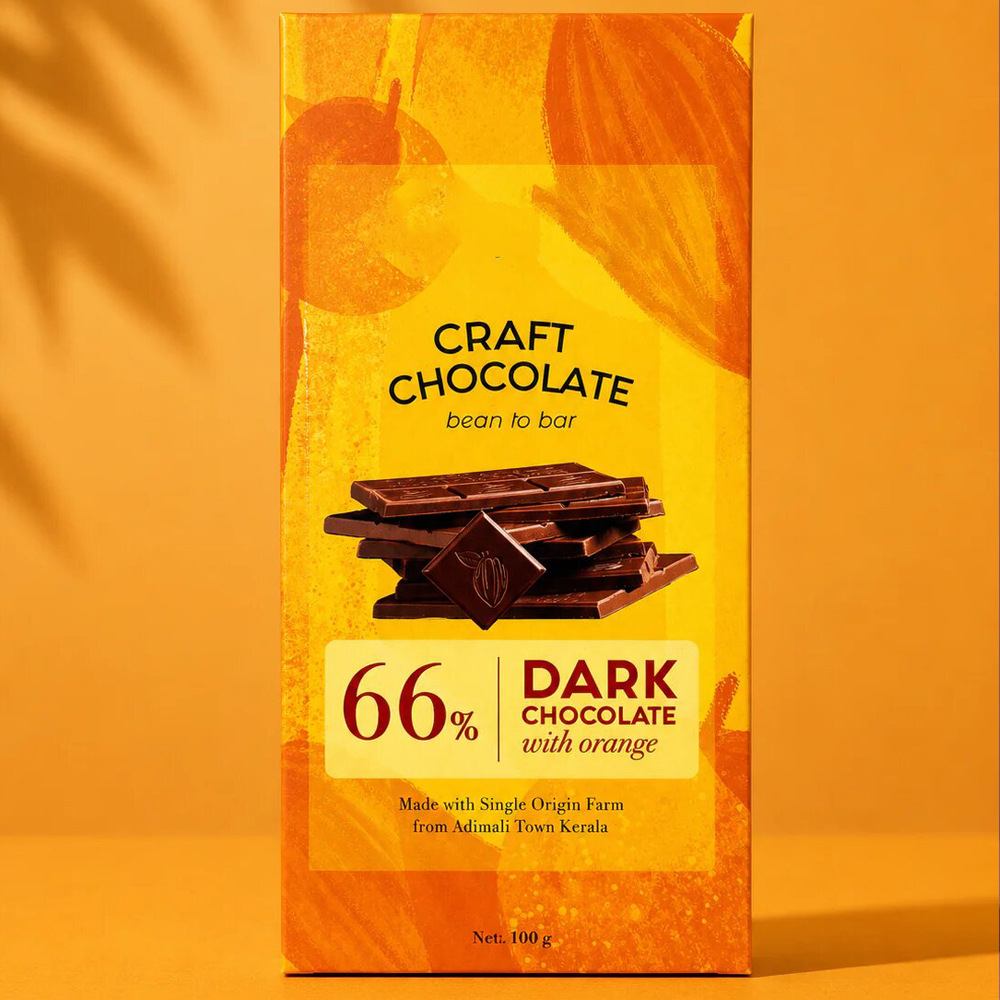
Use Less Material in Chocolate Bar Packaging
One of the most straightforward ways to lower packaging costs is to reduce the amount of material used per bar. A slightly smaller carton, thinner paperboard, or better-fitting wrapper can save resources across thousands of units.
Start by reviewing the dimensions of your chocolate bars and their outer packaging. If there is too much empty space, consider adjusting the box or sleeve size. Less material can mean lower purchasing costs, reduced shipping volume, and better use of warehouse space.
However, do not make packaging so thin that it tears easily or fails to protect the chocolate. Damaged products create waste, customer complaints, and replacement expenses. The goal is to remove unnecessary material while keeping the product safe.
Keep Packaging Design Simple
Complex packaging often comes with extra costs. Multiple layers, decorative inserts, oversized boxes, and elaborate finishes can increase production time and material use.
A clean design can look premium without relying on unnecessary extras. For example, a well-designed paper sleeve with clear branding may look just as appealing as a more complicated box.
Reducing the number of packaging components can also make recycling easier. When practical, avoid combining materials that consumers cannot easily separate.
Test Before Making a Full Switch
Never assume a lighter or simpler package will perform well under real conditions. Test it during transport, storage, and normal handling. Check whether the wrapper seals properly and whether the chocolate remains protected throughout its expected shelf life.
A small pilot run is usually more manageable than changing packaging across your entire product range. It lets you identify problems before committing to a large order.
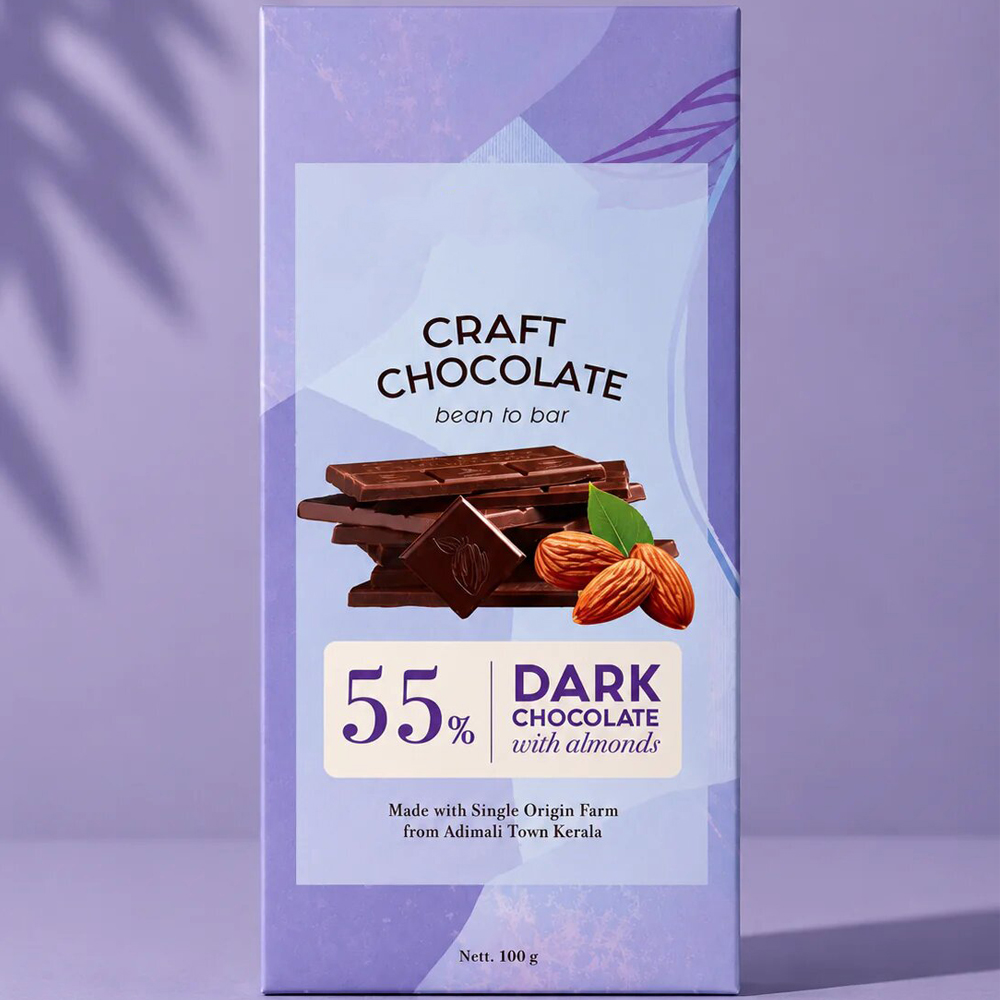
Choose Printing Methods That Fit Your Budget
Printing is another area where brands can reduce costs and improve their environmental performance. Using fewer ink colors, simplifying artwork, and selecting standard print finishes may lower production expenses.
For example, a chocolate bar wrapper does not always need full-color printing across every surface. A simple design with one or two colors can communicate a brand's identity while using a less complicated production setup.
The final cost depends on the printer, material, order quantity, and printing technology. Ask your packaging supplier to compare several designs rather than assuming that the simplest-looking option will always be the cheapest.
Avoid Unnecessary Finishes
Foil stamping, heavy lamination, metallic effects, and certain coatings can make packaging more difficult to recycle, depending on the materials involved and local recycling facilities.
These finishes are not always necessary to create a high-quality appearance. Thoughtful typography, strong color choices, and well-organized product information can deliver a polished result without adding extra layers.
If your brand relies on premium presentation, consider using a special finish only on selected products rather than across your entire range.
Make Recycling Instructions Easy to Understand
Consumers should not have to guess what to do with an empty wrapper. Clear disposal instructions can help them handle packaging correctly and demonstrate that your brand has considered its end-of-life impact.
Only use recycling or compostability claims that you can support. A package described as recyclable may not be accepted by every local recycling program, while compostable materials may require specific industrial facilities.
Honest communication protects your brand's credibility and helps customers make informed choices.

Work With Suppliers on Practical Alternatives
Your packaging supplier can be an important partner in reducing costs. Instead of asking only for the most sustainable material available, explain your product requirements, target price, order volume, and equipment limitations.
Then ask which available options offer a reasonable balance between environmental performance and cost.
Suppliers may have existing paper grades, standard box sizes, or established material combinations that meet your needs. Using an existing specification can sometimes be more economical than developing a new packaging structure from scratch.
It is also worth discussing minimum order quantities. Large orders may reduce the unit price, but ordering more packaging than you can use creates storage costs and increases the risk of obsolete designs.
Improve Inventory Planning
Poor inventory management can quietly increase packaging expenses. Ordering too much creates excess stock, while ordering too little may lead to urgent purchases at higher prices.
Review your sales patterns and coordinate packaging orders with your production schedule. If you sell several chocolate flavors, consider whether some packaging components can be shared across products.
For example, using a common outer box with different labels may be cheaper than producing a completely different box for every flavor. Just make sure the labeling remains accurate and complies with applicable food information requirements.
Measure the Results
Sustainable packaging decisions should be supported by real numbers. Track material cost per unit, packaging weight, damaged-product rates, transport efficiency, and waste generated during production.
These measurements help you understand whether a new package is delivering genuine improvements. They also make it easier to explain the business case to managers, buyers, and customers.
Do not focus on environmental benefits alone. A successful change should protect product quality, meet packaging requirements, and remain financially sustainable over time.
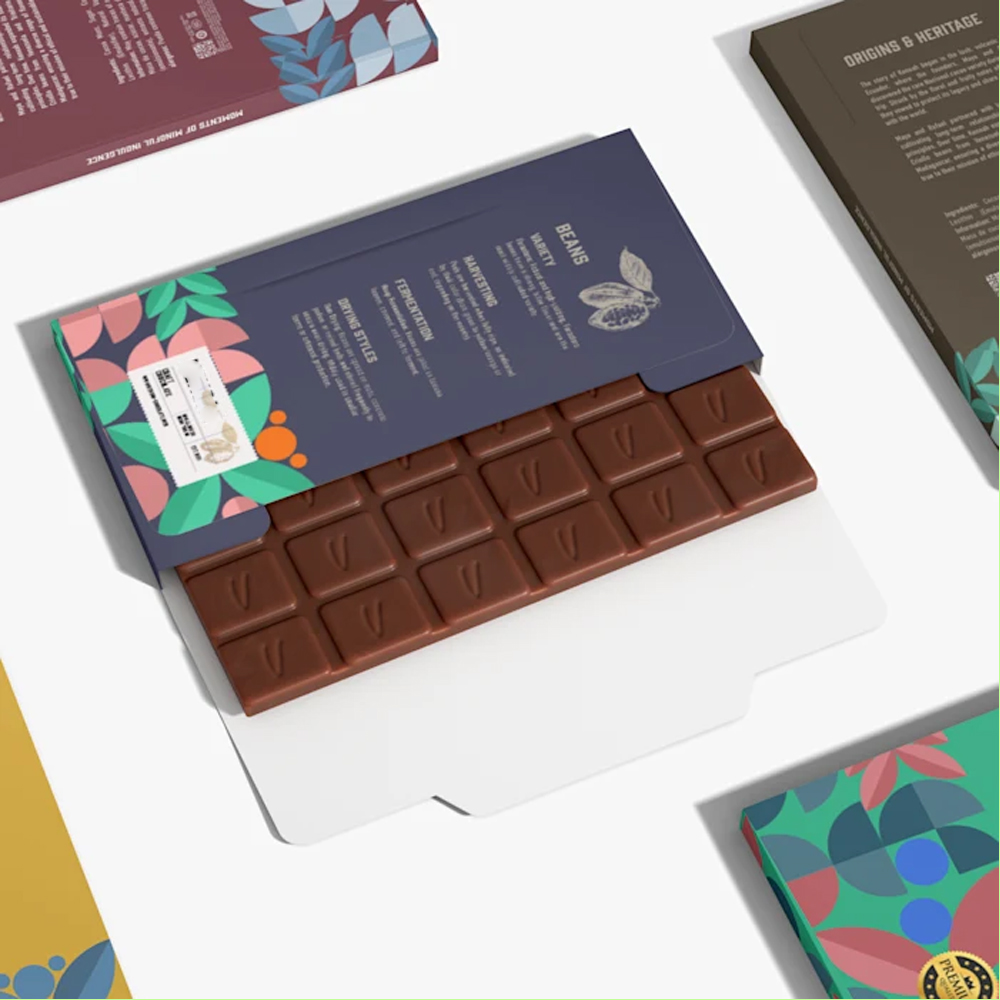
Make Small Changes Before Attempting a Complete Redesign
A full packaging redesign can be expensive and time-consuming. A gradual approach gives businesses more flexibility and makes it easier to learn from each change.
Start with the packaging component that creates the most waste or offers the clearest opportunity for savings. This might mean reducing box dimensions, removing unnecessary inserts, changing the paperboard grade, or improving print efficiency.
Once the first change has been tested, review the results and decide what to improve next. Small improvements can add up when applied consistently across a large product range.
Protect Food Safety and Shelf Life
Chocolate packaging must do more than look attractive or use environmentally preferable materials. It must also protect the product from moisture, odors, oxidation, contamination, and physical damage as appropriate to the product and distribution conditions.
A material that looks sustainable but shortens shelf life may lead to more food waste, which can undermine the overall environmental benefit.
Before approving a new structure, check food-contact compliance, barrier performance, sealing requirements, and storage conditions. Work with qualified packaging suppliers and conduct suitable shelf-life and transport tests.
Communicate Your Progress Honestly
You do not need to claim that your packaging is completely sustainable to show meaningful progress. Explain what has changed, why you made the change, and how customers should dispose of the package.
For instance, a brand might explain that it has reduced the weight of its cardboard sleeve or switched to a verified recycled-paper component. Specific statements are more useful than broad claims such as "100% green" or "zero impact."
Transparency helps customers understand your efforts and allows your business to build credibility over time.
Making chocolate packaging more sustainable does not have to involve expensive materials or a complete redesign. In many cases, the best starting point is reducing unnecessary packaging, simplifying printing, improving box dimensions, and choosing materials that work with existing production processes.
Businesses should also compare supplier quotes, test packaging performance, and track the real cost per unit. These steps help identify changes that support environmental goals without compromising product quality or profitability.
Most importantly, sustainable packaging is not about choosing the most expensive eco-friendly option. It is about finding a practical balance between material use, food protection, recyclability, customer expectations, and production costs.
By taking a gradual, data-driven approach, chocolate brands can make meaningful improvements, reduce avoidable waste, and build a stronger reputation with environmentally conscious customers. Better Chocolate Bar Packaging starts with smarter decisions, not necessarily a bigger budget.
The most eco-friendly option depends on your product, budget, and local recycling facilities. Recycled paperboard, responsibly sourced cardboard, and recyclable mono-material wrappers can all be worth considering. The key is to choose packaging that protects chocolate properly while minimizing unnecessary materials and waste.
Businesses can lower costs by reducing packaging size, using fewer materials, simplifying printing, and avoiding unnecessary decorative elements. Working with existing packaging suppliers and ordering suitable quantities can also help control expenses. Small changes often deliver meaningful savings without requiring a complete packaging redesign.
Paper packaging can be a good alternative in certain applications, especially for outer sleeves and cartons. However, chocolate needs protection from moisture, oxygen, odors, and temperature changes. Some paper wrappers also contain coatings or plastic layers, so businesses should compare the full packaging structure rather than assuming paper is always the more sustainable choice.
Yes, eco-friendly packaging can maintain chocolate quality when the materials provide the necessary barrier protection and sealing performance. Businesses should consider food safety, shelf life, storage conditions, and transportation requirements before changing materials. Testing a new packaging design before full-scale production helps prevent product damage and unnecessary waste.
Brands can improve sustainability without changing their entire visual identity. Simple steps include reducing wrapper thickness where appropriate, switching to recycled cardboard, removing unnecessary inserts, optimizing package dimensions, and providing clear disposal instructions. These improvements can maintain a recognizable brand image while reducing material use and potentially lowering production costs.
Post time: Oct-19-2026


