


In today’s competitive food market, packaging is no longer just a protective shell—it is a brand statement, a sustainability promise, and a powerful sales tool. As environmental awareness grows, consumers are paying much closer attention to how food products are packaged. Businesses that fail to adapt risk losing both customer trust and market share.
For modern food brands, eco-friendly food packaging is no longer optional. It is an essential part of building a responsible and future-ready brand. The good news is that going green does not mean compromising on durability, shelf appeal, food safety, or premium presentation. In fact, sustainable packaging can often enhance all of them.
At Fuliter Paper Box, we believe that well-designed packaging should protect your products, strengthen your brand, and reduce environmental impact at the same time. From custom bakery boxes to chocolate gift packaging and kraft paper food boxes, sustainable solutions can now deliver both performance and aesthetics. Fuliter’s site also highlights its custom food, bakery, dessert, and chocolate box capabilities alongside eco-friendly paper packaging and factory-direct production.
Sustainability Has Become a Buying Decision
Today’s consumers want more than just delicious food—they want brands that reflect their values. Packaging is often the first visible proof of whether a company takes sustainability seriously. If a product arrives in excessive plastic or non-recyclable materials, customers notice immediately.
Eco-conscious packaging helps brands communicate responsibility, transparency, and innovation. For food businesses selling chocolates, pastries, bakery products, confectionery, tea, or gourmet gifts, the packaging experience is often part of the product itself. Choosing eco-friendly food packaging sends a message that your brand cares about quality and the planet.
Packaging Impacts Brand Reputation
Sustainable packaging is not only about compliance or material choice—it also shapes how your brand is perceived online and offline. Customers frequently share packaging experiences on social media. Attractive recyclable boxes, natural kraft textures, and premium minimalist design can generate positive engagement, while wasteful packaging can quickly attract criticism.
Regulations Are Moving Fast
Governments and retailers around the world are tightening packaging requirements. Restrictions on certain plastics, pressure to reduce waste, and increasing demand for certified materials are pushing brands to rethink traditional packaging systems. Businesses that transition early are more likely to stay ahead of future disruptions.
For food brands, investing in sustainable custom boxes today is often cheaper and easier than making rushed changes later.
Sustainable Materials Are the Foundation
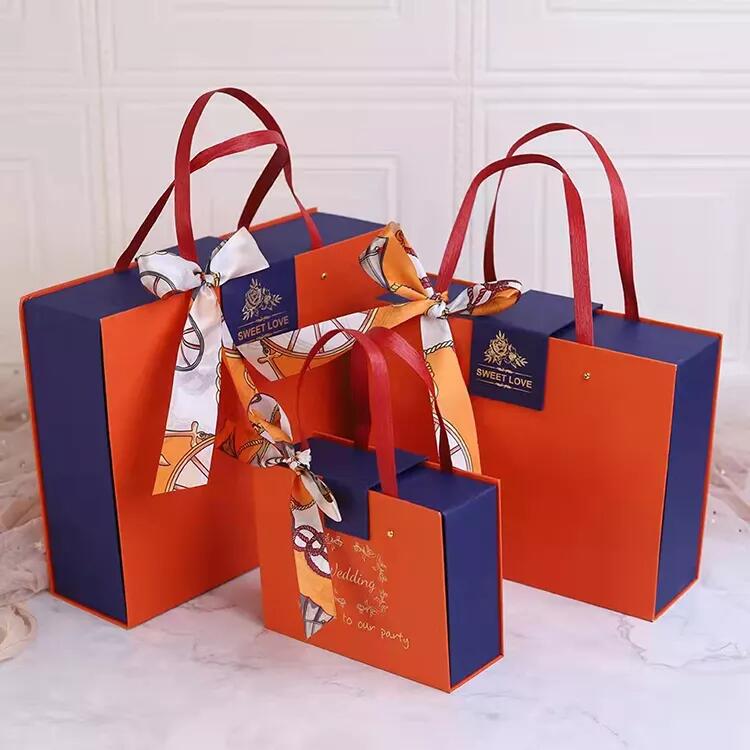
The first step in choosing eco-friendly food packaging is selecting the right base material. Not all “green-looking” packaging is actually sustainable. A truly eco-friendly food box should use responsibly sourced, recyclable, or biodegradable materials.
One of the best options is FSC-certified paper and board, which comes from responsibly managed forests. This provides brands with both environmental credibility and a recognizable sustainability standard. Fuliter explicitly states that it offers FSC-certified packaging materials and sustainable paper-based solutions.
Recycled Content Reduces Environmental Impact
Another excellent option is recycled paperboard, especially post-consumer recycled content. It reduces demand for virgin pulp while helping brands meet consumer expectations for circular packaging. Recycled board can still offer excellent structural integrity, print quality, and premium shelf appeal when engineered correctly.
Food Safety Must Never Be Compromised
Sustainability only works if the packaging still performs its primary job: protecting food. The best eco-friendly food packaging solutions balance environmental responsibility with:
- Food-safe construction
- Moisture resistance
- Structural protection
- Clean presentation
- Shipping durability
A sustainable box should not collapse, absorb grease too quickly, or fail in transit. That is why material engineering and structural design are just as important as environmental claims.
Kraft Paper for a Natural Premium Look
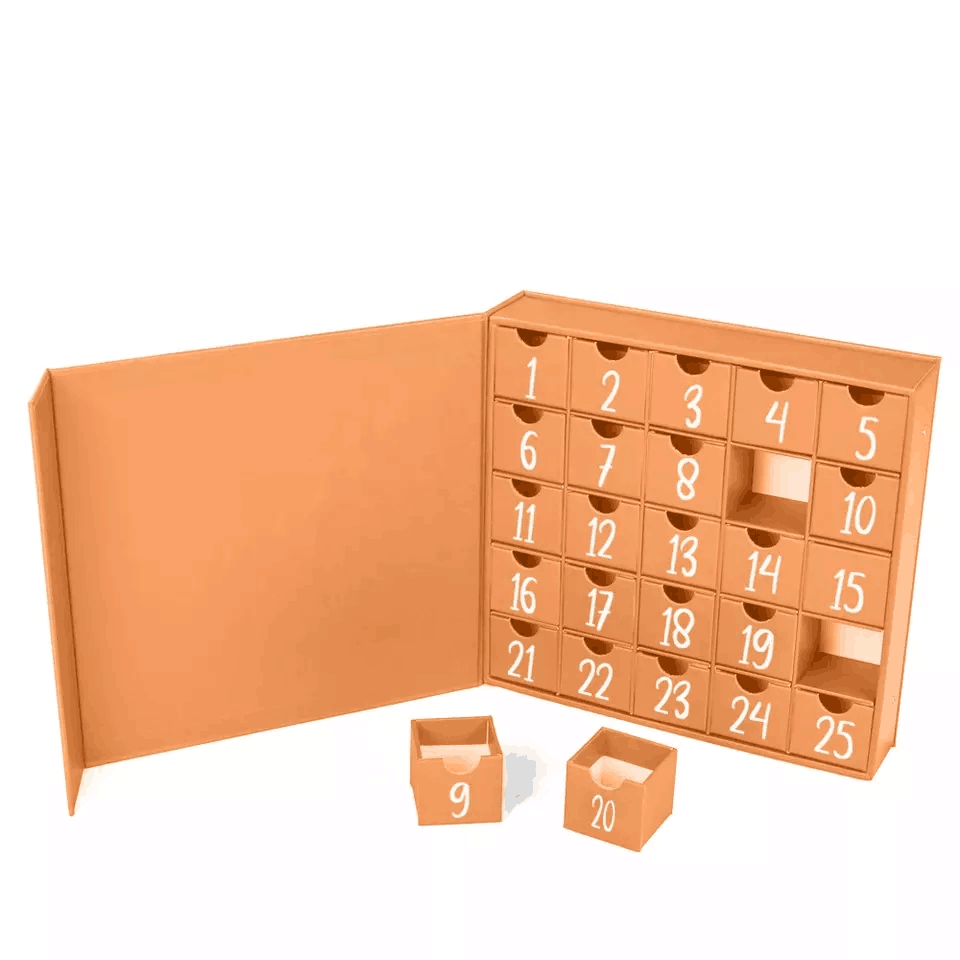
Kraft paper remains one of the most popular choices in eco-friendly food packaging because it instantly communicates a natural, artisanal, and environmentally conscious brand image. It works especially well for bakery packaging, snack boxes, tea gift packaging, confectionery, and handmade food products.
Beyond appearance, kraft packaging is versatile, lightweight, and often recyclable, making it ideal for brands that want a clean and earthy aesthetic without sacrificing functionality.
Soy-Based and Water-Based Inks
Printing is a major part of packaging sustainability. Traditional petroleum-based inks can contain volatile organic compounds (VOCs), making them less desirable for environmentally conscious packaging systems. In contrast, soy-based and water-based inks are often a better choice for food packaging applications.
These inks support vibrant printing while reducing harmful environmental impact. For brands that rely on premium logo presentation, storytelling graphics, or luxury finishes, this is an important detail that customers increasingly appreciate.
Aqueous Coatings Instead of Plastic Lamination
Many brands want packaging that looks polished and feels premium, but traditional gloss lamination often uses plastic film that reduces recyclability. A better alternative is aqueous coating, which can provide a clean, professional finish while supporting more sustainable end-of-life disposal.
Sustainability and Luxury Can Work Together
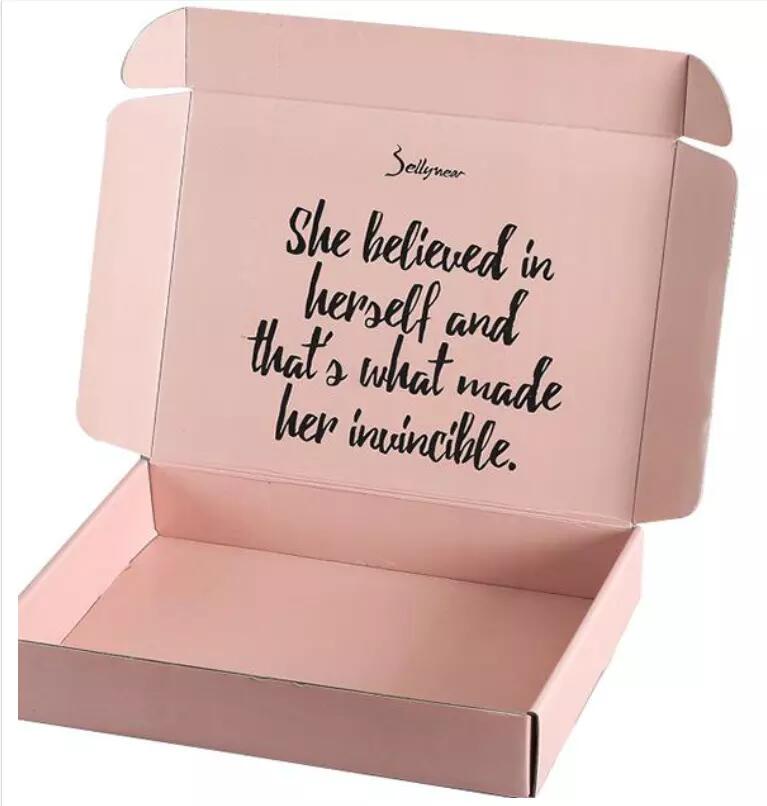
One of the biggest myths in the packaging industry is that sustainable packaging looks cheap or feels basic. In reality, some of the most sophisticated packaging on the market today is also among the most environmentally responsible.
Minimalist typography, embossed logos, textured paper, matte coatings, die-cut windows, and elegant structural design can all be integrated into eco-friendly food packaging. Premium packaging is no longer defined by excessive plastic, heavy lamination, or unnecessary complexity. Instead, today’s luxury is often expressed through restraint, thoughtful design, and material authenticity.
Strong Structure Protects Product Quality
Food packaging must do more than look attractive—it must preserve freshness, prevent damage, and ensure a consistent customer experience. That is why structural engineering matters.
A well-designed paper food box can offer:
- Strong compression resistance
- Secure closure systems
- Space-efficient stacking
- Protection during long-distance shipping
- Better unboxing presentation
Fuliter’s website emphasizes structural design support, prototyping, die-cutting, automated gluing, and strict quality control, all of which are essential when sustainable packaging must also meet real-world logistics and shelf demands.
Customization Improves Both Function and Sustainability
Right-sizing your box is one of the smartest sustainability moves a food brand can make. Oversized packaging wastes material, increases shipping volume, and often requires more inserts or fillers.
Custom-sized food boxes help reduce waste while improving product fit and customer perception. A box that feels purpose-built for the product inside communicates professionalism and quality immediately.
Minimalist Design Often Performs Better
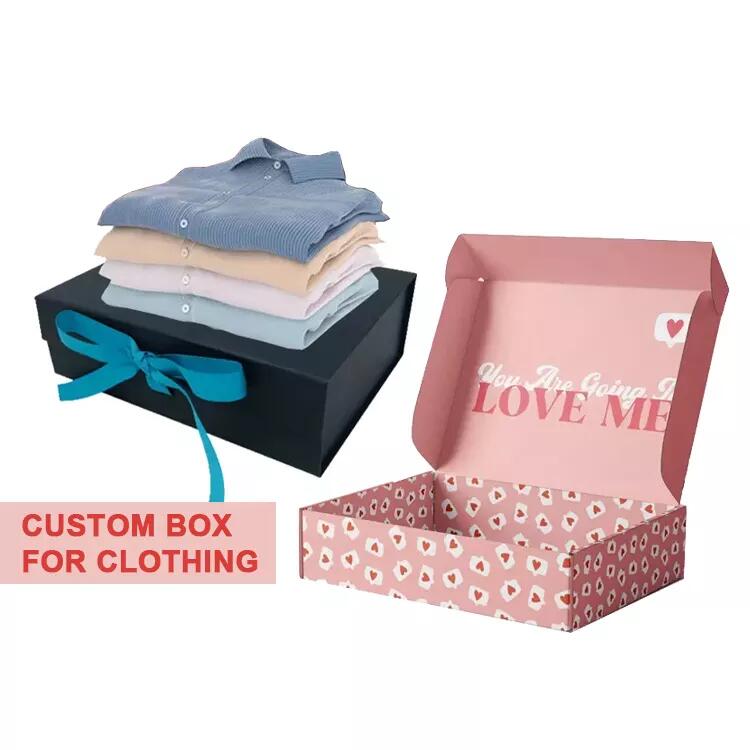
Sustainable packaging design is not just about what you add—it is also about what you remove. Simpler structures, fewer materials, lighter printing coverage, and clean visual layouts can all reduce environmental impact while making the product feel more refined.
Many modern consumers associate minimalist packaging with honesty, sophistication, and premium quality. This is especially effective for gourmet snacks, chocolate boxes, tea packaging, pastry packaging, and gift-ready food boxes.
Replace Plastic Inserts with Sustainable Alternatives
One of the easiest ways to improve eco-friendly food packaging is by replacing internal plastic trays or inserts with better alternatives. Brands can use:
- Molded pulp
- Corrugated paper inserts
- Folded kraft dividers
- Recyclable paperboard trays
These materials can protect fragile food items while keeping the full packaging system more recyclable and environmentally aligned.
Use Packaging to Tell a Sustainability Story
Packaging should not only be sustainable—it should also communicate that sustainability clearly. Simple on-box messaging can educate customers and strengthen trust.
Examples include:
- “Made with FSC-certified paper”
- “Printed with soy-based inks”
- “Please recycle this box”
- “Plastic-free packaging”
These messages help consumers understand your efforts and make them more likely to remember your brand positively.
The future of packaging is clear: brands that combine sustainability, protection, and premium presentation will stand out the most.
Eco-friendly food packaging is not about sacrificing quality. It is about designing smarter, sourcing better, and creating packaging that reflects what modern consumers truly value. From FSC-certified board and recycled paper to soy-based inks, aqueous coatings, and biodegradable inserts, there are now more high-performance sustainable options than ever before.
For food brands, the opportunity is bigger than simply “going green.” It is about building trust, increasing product value, improving customer experience, and preparing your business for the future.
If your brand is ready to upgrade to custom sustainable packaging, Fuliter Paper Box can help you create food packaging that is stylish, functional, and environmentally responsible—without compromising on the quality your products deserve.
Ready to explore custom eco-friendly food packaging for your brand? Contact Fuliter Paper Box today to request a quote or sample and discover sustainable packaging solutions tailored to your products.
Eco-friendly food packaging refers to packaging materials and designs that reduce environmental impact while still protecting food products effectively. It typically includes recyclable, biodegradable, compostable, or responsibly sourced materials such as FSC-certified paperboard, recycled cardboard, kraft paper, and plastic-free inserts. Good eco-friendly food packaging is designed not only to be sustainable, but also to maintain food safety, product freshness, and strong visual appeal for modern consumers.
Some of the best materials for eco-friendly food packaging include FSC-certified paper and board, recycled paperboard, kraft paper, molded pulp, corrugated paper inserts, and biodegradable inner supports. In addition, brands often choose soy-based or water-based inks and aqueous coatings instead of plastic laminations to improve recyclability. The best material depends on your product type, required strength, moisture resistance, shelf presentation, and sustainability goals.
No—when properly designed, eco-friendly food packaging does not have to compromise food quality or protection. High-quality sustainable packaging can provide excellent structural strength, product stability, and food-safe performance. Well-engineered paper food boxes can protect bakery products, chocolates, snacks, tea, confectionery, and gift items during storage, display, and shipping while still supporting a more sustainable packaging strategy.
Yes, thanks to the arrival of digital printing it is now possible to order modest quantities at low cost. Most suppliers ask for Minimum Order Quanties (MOQs) of perhaps about 25 or 50 boxes. Even so, it is worth noting that your cost per box is appreciably lower when you order a large quantity.
Eco-friendly food packaging is important because it helps food brands meet growing consumer demand for sustainability, improve brand reputation, and stay ahead of packaging regulations. It can also increase perceived product value, support premium positioning, and strengthen marketing storytelling. For many businesses, investing in eco-friendly food packaging is not only an environmental decision—it is also a smart long-term branding and business strategy.
Post time: Mar-31-2026


