


Packaging is no longer just something that keeps a cupcake from getting squashed or a loaf of bread from drying out. For bakeries, cafés, dessert brands, and food startups, the right packaging can influence everything from product safety and customer experience to packaging costs and environmental responsibility. This is especially true as Extended Producer Responsibility (EPR) rules become more important in different markets.
That is where EPR-ready custom Bakery Food Boxes come into play. Instead of choosing expensive packaging that looks good but creates problems later, businesses can focus on boxes that are practical, affordable, customizable, and easier to manage from a packaging compliance perspective. The goal is simple: protect your baked goods, present your brand well, and avoid unnecessary packaging costs.
EPR can sound complicated at first, especially for small bakery owners who already have enough on their plates. In simple terms, EPR policies generally make businesses more responsible for the packaging they place on the market. Depending on the country or region, this can involve packaging materials, reporting requirements, recycling responsibilities, or related fees.
What EPR Means for Bakery Businesses
For a bakery, packaging choices can become part of the overall compliance picture. A business selling cookies in individual boxes, for example, may use far more packaging than a bakery selling products in larger shared boxes.
That does not mean every bakery needs to completely redesign its packaging overnight. Instead, it makes sense to look at the materials being used, how much packaging is necessary, and whether the packaging can fit into the recycling systems available in the target market.
Less Packaging Can Mean Lower Costs
One of the easiest ways to control packaging expenses is to avoid using more material than necessary. Oversized boxes, unnecessary inserts, excessive plastic windows, and multiple layers of wrapping can all add cost.
Low-fee custom Bakery Food Boxes are designed around this idea. A well-sized box can use less board while still providing enough protection for the product. Over thousands of orders, even a small reduction in material can make a noticeable difference to the packaging budget.
Think Beyond the Box Price
The cheapest box on a supplier's price list is not always the cheapest option overall. Shipping weight, storage space, waste, printing, and potential compliance costs can all affect the final number.
A smarter approach is to calculate the total packaging cost. A lightweight, right-sized, recyclable box may offer better long-term value than a slightly cheaper box that uses more material or takes up twice as much warehouse space.
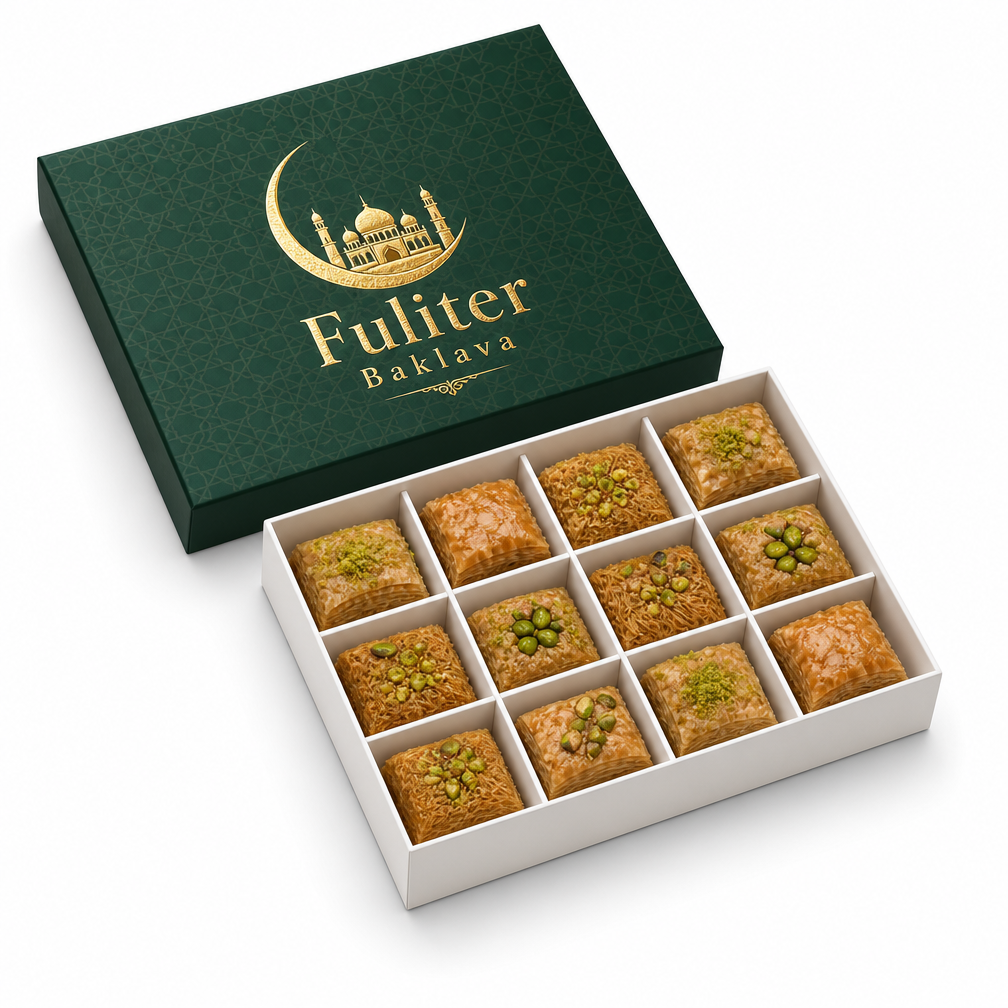
Packaging is often the first physical part of a bakery brand that customers interact with. Before they taste the product, they see the box.
Make the Unboxing Feel Natural
You do not need a luxury box to create a good unboxing experience. A neat, sturdy box that opens easily and keeps the food looking fresh can already make a strong impression.
Think about what happens when a customer receives the order. Can they open it without fighting with the packaging? Does the product stay in place? Is the logo visible? Does the box look clean enough to photograph?
These small details matter.
Use the Box as a Marketing Tool
Custom Bakery Food Boxes can also work as a quiet marketing channel. Your logo can remind customers where the product came from, while social media handles or a short brand message can encourage repeat engagement.
For local bakeries, the box can also include practical information such as a website, ordering details, or a QR code. This turns packaging into something more useful than a simple container.
Build Recognition With Consistency
A bakery does not necessarily need a different box design for every product. Using a consistent packaging system can make the brand easier to recognize while simplifying purchasing and inventory.
For example, a bakery might use the same basic box style in three or four sizes. The logo stays consistent, while small labels or stickers identify the individual products.
This approach can keep customization affordable while still giving customers a branded experience.
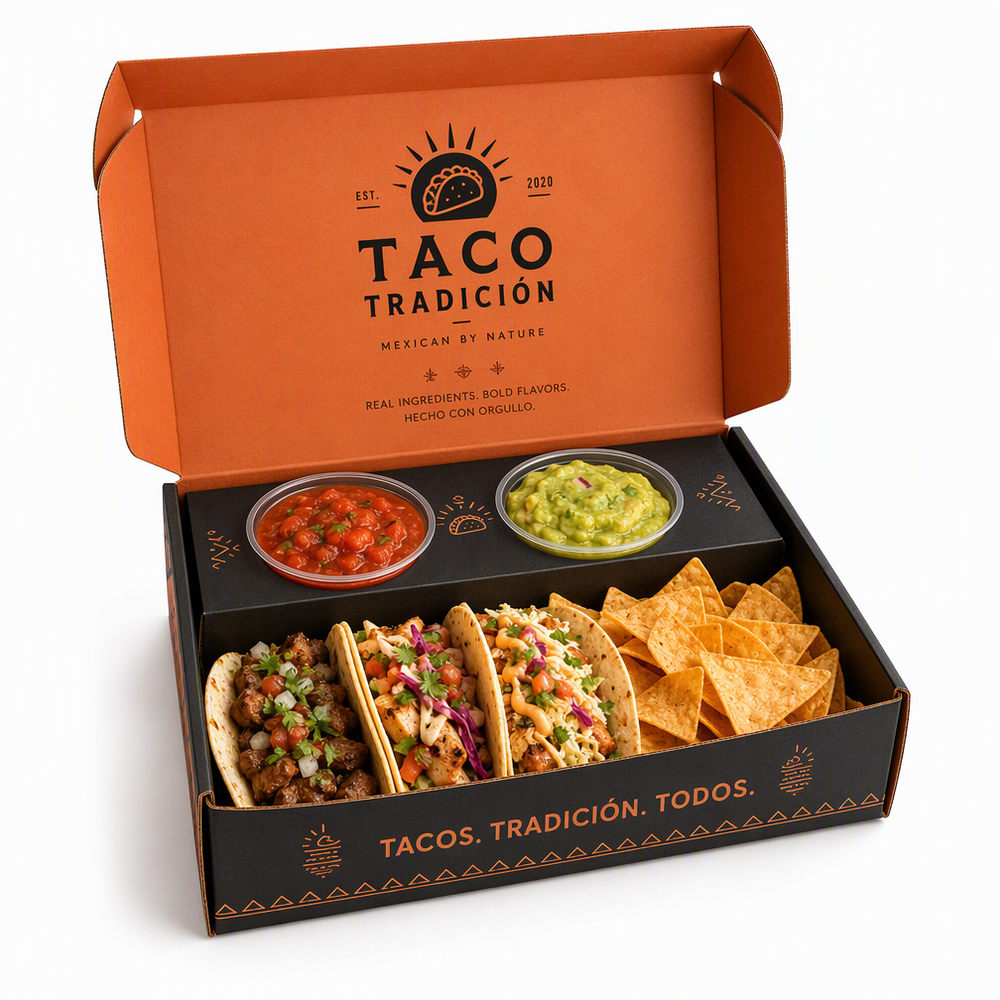
There is no universal bakery box that works perfectly for everything. Good packaging starts with understanding how each product behaves during storage, delivery, and handling.
Boxes for Cookies and Small Pastries
Cookies generally need protection from crushing, moisture, and movement. A snug-fitting paperboard box can work well for smaller quantities, while a stronger structure may be needed for delivery orders.
For premium cookies, a printed sleeve or simple internal divider can add a more polished look without dramatically increasing the packaging footprint.
Boxes for Cupcakes and Cakes
Cupcakes need special attention because decorations can easily get damaged. A box that is too short can ruin frosting before the customer even opens it.
Cake boxes also need enough structural strength for carrying. If the product is heavy, a stronger board or reinforced base may be worth the extra cost.
Boxes for Bread and Pastries
Bread and larger pastries often benefit from packaging that provides some protection while still allowing the product to maintain its intended texture.
The packaging should also match the way the product is sold. A takeaway bakery may prioritize easy carrying, while an online bakery may need stronger packaging because the box will go through more handling during delivery.
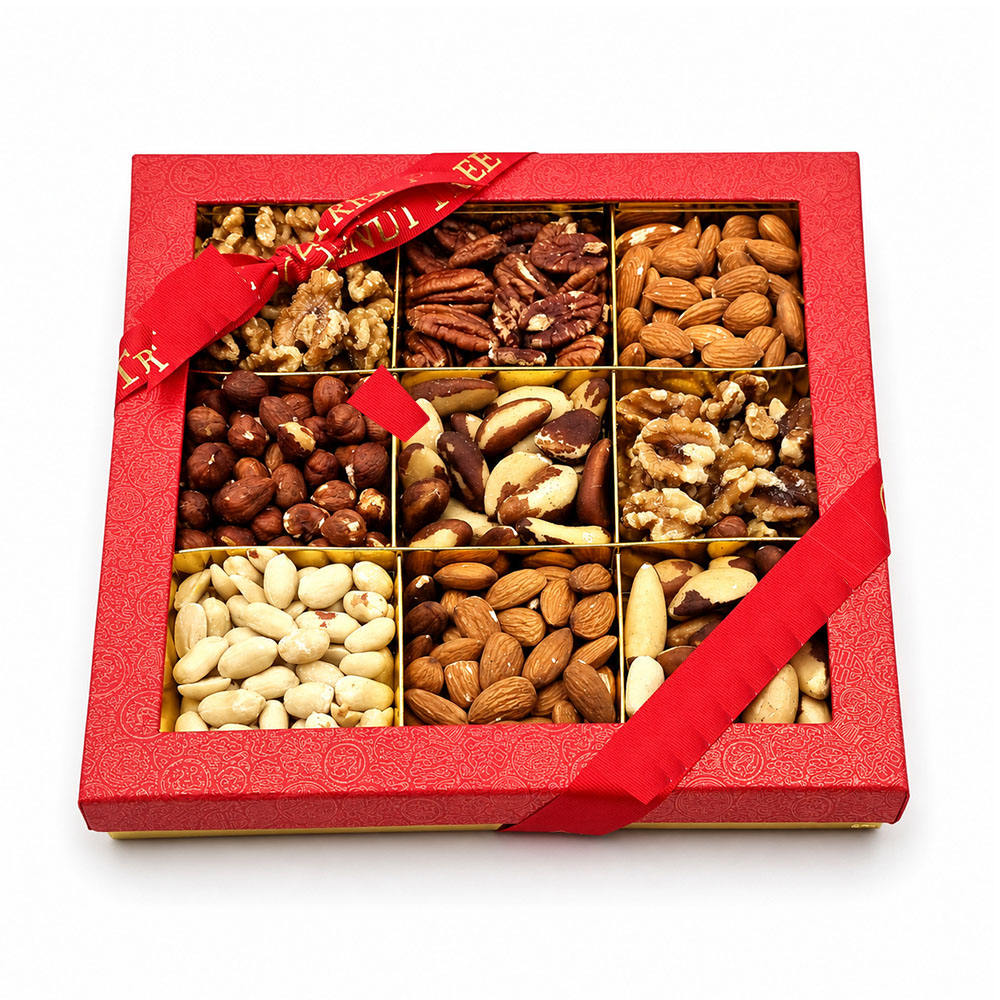
For small and growing bakeries, packaging expenses can quickly add up. The good news is that customization does not automatically have to be expensive.
Order the Right Quantity
Larger production runs usually make custom printing more economical per unit, but ordering too many boxes can create another problem: storage.
The best quantity is usually based on realistic sales volume rather than chasing the lowest unit price. A bakery that changes its logo, menu, or product sizes frequently may not benefit from placing a huge packaging order.
Standardize Where Possible
Using several standard box sizes can make purchasing easier. Instead of creating a completely different structure for every product, businesses can look for packaging formats that serve multiple purposes.
This can simplify inventory management and reduce the number of custom dies or production setups required.
Avoid Features You Do Not Need
A window, special coating, foil stamping, magnetic closure, or complicated insert may look attractive, but not every bakery needs these features.
Ask a basic question before adding anything: does this feature improve product protection, customer experience, or brand value enough to justify its cost?
If the answer is no, leaving it out may be the smarter choice.
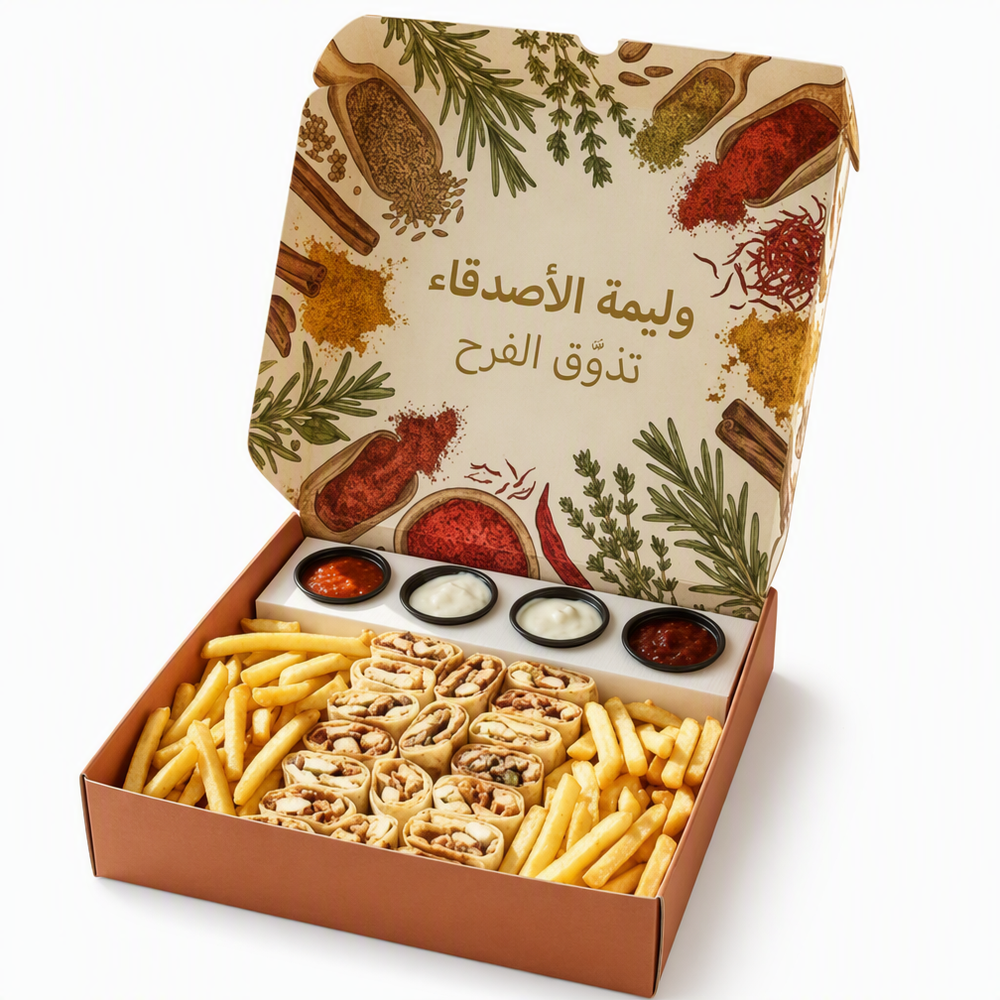
Choosing the right packaging supplier is just as important as choosing the box itself. A supplier should be able to explain material options, dimensions, printing methods, production quantities, and packaging specifications clearly.
Ask About Materials and Specifications
Before placing an order, ask what the box is made from and whether the supplier can provide material information or relevant documentation.
This is particularly useful when selling into markets where EPR reporting or packaging declarations apply. Regulations can differ, so having accurate packaging data makes it easier to work with your compliance process.
Request a Sample Before Mass Production
A digital design may look perfect on a screen but behave differently in real life. Always consider getting a physical sample before committing to a large production run.
Check the box size, folding structure, print quality, product fit, strength, and overall appearance. If possible, place the actual bakery product inside and test the box under normal handling conditions.
Look for Long-Term Value
The best supplier is not necessarily the one offering the lowest initial quotation. Look for consistent quality, clear communication, reasonable minimum order quantities, dependable production, and accurate specifications.
A reliable supplier can save money over time by reducing damaged products, packaging defects, rushed reorders, and unnecessary redesigns.
EPR-ready packaging does not have to be complicated or expensive. For bakeries, the most practical strategy is to start with the basics: choose the right size, use appropriate materials, avoid unnecessary packaging, and keep the design simple but recognizable.
Low-fee custom Bakery Food Boxes can help businesses balance packaging performance, branding, and cost without going overboard. At the same time, paying attention to packaging materials and regional EPR requirements can make future compliance easier to manage.
The key is to treat the box as part of the whole business rather than just another supply expense. A well-designed bakery box protects the product, supports the brand, reduces waste, and gives customers a better experience. When those goals work together, custom packaging becomes a practical investment instead of an unnecessary cost.
EPR-ready Bakery Food Boxes are packaging solutions designed with packaging responsibility and material considerations in mind. They can help bakeries better understand and manage the materials they place on the market while providing safe and practical packaging for baked goods. Since EPR requirements vary by country and region, businesses should always check the specific rules that apply to their market.
Not necessarily. The cost of custom Bakery Food Boxes depends on factors such as box size, material, printing, order quantity, and additional features. Choosing standard sizes, simple printing, and practical materials can help keep costs low. For many bakeries, ordering the right quantity and avoiding unnecessary design features can also reduce the overall packaging budget.
Paperboard and corrugated board are common choices for bakery packaging. The best material depends on the product, box size, required strength, delivery method, and local packaging requirements. Bakeries should also ask suppliers for accurate material specifications when they need packaging information for EPR reporting or other compliance purposes.
Custom Bakery Food Boxes can turn everyday packaging into a simple marketing tool. A logo, brand colors, website, QR code, or short message can help customers remember the bakery after their purchase. Consistent packaging across different products can also create a recognizable brand identity without requiring an expensive or complicated box design.
Start by choosing the correct box dimensions and avoiding oversized packaging. You can also reduce costs by using a limited number of standard box sizes, keeping the artwork simple, selecting practical materials, and ordering quantities based on realistic sales forecasts. Getting samples before mass production can also help prevent costly packaging mistakes and unnecessary reorders.
Post time: Oct-08-2026


