


Understanding the Growing Demand for Responsible Chocolate
Chocolate has always been a popular choice for holidays, corporate gifts, weddings, and special occasions. But today, customers care about more than the taste of chocolate or the appearance of its packaging. They also want to know where the cocoa comes from, how it is produced, and whether the supply chain follows responsible sourcing practices.
This shift is creating new opportunities for brands that offer traceable custom chocolate gift boxes. Instead of focusing only on beautiful designs and premium finishes, chocolate businesses are paying closer attention to ingredient origins, supplier documentation, and environmental responsibility.
The EU Deforestation Regulation (EUDR) has made this conversation even more important. Cocoa is one of the commodities covered by the regulation, which aims to prevent certain products associated with deforestation and forest degradation from entering or leaving the EU market. For businesses selling chocolate in Europe, understanding the regulation is an important part of preparing for changing market expectations.
What Does EUDR-Ready Really Mean?
Being EUDR-ready means preparing the information, supplier relationships, and internal processes needed to demonstrate that relevant cocoa products meet applicable regulatory requirements. This may involve collecting origin information, checking supplier records, and maintaining reliable traceability throughout the supply chain.
It is important to understand that a custom gift box is not automatically EUDR-compliant simply because it uses eco-friendly packaging. Compliance depends on the applicable products, business responsibilities, and legal requirements.
For chocolate brands, the goal is to connect product quality with reliable sourcing information. When customers receive a thoughtfully designed gift box, they can enjoy the chocolate while gaining greater confidence in the brand behind it.
Knowing Where Cocoa Comes From
Cocoa often passes through several stages before becoming the chocolate found in a gift box. Farmers grow and harvest cocoa beans, local suppliers collect them, processors turn them into ingredients, and manufacturers create the finished chocolate products.
When information gets lost between these stages, it becomes harder for a brand to understand its supply chain. Traceability helps businesses connect the dots by keeping relevant records about cocoa origins, suppliers, processing activities, and product batches.
For businesses preparing for EUDR, cocoa traceability may include access to the geographic information required by the regulation, including the relevant production plots. Collecting this information early can make supplier verification and due diligence more manageable.
Building Customer Trust Through Transparency
Customers do not always expect to read a detailed sourcing report when opening a box of chocolates. However, they appreciate brands that take responsibility for the products they sell.
Custom chocolate packaging can support this message through QR codes, short sourcing statements, or links to sustainability information. For example, a premium chocolate gift box could direct customers to a webpage explaining the cocoa sourcing approach, the company's supplier standards, and its efforts to improve supply chain transparency.
These details can turn ordinary packaging into a useful communication tool. Rather than making broad claims that are difficult to verify, brands should share specific information supported by reliable records.
Making Traceability Part of Everyday Operations
Traceability works best when it is built into regular purchasing and production processes. Businesses can maintain supplier records, organize batch information, and establish procedures for updating sourcing documents.
A clear system also helps teams respond more efficiently when customers, business partners, or regulators request relevant information. Over time, better documentation can support more consistent purchasing decisions and reduce unnecessary confusion across the supply chain.
Choosing Materials That Match Your Brand Values
Packaging is often the first thing customers notice about a chocolate gift. A well-designed box creates excitement before the recipient even tastes the product. However, attractive packaging does not need to come at the expense of thoughtful material choices.
Paperboard from responsibly managed sources, recyclable cardboard, and appropriately certified paper materials can be useful options for custom chocolate gift boxes. The best choice depends on the packaging design, local recycling systems, product protection requirements, and the intended customer experience.
Brands should also consider whether decorative finishes, plastic windows, magnets, ribbons, or laminated surfaces make the box harder to recycle. Sometimes a simpler design can deliver a more refined appearance while using fewer materials.
Balancing Luxury with Practical Packaging
Premium chocolate packaging needs to do more than look beautiful. It must protect delicate products during storage, shipping, and delivery. Chocolate can be sensitive to temperature changes, moisture, and physical damage, so material selection should reflect real transportation conditions.
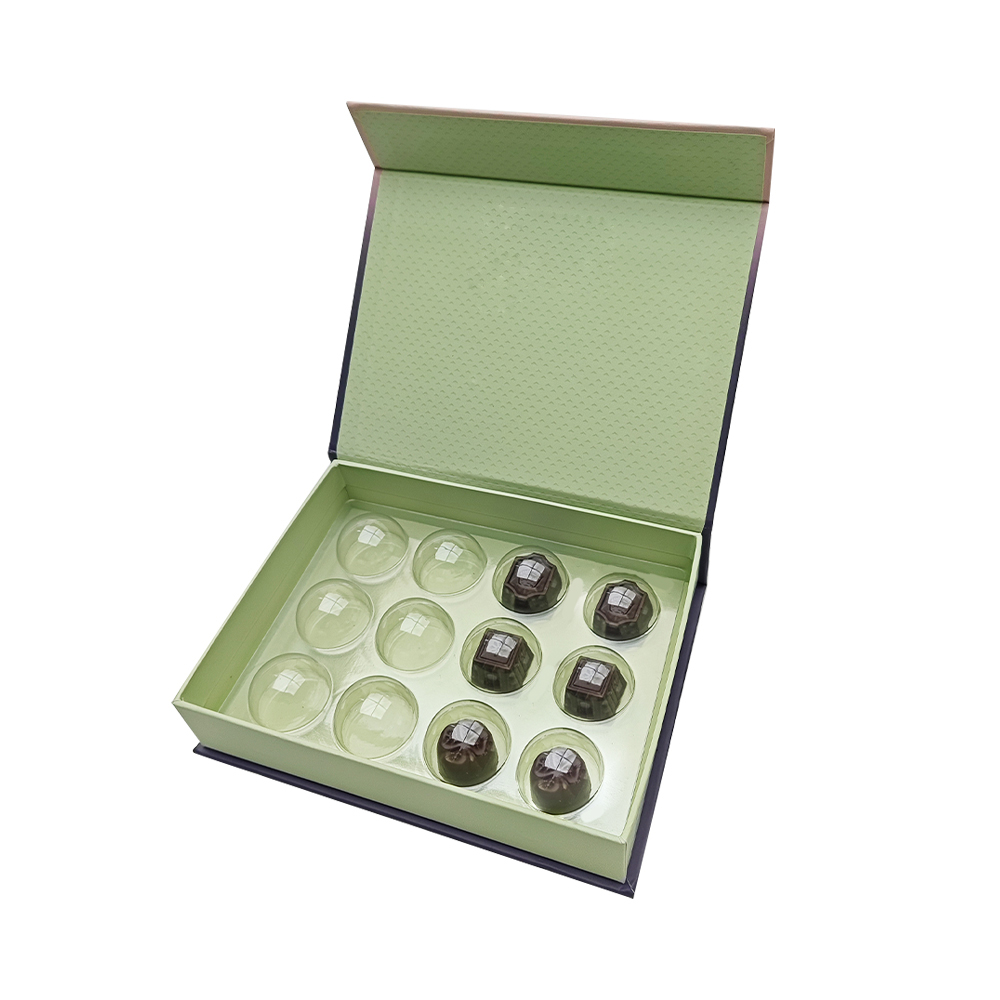
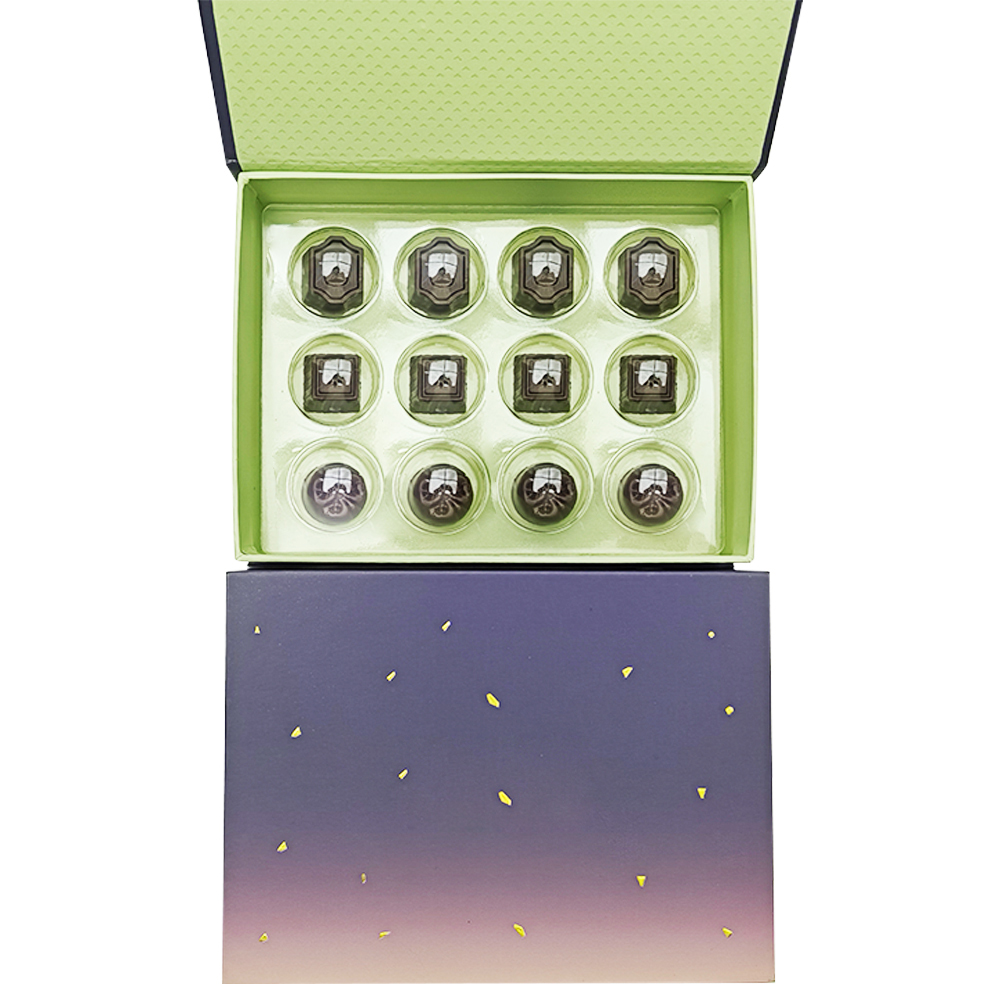
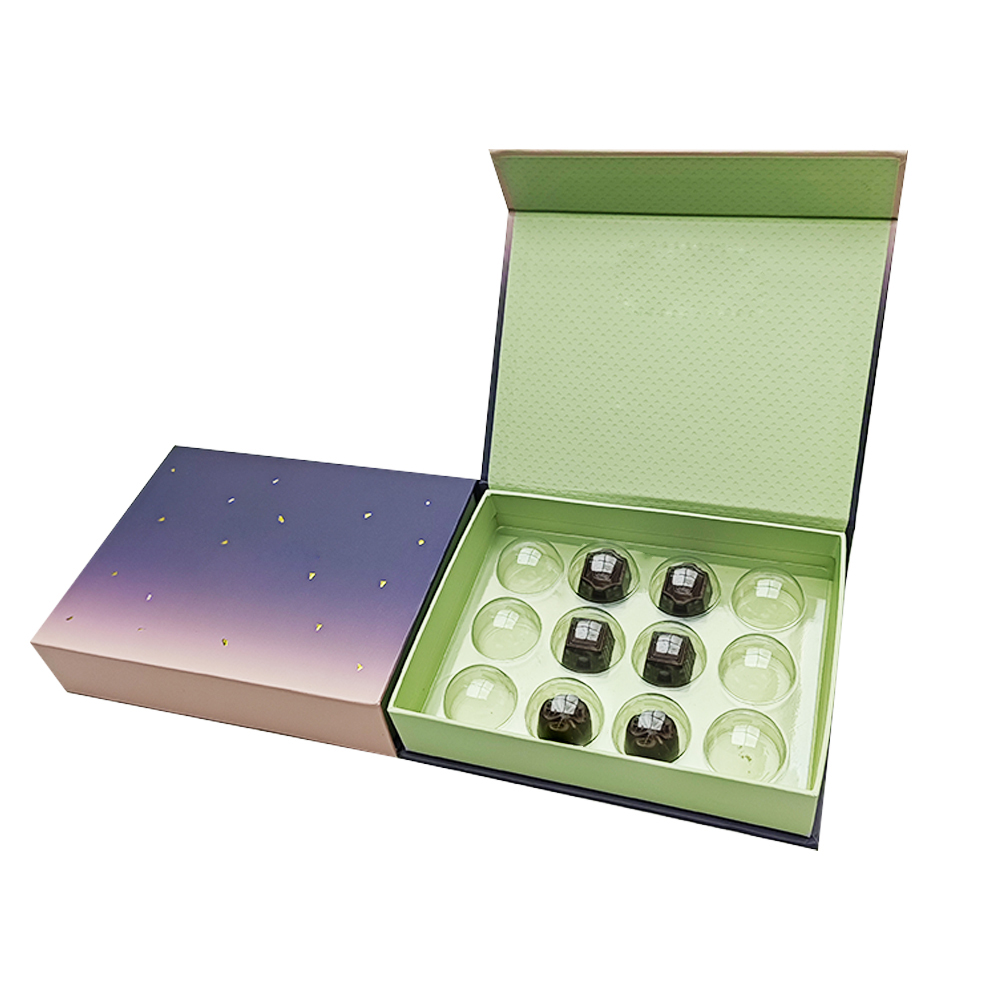
A rigid paperboard box with a fitted insert, for instance, can create an elegant presentation while helping individual chocolates stay in place. Custom compartments can also reduce movement and improve the overall unboxing experience.
The key is to find a balance between visual appeal, product safety, material efficiency, and recyclability. Before making sustainability claims, businesses should check the actual composition and disposal requirements of their packaging.
Keeping Cocoa Traceability and Packaging Claims Separate
One common mistake is treating sustainable packaging as proof of responsible cocoa sourcing. These are two different parts of the product story.
EUDR focuses on covered commodities and relevant derived products, including cocoa and chocolate, according to the regulation's scope. A cardboard gift box does not automatically make its chocolate compliant, and recyclable packaging does not demonstrate that the cocoa meets EUDR requirements.
Brands should therefore manage packaging specifications and cocoa sourcing records separately. Both can contribute to a stronger sustainability strategy, but each requires its own evidence.
Corporate Gifts That Communicate Responsibility
Corporate gifting is becoming more thoughtful. Companies want gifts that feel personal, look professional, and reflect their values. Custom chocolate gift boxes offer a practical way to achieve these goals.
Businesses can personalize the packaging with company logos, brand colors, seasonal messages, or individually selected chocolate assortments. For European customers, clear sourcing information can also add value, particularly when sustainability is part of the buyer's purchasing policy.
Suppliers that can provide organized product specifications and reliable cocoa sourcing documentation may be better positioned to support corporate procurement teams. However, each buyer should still assess the information against its own requirements.
Seasonal Packaging for Holidays and Special Events
Christmas, Valentine's Day, Easter, and other seasonal occasions create opportunities for distinctive chocolate packaging. Limited-edition colors, custom sleeves, personalized messages, and premium gift assortments can help brands stand out in crowded markets.
Sustainability can be incorporated without making the design feel overly technical. For example, a holiday collection might use understated natural colors, paper-based inserts, and a QR code linking to a sourcing page.
The important thing is to make the information useful and easy to understand. Customers should not have to search through complicated explanations to discover what a brand actually does.
Supporting International Buyers and Retailers
Brands selling across borders often work with multiple suppliers, packaging manufacturers, distributors, and retailers. This makes consistent documentation especially valuable.
A well-organized product file can include ingredient specifications, supplier details, packaging materials, batch identification, and relevant compliance documents. For covered cocoa products, the necessary EUDR information must also be collected and handled according to the responsibilities that apply to the business.
Custom packaging suppliers can help with product identification, labeling, and document organization, but they cannot replace the due diligence required from the responsible supply chain operators and traders.

Understanding the Current Regulatory Timeline
The EUDR entered into force in June 2023, but its application dates have been amended. Under the revised timetable adopted in December 2025, the main application date is 30 December 2026 for large and medium-sized operators, while micro and small operators generally have until 30 June 2027, subject to the regulation's specific provisions and exceptions.
Businesses should confirm the latest official guidance before setting compliance deadlines, especially when they operate in several markets or fall under different business classifications.
Preparation should begin well before the relevant application date. Waiting until the last minute may leave insufficient time to collect supplier information, review documents, and address gaps in the supply chain.
Organizing Supplier Information and Due Diligence
A practical starting point is to identify the cocoa products covered by the regulation and determine the company's role in placing them on the market or exporting them. Different obligations may apply depending on whether the business is an operator, trader, downstream business, or another type of participant under the applicable rules.
Next, brands should work with their suppliers to collect the required information. Depending on the circumstances, this may include commodity descriptions, quantities, country of production, geolocation of production plots, production dates or time ranges, and evidence relevant to deforestation-free and legal-production requirements.
The information must be assessed through the applicable due diligence process. Simply receiving documents from a supplier does not automatically establish compliance. Businesses need procedures for evaluating risks, addressing missing information, and retaining required records.
Using Digital Tools to Improve Efficiency
Managing supplier documents through scattered emails and spreadsheets can become difficult as product ranges grow. Digital traceability tools can help businesses connect supplier information with ingredients, batches, purchase orders, and finished products.
For example, a chocolate manufacturer could assign batch identifiers to products used in a particular gift collection and link them to relevant supplier records. A separate customer-facing QR code could provide general sourcing information without exposing confidential commercial documents.
Technology is most useful when the underlying information is accurate and consistently maintained. A digital platform can make records easier to organize, but it cannot guarantee that the data is correct or that every regulatory requirement has been met.
Looking Beyond Price and Appearance
When selecting a packaging supplier, price and design flexibility are important, but they should not be the only considerations. Businesses also need to assess production quality, delivery reliability, customization capabilities, and the supplier's ability to provide accurate material information.
Ask whether the supplier can share packaging specifications, identify material components, explain available paper certifications, and support consistent labeling across different product batches.
For chocolate manufacturers selling into the EU, it is equally important to distinguish packaging support from cocoa compliance support. A packaging partner may help organize product information, but evidence of cocoa origin and the relevant due diligence must come from the appropriate supply chain sources.
Questions Worth Asking Before Production
Before placing a large order, businesses should clarify several practical points:
- Can the supplier provide complete material specifications for the proposed gift box?
- Are the packaging materials suitable for the intended recycling systems?
- Can the design accommodate QR codes, batch identifiers, or additional product information?
- Are production samples available for testing fit, durability, and presentation?
- Can the supplier maintain consistent quality across repeat orders?
- Are sustainability claims supported by documentation rather than assumptions?
These questions help prevent avoidable production problems and make it easier to build a long-term supplier relationship.
Building a Stronger Brand for the Long Term
EUDR preparation should not be treated as a one-time paperwork exercise. It can encourage brands to understand their supply chains more clearly, improve communication with suppliers, and develop more credible sustainability messaging.
When attractive packaging, reliable sourcing information, and thoughtful customer communication work together, chocolate gift boxes become more than a container for sweets. They become part of a brand experience built around quality, transparency, and trust.
The future of premium chocolate gifting is about more than creating an attractive box. Customers increasingly value products that combine excellent taste, thoughtful presentation, and credible information about where ingredients come from.
For businesses working with the European market, EUDR preparation is an important part of this changing landscape. By improving cocoa traceability, organizing supplier documentation, understanding regulatory responsibilities, and choosing packaging materials carefully, brands can build a more reliable foundation for their chocolate products.
Custom chocolate gift boxes provide a practical opportunity to bring these elements together. With the right design, accurate sourcing information, and clear communication, businesses can create memorable gifts while supporting a more transparent supply chain.
The most effective approach is to start early, work closely with suppliers, verify sustainability claims, and keep cocoa compliance separate from packaging credentials. In the long run, this combination can help chocolate brands strengthen customer confidence, meet applicable market requirements, and stand out in an increasingly competitive gifting industry.
EUDR-ready chocolate gift boxes refer to chocolate products packaged for gifting that are supported by appropriate cocoa traceability information and preparation for applicable EU Deforestation Regulation (EUDR) requirements. Businesses may need to collect cocoa origin details, supplier records, and relevant due diligence information. Attractive or eco-friendly packaging alone does not guarantee EUDR compliance.
Cocoa traceability helps businesses understand where their cocoa comes from and follow its journey through the supply chain. For custom chocolate gift boxes, reliable traceability records can support regulatory due diligence, improve supplier communication, and build customer trust. Brands can also share verified sourcing information through QR codes or dedicated webpages.
Paperboard, recyclable cardboard, and appropriately certified paper materials are popular options for sustainable chocolate gift boxes. The right choice depends on product protection, packaging design, material composition, and local recycling facilities. Businesses should also consider decorative finishes, plastic inserts, and other components that may affect recyclability.
Businesses should identify the cocoa products covered by EUDR, understand their regulatory responsibilities, and work with suppliers to collect the required information. Depending on the applicable rules, this may include cocoa production geolocation, supplier details, and evidence supporting deforestation-free and legal-production requirements. Digital traceability systems can help organize records, but businesses must still conduct the required due diligence.
Custom chocolate gift boxes can communicate a brand's commitment to quality, transparency, and responsible sourcing. Personalized designs, clear product information, and QR codes linking to verified sourcing details can improve the customer experience. By combining attractive packaging with credible information and appropriate compliance processes, chocolate brands can create memorable gifts and strengthen long-term customer relationships.
Post time: Oct-12-2026


