


Chocolate packaging is no longer just about making sweets look attractive. Today, brands also need to think about product protection, customer experience, material choices, and waste reduction. Traditional foam inserts have been widely used to keep chocolates in place, but many businesses are now exploring alternatives that better match their sustainability goals. This is where molded-pulp chocolate paper boxes come in. By combining paper-based materials with carefully designed compartments, chocolate brands can create packaging that looks professional while reducing their reliance on conventional foam.
Molded pulp is generally made from recycled paper fibers or other suitable plant-based fibers. These materials are formed into specific shapes, creating inserts that can hold individual chocolates securely. When paired with a custom paperboard or rigid outer box, molded-pulp inserts can offer both practical protection and an attractive presentation. From artisan chocolate shops to large confectionery manufacturers, businesses have plenty of reasons to consider this packaging solution.
Of course, switching materials is not simply about replacing foam with paper. The packaging still needs to protect delicate chocolates, support efficient production, and deliver the right impression to customers. In this article, we will explore how molded-pulp chocolate packaging works, what makes it useful, and how businesses can choose the right design for their products.
The Growing Demand for Foam-Free Packaging
For a long time, foam trays and plastic inserts were common choices for chocolate gift boxes. They were lightweight, easy to shape, and useful for separating individual pieces. However, these materials can create disposal challenges, especially in areas where foam recycling options are limited.
As packaging expectations change, many brands are looking for alternatives that offer a different balance of protection, appearance, and material responsibility. Molded pulp provides one possible solution because it can be shaped into compartments without depending on conventional expanded foam.
This change is particularly relevant for premium chocolate brands. Customers may appreciate beautiful packaging, but they also notice unnecessary materials and complicated disposal instructions. A thoughtfully designed paper-based insert can help create a more consistent experience from the moment the box is opened.
What Makes Molded-Pulp Inserts Different?
Molded-pulp packaging is produced by shaping fiber material into a mold and drying it to retain the desired form. The finished insert can include individual cavities, raised dividers, curved edges, and supporting sections.
Unlike a flat paper liner, a molded-pulp insert provides a three-dimensional structure. This makes it possible to create separate spaces for truffles, pralines, chocolate squares, and other confectionery products.
For example, a twelve-piece chocolate box could feature twelve individual cavities arranged in two rows of six. A mixed collection might use several cavity sizes to accommodate different chocolate shapes without leaving too much empty space.
Building a Better Packaging Strategy
Switching to molded pulp works best when it is part of a broader packaging plan. Brands should consider the complete box, including the insert, outer shell, adhesive, printing, and any protective wrapping.
The goal is to reduce unnecessary materials without compromising the quality of the product. Molded pulp can support a foam-free packaging strategy, but its environmental performance depends on factors such as fiber sourcing, manufacturing, transportation, and end-of-life disposal.
Keeping Every Chocolate in Its Place
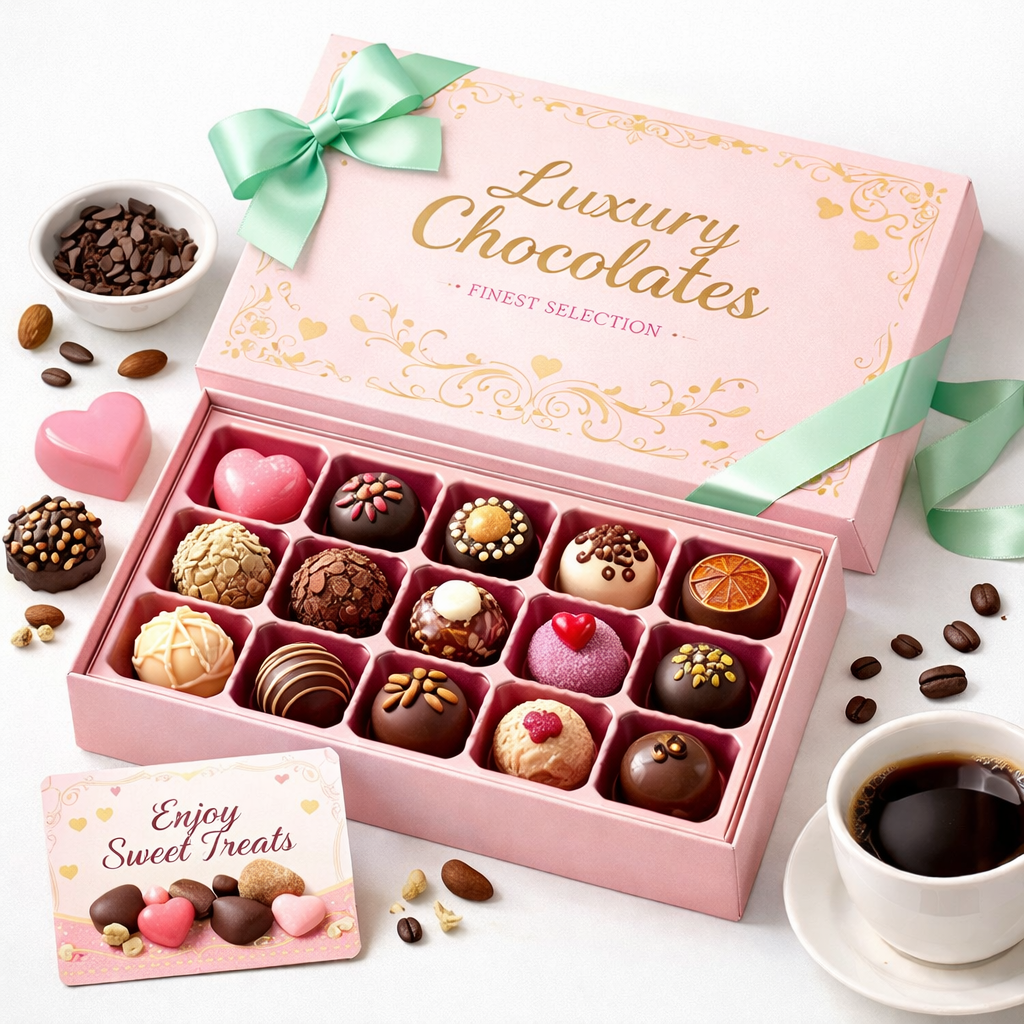
Chocolate products can be surprisingly fragile. A small scratch on a glossy praline or a cracked decoration on a handmade bonbon may affect how customers perceive the entire collection.
Molded-pulp inserts can help prevent excessive movement by giving each piece its own compartment. Raised walls separate neighboring chocolates, while shaped cavities support the product from underneath.
This is especially useful for assorted gift boxes containing chocolates with different shapes and finishes. Instead of allowing the pieces to move freely inside the package, the insert creates a more organized arrangement.
Designing Inserts for Different Chocolate Shapes
Not every chocolate needs the same type of cavity. Round truffles may require deeper, rounded compartments, while square chocolates often work better with flatter, more defined spaces.
Heart-shaped pralines, miniature chocolate bars, and decorative seasonal pieces may need more specialized designs. Before production begins, manufacturers should confirm the dimensions, weight, shape, and number of chocolates that will go into each box.
A good fit helps reduce movement while allowing customers to remove the chocolates easily. If the cavities are too large, the pieces may shift during transport. If they are too tight, customers may struggle to lift them out.
Testing Packaging Before Mass Production
Although molded pulp can provide cushioning, it does not automatically guarantee protection under every shipping condition. Performance depends on the insert's design, material thickness, product weight, and the strength of the outer box.
Businesses should test samples under realistic conditions, including vibration, compression, handling, and changes in humidity. This is particularly important for online chocolate businesses that ship orders over long distances.
The outer box also matters. Reinforced corners, a secure closure, and suitable structural strength can work together with the molded-pulp insert to protect the chocolates throughout delivery.
Creating a Unique Layout for Your Brand
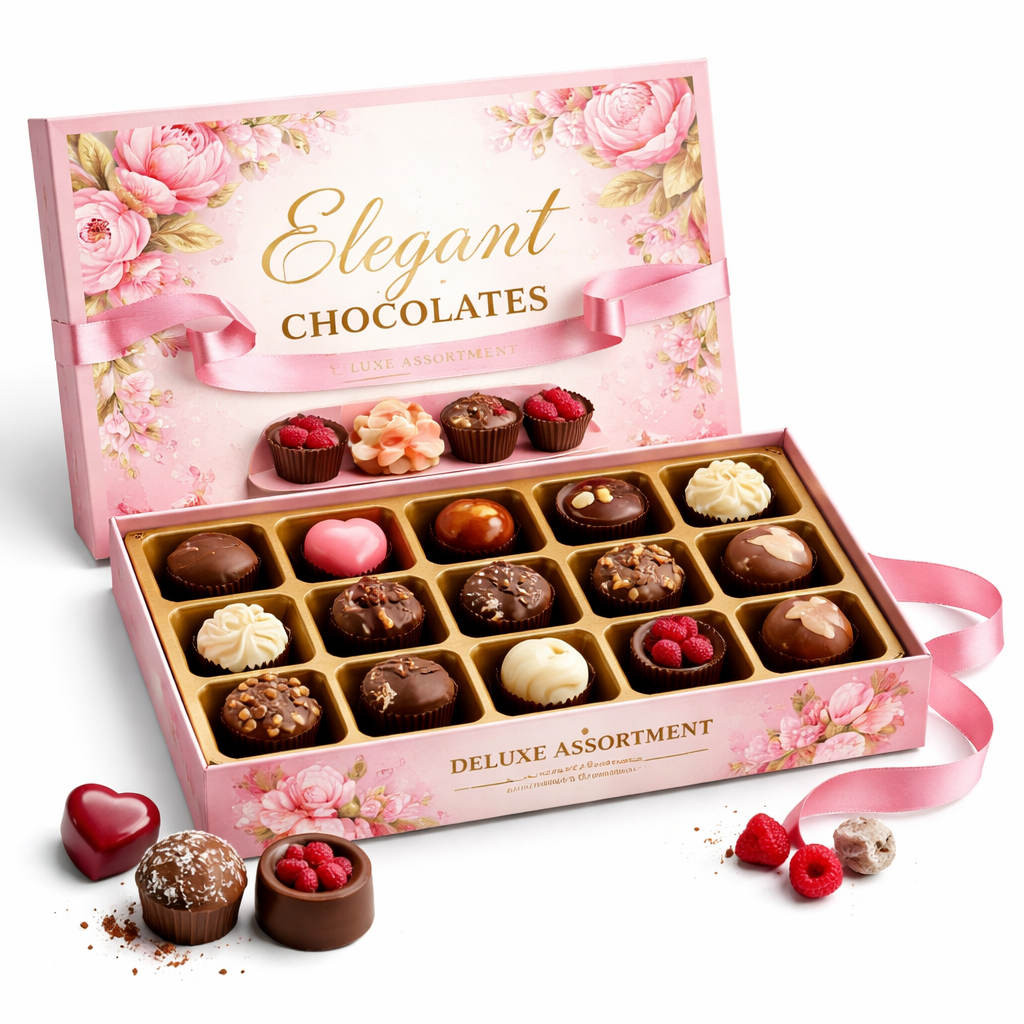
One of the most useful features of molded-pulp packaging is its design flexibility. Instead of choosing a standard tray that only partly fits the product, brands can develop an insert around their specific chocolate collection.
A twelve-piece gift box might feature a symmetrical arrangement, while a luxury assortment could include larger compartments for signature chocolates and smaller ones for supporting flavors. Seasonal collections can also use distinctive layouts that match the occasion.
Custom designs can make the entire presentation feel more intentional. When every piece has its own place, the customer sees an organized collection rather than a group of chocolates packed into a container.
Combining Molded Pulp With Premium Outer Boxes
A foam-free insert does not mean a business has to give up a luxurious appearance. In fact, molded pulp can work well with high-quality paperboard and rigid gift boxes.
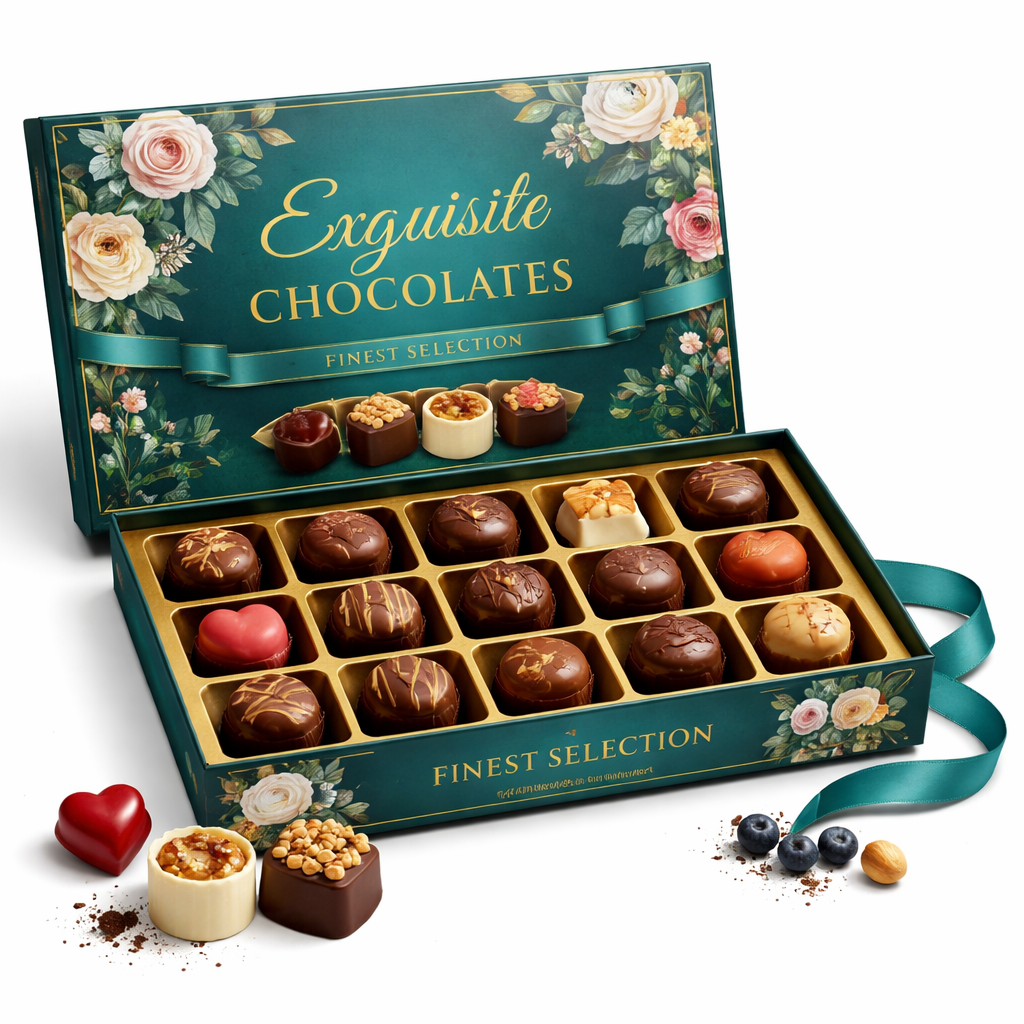
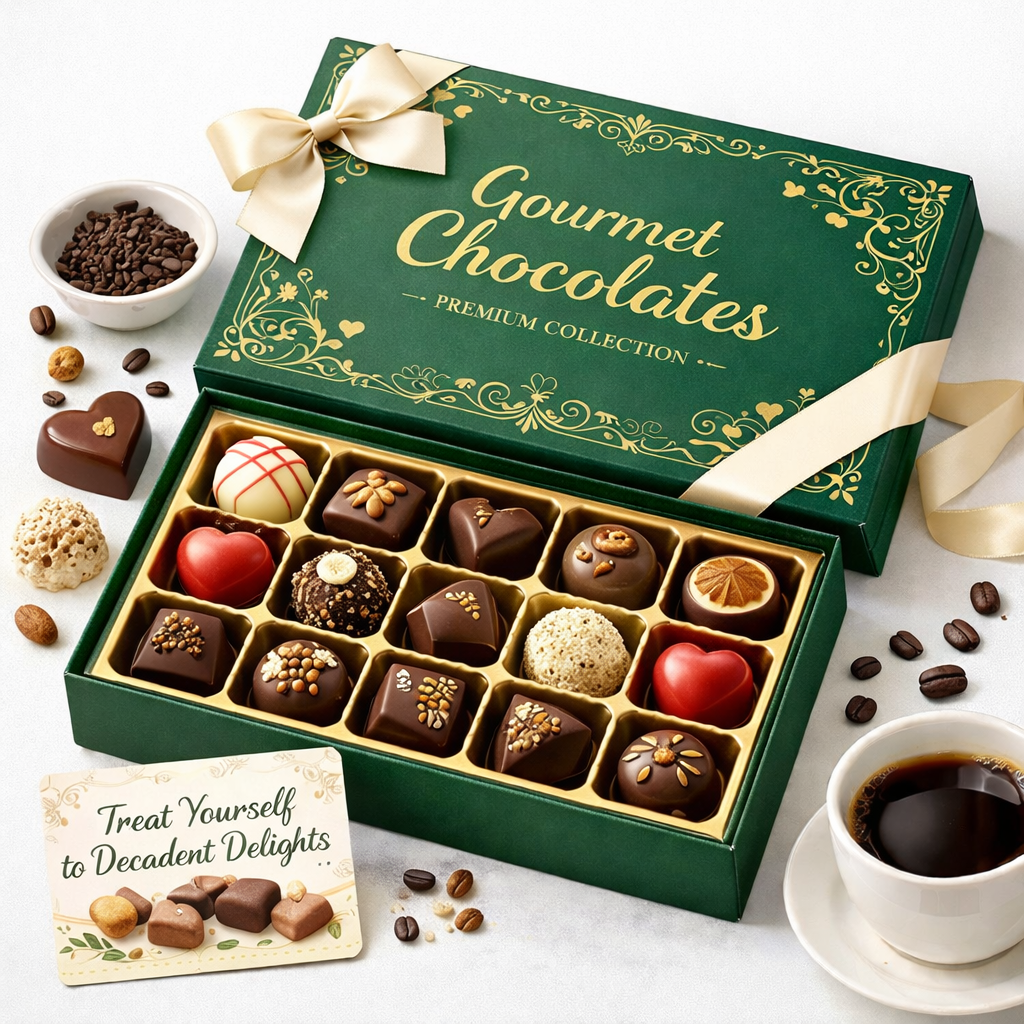
Imagine a dark green chocolate box with gold foil lettering and a carefully fitted pulp insert. The outer packaging creates a premium first impression, while the insert keeps the chocolates separated and neatly presented.
Another brand might prefer a natural kraft exterior with simple black printing. This style can suit artisan chocolates, handmade gifts, or brands that favor a minimal visual identity.
The most effective design is one in which the inner insert and outer box complement each other. Color, texture, proportions, and opening experience should all support the same brand message.
Adding Logos, Colors, and Finishing Details
Custom chocolate paper boxes can include a variety of branding features, such as printed artwork, embossing, debossing, foil stamping, and custom sleeves.
For many businesses, the outer box is the best place to display detailed graphics and brand information. Molded pulp often has a naturally textured surface, so intricate printing may be less suitable directly on the insert.
Before confirming a large order, request physical samples to review the actual color, surface texture, cavity fit, and overall presentation. Digital mockups are helpful, but they cannot fully represent how the finished packaging will feel in a customer's hands.
Making Use of Recycled Paper Fibers
Many molded-pulp inserts use recycled paper fibers, although some products contain virgin fibers or other plant-based materials. The actual composition depends on the manufacturer's materials and production process.
Using recycled fibers can help give existing paper materials another purpose. For chocolate brands, this may offer a practical way to explore packaging options that align with waste-reduction targets.
However, businesses should always confirm the recycled content instead of assuming that every molded-pulp product is made entirely from recycled paper. Material specifications and supplier documentation provide a more reliable basis for environmental claims.
Considering Recycling and Disposal
Paper-based packaging can be easier to recycle in some locations than conventional foam, but the outcome depends on local recycling systems and the finished product's construction.
For example, certain coatings, adhesives, or mixed materials may affect whether the complete package can enter a local paper recycling stream. Food contamination is another consideration because chocolate residue and oils can interfere with recycling.
Brands should review the insert and outer box as a complete system. Where possible, choosing compatible materials and providing clear disposal instructions can help customers understand what to do after opening the package.
Avoiding Greenwashing in Packaging Marketing
Sustainability claims should be specific and supported by evidence. Words such as "biodegradable," "compostable," and "eco-friendly" can create expectations that a product may not meet in every situation.
A paper-based insert is not automatically suitable for home composting, and a recyclable material is not guaranteed to be recycled everywhere. The presence of coatings, additives, or other components can change how a package should be handled.
A better approach is to explain the verified material composition, recycled content, and applicable disposal options. Honest information gives customers a clearer understanding of the packaging and helps brands build long-term trust.
Options for Artisan Chocolate Makers
Small chocolate businesses often depend on presentation to stand out in a crowded market. A well-designed box can make handmade products feel more professional and gift-ready without requiring an overly complicated structure.
Molded-pulp inserts may work well for truffles, pralines, seasonal collections, and assorted handmade chocolates. Individual compartments can also make manual packing easier by providing a consistent arrangement for each order.
Before choosing a custom insert, small businesses should consider tooling costs, minimum order quantities, storage space, and the time required to assemble the packaging. A standard design may be more economical for a limited production run, while a custom mold may make more sense as order volumes grow.
Solutions for Retail and Corporate Gifts
Retail packaging needs to maintain a consistent appearance across many units. Inserts should fit securely, hold their shape, and support an efficient packing process.
Corporate chocolate gifts may require additional customization, such as company logos, personalized messages, and coordinated colors. A rigid outer box combined with a molded-pulp insert can create an organized gift presentation while offering space for branding.
For larger orders, businesses should compare unit pricing, production capacity, lead times, sample quality, and shipping costs. The cheapest packaging option is not always the most cost-effective if it causes damage, slows packing, or creates unnecessary waste.
Questions to Ask Your Packaging Supplier
Before placing an order, ask the supplier about the fiber composition, insert dimensions, available cavity designs, and compatibility with your outer box. It is also worth confirming whether the material is suitable for direct contact with the intended product or requires an appropriate food-contact barrier.
Other important questions include whether custom tooling is necessary, how many samples can be reviewed, and what quality-control procedures are used during production.
A reliable supplier should be able to explain the available specifications and help identify potential design issues before mass production begins. Clear communication at this stage can reduce costly changes later.
Molded-pulp chocolate paper boxes provide brands with an alternative to traditional foam inserts while offering opportunities for custom design, product organization, and a more paper-focused packaging strategy. Their individual compartments can help protect delicate chocolates, and their compatibility with custom paperboard or rigid boxes makes them suitable for a wide range of gift and retail applications.
For businesses considering this option, the most important step is to balance appearance, protection, cost, and material performance. Start by understanding your chocolate dimensions, testing sample inserts, reviewing supplier specifications, and checking local recycling requirements. These steps help ensure that the packaging works for both the product and the customer.
A successful foam-free design is not simply about changing materials. It is about creating a complete packaging solution that protects the chocolates, reflects the brand, and supports realistic sustainability goals. With the right design and manufacturing partner, molded-pulp inserts can become a valuable part of a modern chocolate packaging strategy.
Molded-pulp chocolate paper boxes are chocolate packaging solutions that use shaped fiber inserts, usually made from recycled paper or other plant-based fibers, to hold chocolates securely. These inserts feature individual compartments that help prevent chocolates from moving around during storage and transportation. When paired with custom paperboard or rigid boxes, they offer a practical alternative to traditional foam inserts while maintaining an attractive presentation for retail products and chocolate gifts.
Molded-pulp chocolate paper boxes can be a useful alternative to conventional foam packaging, especially for brands looking to reduce their reliance on expanded plastic materials. They can provide individual compartments, cushioning, and a natural paper-based appearance. However, performance depends on the insert design, chocolate shape, and shipping conditions. Businesses should test samples before mass production and compare material sourcing, durability, cost, and disposal options to determine which solution best meets their needs.
Yes, molded-pulp chocolate paper boxes can be customized to accommodate different chocolate shapes, sizes, and quantities. Manufacturers can design individual cavities for truffles, pralines, chocolate squares, and seasonal confectionery collections. The outer box can also feature custom logos, printed graphics, foil stamping, embossing, and other finishing details. Before production, brands should confirm the chocolate dimensions and request samples to ensure the insert fits properly and complements the overall packaging design.
Molded-pulp chocolate paper boxes can support more sustainable packaging strategies when they use responsibly sourced fibers, contain verified recycled content, and are compatible with local recycling systems. Compared with certain foam alternatives, paper-based inserts may offer easier disposal in some regions. However, their environmental impact depends on manufacturing methods, transportation, coatings, adhesives, and end-of-life treatment. Businesses should verify material specifications and avoid making unsupported claims about biodegradability, compostability, or recyclability.
When selecting a supplier, businesses should evaluate material quality, customization options, production capacity, minimum order quantities, pricing, and delivery times. It is also important to ask about custom mold costs, food-contact suitability, quality-control procedures, and sample availability. Testing the packaging with actual chocolates can help confirm that the compartments provide adequate support and that the outer box closes securely. Comparing several suppliers can help chocolate brands find a reliable packaging partner that balances product protection, visual appeal, and overall cost.
Post time: Oct-27-2026


