


Food‑Grade Packaging Matters for Cakes and Pastries
What Food‑Grade Packaging Really Means
When you’re selling cakes, pastries, or other baked goods, choosing the right food‑grade packaging is not optional—it’s essential to protect your products, preserve freshness, and comply with safety standards. Food‑grade packaging refers to materials that are safe for direct or indirect contact with food, meaning they won’t transfer harmful chemicals, odors, or contaminants to the food they hold.
Why Food Safety Is Crucial for Bakeries
For bakeries, patisseries, and dessert shops, food safety isn’t just a compliance checkbox—it’s part of your brand promise. Customers trust that the cake they buy will taste great, look beautiful, and remain safe to eat. Choosing the wrong packaging material can lead to compromised products, customer complaints, and even legal liability.
The Role of Packaging in Customer Perception
First impressions matter. Beautiful, sturdy, and food‑safe packaging tells customers your brand cares about quality from the inside out. Packaging is often the first physical interaction your customer has with your product—so it needs to protect and impress.
Solid Bleached Sulfate (SBS) Board
SBS board is a premier choice for high‑end pastries and cakes. It’s bright white, smooth, and perfect for striking printing designs. Its surface accepts colors well, giving your brand visuals a clean and professional presentation.
Kraft Paperboard for an Eco Look
Kraft paperboard brings a natural, rustic aesthetic that resonates with artisan and organic food brands. Its inherent strength and eco‑friendly appeal make it ideal for environmentally conscious bakers.
Corrugated Board for Protection and Shipping
When you need to ship cakes long distances, corrugated board is unmatched in strength and shock resistance. Its fluted middle layer absorbs impacts and keeps delicate pastries intact during transport.
Rigid Chipboard for Luxury Packaging
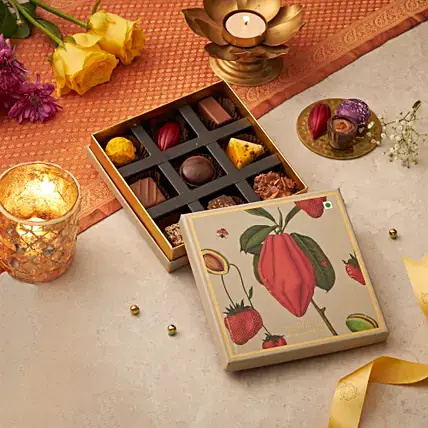
For premium gift boxes, rigid chipboard delivers a heavy, high‑quality feel. Wrapped in decorative paper or specialty finishes, it elevates the unboxing experience—making it perfect for wedding cakes, gift assortments, or collector’s desserts.
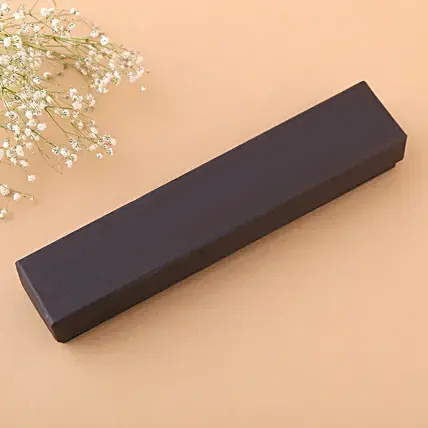
It can feel overwhelming when you\'re choosing custom printed candy boxes. Don’t fret; we’re here to assist, both as interpreters and digesters of the essentials, so you can make a more informed choice. But this will be the best way to determine what’s right for your product, and brand, and budget. With this information incoming you can work with a supplier far better.
Choosing the Right Material
The select materials can establish the appearance, manufacture process, and box's cost.
- Paperboard (Folding Carton): This material is very popular and is cost-effective. It's quite functional and is widely used for most candy boxes, including favor boxes and larger ones.
- Kraft Paper: It is the best option for having a rustic, nature, or eco-friendly finish. Kraft paper has a brown, earthy color that's ideal for organic or handmade brands.
- Rigid Board: A product like luxury chocolates or gift sets needs rigid board, which is a perfect choice. This material is thick, durable, and has a high-end look. These types of boxes are not collapsible.
- Corrugated Cardboard: This material is ideal for shipping boxes or large, heavy candy sets. It's designed uniquely with the layers giving extra strength and protection.
Trendy Candy Box Styles
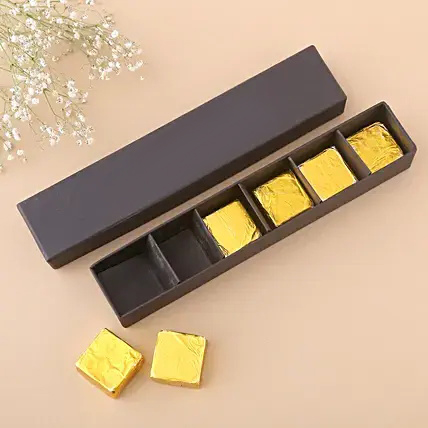
The manner of use, and the mode of opening of the consumer is also defined by box shape. Use of sleeve boxes, two piece rigid boxes and window cut-out boxes offer diverse brand experiences. A boxes’ eye is all you need to observe possible designs for your brand look and feel. For instance, a window can be located for customers to see the tasty candy inside. It can be a better way to sell.
FDA Compliance for U.S. Markets
For any packaging that touches food sold in the U.S., FDA compliance is critical. It ensures materials and inks meet strict safety standards and won’t contaminate food.
EU Food Contact Regulations
If your products will reach European customers, conforming to EU food contact material regulations confirms safety criteria that differ from those in the U.S. market. Always verify compliance with your packaging supplier.
Sustainable Sourcing with FSC Certification
Consumers increasingly care about sustainability. FSC certification (Forest Stewardship Council) demonstrates that paperboards come from responsibly managed forests—appealing to eco‑minded buyers.
ISO 9001 for Quality Management
Packaging suppliers with ISO 9001 certification follow rigorous quality processes, reducing errors and ensuring consistency across production batches—especially important for large orders and custom designs.
Balancing Safety with Brand Identity
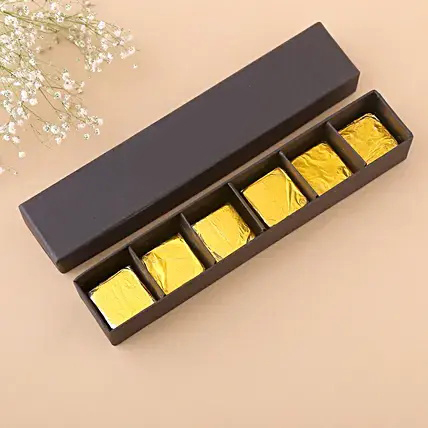
Great food packaging does more than protect—it tells your brand’s story. Vibrant graphics, clean typography, and memorable brand elements turn a simple box into a marketing tool.
Custom Window Cutouts for Product Visibility
Transparent windows not only showcase your delicious products but also build trust. They let customers see what they’re buying without compromising hygiene.
Structural Design for Stability
For multi‑tiered cakes or delicate pastries, structural design features like reinforced bases, internal supports, and secure closures ensure your products stay intact.
Choosing the Right Printing Method
High‑quality printing enhances color vibrancy and visual appeal. Options like offset printing, digital printing, and embossed finishes can elevate the unboxing experience and boost perceived value.
Working Directly with Trusted Suppliers
Partnering with a supplier that understands food‑grade packaging requirements means fewer mistakes, faster turnarounds, and peace of mind. Look for partners who offer certifications, clear material specifications, and product samples.
Requesting Samples Before You Buy
Before ordering in bulk, request physical samples. This allows you to test print quality, check material strength, and even hold food items inside the packaging to validate safety and fit.
Understanding Lead Times and Production Schedules
Custom packaging takes planning. Coordinate your packaging order with your production schedule to avoid last‑minute rushes. Reliable suppliers will give you clear timelines and updates throughout the process.
Cost vs. Value: Making Smart Choices
Cheaper packaging may save money upfront but can harm your brand if the quality is poor. Focus on value: materials that protect your products, represent your brand well, and withstand shipping or display conditions.
Selecting the right food‑grade packaging for cakes and pastries isn’t just about finding a box—it’s about protecting quality, ensuring safety compliance, and amplifying your brand’s story. From understanding the materials and coatings that work best for your products, to verifying certifications like FDA compliance and FSC, every decision impacts shelf life, customer experience, and brand perception.
At its core, successful packaging achieves three things:
- Protects your product — preventing contamination, damage, and quality loss.
- Meets safety standards — with certified, compliant materials and inks.
- Elevates your brand — through thoughtful design and a memorable unboxing experience.
Partnering with a knowledgeable packaging supplier who understands food‑grade packaging requirements can make all the difference. Whether you sell artisanal cupcakes, luxury cakes, or mixed pastry boxes, the right food‑safe packaging enhances product quality and builds customer trust.
Answer: Food-grade packaging refers to materials that are safe for direct or indirect contact with food. These materials do not transfer harmful chemicals, odors, or contaminants to your cakes, pastries, or other baked goods. Common examples include SBS board, kraft paperboard, and corrugated cardboard with food-safe coatings.
Answer: Popular food-grade packaging materials include:
- SBS (Solid Bleached Sulfate) Board – smooth, bright, premium quality.
- Kraft Paperboard – eco-friendly, rustic appearance.
- Corrugated Board – strong and ideal for shipping.
- Rigid Chipboard – luxurious feel for gift boxes.
Choosing the right material depends on product type, shipping needs, and brand positioning.
Answer: Coatings help protect food and improve box durability. Common food-grade coatings include:
- Aqueous Coating – water-based, food-safe for general use.
- PE Coating – moisture and grease resistant, ideal for cream cakes.
- UV Spot Coating – decorative high-gloss accents.
- Matte Lamination – soft-touch luxury finish for premium packaging.
Answer: Yes. Always check that your supplier provides:
- FDA compliance for the U.S. market.
- EU food contact regulations for Europe.
- FSC certification for sustainably sourced paper.
- ISO 9001 for quality management and consistent production.
Answer: Effective food-grade packaging balances safety and aesthetics. Tips include:
- Use structural designs that prevent damage during shipping.
- Include windows to showcase the product safely.
- Incorporate your branding with high-quality printing or coatings.
- Consider eco-friendly and personalized options to enhance customer appeal.
Post time: Mar-27-2026


