


Understanding FOP Packaging Requirements
FOP stands for Front-of-Package. It generally refers to nutrition information displayed on the front of food packaging, allowing shoppers to understand important nutritional details without turning the product around. For US food brands, front-facing nutrition information is an increasingly important packaging consideration. The FDA has proposed a front-of-package nutrition labeling approach that highlights saturated fat, sodium, and added sugars. Brands should check the latest FDA requirements and implementation timelines before finalizing their packaging.
Why Retail Buyers Care About Packaging
Retail buyers want products that are easy to display, understand, and sell. Packaging that clearly presents the product name, flavor, nutrition information, and brand identity can make a positive impression. Well-designed Custom Cookie Boxes help retailers organize shelves while giving consumers a straightforward shopping experience.
Packaging Is Part of the Customer Experience
Imagine a shopper comparing two cookie products. One has a cluttered design with difficult-to-read information, while the other uses a clean layout with clear product details. The second option may feel more trustworthy and easier to understand. Good packaging does not need to be complicated. It needs to communicate the right information at the right time.
When designing packaging for the US retail market, the front panel deserves special attention. It is usually the first area customers see, and it has limited space. Brands need to balance attractive visuals with practical information.
Give Important Information Enough Space
The front panel should have a clear visual hierarchy. The brand logo, cookie name, flavor, and key product information should be arranged in a logical order. Avoid squeezing too many messages into one small area. A crowded design can make even a premium product look less professional.
With Custom Cookie Boxes, brands can create dedicated spaces for front-of-pack nutrition information while maintaining an attractive overall appearance. Before approving the artwork, check the available panel dimensions and confirm that all required information can be displayed clearly.
Choose Readable Fonts and Contrasting Colors
Typography plays a bigger role than many brands realize. Decorative fonts may look attractive, but they are not always easy to read on small packaging. Choose fonts that remain clear when printed at the final box size.
Color contrast is equally important. For example, dark text on a light background can improve readability. If your brand uses bright colors, make sure important product information does not disappear into the design.
Avoid Misleading Nutrition Claims
Words such as "healthy," "low sugar," "high fiber," and "reduced sodium" can influence buying decisions. However, these claims may be subject to specific FDA requirements. Brands should verify that their products qualify before adding such statements to their Custom Cookie Boxes.
A beautiful design is valuable, but accurate information matters even more. Working with packaging designers and food-labeling specialists can help prevent costly artwork changes later.
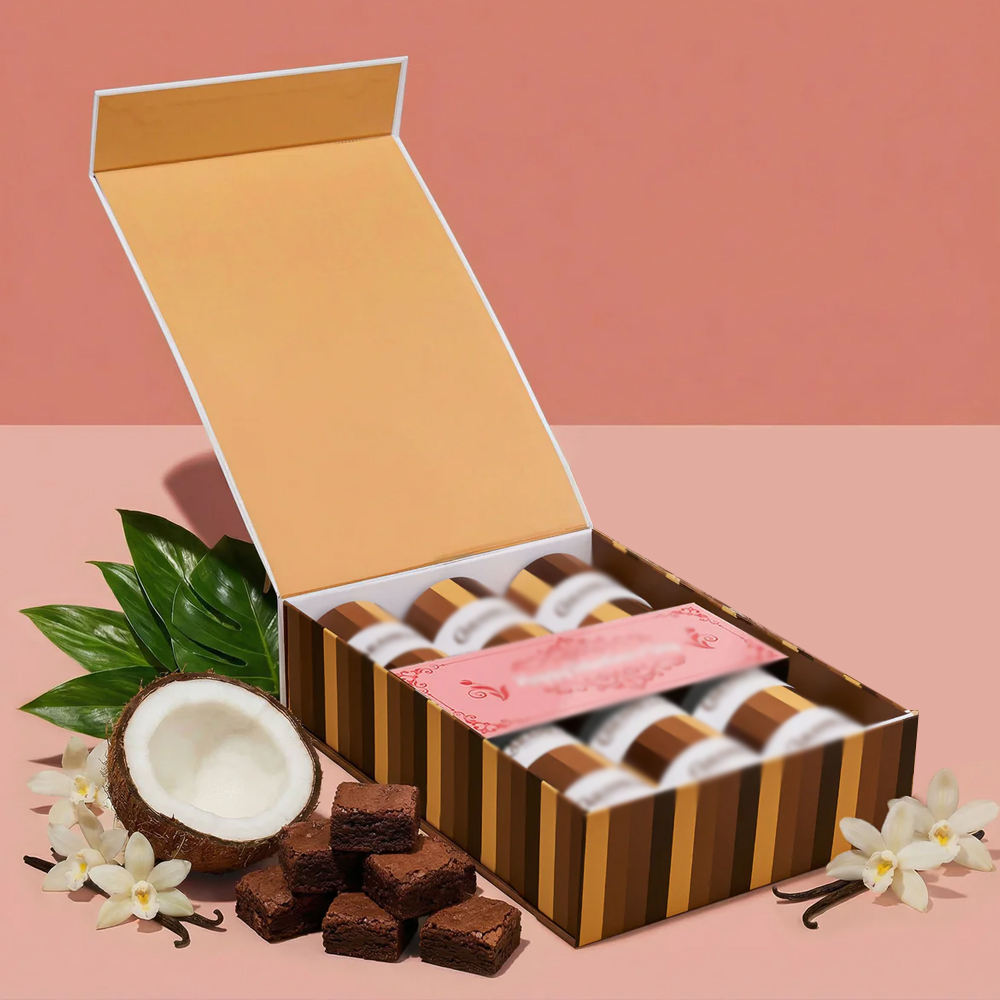
A great packaging design needs the right material behind it. Cookies are delicate products. They can break, lose freshness, or absorb moisture when packaging is not properly selected. For retail brands, choosing suitable materials is an important part of product protection.
Paperboard for Everyday Cookie Packaging
Paperboard is a popular option for cookie boxes because it offers a good balance between print quality, flexibility, and cost. It works well for supermarket products, bakery collections, seasonal cookie gifts, and individually packed cookie assortments.
Brands can choose different thicknesses depending on the cookie weight and packaging structure. A lightweight paperboard box may work for a small cookie assortment, while a thicker option can provide additional support for larger retail packs.
Rigid Boxes for Premium Cookie Collections
Premium cookies often need packaging that feels special before customers even open it. Rigid boxes offer a sturdy structure and a more luxurious presentation. They are suitable for holiday collections, corporate gifts, boutique bakeries, and high-end cookie assortments.
Although rigid packaging generally costs more than standard folding cartons, it can help create a stronger premium image. Brands can also add custom inserts to keep individual cookies in position.
Food-Safe Inner Packaging
The outer box is only one part of the packaging system. Depending on the product, cookies may also require food-contact liners, pouches, trays, or other protective components.
When developing Custom Cookie Boxes, brands should consider the complete packaging structure. Materials that directly contact food must comply with applicable food-contact requirements. The outer packaging should also protect the product from handling damage, moisture, and environmental exposure.
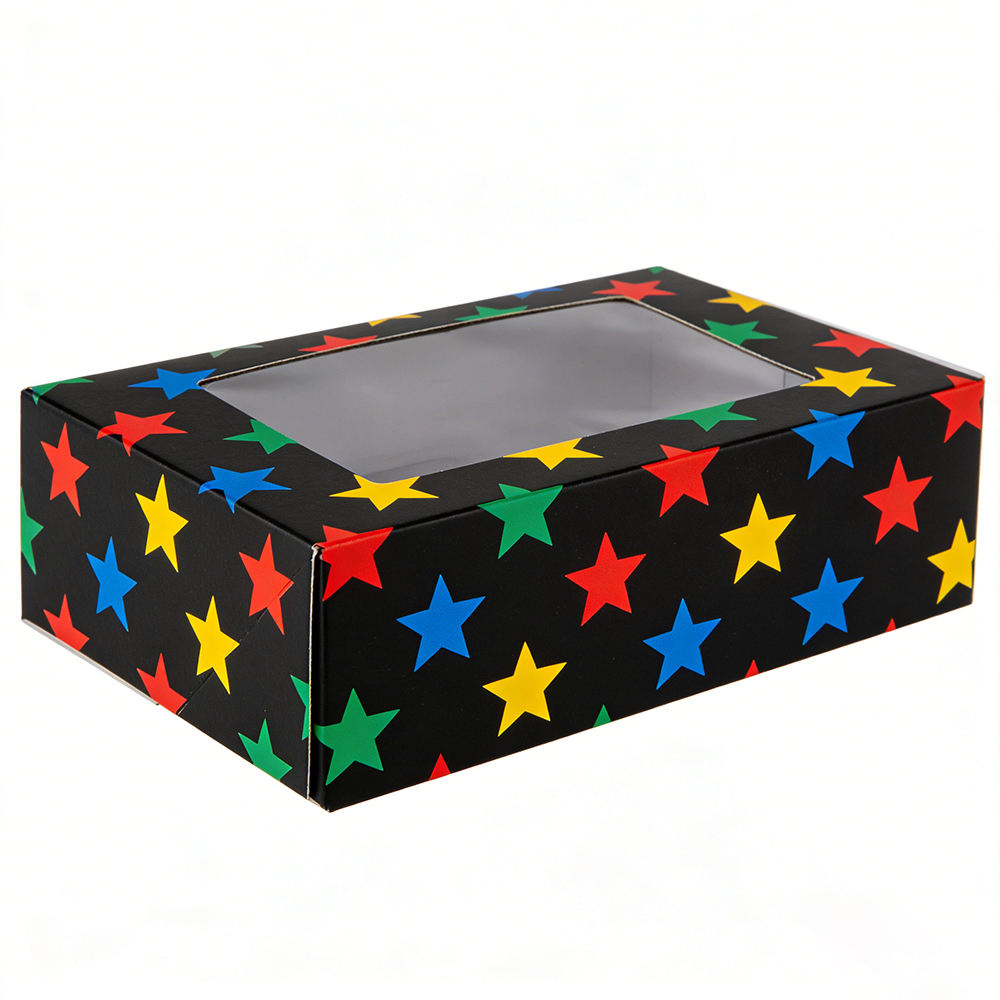
In a crowded retail environment, packaging appearance can influence whether customers notice a product. Printing technology gives cookie brands plenty of ways to create an attractive and recognizable design without making the box unnecessarily complicated.
High-Quality Printing for Brand Recognition
Offset printing is a common choice for larger packaging orders because it can deliver consistent colors and sharp graphics. Digital printing is another useful option, particularly for smaller production runs, product testing, and seasonal designs.
With professionally printed Custom Cookie Boxes, brands can maintain consistent visual elements across different cookie flavors. For example, a bakery might use one main color for chocolate chip cookies, another for oatmeal cookies, and a third for butter cookies while keeping the same logo and layout.
Add Finishing Details for a Premium Look
Special finishing techniques can give packaging a more distinctive appearance.
Popular options include:
- Matte lamination: Creates a smooth, understated finish.
- Gloss lamination: Adds shine and makes colors look vibrant.
- Foil stamping: Highlights logos or selected design elements.
- Embossing: Creates raised details for a tactile experience.
- Spot UV: Adds selective gloss to specific printed areas.
The key is to use finishing techniques with a clear purpose. Too many effects can make packaging look busy and increase production costs.
Window Designs for Better Product Visibility
Some cookie brands want shoppers to see the actual product before purchasing. A transparent window can help achieve this goal. It allows customers to view cookie shapes, colors, and decorations without opening the package.
Window-style Custom Cookie Boxes are particularly useful for bakery products, handmade cookies, and premium assortments. However, the window material and structure should be selected carefully to maintain product protection and meet applicable food-packaging requirements.
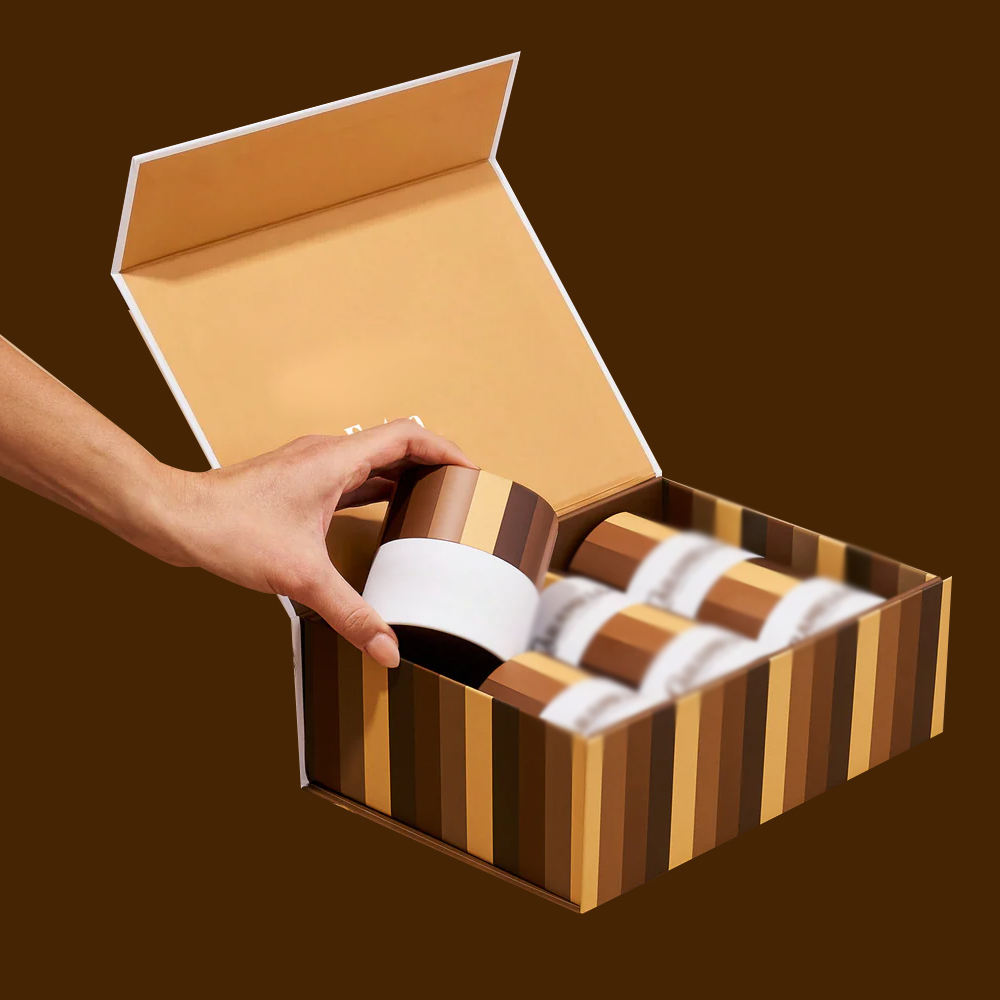
Getting a cookie product onto store shelves is only one step. Packaging also needs to survive transportation, warehouse handling, stocking, and customer interaction. A box that looks attractive but cannot handle distribution challenges may create unnecessary problems for a food business.
Design for Shipping and Storage
Before choosing a box structure, consider how the product will move through the supply chain. Will it be shipped in large master cartons? Will individual boxes be stacked in warehouses? Will retailers display them vertically or horizontally?
These questions affect the required board thickness, folding structure, and internal support.
Well-planned Custom Cookie Boxes can reduce movement inside the package and help protect fragile cookies during transportation. The packaging should also be easy for retailers to unpack, organize, and replenish.
Consider Shelf Display and Retail Convenience
Retail shelves have limited space. Packaging that uses its dimensions efficiently can make stocking easier and improve product presentation.
Some brands prefer traditional rectangular boxes, while others choose compact cartons or display-ready packaging. The best format depends on product size, retail positioning, and distribution requirements.
A practical design should also include enough space for necessary product information, barcode placement, and other retail details. Before production, confirm the barcode artwork and test its readability.
Think About Sustainability
Sustainability has become an important consideration for many US consumers and retailers. Recyclable paperboard, responsible material sourcing, and reduced unnecessary packaging can all contribute to a more thoughtful packaging strategy.
Brands should avoid making unsupported environmental claims. If a box is described as recyclable, compostable, or made from recycled materials, those statements should be accurate and appropriately qualified.
Choosing suitable Custom Cookie Boxes can help brands balance product protection, attractive presentation, and material efficiency.
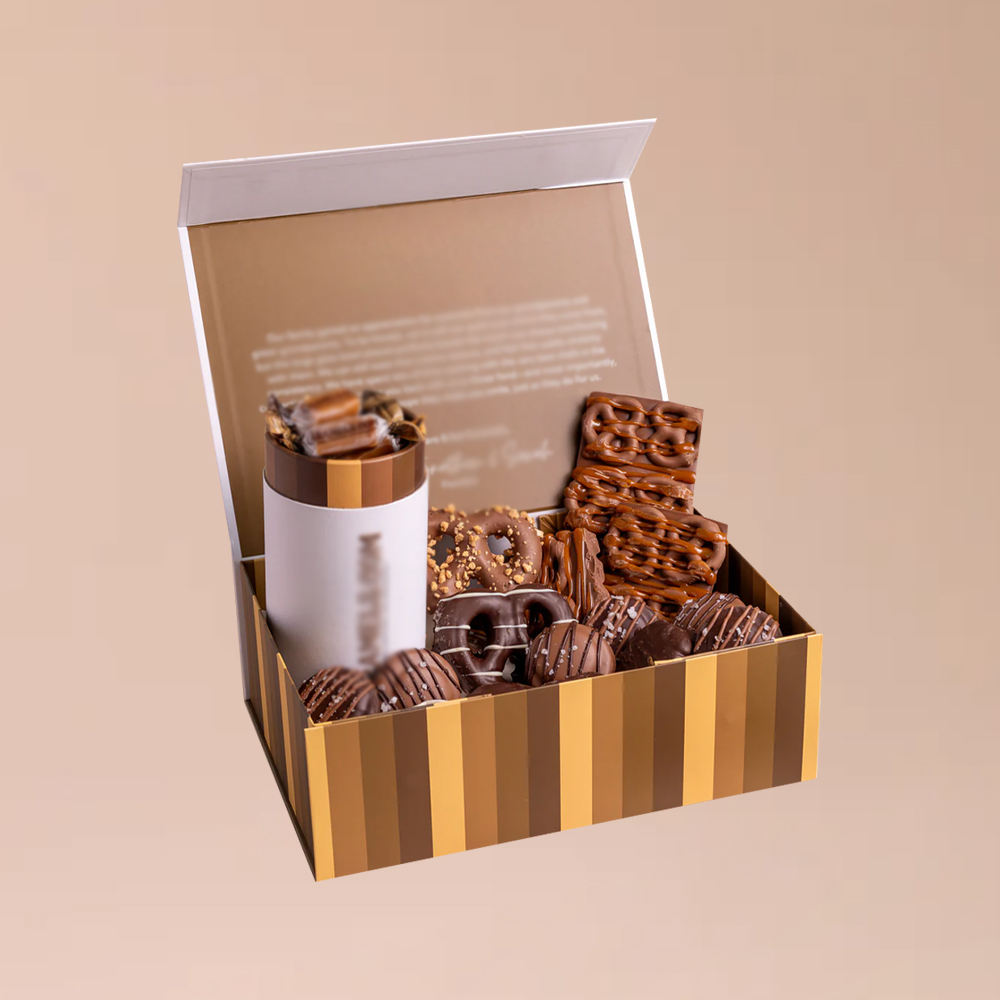
Even the best packaging concept needs reliable production behind it. Working with an experienced packaging manufacturer can help cookie brands turn their ideas into practical retail packaging.
Start with Accurate Product Measurements
Before requesting a quotation, prepare the basic product details. These include cookie dimensions, quantity per box, total package weight, and any additional inner packaging.
Accurate measurements help manufacturers recommend a suitable box structure. They also reduce the risk of boxes being too tight, too loose, or difficult to assemble.
Request Samples Before Mass Production
A digital design may look perfect on a computer screen, but the finished package can feel very different. Requesting a physical sample allows you to check the material, printing colors, folding structure, and overall appearance.
You can also test how easily cookies fit inside the box and whether the packaging provides enough protection.
For larger retail orders, this step is especially important. Making adjustments before mass production is usually easier than correcting an entire batch afterward.
Confirm Printing and Labeling Details
Before approving the final artwork, review every printed element carefully. Check spelling, ingredient information, nutrition facts, allergen statements, net quantity, barcode placement, and other applicable labeling details.
Remember that packaging suppliers can help with printing and structural design, but food manufacturers remain responsible for ensuring that their product labels meet applicable regulations.
Plan Production Lead Times
Custom printing involves several stages, including artwork preparation, sampling, material purchasing, printing, finishing, and final assembly.
If you are preparing for a holiday launch or a major retail promotion, leave enough time for revisions and production. A clear production schedule makes it easier to coordinate packaging delivery with cookie manufacturing and retail distribution.
A dependable supplier should communicate production details clearly and help you understand the available customization options.
The US cookie market offers plenty of opportunities, but brands need more than a delicious recipe to compete successfully. Packaging plays an important role in product protection, shelf presentation, customer communication, and retail distribution. From readable front-of-pack information to durable paperboard materials, every design decision can influence the final shopping experience.
Investing in well-designed Custom Cookie Boxes allows food brands to create packaging that combines practical performance with attractive branding. The right printing techniques, structural design, and material selection can help products look professional while supporting everyday retail needs.
Most importantly, FOP-ready packaging should be planned with regulatory awareness. Brands should monitor current FDA requirements, verify nutrition information, and review all applicable labeling rules before sending artwork to production.
Whether you are launching a new cookie line, expanding into US supermarkets, or upgrading existing bakery packaging, choosing an experienced custom packaging manufacturer can make the process smoother. Start with a clear packaging concept, test your samples, and build a box that protects your cookies while giving customers a reason to notice your brand.
FOP-ready Custom Cookie Boxes are designed to accommodate front-of-package nutrition information while maintaining an attractive retail appearance. They help cookie brands present important product details clearly and create a better shopping experience.
Depending on the product and applicable FDA requirements, cookie packaging may need product names, ingredient lists, allergen declarations, nutrition facts, net quantity, manufacturer details, and front-of-package nutrition information.
Paperboard and cardboard are popular choices because they offer good print quality, flexible customization, and practical protection. Premium brands can also choose rigid boxes, custom inserts, and food-safe inner packaging.
Yes! Custom Cookie Boxes can feature transparent windows, matte or gloss lamination, foil stamping, embossing, and spot UV. These options help showcase cookies and create a distinctive brand image on retail shelves.
Start by providing your cookie dimensions, box quantity, preferred materials, and artwork requirements. Request a physical sample to check the structure and printing quality before mass production. Make sure all labeling information meets applicable US food packaging regulations.
Post time: Nov-02-2026


