


Understanding the Importance of Ethical Chocolate Gift Boxes
Chocolate Gift Boxes are more than attractive containers. They are part of a product's identity and can communicate a brand's values to customers. When companies choose packaging suppliers that take responsible sourcing seriously, they can demonstrate a commitment to ethical business practices.
Forced labor remains a concern in some global supply chains, particularly in industries that rely on complex sourcing networks and labor-intensive production. Although chocolate packaging itself may not contain cocoa, its paper, board, inks, adhesives, and manufacturing processes also deserve attention. A responsible approach considers the entire supply chain rather than focusing on the finished product alone.
Why Customers Care About Responsible Packaging
Today's consumers often want to know more about the products they purchase. They may look for recyclable materials, transparent sourcing information, and evidence that businesses treat workers fairly. Ethical considerations can influence how customers perceive a brand, especially when buying premium gifts or corporate products.
For chocolate manufacturers, retailers, and gift businesses, responsible packaging can help build stronger relationships with customers. A thoughtful design combined with credible sourcing practices creates a more complete brand experience.
Moving Beyond Appearance and Price
Packaging decisions are frequently based on cost, color, printing quality, and delivery time. These factors remain important, but ethical sourcing should also be included in the purchasing process.
Choosing a supplier solely because it offers the lowest price may leave important questions unanswered. Where do the materials come from? Who manufactures the boxes? Can the supplier provide information about its production facilities? Asking these questions helps businesses make more informed decisions and reduce potential supply chain risks.
The materials used to manufacture chocolate packaging influence its appearance, durability, environmental impact, and sourcing requirements. Selecting appropriate materials is therefore an important step toward developing more responsible packaging solutions.
Paperboard and Recycled Materials
Paperboard is a popular choice for Chocolate Gift Boxes because it is versatile, easy to print, and available in different thicknesses. It can be used for luxury chocolate boxes, seasonal gift packaging, retail display boxes, and customized corporate gifts.
Businesses may consider recycled paperboard or paper sourced from responsibly managed forests. These options can support broader sustainability goals, although the best choice depends on product requirements, material availability, and local recycling systems.
When evaluating paper-based packaging, buyers should ask suppliers for relevant documentation. Depending on the material and supply chain, this may include recycled-content information, forestry certification, or records identifying the source of the paperboard.
Printing Inks, Coatings, and Finishing Materials
A premium chocolate box often includes colorful printing, metallic details, protective coatings, or decorative finishes. These features help create an attractive appearance, but they also introduce additional materials that deserve consideration.
Water-based inks, appropriately selected coatings, and recyclable finishing options may help businesses meet specific environmental goals. However, no single printing method automatically guarantees ethical production. Companies should also understand where these materials are manufactured and whether their suppliers maintain suitable labor standards.
For example, a business ordering custom-printed chocolate packaging can ask its supplier to identify key material vendors and explain how supplier information is reviewed.
Balancing Product Protection and Responsible Sourcing
Chocolate is sensitive to heat, moisture, odors, and physical damage. Packaging must protect the product throughout storage, transportation, and display. A responsible sourcing strategy should never overlook these practical requirements.
Well-designed inserts, suitable paperboard thickness, and protective food-contact materials can help prevent damage and reduce unnecessary waste. For products containing individual chocolates, dividers may also keep pieces organized and improve presentation.
The goal is to select materials that perform well while offering reasonable visibility into their origins and production conditions.

Responsible packaging depends on more than choosing the right material. Businesses also need to understand the companies involved in manufacturing and distributing their products.
Knowing Who Makes Your Packaging
Chocolate Gift Boxes may pass through several organizations before reaching the customer. A packaging brand might purchase paperboard from one supplier, printing services from another factory, and specialty inserts from a third manufacturer.
This structure can make it difficult to understand working conditions across the entire production process. Businesses can improve visibility by asking suppliers to identify their manufacturing locations, major subcontractors, and key material sources.
A supplier that communicates openly about its production network is generally easier to evaluate than one that provides only a price quotation and delivery estimate.
Requesting Supplier Documentation
Documentation helps purchasing teams move beyond general assurances. Depending on the level of risk and the applicable requirements, useful records may include supplier codes of conduct, factory audit summaries, material certificates, production records, and written policies addressing forced labor.
Companies should review whether these documents are relevant, current, and applicable to the actual factories producing their packaging. A certificate held by one company does not necessarily prove that every subcontractor follows the same standards.
It is also useful to maintain a record of supplier assessments and corrective actions. This creates a clearer process for reviewing existing suppliers and evaluating new ones.
Understanding Traceability and Its Limitations
Traceability means being able to follow materials and products through relevant stages of the supply chain. For packaging, this might involve identifying the paperboard supplier, the printing facility, and the factory responsible for final assembly.
Better traceability can help companies investigate concerns more efficiently and identify gaps in supplier information. However, documentation alone cannot guarantee that forced labor is absent. Records should be supported by appropriate verification, risk assessments, and meaningful follow-up when concerns arise.
For businesses ordering custom Chocolate Gift Boxes in large quantities, developing a consistent supplier information process can make responsible sourcing more manageable over time.
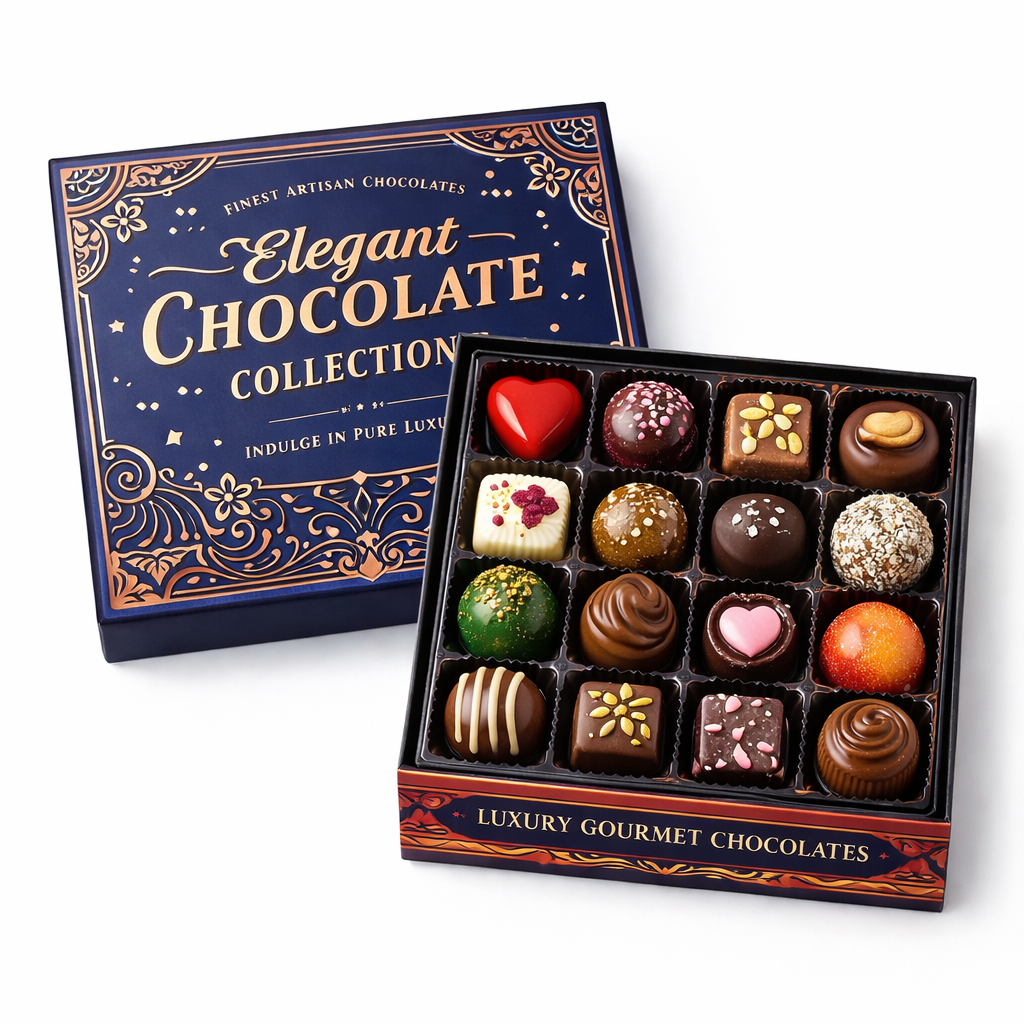
Packaging design is usually associated with branding, aesthetics, and customer experience. It can also support a broader message about how a business approaches responsibility, transparency, and long-term relationships.
Using Design to Communicate Brand Values
A chocolate gift box can communicate quality through its structure, color palette, typography, and finishing details. Brands that prioritize responsible sourcing may choose a clean, understated design that complements their wider sustainability message.
For example, kraft paper textures, simple graphics, and carefully selected printing finishes can create an appealing presentation without excessive decoration. Luxury packaging can also use elegant rigid boxes, fabric-style paper wraps, and precisely fitted inserts.
The key is to make design choices that reflect the brand's actual practices rather than relying on visual signals alone.
Avoiding Unsupported Ethical Claims
Words such as "ethical," "forced-labour-free," and "responsibly sourced" can influence purchasing decisions. Businesses should therefore use them carefully and ensure that claims are supported by appropriate evidence.
A supplier's general promise is not necessarily enough to substantiate a strong claim about the entire supply chain. Companies should establish exactly what has been verified, which facilities or materials are covered, and whether the information is recent.
When complete verification is not available, more specific wording may be appropriate. For example, a company could explain that it conducts supplier assessments or requests material-origin documentation, provided those statements accurately reflect its practices.
Clear communication is more credible than broad promises that cannot be demonstrated.
Creating Consistency Across the Brand
Ethical sourcing should not appear only in a marketing campaign or on a packaging label. It should connect with purchasing policies, supplier selection, product development, and customer communication.
A chocolate business might establish supplier requirements, review packaging materials annually, and provide staff with guidance on evaluating sourcing claims. These practical steps help turn responsible business principles into everyday decisions.
When packaging design and sourcing practices support the same message, customers have more reason to trust the brand.

Selecting a packaging supplier is an important business decision. Beyond evaluating product quality and pricing, companies should consider how suppliers identify and address labor-related risks.
Asking the Right Questions Before Placing an Order
Before ordering custom Chocolate Gift Boxes, purchasing teams can ask potential suppliers several practical questions:
- Where are the packaging materials manufactured?
- Which facilities handle printing, cutting, finishing, and assembly?
- Does the supplier have a written policy prohibiting forced labor?
- How are subcontractors selected and monitored?
- Can the supplier provide relevant audit records or other verification?
- What happens if a labor-related concern is identified?
These questions do not need to make the purchasing process complicated. Even a simple supplier questionnaire can help businesses identify missing information and compare suppliers more consistently.
Evaluating Suppliers Beyond Their Quoted Prices
Price remains important, particularly for businesses purchasing packaging in bulk. However, extremely low quotations may deserve additional investigation when they cannot be explained by production efficiency, material selection, order volume, or other legitimate factors.
A thorough supplier evaluation can consider manufacturing capability, delivery reliability, communication, quality control, documentation, and corrective-action procedures.
Businesses should avoid assuming that a low price proves unethical labor practices. Instead, pricing should be treated as one part of a broader risk assessment.
Establishing Clear Expectations and Follow-Up Procedures
Supplier agreements can include labor standards, restrictions on unauthorized subcontracting, documentation requirements, and procedures for investigating reported concerns.
Companies should also explain what they expect suppliers to do if a problem is discovered. Depending on the circumstances, appropriate responses may include further investigation, corrective action, worker-protection measures, and independent verification.
Simply ending a supplier relationship may not always protect affected workers. Responsible responses should consider the nature of the problem, the risks involved, and the potential consequences for workers.
Reviewing Performance Over Time
Supplier assessment should not be limited to the initial purchase. Manufacturing locations, subcontractors, material sources, and labor conditions can change.
Businesses can schedule periodic reviews, update supplier records, and request new documentation when significant changes occur. They can also establish a reporting process for concerns and assign responsibility for reviewing them.
A consistent process is especially valuable for businesses that order seasonal packaging or work with several factories across different regions.

Responsible sourcing requires effort, but it can also create practical benefits for companies that approach it systematically. Better supplier information, clearer purchasing standards, and more reliable documentation can support both risk management and business development.
Strengthening Customer Confidence
Customers increasingly encounter claims about sustainability, ethical production, and responsible sourcing. Businesses that can explain their practices clearly may be better positioned to build trust with customers who care about these issues.
For example, a chocolate brand supplying corporate gifts might provide buyers with information about its packaging materials, supplier assessment procedures, and applicable certifications. This information can help procurement teams evaluate the product against their own purchasing requirements.
Trust is built through consistent actions rather than packaging messages alone. Companies should be prepared to explain what they know, what they have verified, and where further work is needed.
Supporting Corporate Procurement Requirements
Large companies, hotels, retailers, and event organizers may have supplier standards covering labor practices, environmental performance, and supply chain transparency.
Packaging suppliers that maintain organized documentation and clear communication can make procurement reviews easier for their customers. This can be particularly useful when supplying custom gift packaging for conferences, employee recognition programs, seasonal promotions, and premium retail products.
Requirements vary by customer, industry, and jurisdiction, so businesses should confirm the specific standards that apply to each project.
Reducing Operational and Reputational Risks
Unclear sourcing information can create problems when customers request documentation, a supplier changes manufacturing locations, or a labor-related allegation emerges.
Maintaining supplier records, identifying potential risks, and establishing escalation procedures can help businesses respond more effectively. These practices may also reduce last-minute disruptions caused by missing certificates or unexpected supplier changes.
However, no sourcing program can eliminate every risk. Responsible businesses treat risk management as an ongoing process and update their procedures when new information becomes available.
Making Continuous Improvement Part of the Process
Companies do not necessarily need to transform their entire packaging supply chain at once. A practical starting point is to map key suppliers, identify the highest-risk areas, and prioritize the information that matters most.
From there, businesses can improve traceability, strengthen supplier agreements, and introduce more consistent review procedures. Progress can be measured through indicators such as the proportion of suppliers assessed, the completeness of material-origin records, and the resolution of identified concerns.
Small, documented improvements can create a stronger foundation for long-term responsible sourcing.
Forced-labour-safe packaging is not simply about choosing an attractive box or adding an ethical statement to a product label. It requires a thoughtful approach to materials, manufacturing partners, supply chain transparency, and supplier accountability.
For businesses purchasing custom Chocolate Gift Boxes, the process starts with asking better questions. Understanding where paperboard comes from, identifying the factories involved in production, reviewing relevant documentation, and establishing clear labor expectations can all contribute to a more responsible purchasing strategy.
Design still matters. Premium finishes, creative structures, protective inserts, and customized printing help chocolate brands stand out in competitive markets. But these features become even more meaningful when they are supported by credible sourcing practices and honest communication.
Companies should also remember that ethical sourcing is an ongoing responsibility rather than a one-time certification exercise. Supplier relationships change, production networks evolve, and new risks may emerge. Regular reviews and practical corrective-action procedures help businesses respond to these challenges.
Ultimately, responsible Chocolate Gift Boxes bring together product protection, thoughtful design, supply chain awareness, and transparent business practices. By considering both the customer experience and the people involved in production, chocolate brands can work toward packaging solutions that reflect their values and support stronger business relationships over time.
Forced-labour-safe Chocolate Gift Boxes are packaging products sourced and manufactured through supply chains that take steps to identify, prevent, and address forced labor risks. This includes checking suppliers, reviewing manufacturing practices, and requesting relevant documentation about materials and production facilities. Although no sourcing process can guarantee zero risk, responsible purchasing practices can help businesses improve transparency and accountability.
Ethical sourcing helps businesses understand how their packaging materials are produced and whether workers are treated fairly throughout the supply chain. It can also support brand reputation, build customer trust, and reduce potential legal and operational risks. For chocolate brands, combining attractive packaging with responsible sourcing practices demonstrates a commitment to product quality and business integrity.
Common materials include paperboard, recycled cardboard, and paper sourced from responsibly managed forests. Businesses may also consider suitable printing inks, recyclable inserts, and protective coatings that meet their packaging requirements. The right choice depends on durability, product protection, appearance, and local recycling options. Companies should also request relevant material certifications and sourcing information when available.
Businesses can begin by asking suppliers about their manufacturing locations, subcontractors, labor policies, and material sources. They may also request supplier codes of conduct, relevant audit reports, certification records, and evidence of corrective actions. Regular supplier reviews and clear contractual requirements can improve accountability. However, a certificate or written statement alone does not guarantee that forced labor is absent throughout the entire supply chain.
Yes. Custom Chocolate Gift Boxes can combine luxury design with responsible sourcing practices. Brands can use elegant rigid boxes, customized printing, decorative finishes, and protective inserts while carefully evaluating the materials and suppliers involved. By balancing design quality, product protection, transparent sourcing, and honest marketing claims, businesses can create premium packaging that reflects their brand values and meets customer expectations.
Post time: Oct-29-2026


