


The Hidden Environmental Cost of Traditional Glitter
Gift packaging has always been about making people feel special. A beautifully wrapped present can create excitement before the recipient even opens it. For years, glitter, metallic flakes, and shiny decorative coatings have been popular choices for adding that extra touch. However, as more businesses pay attention to environmental responsibility, these traditional materials are getting a closer look.
Many conventional glitter products contain tiny plastic particles that can contribute to microplastic pollution. When glitter-covered paper is thrown away, torn apart, or exposed to the environment, some particles may escape into waterways and soil. Once released, microplastics can be difficult to remove from natural environments.
Why Custom Gift Boxes Need a Better Approach
Custom Gift Boxes offer brands a practical way to rethink packaging without losing visual appeal. Instead of relying on loose glitter or plastic-heavy finishes, businesses can explore textured paper, elegant printing, embossed logos, and carefully selected materials.
The goal is simple: create packaging that looks premium while making more responsible material choices. For gift brands, beauty companies, retailers, and corporate gifting businesses, this approach can also communicate a clear message about their values.
Changing Customer Expectations
Today's shoppers often notice more than the product inside a box. They may also consider how the product is packaged, whether unnecessary materials are used, and how easily the packaging can be recycled.
A glitter-free design can appeal to customers who prefer cleaner, simpler packaging. It also gives brands an opportunity to stand out in a crowded market through thoughtful design rather than excessive decoration.
Understanding Microplastics in Gift Packaging
Microplastics are generally understood as plastic particles smaller than five millimeters. In packaging, potential sources include certain glitter products, plastic films, synthetic decorative particles, and some coatings that may break down into smaller fragments.
Not every shiny material contains plastic, and not every coated paper product releases microplastics in the same way. The important thing is to understand what a packaging material is made of instead of judging it by appearance alone.
For businesses sourcing Custom Gift Boxes, asking suppliers about material composition is a useful first step. Clear product specifications can help purchasing teams compare options and make better-informed decisions.
Choosing Glitter-Free Materials
One of the easiest changes is to remove loose plastic glitter from the design. This does not mean every gift box must look plain or ordinary. Paper embossing, debossing, foil stamping, and printed patterns can create depth and visual interest without using conventional loose glitter.
For a natural look, kraft paper and uncoated paperboard are worth considering. For a more luxurious finish, brands can explore textured specialty paper, subtle metallic printing, or decorative paper made with carefully documented materials.
Each option has its own environmental trade-offs. For example, metallic finishes and laminations may affect recycling, depending on their composition and local recycling facilities. Choosing the right material therefore requires more than simply replacing one decorative feature with another.
Ask Suppliers the Right Questions
Before placing an order, businesses should ask whether the packaging contains plastic glitter, synthetic decorative particles, plastic lamination, or other difficult-to-separate components. They should also request available material declarations and recycling guidance.
A supplier that can explain its materials clearly makes it easier to develop packaging that meets both design and sustainability goals.
Create Texture Instead of Adding Glitter
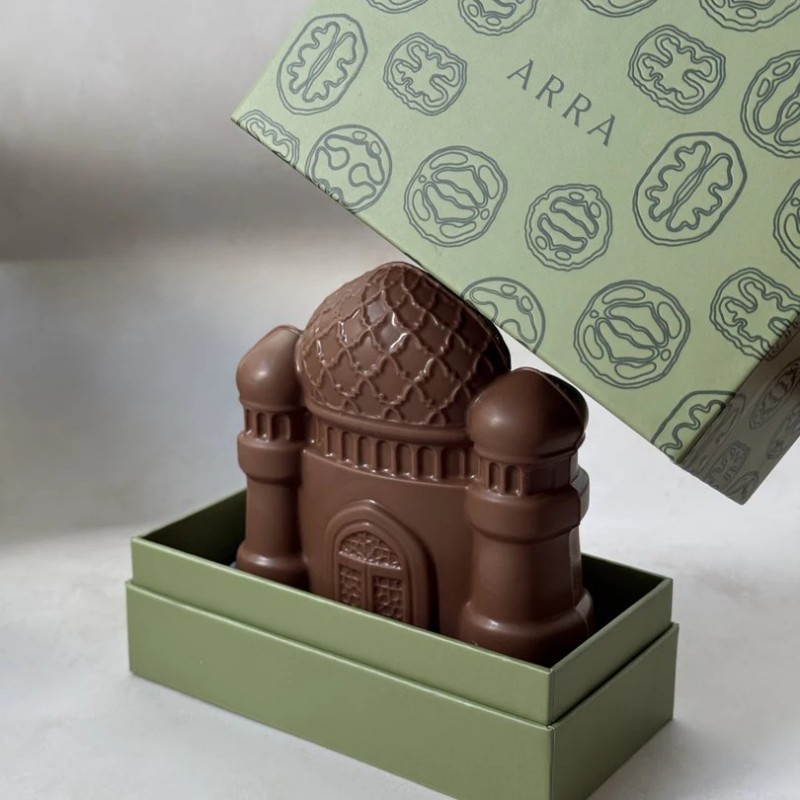
A gift box does not need a sparkling surface to look expensive. Texture can be just as effective, especially when the design uses clean lines and balanced colors.
Embossed floral patterns, raised brand logos, linen-textured paper, and subtle geometric details can give Custom Gift Boxes a distinctive appearance. These techniques add a tactile element that customers can notice when they pick up the package.
For skincare brands, soft neutral colors and understated textures can create a calm, natural impression. For jewelry or premium accessories, deep colors combined with precise embossing can deliver a more refined look.
Use Color and Typography to Make an Impression
Color is another effective way to replace glitter-heavy decoration. Forest green, warm beige, cream, muted blue, and earthy brown can create a modern look without relying on excessive shine.
Typography also matters. A well-designed logo, a short message, and consistent spacing can make a box feel carefully considered. Rather than covering every surface with decoration, brands can leave some areas uncluttered and let the design breathe.
This approach often works well for businesses that want their packaging to feel contemporary, premium, and easy to recognize.
Explore Responsible Decorative Finishes
Foil stamping, metallic inks, and specialty coatings may offer attractive alternatives to loose glitter, but they should be evaluated individually. Some finishes contain plastic components or can complicate recycling, so they should not automatically be described as environmentally friendly.
Whenever possible, choose finishes that meet the intended visual requirements with minimal material complexity. Ask whether the finished box can be recycled through the systems available in the markets where customers live.
The best design is not necessarily the one with the most decoration. It is the one that delivers the desired customer experience while using materials thoughtfully.
Start With the Right Paperboard
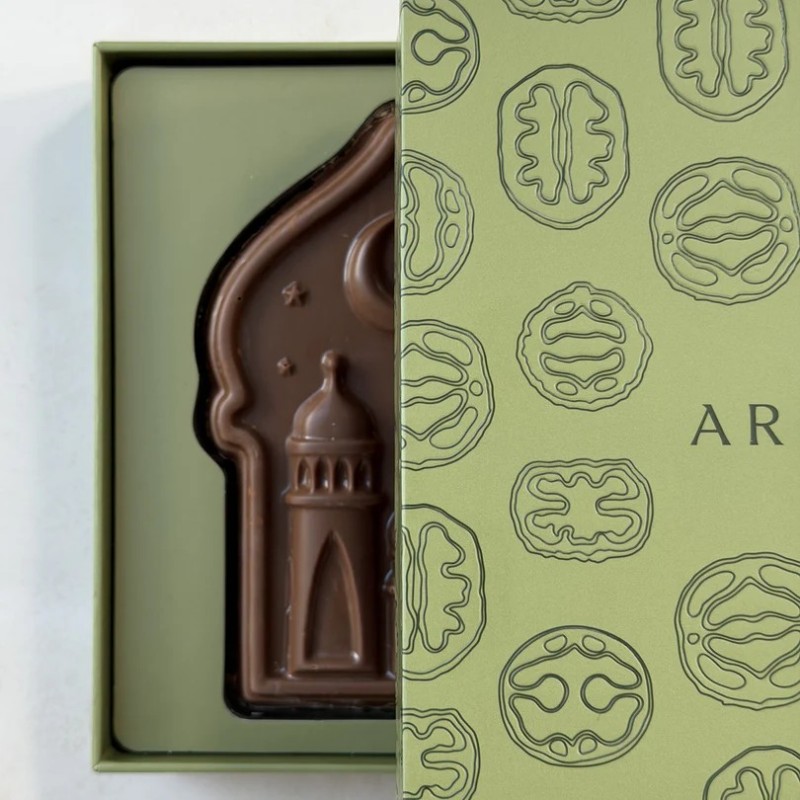
Paperboard is a common choice for gift packaging because it can be printed, cut, folded, and customized in many ways. Recycled paperboard may help reduce demand for virgin fiber, while responsibly sourced paper can support better material sourcing practices.
However, paper-based packaging is not automatically sustainable in every situation. The environmental impact depends on factors such as fiber sourcing, manufacturing, transportation, durability, and end-of-life disposal.
When comparing Custom Gift Boxes, consider the entire package rather than focusing on one material claim. A sturdy box that protects its contents and avoids unnecessary layers may be a better option than an overdecorated design with multiple difficult-to-recycle components.
Look Beyond the Outer Surface
The outside of a gift box may look paper-based while the inside contains plastic foam, laminated inserts, or synthetic decorative elements. These details matter when evaluating the full packaging design.
For protective inserts, businesses can investigate molded paper pulp, folded cardboard, and other fiber-based structures. The right choice depends on the product's weight, shape, fragility, and shipping conditions.
For cosmetics, glass containers, candles, and delicate accessories, protection should remain a priority. Reducing material use is valuable, but damaged products can create additional waste and customer frustration.
Consider Recyclability and Reuse
Simple construction can make packaging easier to sort and handle after use. Where practical, avoid combining too many permanently bonded materials, and provide clear disposal instructions based on local recycling guidance.
Another option is to design boxes that customers may want to reuse for storage. A well-made box with a timeless appearance can have a second life as a jewelry organizer, keepsake container, or desk accessory.
Reuse is not guaranteed, of course, but durable construction and useful dimensions can encourage it. This gives brands another way to extend the value of their packaging beyond the initial unboxing experience.
Turn Packaging Into a Brand Message
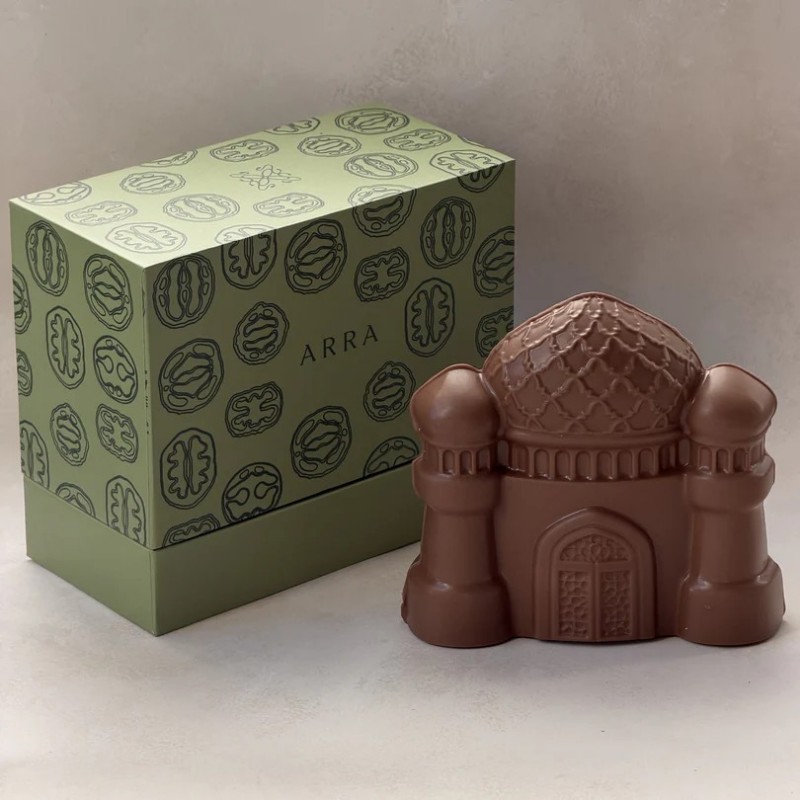
Packaging communicates a brand's personality before customers interact with the product itself. A glitter-free gift box can help express a commitment to thoughtful design, material transparency, and reduced reliance on unnecessary plastic decorations.
For brands that sell natural skincare, handmade products, organic foods, or lifestyle accessories, this message may fit naturally with the rest of their product presentation.
Still, sustainability claims should be specific and supported by evidence. If a box is glitter-free, say so. If it contains recycled paper, provide accurate information about the recycled content. Avoid broad claims such as "zero impact" or "completely eco-friendly" unless they can be substantiated.
Improve the Unboxing Experience
A memorable unboxing experience comes from more than sparkle. The feel of the paper, the way the lid opens, the arrangement of the contents, and a thoughtful message can all influence how customers perceive a product.
Custom Gift Boxes can include printed thank-you notes, paper sleeves, branded tissue paper, or carefully designed inserts. These details help create a personal experience without automatically adding unnecessary decorative materials.
For online stores, packaging also becomes part of the customer experience shared through reviews, photos, and social media posts. A distinctive glitter-free design can look polished and appealing while reinforcing the brand's identity.
Build Trust Through Honest Communication
Customers are more likely to trust brands that explain their choices clearly. Instead of making vague environmental promises, businesses can describe the specific steps they have taken, such as removing conventional plastic glitter or selecting paper components designed for local recycling systems.
If a packaging supplier provides relevant documentation, brands can use it to support accurate product descriptions and internal sustainability goals.
Transparency does not require every package to be perfect. It requires businesses to communicate honestly, understand the limitations of their materials, and keep improving their decisions over time.
Check Material Specifications Before Ordering
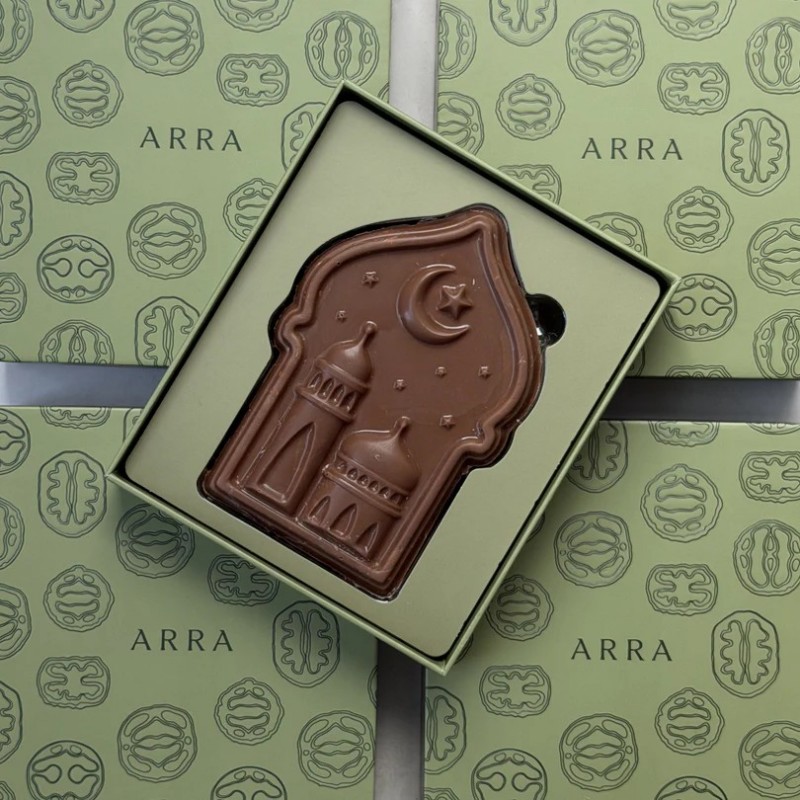
A supplier should be able to explain the materials used in its boxes, including the paperboard, inks, coatings, adhesives, inserts, and decorative finishes where relevant.
When discussing a glitter-free project, make the requirement clear from the beginning. Specify that conventional plastic glitter should not be used, and ask the supplier to confirm the proposed alternatives in writing.
If microplastic-related concerns are central to the project, request supporting documentation rather than relying only on a general marketing statement. The more precise the specification, the easier it becomes to evaluate the final product.
Request Samples and Test the Finished Box
Before committing to a large order, review a physical sample. Check the print quality, surface texture, color consistency, structural strength, and overall presentation.
A sample also provides an opportunity to inspect decorative details closely. If the supplier recommends a special coating or metallic finish, ask what it contains and how it affects disposal or recycling.
For shipping products, test the box under realistic handling conditions. A beautiful package is only useful if it protects the product and arrives in good condition.
Balance Cost, Quality, and Environmental Goals
Price matters, particularly for growing brands and businesses ordering large quantities. However, the cheapest option may not offer the right balance of durability, appearance, and material transparency.
Discuss order quantities, customization options, production lead times, and available material choices with potential suppliers. A simple design may reduce complexity, while a carefully selected premium finish can create a stronger visual impression without covering the entire box in decoration.
It is also worth checking whether the supplier can maintain consistent specifications across repeat orders. Reliable production helps brands deliver a recognizable customer experience while keeping packaging decisions aligned with their stated goals.
Glitter-free packaging is more than a design trend. It is an opportunity for businesses to reconsider how gift boxes are made, decorated, and disposed of after use. By moving away from conventional plastic glitter and exploring thoughtful alternatives, brands can create packaging that remains attractive while addressing potential sources of microplastic pollution.
The most effective approach combines careful material selection, creative design, practical protection, and honest communication. Textured paper, embossed logos, restrained printing, and reusable box structures can all help create a premium presentation without depending on loose glitter.
For businesses planning their next packaging project, Custom Gift Boxes provide plenty of room to experiment with new ideas. Start by reviewing materials, asking suppliers specific questions, and testing samples before production. Small improvements can make a meaningful difference when they become part of a consistent packaging strategy.
Ultimately, great gift packaging should make the recipient feel valued without overlooking what happens after the gift is opened. With a glitter-free design and a well-informed choice of materials, brands can deliver a memorable unboxing experience while taking a more thoughtful approach to packaging waste.
Glitter-free Custom Gift Boxes are personalized packaging solutions designed without conventional loose plastic glitter. They use alternatives such as textured paper, embossed logos, printed patterns, and carefully selected decorative finishes to create an attractive appearance while reducing reliance on plastic-based decorations.
Traditional plastic glitter can contribute to microplastic pollution when particles escape into the environment. Choosing glitter-free packaging helps avoid this particular source of plastic particles. For better environmental performance, businesses should also consider recycled materials, recyclable construction, and reduced unnecessary packaging.
Popular alternatives include kraft paper, recycled paperboard, embossed patterns, specialty textured paper, and printed designs. Foil stamping and metallic inks may also be options, but their material composition and impact on recyclability should be checked before use.
Absolutely! A premium appearance does not depend on glitter. Elegant typography, sophisticated colors, embossed branding, quality paper, and thoughtful box structures can create a memorable unboxing experience. These design elements allow brands to maintain a luxurious look while avoiding conventionastic glitter.
Businesses should ask suppliers about material composition, recycled content, coatings, adhesives, and disposal requirements. Requesting samples and supporting documentation can help verify whether the packaging meets specific requirements. Choosing durable designs, minimizing unnecessary components, and considering local recycling facilities can also support more responsible packaging decisions.
Post time: Oct-09-2026


