


Cookie packaging has a bigger job than simply holding baked treats. It needs to protect food, keep grease from leaking through the material, maintain freshness, and make products look appealing on store shelves. At the same time, more food brands are paying attention to the materials used in their packaging, especially when it comes to fluorinated chemicals and food-contact safety. That's where fluorine-free Custom Cookie Boxes come into the picture. By combining grease-resistant paper, thoughtful structural design, and attractive printing, businesses can create packaging that works well without relying on intentionally added fluorinated grease-resistant treatments. Whether you're selling buttery shortbread, chocolate chip cookies, sandwich biscuits, or handmade bakery treats, choosing the right packaging can make a real difference. In this guide, we'll look at how fluorine-free cookie boxes work, what materials are worth considering, and how brands can balance food protection, sustainability, and visual appeal.
Food packaging expectations are changing. Customers don't just look at the cookies inside a box anymore. They also notice the packaging materials, environmental impact, and information printed on the label. For cookie manufacturers, this means packaging decisions need to consider more than price and appearance.
Understanding the Concerns About Fluorinated Chemicals
PFAS, commonly known as per- and polyfluoroalkyl substances, are a large group of chemicals that have been used in different industries because of their water-, oil-, and grease-resistant properties. Certain paper and food packaging applications have historically used PFAS-based treatments to prevent oily foods from soaking through the material.
However, concerns about the persistence of some PFAS in the environment and their potential health effects have encouraged businesses to look for alternative materials.
Not every grease-resistant paper product contains PFAS. Still, brands that want to reduce their reliance on these substances should pay close attention to supplier specifications and material declarations.
What Makes Fluorine-Free Packaging Different?
Fluorine-free packaging generally refers to materials made without intentionally added fluorinated grease-resistant chemicals. Instead, manufacturers may use alternative paper coatings, mechanical barriers, or carefully selected fiber structures to manage grease penetration.
The important thing is not to assume that every product labeled fluorine-free performs equally well. Material composition, coating technology, and actual grease resistance all deserve attention.
Meeting Changing Customer Expectations
Today's consumers often appreciate brands that take packaging choices seriously. A simple statement about responsible material selection can help communicate a brand's values.
For bakeries, retailers, and cookie manufacturers, fluorine-free packaging offers an opportunity to improve packaging specifications while building customer confidence.
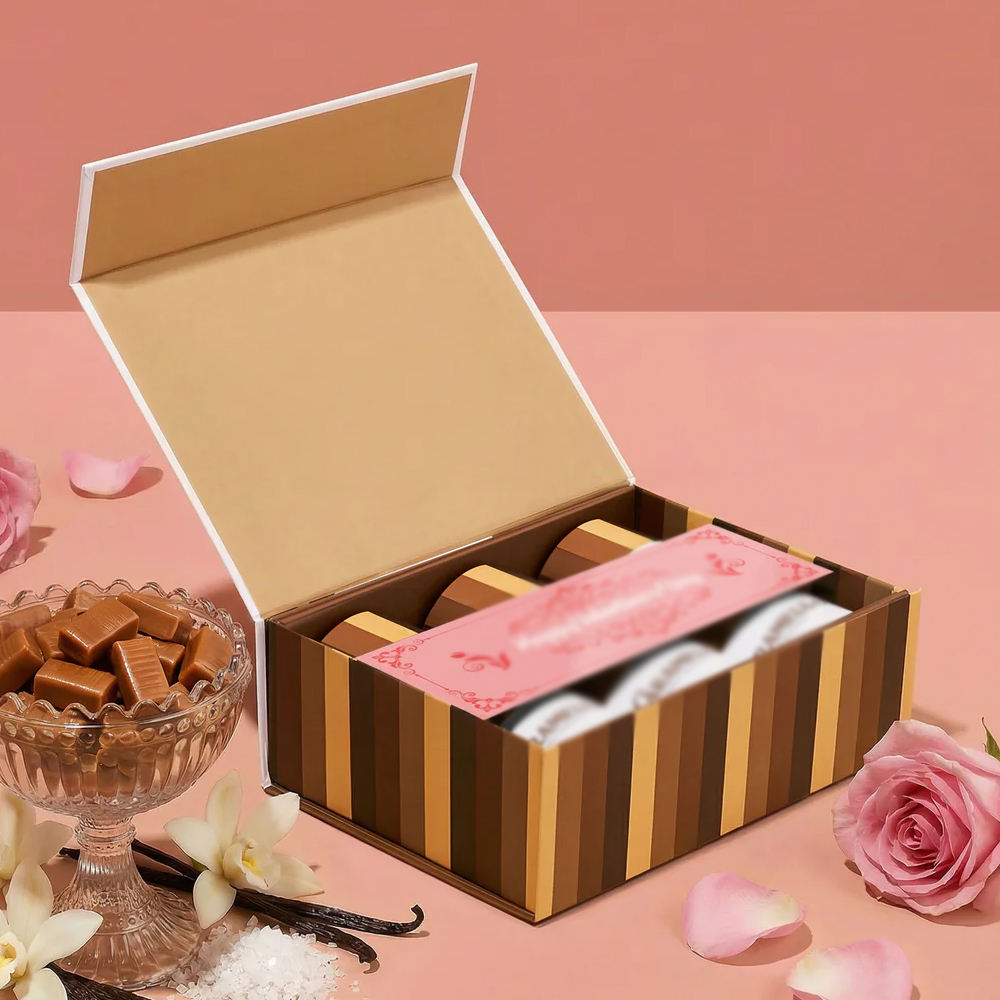
One of the biggest challenges in cookie packaging is grease. Butter, chocolate, oils, and other ingredients can gradually transfer onto packaging surfaces. Nobody wants to open a cookie box and find greasy marks on the outside.
Fortunately, fluorine-free alternatives can provide practical grease management when the material is properly selected and tested.
Choosing the Right Paperboard Structure
Paperboard is a popular choice for bakery packaging because it is lightweight, printable, and available in different thicknesses.
For grease-prone cookies, the paperboard structure matters. A suitable combination of fiber density, paper thickness, and barrier properties can help reduce oil penetration.
Some packaging manufacturers also use specially developed grease-resistant papers that do not depend on intentionally added PFAS.
The right choice depends on the cookie recipe. A dry butter cookie and a rich chocolate-filled biscuit won't necessarily require the same packaging specification.
Exploring Alternative Grease-Resistant Barriers
There are several approaches brands can explore when developing fluorine-free packaging.
- Water-based coatings: Selected formulations can create a surface barrier that helps reduce grease penetration.
- Mechanical barriers: Dense paper structures can slow the movement of oils through the material.
- Grease-resistant paper liners: An additional inner layer can provide another level of protection.
- Barrier-coated paperboard: Suitable coatings can improve resistance to oil and moisture, depending on their formulation.
Each solution has different performance characteristics. Some may be better suited to dry cookies, while others are designed for products with higher fat content.
Why Real-World Testing Matters
A material specification alone doesn't tell the whole story. Cookies may sit inside packaging for days or even weeks before reaching consumers.
That's why manufacturers should test their packaging using representative food products. Testing can evaluate grease penetration, staining, odor transfer, and overall package performance under expected storage conditions.
A good packaging solution should work in everyday situations, not just look impressive in a product sample.
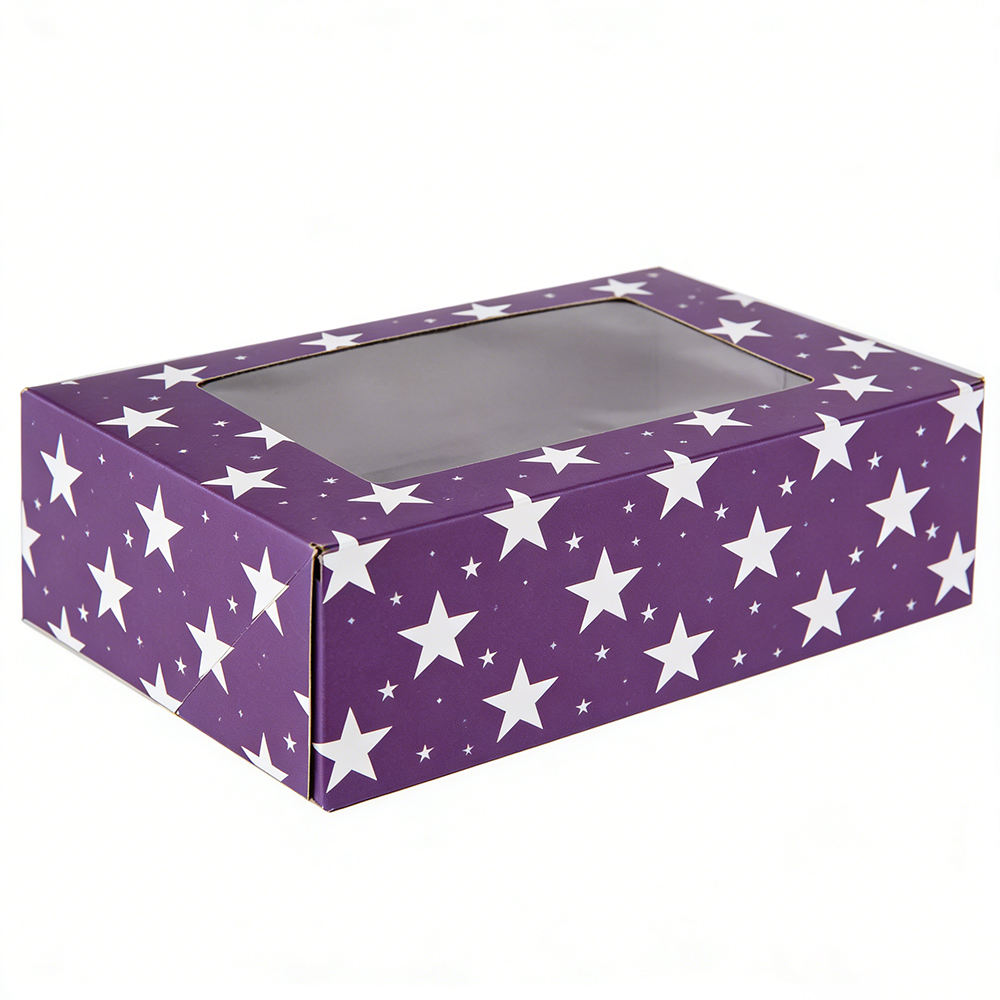
Not all cookies are created equal. Some are dry and crisp, while others are soft, buttery, filled, or covered in chocolate. Choosing the right packaging means understanding what is going inside the box.
Packaging for Butter Cookies and Shortbread
Butter cookies and shortbread often contain a relatively high amount of fat. Even when they look dry on the surface, they may leave oily marks after extended contact with paper packaging.
For these products, brands should consider grease-resistant inner surfaces and suitable paper liners.
A divided box can also prevent cookies from rubbing against one another during transportation. This helps protect their shape while creating a cleaner presentation.
Packaging for Chocolate Chip and Filled Cookies
Chocolate chip cookies can create additional packaging challenges, especially when chocolate softens during warm weather.
For filled cookies, the filling itself may contain oils or moisture that affect the packaging material.
A well-designed box should provide enough internal space, appropriate product separation, and a suitable food-contact layer.
If cookies are individually wrapped, the outer box can focus more on structure, branding, and protection during shipping.
Packaging for Handmade and Premium Bakery Cookies
Handmade cookies often sell on appearance as much as taste. Customers expect the packaging to reflect the quality of the product.
Rigid boxes, window boxes, and compartment-style cartons are all worth considering.
For premium products, a combination of elegant printing, clean edges, and carefully arranged cookies can create a memorable unboxing experience.
The goal is to make the packaging look special without adding unnecessary materials.
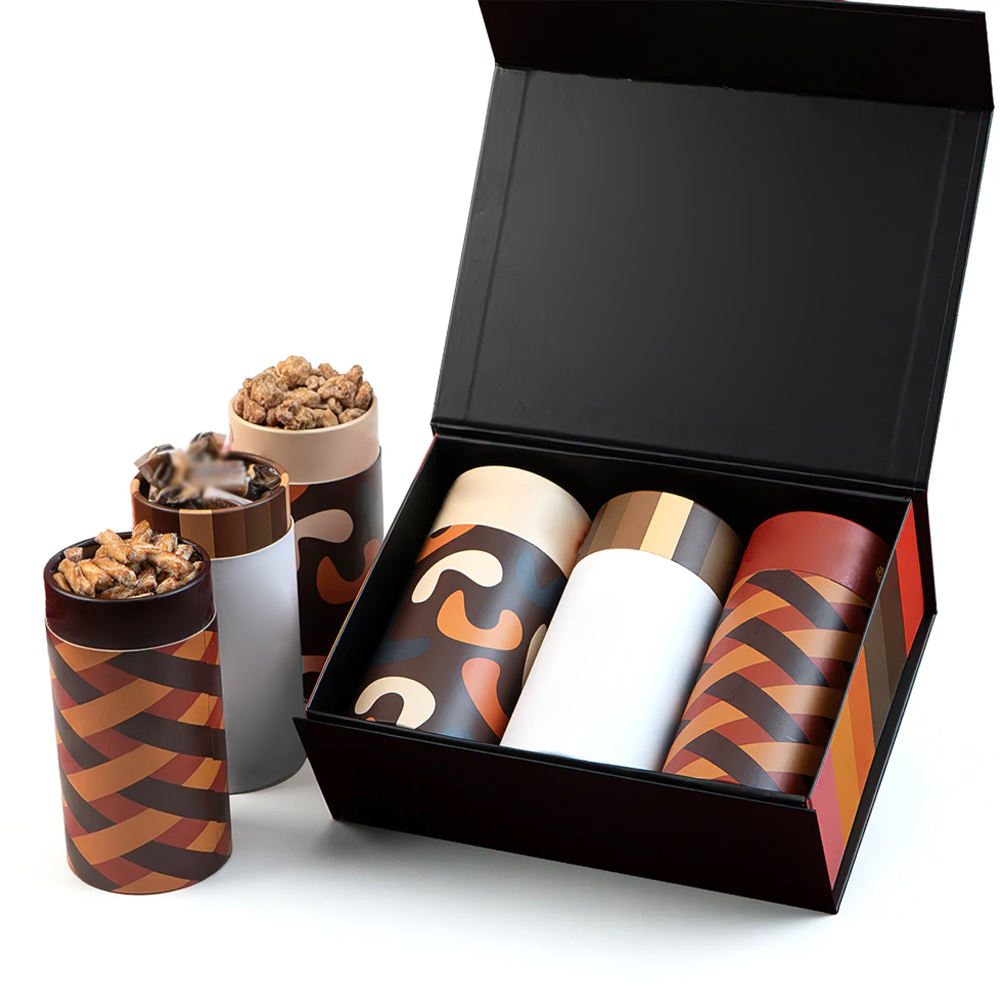
A cookie box has two important responsibilities: protecting the product and helping customers recognize the brand. Good packaging should handle both without making the design unnecessarily complicated.
Creating a Strong First Impression
When shoppers walk through a supermarket or browse an online bakery store, packaging often influences their first impression.
A well-designed box can communicate whether a product is traditional, premium, playful, handmade, or gift-ready.
For example, minimalist kraft packaging works well for natural bakery brands, while colorful printed cartons may suit family-oriented cookie products.
The design should match the product rather than follow every packaging trend.
Using Printing to Communicate Product Information
Packaging is also a useful communication tool. Businesses can include important information such as:
- Product name and flavor.
- Ingredient and allergen information.
- Net weight and nutritional information, where required.
- Manufacturer or distributor details.
- Storage instructions.
- Relevant recycling or disposal guidance.
For brands promoting fluorine-free materials, claims should be accurate and supported by supplier documentation or appropriate testing.
Avoid broad statements such as "100% chemical-free." No ordinary packaging material is completely free of chemicals.
Adding Windows Without Compromising Protection
A transparent window allows shoppers to see the cookies before purchasing them.
This can be particularly effective for colorful iced cookies, handmade biscuits, and assorted bakery collections.
However, the window material, adhesive, and overall package construction should be evaluated for the intended food-contact application.
The opening should also be positioned carefully to avoid weakening the box or exposing cookies to unnecessary environmental conditions.
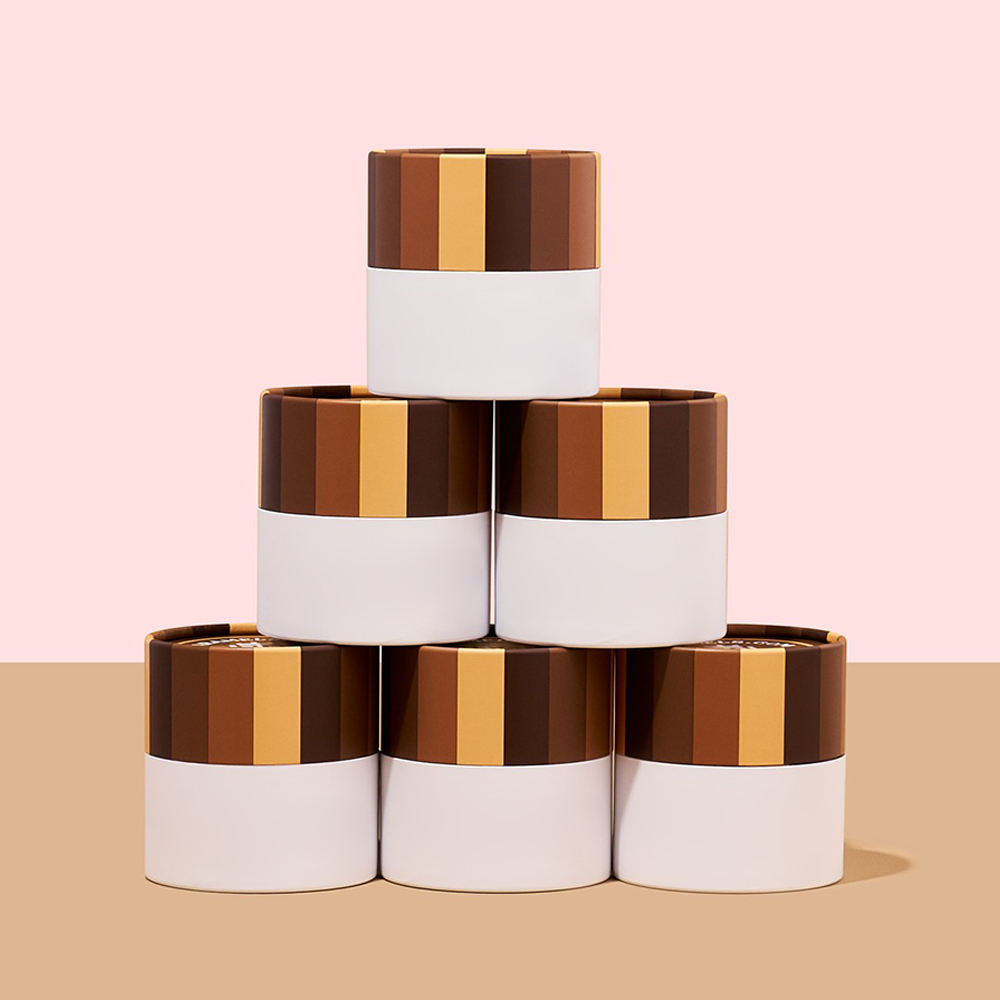
Fluorine-free packaging is one part of a broader packaging strategy. Businesses also need to consider recyclability, material sourcing, production methods, and the complete package structure.
Selecting Paper-Based Materials
Paperboard is widely used for cookie packaging because it offers flexibility in design and can be manufactured in different grades and thicknesses.
Recycled-content paperboard may be suitable for certain applications, while virgin fiber grades can offer specific strength, appearance, and food-contact advantages.
The best material depends on the intended use, regulatory requirements, and the manufacturer's available production processes.
Brands should also remember that a paper box with a plastic window, laminated surface, or complex coating may have different recycling requirements from an uncoated paperboard carton.
Working With Responsible Packaging Suppliers
Choosing a reliable supplier is essential when developing fluorine-free packaging.
Before placing a bulk order, businesses should request clear technical information.
Useful documents and checks include:
- Material composition and coating specifications.
- Supplier declarations regarding intentionally added PFAS.
- Food-contact compliance documentation for the intended market.
- Grease-resistance test results.
- Information about coatings, inks, adhesives, and window materials.
- Recycling compatibility information where relevant.
These details help buyers make informed decisions rather than relying on marketing language alone.
Balancing Production Costs and Packaging Performance
Packaging costs matter, especially for bakeries and food brands ordering thousands of boxes.
A thicker board or specialized coating may increase unit costs, but it could also reduce damaged products and customer complaints.
The smartest approach is to compare complete packaging solutions rather than choosing the cheapest material available.
Sample testing, structural prototypes, and bulk-production trials can help identify the right balance between price, appearance, and functionality.
Fluorine-free packaging is becoming an important consideration for cookie manufacturers, bakeries, and food brands that want to make more informed material choices. But removing intentionally added fluorinated grease-resistant treatments doesn't mean sacrificing packaging performance.
With suitable paperboard, alternative barrier coatings, grease-resistant liners, and practical structural design, Custom Cookie Boxes can provide dependable protection while maintaining an attractive retail appearance.
The key is to match the packaging material to the actual cookie. A buttery shortbread, a chocolate-filled biscuit, and a dry sugar cookie all have different packaging requirements. Testing with real products is the best way to find a solution that performs well throughout storage, transportation, and retail display.
For businesses ordering in bulk, working with an experienced custom packaging manufacturer can make the process much easier. From material selection and structural design to printing and mass production, every detail contributes to the final result.
Ultimately, the best Custom Cookie Boxes do more than hold cookies. They protect product quality, communicate brand values, and give customers a better experience from the first glance to the last bite. Choosing a well-tested, fluorine-free packaging solution is a practical step toward meeting changing market expectations while keeping your bakery products looking their best.
Fluorine-free Custom Cookie Boxes are food packaging solutions made without intentionally added fluorinated grease-resistant chemicals, including PFAS-based treatments. They use alternative paper materials, barrier coatings, or grease-resistant liners to help protect cookies while supporting more responsible packaging choices.
Yes. Fluorine-free Custom Cookie Boxes can provide effective grease resistance through specially designed paperboard, water-based coatings, and protective inner liners. However, performance depends on the cookie's fat content, storage conditions, and selected packaging materials. Real-product testing is recommended.
Common materials include food-grade paperboard, kraft paper, recycled-content paperboard, and specially developed grease-resistant paper. Some designs also use alternative barrier coatings and paper liners to reduce oil penetration without relying on intentionally added PFAS.
Absolutely! Custom Cookie Boxes can be customized in different sizes, shapes, colors, and printing styles. Businesses can choose folding cartons, window boxes, drawer-style boxes, or gift boxes. Logo printing, product information, and attractive finishes help create a recognizable brand identity.
Start by considering your cookie type, fat content, packaging size, storage requirements, and target market. Request material specifications, PFAS-related supplier declarations, and food-contact compliance documents. It's also important to test physical samples before ordering in bulk to ensure suitable grease resistance and packaging durability.
Post time: Nov-02-2026


