


Understanding Gulf Customers and Their Packaging Expectations
In the Gulf region, baklava is more than a sweet treat. It is a familiar part of hospitality, family gatherings, festive celebrations, and thoughtful gift-giving. From daily visits with friends to weddings and Eid celebrations, beautifully presented baklava often carries a message of generosity and respect. That is why packaging deserves just as much attention as the product itself.
For bakeries, dessert brands, and confectionery businesses, Custom Baklava Boxes offer a practical way to create a stronger first impression. A well-designed box protects delicate pastries while giving customers a reason to remember the brand. In markets such as the UAE, Saudi Arabia, Qatar, Kuwait, and Bahrain, packaging that reflects local tastes can make a product feel more familiar and appealing.
Arabic labeling is an important part of this experience. Customers may want to see product names, ingredients, flavors, and brand information in Arabic, especially when purchasing gifts or sharing sweets with family members. Adding clear Arabic text alongside English can make packaging easier to understand and more welcoming to a wider audience.
Connecting Traditional Sweets With Modern Branding
Baklava has a long-standing connection with Middle Eastern food culture, but modern customers also pay attention to design, convenience, and brand identity. A traditional dessert can feel contemporary without losing its cultural character. For example, a clean layout, elegant Arabic typography, and subtle geometric patterns can create a polished appearance without making the box look overly complicated.
The goal is to find a balance between tradition and modern retail expectations. Brands that achieve this balance can make their products suitable for everyday purchases, premium gifting, and corporate orders.
Making Arabic Typography Part of the Design
Arabic labeling should be considered from the beginning of the packaging design process, rather than added at the last minute. Arabic is written from right to left, and its letters can change shape depending on their position within a word. As a result, the font, spacing, alignment, and overall layout all need careful attention.
When developing Custom Baklava Boxes, businesses should work with designers who understand Arabic typography and right-to-left text formatting. This helps prevent awkward spacing, disconnected letters, or layouts that feel unbalanced. Arabic product names can appear prominently on the front panel, while English translations provide additional information for international customers.
For instance, a bakery selling pistachio baklava could display the Arabic product name beside a simple product illustration or a small ingredient image. The result feels informative and visually appealing without overcrowding the packaging.
Choosing Colors That Reflect Quality
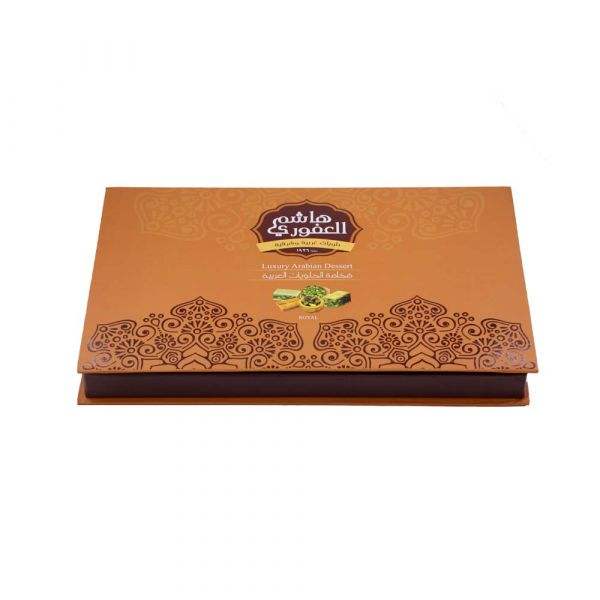
Color can influence how customers perceive a product before they even open the box. Gold, deep green, burgundy, cream, and warm brown are popular choices for premium dessert packaging because they can create a sense of richness and warmth. However, there is no single color combination that works for every brand.
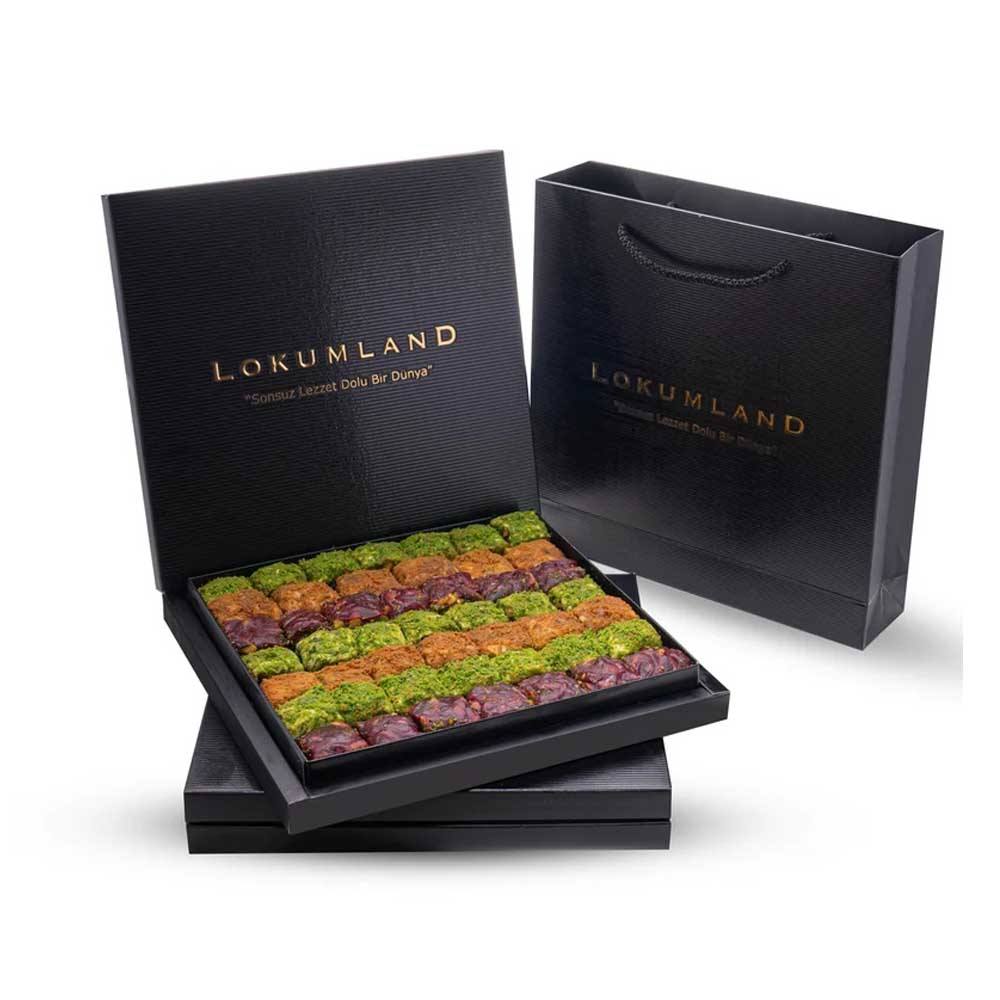
A contemporary bakery might prefer a white background with dark green lettering, while a luxury gift brand may choose a matte black finish with gold foil details. A family-oriented business might use brighter colors and friendly illustrations to create a more approachable look.
The important thing is consistency. Packaging colors should complement the brand logo, website, store interior, and social media visuals. When customers recognize the same visual identity across different channels, it becomes easier for them to remember the brand.
Keeping Delicate Pastries Safe During Transport
Baklava is known for its thin pastry layers, sweet syrup, nuts, and rich texture. Although these qualities make it delicious, they also create packaging challenges. Excessive movement can damage decorative toppings, while poorly designed interiors may allow pieces to shift during delivery.
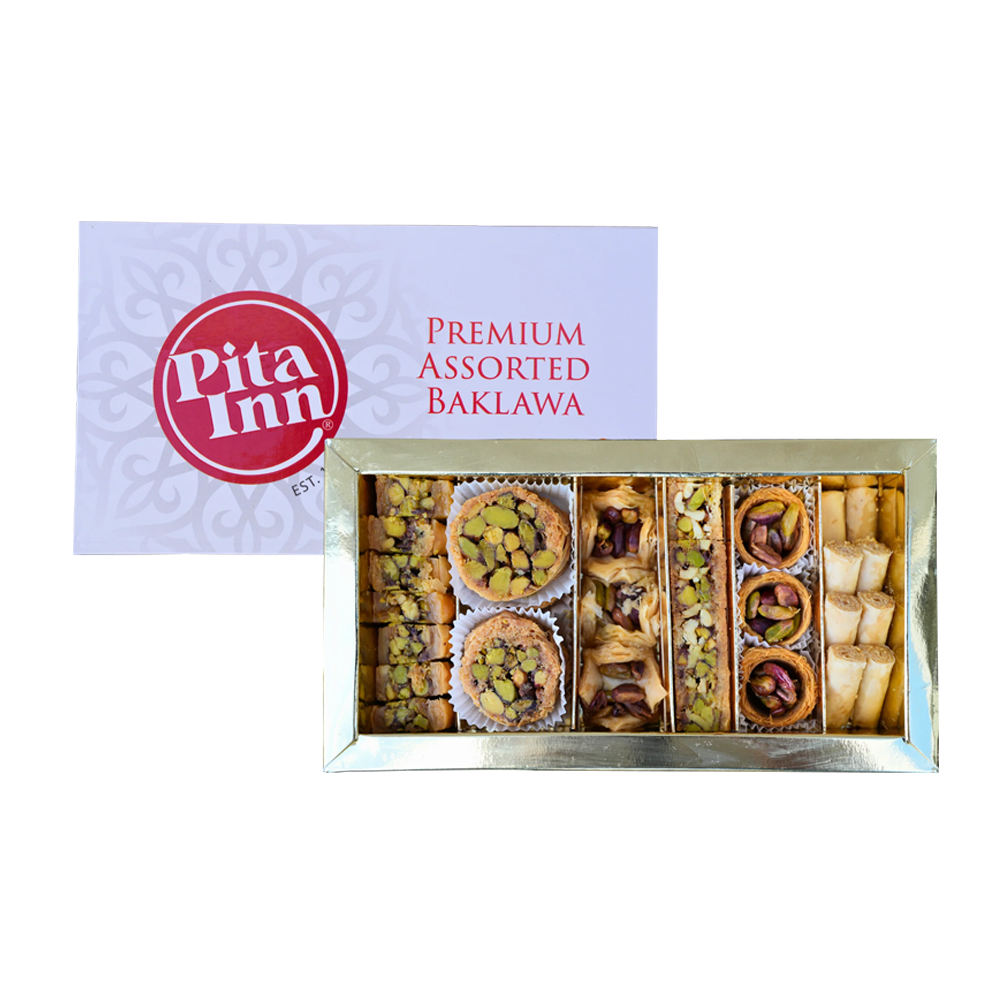
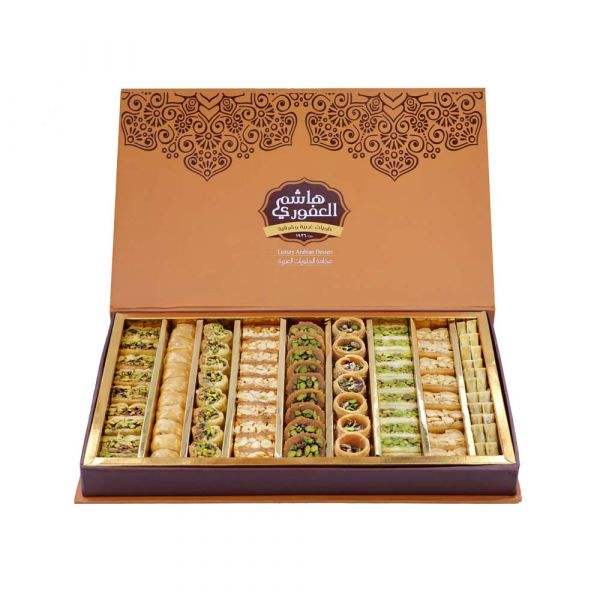
Custom Baklava Boxes should therefore be designed around the size, shape, and quantity of the actual products. Individual compartments, paper inserts, or fitted trays can help keep each piece in place. For mixed assortments, dividers can separate different flavors and create a more organized presentation.
The box material also matters. Food-contact materials should be suitable for the intended use, and the packaging should be strong enough to support the product without collapsing during normal handling. If the baklava contains syrup or oil, the inner tray or liner should be selected to manage the expected conditions.
Balancing Freshness, Ventilation, and Storage
Not every baklava product needs the same packaging solution. Some varieties are relatively dry, while others contain more syrup or delicate toppings. Businesses should consider the recipe, storage temperature, expected shelf life, and delivery conditions before selecting a box structure.
A tightly sealed package may help protect products from outside contamination, but the appropriate closure and barrier properties depend on the product and its storage requirements. Packaging should not be assumed to extend shelf life unless this has been validated through suitable testing.
For online orders, additional shipping protection may be necessary. A sturdy outer carton can reduce the risk of crushing, while a properly fitted inner box helps prevent unnecessary movement. Testing sample packages under realistic delivery conditions is a sensible step before placing a large production order.
Creating Memorable Eid Gift Packaging
Eid is an important gifting opportunity for bakeries and confectionery brands throughout the Gulf. During this period, customers often look for sweets that are ready to share, easy to carry, and attractive enough to present to relatives, friends, and colleagues.
Custom Baklava Boxes can be adapted for seasonal collections with Arabic greetings, crescent-inspired graphics, geometric patterns, or elegant decorative borders. A small message such as "عيد مبارك" can add a personal touch while helping the packaging feel relevant to the occasion.
Limited-edition designs can also help businesses introduce special assortments or gift sets. Instead of changing the entire packaging structure, a brand might use a seasonal sleeve, printed sticker, or decorative ribbon. This approach can create a fresh look while keeping production more manageable.
Designing Boxes for Weddings and Business Gifts
Weddings, engagement celebrations, and corporate events provide additional opportunities for customized dessert packaging. Customers may want their family name, event date, company logo, or a short Arabic message printed on the box.
For corporate gifting, a restrained design often works well. Clean typography, coordinated brand colors, and a high-quality finish can communicate professionalism without making the packaging feel too promotional. For weddings, softer colors, personalized details, and decorative finishes may be more suitable.
Different box sizes can support different budgets and occasions. Small boxes work well for individual gifts, medium formats suit family visits, and larger assortments can serve as premium presentation sets. Offering several sizes gives customers more flexibility while helping businesses serve a wider range of orders.
Selecting Materials for Everyday and Luxury Products
Packaging materials influence durability, appearance, printing quality, and overall cost. Folding carton is often suitable for lightweight retail boxes, while rigid boxes can provide a more substantial feel for luxury gifting. Corrugated packaging may be useful for shipping or heavier assortments when additional protection is needed.
When selecting materials, businesses should consider food-contact suitability, product weight, transportation requirements, and local packaging regulations. A beautiful exterior is valuable, but it should never come at the expense of product safety or practical performance.
Sustainability is another factor worth considering. Depending on the design and local recycling infrastructure, paper-based packaging with fewer mixed materials may be easier to recover than complex combinations of substrates. Businesses can also explore recycled-content options where appropriate, provided they meet the relevant food-packaging requirements.
Adding Finishing Details Without Overspending
Premium finishes can make a box feel special, but not every package needs multiple decorative effects. Foil stamping can highlight a logo or Arabic lettering, while embossing creates a raised texture that customers can see and feel. Matte coatings provide a subtle appearance, and selective gloss can draw attention to particular design elements.
For businesses managing packaging costs, the best approach is to focus on the details customers notice most. A clear brand logo, attractive Arabic typography, and a well-structured box may create a stronger impression than several expensive finishes used together.
Minimum order quantities, printing methods, material thickness, and finishing choices all affect the final price. Before approving a large order, request samples and compare different specifications. This makes it easier to judge whether the added cost delivers enough value for the intended market.
Using Packaging to Improve the Buying Experience
Packaging can influence the customer journey long before the first bite. When a box clearly identifies the brand, displays the product assortment, and includes readable Arabic and English information, customers can make purchasing decisions with greater confidence.
For retail sales, the front panel should communicate the brand and product type quickly. Additional details, such as flavor names, net weight, allergen information, and storage instructions, can be placed where customers can find them easily. The exact labeling requirements depend on the destination market and product category, so businesses should verify applicable regulations before printing.
Clear allergen communication is particularly important for baklava because many recipes contain pistachios, walnuts, almonds, or other tree nuts. Where relevant, sesame, dairy, gluten, and other ingredients may also require attention. Accurate labeling helps customers understand what they are buying and supports responsible product presentation.
Making Packaging Work for Online Sales and Social Media
Today, many customers discover dessert brands through social media, online marketplaces, and delivery platforms. Packaging that looks attractive in photographs can help a product stand out in crowded digital spaces.
A distinctive color palette, a recognizable logo, and a clean Arabic-English layout can create a consistent visual experience across product listings, promotional images, and actual deliveries. When customers share gift boxes online, the packaging may introduce the brand to people who have never visited the bakery.
However, good-looking packaging alone cannot guarantee higher sales. Product quality, pricing, delivery reliability, and customer service remain essential. Businesses should treat packaging as one part of a broader marketing strategy.
Measuring Results Before Scaling Production
Before investing in a large packaging run, brands can test a small selection of designs with customers, retail partners, or corporate buyers. Feedback can reveal whether the Arabic text is easy to read, whether the box feels appropriate for the price, and whether the interior protects the pastries effectively.
Businesses can also compare sales performance across different box sizes, seasonal designs, and gift formats. Tracking customer feedback, repeat purchases, packaging damage, and order value provides useful information for future improvements.
By combining practical testing with thoughtful design, brands can develop packaging that supports both the customer experience and long-term business growth.
The Gulf market offers strong opportunities for baklava brands that understand the connection between food, hospitality, gifting, and presentation. The right packaging does more than hold a dessert. It communicates quality, reflects cultural preferences, protects delicate pastries, and helps customers recognize a brand.
Custom Baklava Boxes with Arabic labels bring these benefits together through thoughtful typography, suitable materials, practical box structures, and designs tailored to local occasions. Whether the goal is to prepare for Eid, build a premium gifting collection, or improve everyday retail packaging, a well-planned design can make a meaningful difference.
Start with the essentials: clear Arabic labeling, reliable product protection, consistent branding, and materials suited to the intended use. Then consider premium finishes, seasonal designs, and personalized details that fit your customers and budget.
Ultimately, successful Gulf-ready packaging is not about making the box as elaborate as possible. It is about creating a package that feels right for the product, the occasion, and the people receiving it. When every detail works together, your baklava can arrive looking as inviting as it tastes.
Custom Baklava Boxes help bakeries and dessert brands create attractive packaging that matches local tastes and gifting traditions. In Gulf markets, elegant designs, Arabic labels, and reliable product protection can improve the customer experience and make baklava more appealing for Eid celebrations, weddings, and corporate gifts.
Arabic labels may include the product name, ingredients, allergen information, net weight, storage instructions, production or expiry dates, and brand details, depending on local regulations. Adding English alongside Arabic can help reach a wider audience. Businesses should ensure that translations are accurate and that all required labeling follows the rules of the destination market.
The best material depends on the baklava variety, box size, product weight, and intended use. Folding carton works well for many retail products, rigid boxes offer a premium feel for gift sets, and corrugated packaging can provide extra protection during shipping. Food-contact suitability and resistance to oil or syrup should also be considered.
Yes. Custom Baklava Boxes can feature Arabic greetings, personalized messages, company logos, decorative patterns, and special finishes. Seasonal sleeves, ribbons, foil stamping, and customized inserts can help create distinctive packaging for different occasions while allowing brands to maintain a consistent visual identity.
Businesses can control packaging costs by selecting practical box sizes, choosing suitable materials, and using premium finishes only where they add value. Ordering samples before mass production helps evaluate appearance, durability, and product fit. Comparing minimum order quantities and printing options can also help businesses find a balance between packaging quality and budget.
Post time: Oct-20-2026


