


How how are cardboard boxes made of Different Shapes and Sizes: A Complete Process Analysis from Raw Materials to Personalized Styles
In the modern packaging industry, paper boxes are not only containers for protecting goods, but also important carriers for brands to express their personality and environmental philosophy. From e-commerce packaging to high-end gift boxes, people have increasingly higher requirements for the shape, material, and sustainability of paper boxes. So, how exactly are paper boxes made? Where do they come from, and how are personalized customizations of different shapes and sizes achieved? This article will provide an in-depth analysis of this process.
I. How are cardboard boxes made Raw Materials for Paper Boxes: From Forest to Cardboard
The core raw material for most paper boxes is wood pulp fiber, derived from trees. After processes such as lignin removal, pulping, and bleaching, wood pulp is made into the basic raw material for cardboard. Depending on the application, cardboard can be divided into three-layer or five-layer corrugated cardboard, as well as kraft paper or whiteboard paper used for outer decoration.
It is worth noting that modern paper box production increasingly uses recycled fibers. Waste cardboard boxes are reused through sorting, washing, and repulping, greatly reducing deforestation and carbon emissions. This recycling not only aligns with green environmental trends but also makes paper box manufacturing more sustainable. II. Paper Box Production Process: A Perfect Combination of Machinery and Design
II.How are cardboard boxes made The production process of paper boxes can be broadly divided into the following stages:
1. Pulping and Pressing
Raw pulp is mixed and pressed to form a flat cardboard sheet. Different layers of cardboard are bonded together using a gluing machine to form a corrugated structure with compressive strength.
2. Die-cutting and Forming
Based on product requirements, computer-aided design (CAD) and laser cutting technology are used to cut the cardboard into different shapes and sizes. Besides traditional square boxes, irregularly shaped boxes, heart-shaped boxes, drawer boxes, and folding boxes can all be achieved through precise die-cutting.
3. Printing and Surface Treatment
This stage determines the “appearance” of the paper box. Brands typically use four-color printing (CMYK) or spot color printing, supplemented by hot stamping, lamination, and UV varnishing to enhance visual depth and waterproof performance.
4. Bonding and Quality Inspection
Finally, the cardboard is folded and bonded into a complete box shape, and undergoes pressure and moisture resistance tests to ensure it does not deform during transportation.
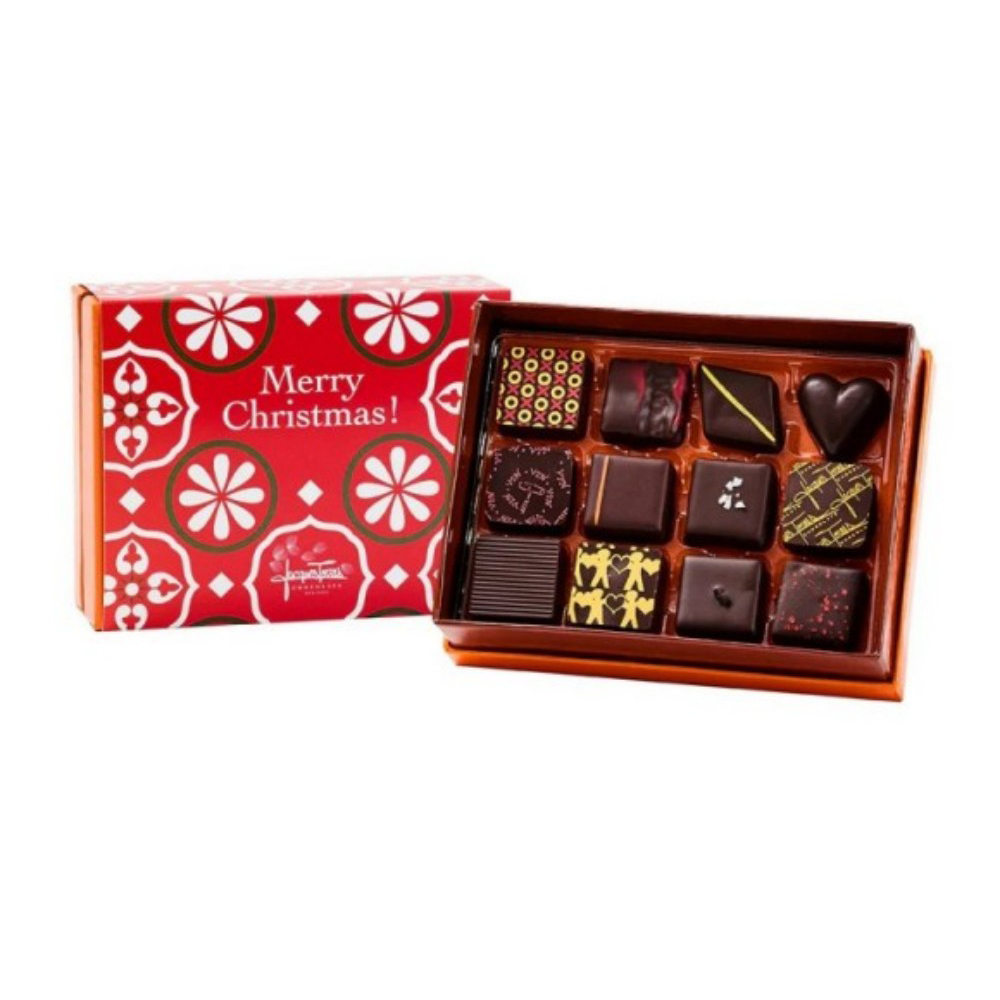
III. How are cardboard boxes made Customized Cardboard Boxes: Personalization and Brand Extension
In a highly competitive consumer market, “personalized packaging” has become a crucial element of brand building. Through collaboration between designers and manufacturers, the following can be achieved:
Customized Sizes: Precise fit for different products, reducing excess space and material waste.
Creative Shapes: From round and trapezoidal shapes to drawer-style structures, packaging can create a sense of “unboxing ritual.”
Brand Imprint: Printing logos, brand colors, and slogans makes packaging part of the brand identity.
Furthermore, some brands choose to use reusable or foldable environmentally friendly designs, transforming packaging from a disposable consumable into a decorative item or storage box in consumers’ lives.
IV. How are cardboard boxes made The Environmental Friendliness of Cardboard Boxes: Green Innovation in the Manufacturing Process
The popularity of paper packaging stems from its relative environmental friendliness. Compared to plastic packaging, cardboard boxes offer the following advantages:
High biodegradability: Cardboard typically decomposes naturally within 6 months to 1 year, without producing microplastic pollution.
Recycling: Recycled cardboard boxes can be reused for pulping and cardboard production multiple times.
Energy-saving and emission-reducing manufacturing: Modern paper mills commonly use water recycling systems and biomass energy, significantly reducing energy consumption.
Of course, cardboard box production is not entirely harmless. Using materials containing bleach or plastic film coatings increases the difficulty of recycling. Therefore, choosing green solutions such as plastic-free coatings and plant-based ink printing is an important direction for the future of cardboard box manufacturing.
V. How are cardboard boxes made The Future of Cardboard Boxes: Smart Manufacturing and Sustainable Design in Parallel
With the development of AI and automation technologies, cardboard box manufacturing is moving towards a “smart era.” Automated inspection systems can monitor production quality in real time, while 3D printing and digital prototyping make customization more efficient and cost-effective. At the same time, “carbon-neutral packaging” and “biodegradable materials” are gradually becoming industry trends.
For businesses, a good cardboard box is no longer just “outer packaging,” but a comprehensive embodiment of brand philosophy, user experience, and environmental responsibility.
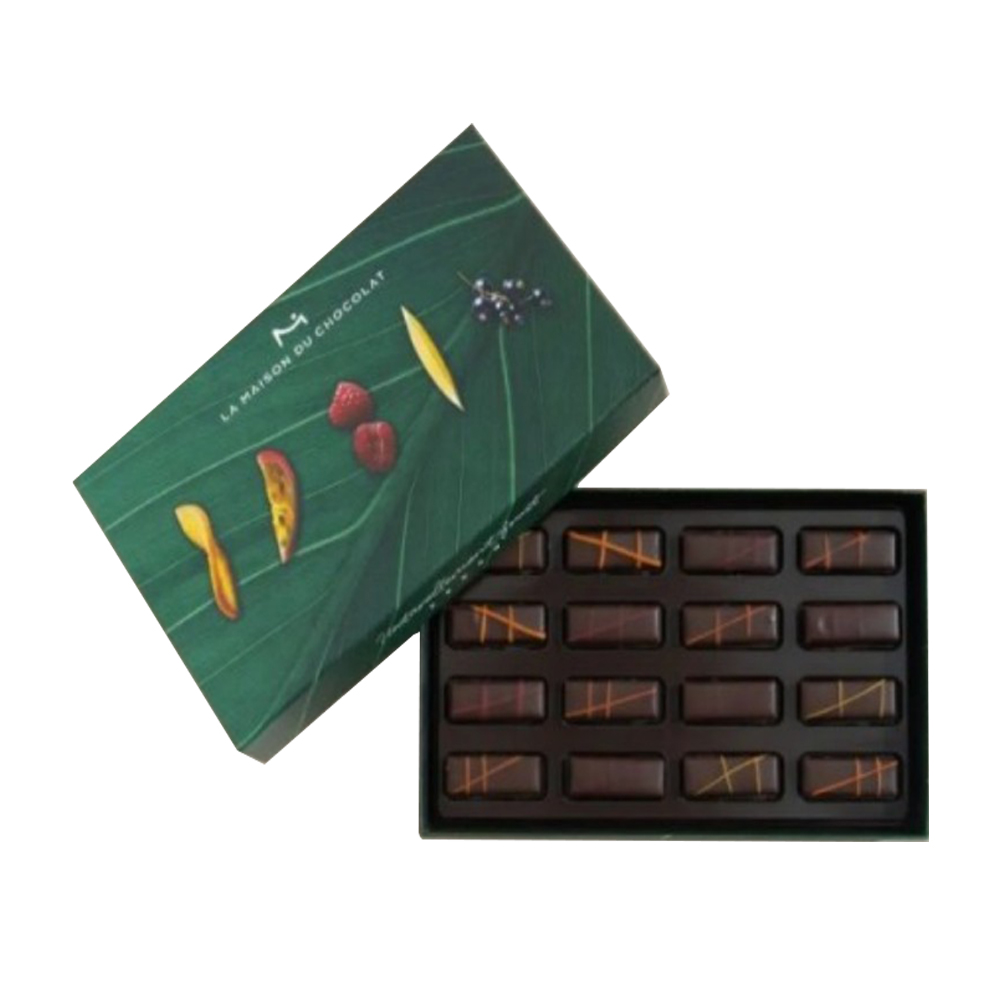
VI. How are cardboard boxes made Conclusion: Cardboard boxes carry more than just products; they carry the warmth of a brand.
The production of cardboard boxes, seemingly simple, actually integrates materials science, mechanical processes, and creative design. They not only protect products but also convey brand attitude and environmental philosophy. In the future, with the continuous improvement of technology and environmental awareness, personalization and green design will become two key words in cardboard box design.
From “being able to hold products” to “being able to hold stories,” the charm of cardboard boxes has only just begun.
Post time: Nov-11-2025


