


How make box: A Complete Manual Guide from Paper to Creativity
In this fast-paced era, more and more people are beginning to pursue the pleasures of a “slow life”. Making a box by hand not only meets practical needs but also offers an artistic experience that heals the soul. Whether used for gift wrapping, daily storage, or handicraft class activities, a box made by hand can showcase unique ingenuity and warmth. This article will present you with a complete process of making a box, from material selection, design concept, production process to creative decoration, allowing you to experience the beauty of design and the joy of handicrafts through hands-on activities.
I.How make box:Material Selection,Building a solid and aesthetically pleasing Foundation
The quality of the box depends on the choice of materials. Different types of paper and glue will directly affect the stability and appearance of the box.
1.Types and uses of paper
Cardboard: The most commonly used structural material, it has strong support and is suitable for making boxes that need to bear weight, such as storage boxes or gift boxes.
Colored paper: Rich in colors, it is suitable for outer packaging or decorative layers, making the box more visually appealing.
Kraft paper: With a natural texture and environmental friendliness, it presents a simple and retro style, making it the top choice for handicraft enthusiasts in recent years.
2. Tips for choosing glue
Glue stick: Easy to use, suitable for children or quick bonding.
White glue: It has strong adhesion but dries slowly, making it suitable for delicate areas.
Hot melt adhesive: It has excellent adhesion and dries quickly, but attention should be paid to temperature control to avoid damaging the paper.
3. Tool Preparation: The key to efficiency and accuracy
Scissors, a scribing knife, a ruler and a pencil are the basic equipment. The scribing knife can help you fold more precisely, the ruler ensures the lines are straight, and the pencil is used to mark the position of the template for easy adjustment later.
Ii.How make box  esign Stage,From concept to drawing conception
Design is a crucial step before starting the cutting process. A good box not only has a reasonable structure but also strikes a balance between aesthetics and functionality.
1. Determine the size and application
First, consider the usage scenario of the box: Is it for stationery, accessories, or as a gift wrapper? Determine the length, width and height according to the purpose. If it is a storage box, the material should be appropriately thickened. If it is a gift box, an outer decorative paper can be added to enhance its aesthetic appeal.
2. Draw the development diagram: Imagine from the plane to the solid
Use a ruler and a pencil to draw the unfolded diagram of the box on the paper, including the dimensions of each surface. Don’t forget to keep the folding edges and gluing areas. These small details determine whether the assembly can be smooth in the end. It is recommended to test the template with waste paper first and confirm that it is correct before officially drawing.
Iii.How make box  roduction Process,Transform the paper into a three-dimensional structure
This stage is the core of the entire manual process. Patience and precision are the keys to success.
1. Cutting: Keep it neat and precise
Carefully cut out the template along the drawn lines. Scissors are suitable for large-scale cutting, while scribing knives can handle corners and details. Keeping the edges flat can ensure that the subsequent bonding is more secure.
2. Folding: Giving a flat surface a three-dimensional effect
Use a ruler to gently press along the folding line to make the creases clearer. When folding, do not apply excessive force to avoid breaking the paper. After each folding, it can be temporarily assembled and inspected to ensure that all sides fit perfectly.
3. Bonding and fixing
Apply glue to the bonding edge, quickly align and press. To make the structure more stable, you can use clips or heavy objects to fix it. Wait until it is completely dry before proceeding to the next step. When bonding, pay attention to the amount of glue used to avoid overflow and affect the appearance.
Four.How make box ecorative Creativity,Turn the box into a Work of art
A successful box should not only be sturdy but also visually appealing. The decoration section can fully demonstrate personal creativity.
1.Coloring and painting
The box can be colored with watercolor, markers or acrylic paint. You can choose a monochrome minimalist style, or you can try gradient, spray and other effects. If you want a more artistic feel, you can hand-draw patterns or geometric lines.
2. Add decorative elements
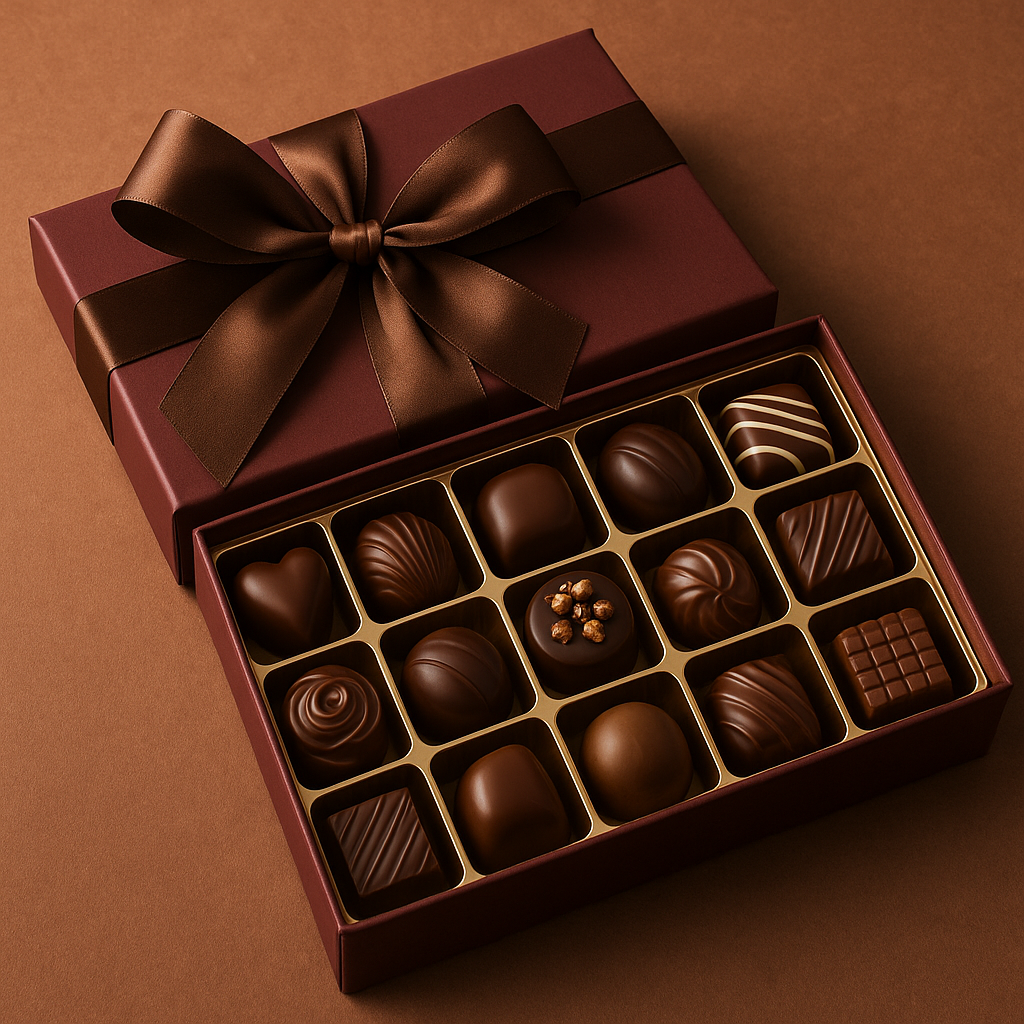
Small elements such as stickers, paper-cuts, ribbons and dried flowers can all instantly enhance the appearance level of the box. It is recommended to match the style according to the purpose: Metal texture stickers can be chosen for gift boxes, and labels can be attached to storage boxes for easy classification.
3. Personalized labels and embellishments
You can design a small card with handwritten text or a message written on it and stick it on the lid of the box. Not only does it make the box warmer, but it also adds a sense of surprise to the recipient.
V.How make box:Application Scenarios, Integrating handicrafts into Daily life
The charm of handmade boxes lies in their versatility. Just a small change and it can be applied in different occasions.
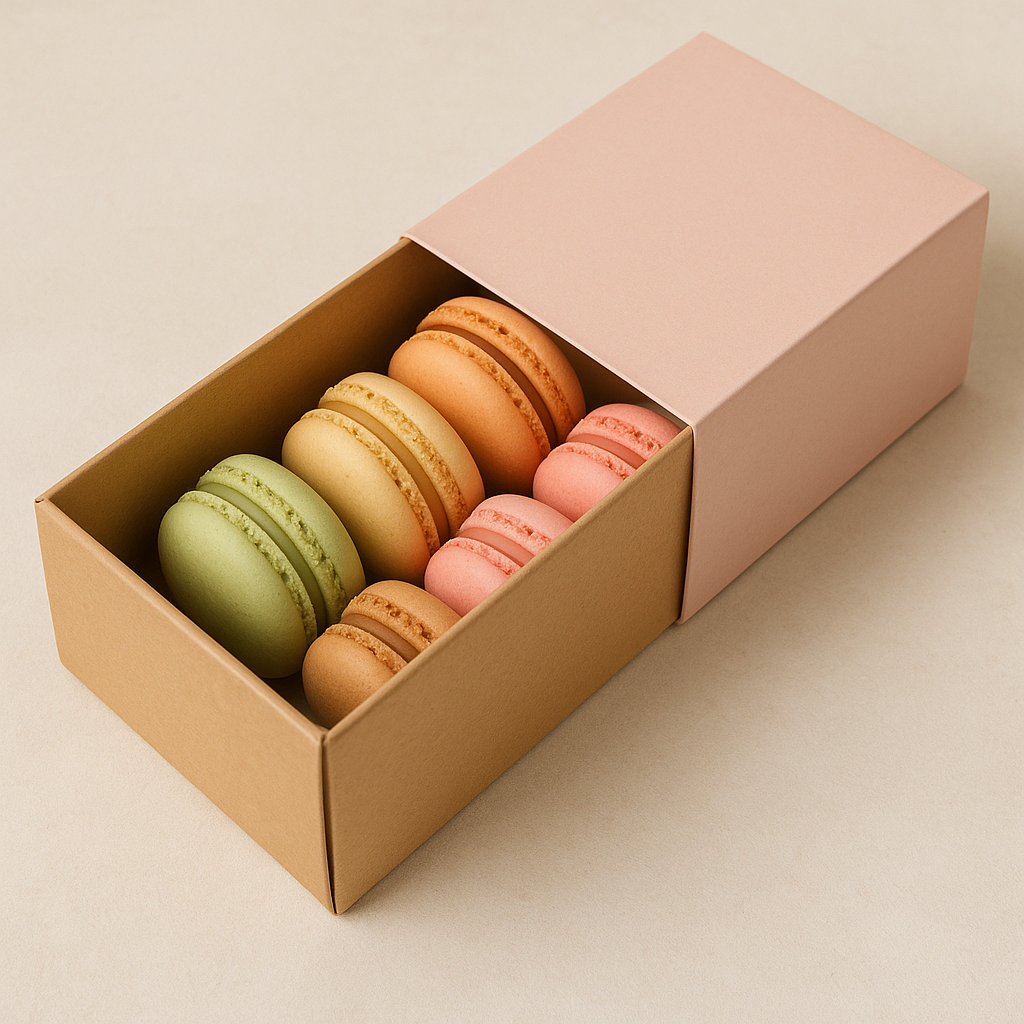
1. Gift packaging
A carefully crafted gift box can add emotional value to the present. Whether it’s a birthday, a festival or an anniversary, a handmade box can convey a unique sentiment.
2. Storage and organization
Make several boxes of different sizes at home to store jewelry, stationery or photos. It is not only neat and practical, but also makes the space more life-like.
3. Education and Parent-child activities
Making boxes is a great parent-child interactive project. During the process, children can learn to measure, cut and glue, enhancing their hands-on ability and spatial imagination.
Vi. Conclusion: The Story of a Box
From a piece of paper to a three-dimensional box, every step embodies the creator’s thoughtfulness. It is not merely a container, but also a medium for expressing creativity and conveying emotions. The process of handcrafting is a dialogue with oneself – in folding and pasting, one feels the power of concentration; in colors and decorations, one releases the imagination within.
Whether you are a handicraft enthusiast or someone trying to make boxes for the first time, you can find your own rhythm and joy in this process. Let’s use our hands to create a small world full of warmth.
Post time: Oct-25-2025


