


In an era that values both environmental protection and aesthetics, paper boxes are no longer just synonymous with packaging, but rather an extension of creativity and brand image. Whether it’s a small gift box, a practical storage box, or large shipping packaging, mastering the principles and techniques of paper box making allows you to easily create unique pieces that combine functionality and style.
I. How make cardboard box Basic Paper Box Making Process: From Design to Finishing
To make paper boxes of different shapes and sizes, the first step is to determine the structure and purpose. Different functions determine the thickness and structural strength of the cardboard.
1. Design and Measurement
Use CAD software or hand-drawing to determine the dimensions and fold lines of the paper box. Ensure that all corners fit tightly after folding. Common structures include:
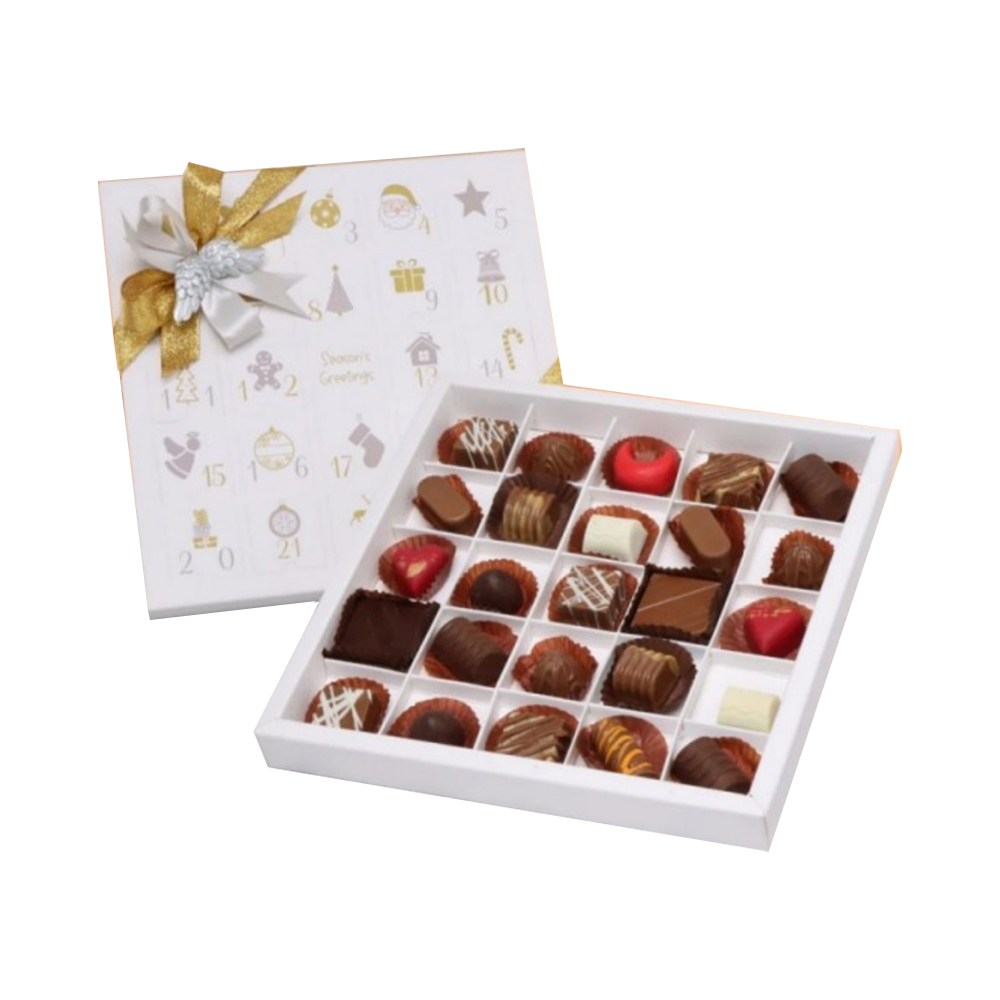
Flip-top boxes (suitable for gift packaging)
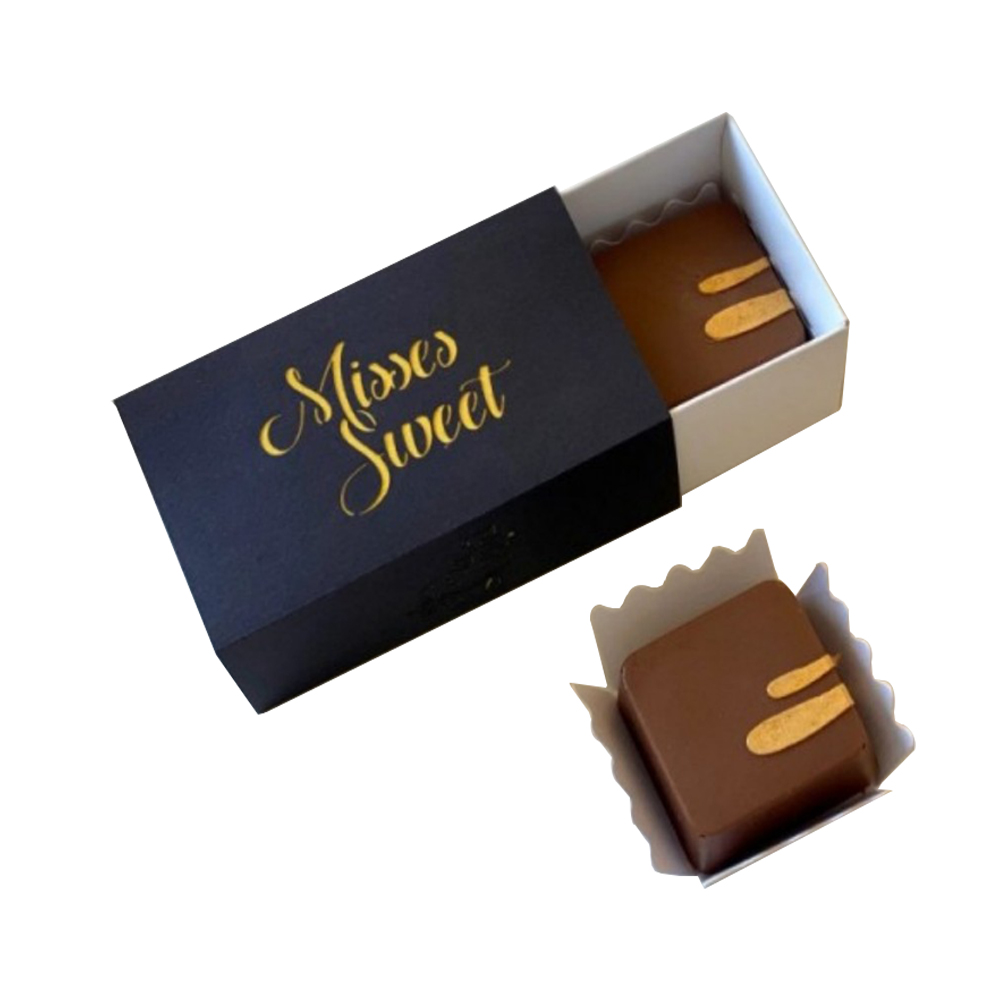
Drawer boxes (combining opening experience with protection)
Corrugated shipping boxes (emphasizing pressure resistance and moisture protection)
2. Cutting and Folding
According to the design drawings, use a utility knife or laser cutter for precise cutting. When folding, gently bend along the creases to avoid tearing the cardboard.
3. Assembly and Securing
Glue, double-sided tape, or glue-free slotted structures are common securing methods. For boxes requiring greater structural strength, internal reinforcing ribs or double-layer supports can be added.
II. How make cardboard box Enhancing Cardboard Strength: Making the Box “Stand Firm”
The stability and load-bearing capacity of a cardboard box depend on the materials and reinforcement methods.
1. Using High-Density Corrugated Paper
Double-wall or triple-wall corrugated structures effectively improve pressure resistance, making the box less prone to collapse.
2. Strengthen Connections with Glue
Use PVA white glue or environmentally friendly hot melt glue at the bonding points, and add a strip of paper to seal the edges to improve durability.
3. Add Lining or Support Layers
For cardboard boxes that need to bear weight (such as storage boxes), add cardboard linings to the bottom or four corners to make the structure more stable.
4. Optimize Folding Structure
The more precise the creases and the more symmetrical the angles, the stronger the structural strength of the cardboard box. It is recommended to use a crease cutter or die-cutting plate to ensure that each crease is smooth.
III. How make cardboard box Waterproofing and Durability: Making Cardboard Boxes More Resilient
The biggest weakness of cardboard boxes is their tendency to soften when exposed to water, so moisture-proofing and waterproofing are particularly important.
1. Surface Coating Protection
Common methods include:
Water-based waterproof coating: Environmentally friendly and odorless, suitable for food packaging.
Wax coating: Effectively repellent to water, but not conducive to recycling.
Lamination process: Improves brightness and abrasion resistance, suitable for high-end gift boxes.
2. Use Waterproof Adhesives
Choosing moisture-resistant adhesives (such as PVA waterproof white glue or silicone-based glue) can extend the life of the cardboard box.
3. Choose High-Balance Kraft Paper
Kraft paper has dense fibers and low water absorption, making it an ideal choice for making waterproof packaging boxes.
IV. How make cardboard box Creative and Personalized Design: Making Cardboard Boxes “Speak”
Today, consumers are not only concerned with the product itself, but also with the unboxing experience. Personalized cardboard boxes have emerged under this trend.
1. Custom Shapes and Sizes
From hearts and ovals to stepped structures, irregular shapes break the constraints of traditional square boxes, giving packaging more room for imagination.
2. Creative Printing and Visual Design
Four-color printing (CMYK): Suitable for richly colored patterns.
Hot stamping, UV coating, embossing: Give cardboard boxes a more premium feel.
Minimalist design: White space + brand logo, showcasing a modern feel.
3. Environmental Protection and Reuse
Many brands today choose recycled paper materials and plastic-free lamination designs, which are not only environmentally friendly but also convey the brand’s warmth through natural textures. The reusable foldable structure also transforms packaging into storage boxes or decorative items, achieving secondary use.
V. How make cardboard box Tips for Making DIY Paper Boxes
If you want to make a unique paper box yourself, you can refer to the following practical tips:
Draw an unfolded diagram in advance to avoid incorrect angles when gluing;
Use a roller to crease the lines for neater creases;
Avoid using too much glue to prevent seepage and deformation;
Store in a dry environment to prevent moisture absorption and softening;
Add inner lining paper to strengthen the structure and beautify the inner wall.
VI. How make cardboard box Conclusion: Let Paper Boxes Be an Extension of Design
A good paper box not only carries items but also carries the story of the brand and its creativity. From material selection and structure to appearance, every aspect reflects a balance between craftsmanship and aesthetics.
Once you grasp the logic behind cardboard box making—whether it’s sturdiness, waterproofing, or personalized design—you can transform “ordinary paper” into a warm and artistic medium.
Post time: Nov-18-2025


