


When it comes to Cake Box Packaging, great results rarely happen by accident. A beautiful cake box that fits perfectly, protects delicate desserts, and reflects your brand identity usually starts long before design or production begins. It starts with the brief.
For bakeries, dessert brands, gift companies, and private-label food businesses, one of the biggest reasons custom packaging projects go off track is simple: the supplier never received enough useful information at the beginning.
A vague request like “I need a custom cake box” may sound straightforward, but in practice, it leaves too many unanswered questions. What kind of cake? What weight? What transport conditions? What finish? What budget? What branding requirements?
That is why preparing a proper supplier brief is one of the smartest things a food brand can do. If you want faster quotes, fewer revisions, smoother communication, and stronger final packaging, your brief should do more than ask for a box. It should tell the supplier exactly what success looks like.
Before discussing materials, finishes, or printing effects, the first step in planning successful Cake Box Packaging is understanding the cake itself.
Know What You Are Packaging
Not all cakes behave the same way in transit or on display. A lightweight sponge cake has very different packaging needs from a dense layered celebration cake. A slice box for takeaway is not the same as a rigid gift box for premium desserts.
When briefing your supplier, be specific about what goes inside the box:
- Whole cake or cake slices
- Single-serving dessert or family-size cake
- Fresh cream cake, mousse cake, buttercream cake, or dry baked cake
- Seasonal gift product or daily retail item
These details affect structural design, ventilation, support, and even opening style.
Provide Accurate Dimensions and Weight
One of the most common packaging mistakes is guessing size. A box that is too large allows movement. A box that is too tight can ruin decorations, frosting, or toppings.
Include:
- Product diameter or length/width
- Height including decoration
- Total product weight
- Number of pieces per box
If your cake includes toppers, ribbons, fruit, or high frosting peaks, mention that too. Even a small height difference can completely change the required structure.
Mention Handling Conditions Early
Your supplier also needs to know how the packaging will be used. Will customers carry it home by hand? Will it be shipped long distance? Will it sit in refrigerated display cases? Will it be stacked?
The more context you provide, the easier it becomes to choose the right paperboard thickness, insert support, and structural reinforcement.
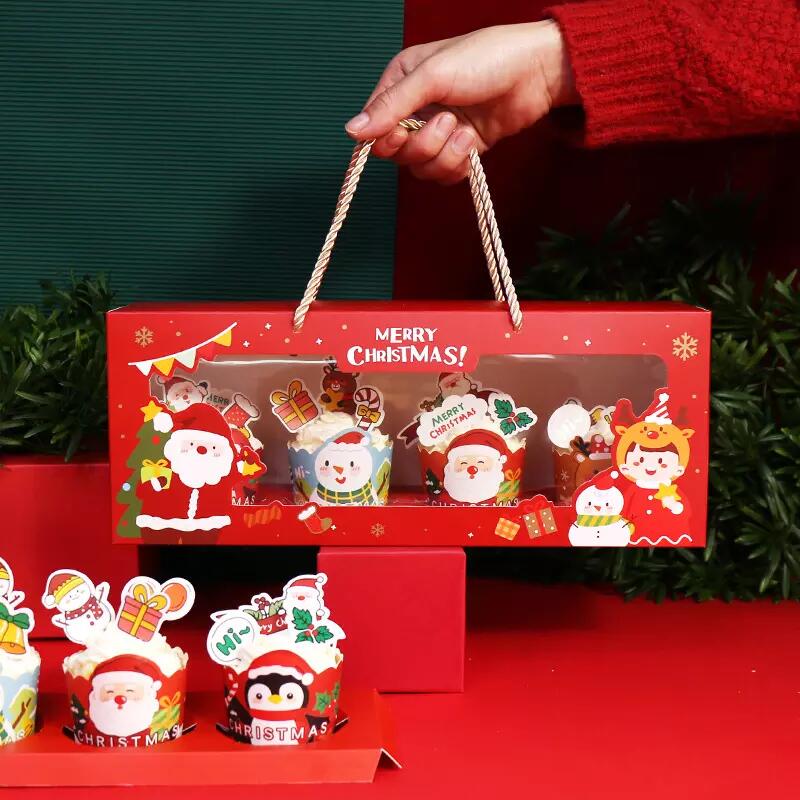
A box can look beautiful online and still fail in real life. Good Cake Box Packaging is not only attractive—it has to work.
Choose the Right Box Style
Different cake products call for different packaging formats. When you brief your supplier, explain what kind of unboxing or customer experience you want.
Common structures include:
- Folding carton cake boxes
- Window cake boxes
- Corrugated transport boxes
- Handle-top bakery boxes
- Drawer-style gift cake boxes
- Rigid presentation boxes for luxury desserts
Each format offers a different balance of cost, appearance, and protection. For example, a simple foldable cake box may work perfectly for retail bakery takeaway, while a premium holiday cake collection may benefit from a more rigid and giftable structure.
Think Beyond Appearance
A good supplier will not only ask what you want the box to look like, but also how you want it to perform.
Useful questions include:
- Does it need a food-safe insert?
- Should it hold the cake board securely?
- Will it be carried frequently?
- Does it need a transparent window?
- Should it open easily for social-media-friendly presentation?
These details can significantly improve both functionality and customer experience.
Balance Luxury and Practicality
Many brands want packaging that feels upscale, but luxury should never compromise usability. A box with premium foil and soft-touch lamination may look impressive, but if it is hard to assemble, too fragile, or too expensive for repeat orders, it may not be the right long-term solution.
A smart brief helps your supplier recommend a structure that aligns with your actual business model—not just visual inspiration.
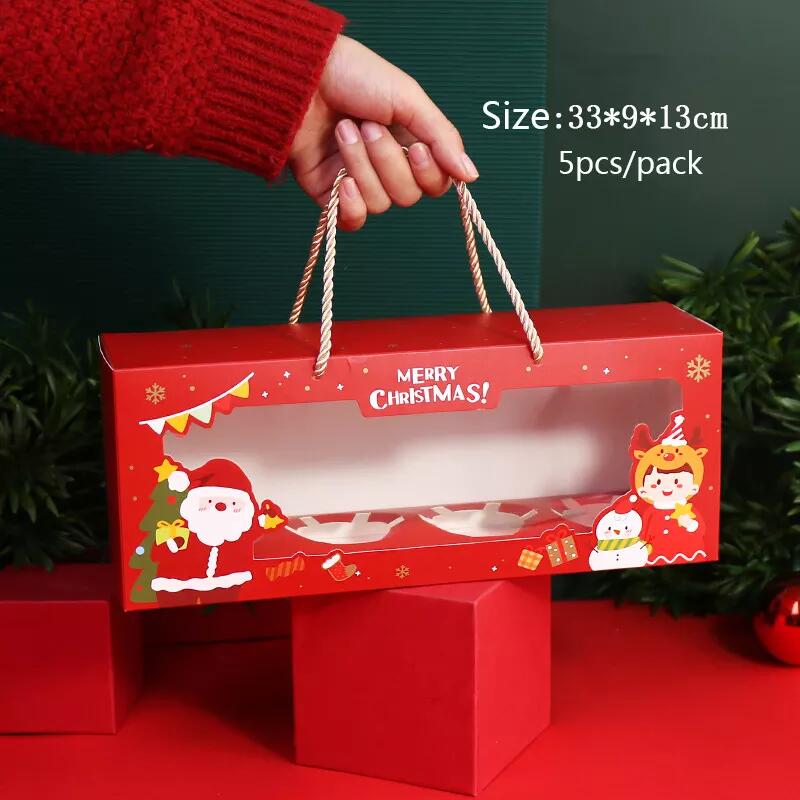
One of the fastest ways to delay a packaging project is to send incomplete branding assets. If your supplier has to keep asking for logo files, colors, fonts, or text content, the timeline slows immediately.
Send Usable Brand Assets
To create strong Cake Box Packaging, your supplier should receive:
- Brand name
- Vector logo files (AI, EPS, PDF if possible)
- High-resolution PNG files if vectors are unavailable
- Brand color references (Pantone, CMYK, or HEX)
- Font names or font files where applicable
The better your source materials, the cleaner your print result.
Share Reference Images and Packaging Inspiration
Sometimes brands struggle to describe what they want in words. That is normal. A reference image can often communicate direction faster than a long paragraph.
Helpful inspiration may include:
- Packaging styles you admire
- Competing bakery brands
- Luxury food packaging examples
- Mood board screenshots
- Instagram or Pinterest references
You do not need to copy another brand’s packaging. But sharing visual references gives your supplier a clearer sense of your aesthetic—minimal, playful, elegant, artisanal, premium, seasonal, or gift-focused.
List All Required Printed Information
Food packaging often includes more than branding. Your box may also need:
- Ingredient or flavor information
- Storage instructions
- Expiry labels
- Certifications
- Social media handles
- Website URL
- QR codes
If these details are not discussed early, they can become a major source of late-stage revisions. Include them from the beginning.
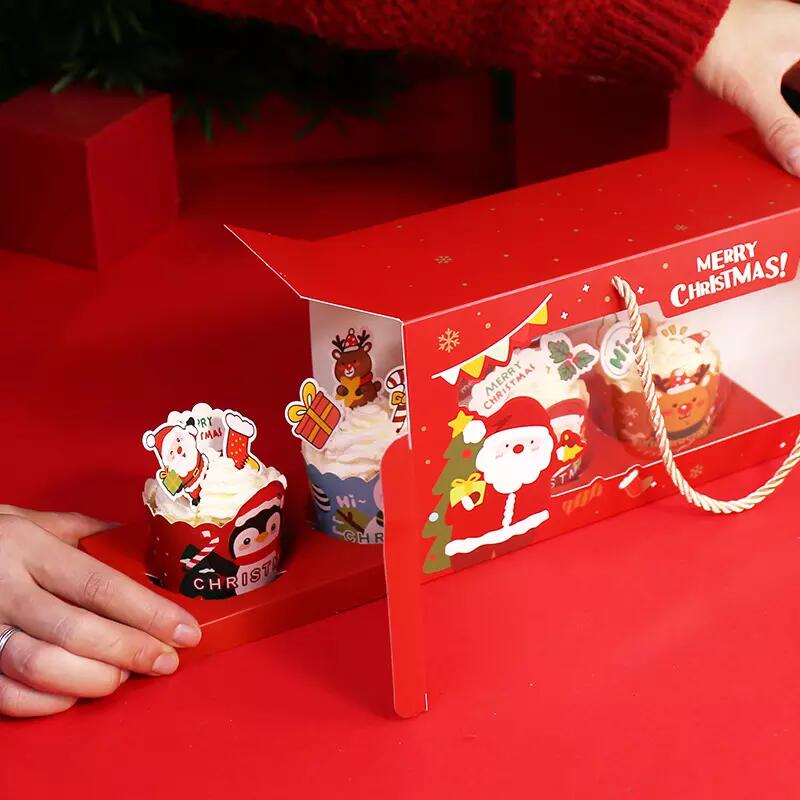
A supplier cannot provide an accurate quote based only on dimensions and visuals. Commercial details matter just as much as design.
Tell the Supplier How Many Units You Need
Custom packaging pricing changes dramatically based on volume. A run of 500 boxes is priced very differently from 5,000 or 50,000 units.
Include:
- Trial order quantity
- Mass production estimate
- Whether this is a one-time project or ongoing requirement
This helps your supplier recommend materials and structures that make financial sense.
Be Honest About Your Deadline
One of the most overlooked parts of a packaging brief is timing. If your product launch is tied to:
- A seasonal promotion
- A holiday campaign
- A retail launch
- A bakery opening
- A wedding or event season
…your supplier needs to know immediately.
Packaging timelines usually include:
- Quotation
- Structural confirmation
- Graphic design adaptation
- Sampling
- Approval
- Production
- Shipping
A “rush order” often becomes expensive only because the timeline was not discussed upfront.
Include the Delivery Destination
Shipping cost and packaging feasibility can also depend on where the goods are going. If your boxes are shipping internationally, or if you need door-to-door logistics support, mention the destination early.
That way, your supplier can help optimize:
- Carton packing efficiency
- Freight cost
- Lead time
- Export packaging requirements
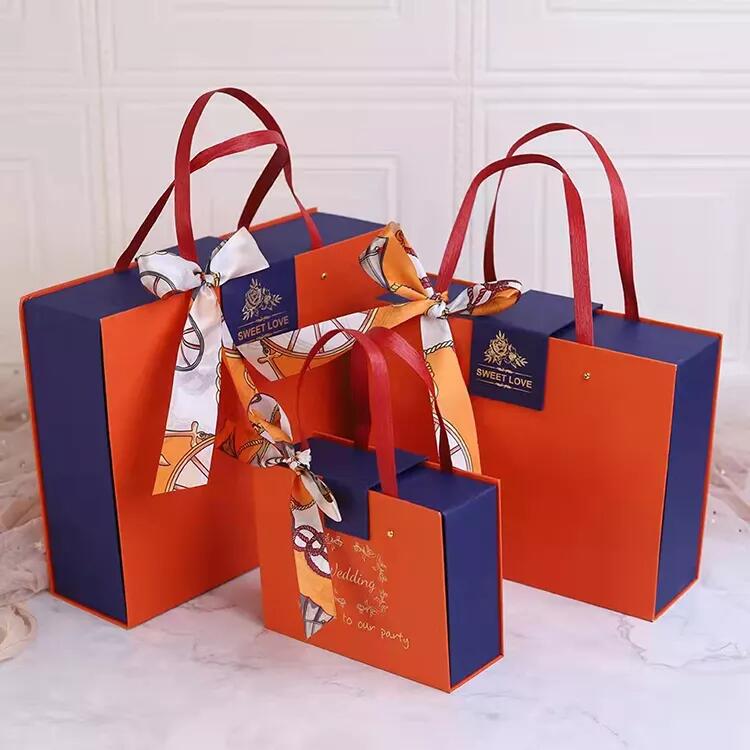
Many buyers hesitate to talk about budget because they worry it will limit options. In reality, being clear about budget often leads to better recommendations.
A Budget Range Helps Suppliers Propose Smarter Solutions
If you want premium-looking Cake Box Packaging but need to stay within a commercial target, your supplier can help you balance cost and appearance.
For example, if foil stamping on every panel pushes the cost too high, a supplier may suggest:
- Foil only on the logo
- Spot UV instead of full gloss lamination
- Textured board instead of extra embellishments
- A folding carton instead of a rigid box
Without a budget range, suppliers may propose something visually attractive but commercially unrealistic.
Cost Is Driven by More Than Size
Many buyers assume pricing is mostly about dimensions. In reality, packaging cost is often influenced by:
- Material grade
- Printing complexity
- Finishing effects
- Box structure
- Inserts
- Quantity
- Assembly method
That is why two boxes of the same size can have very different unit prices.
Flexibility Often Creates Better Value
If your budget is tight, mention whether you are open to alternatives. Sometimes a small structural adjustment or material change can reduce cost without reducing brand impact.
A good supplier should help you make trade-offs strategically, not just cheaply.
If you want custom Cake Box Packaging that protects your cakes, reflects your brand, and supports long-term business growth, the process starts with one thing: a better brief.
The brands that get the best packaging results are usually not the ones with the biggest budgets. They are the ones that communicate clearly, provide useful information, and involve their supplier early enough to make smart decisions.
If you are planning your next custom cake box project, keep it simple:
tell your supplier what you are selling, who you are selling to, and what kind of experience you want customers to have.
Everything else becomes easier from there.
Need help with custom Cake Box Packaging?
If you already have an idea, a sketch, a sample, or even just a rough concept, the best next step is to start the conversation. A strong packaging partner can help turn that starting point into a box that truly works for your brand.
To get an accurate quote and suitable packaging recommendation, you should provide as much detail as possible about your product and brand. This usually includes your cake size, weight, packaging style preference, material requirements, printing needs, quantity, and delivery timeline.
If you already have a logo, brand colors, or reference images, sharing them early can help speed up the design process. Even if you do not have all the technical details prepared, a professional packaging supplier can usually help you refine the specifications based on your product type and market positioning.
The right cake box packaging depends on how your product will be sold, transported, and presented. For example, takeaway bakery boxes may require lightweight and cost-effective folding cartons, while premium gift cakes often need stronger and more luxurious packaging.
You should also consider whether your cake is fragile, refrigerated, decorated with toppings, or intended for long-distance delivery. A good packaging supplier will help you balance structure, visual appeal, and budget so the final box not only looks attractive but also performs well in real use.
Common materials for cake box packaging include food-grade paperboard, kraft board, white card stock, corrugated board, and rigid chipboard for premium applications. The right choice depends on your product weight, brand style, and packaging purpose.
For example, lightweight retail cake boxes often use folding paperboard, while shipping-friendly packaging may require corrugated reinforcement. If your brand focuses on sustainability, recyclable or eco-friendly paper materials can also be considered. Surface finishes such as matte lamination, gloss, foil stamping, or soft-touch coating can further enhance the final look.
Production time for custom cake box packaging can vary depending on the complexity of the design, order quantity, finishing requirements, and shipping destination. In most cases, the process includes quotation, structural confirmation, artwork setup, sample production, mass production, and delivery.
If you have a fixed launch date, holiday promotion, or seasonal campaign, it is best to discuss your deadline at the very beginning. Early planning gives your supplier more flexibility to recommend the most realistic and cost-effective production schedule.
Yes, absolutely. Many bakeries and food brands approach packaging suppliers before their final design is complete. If you already know your product size, target market, and general brand style, that is often enough to begin the discussion.
An experienced supplier can help you with box structure suggestions, material recommendations, and even design support if needed. In many cases, starting early is actually an advantage, because it allows the packaging to be developed more strategically around your product and branding goals.
Post time: Apr-07-2026


