


In the competitive food industry, custom gift boxes are far more than just product containers—they’re a powerful branding tool, a key driver of customer perception, and a critical factor in your profit margins. For food entrepreneurs, small batch producers, and established food brands alike, figuring out how much to spend on custom gift boxes is one of the most challenging budgeting decisions. Underinvest, and your packaging fails to stand out or protect your products; overspend, and you eat into your profits and make your products uncompetitive.
The Standard Percentage Formula for Custom Gift Boxes Pricing
When budgeting for custom gift boxes for food products, the industry’s golden rule trusted by top food brands worldwide is simple: allocate 10–15% of your product’s retail price to packaging costs per unit. This percentage is carefully calibrated to balance quality, branding, and profitability—ensuring your custom gift boxes enhance perceived value without eroding your bottom line.
For example, if your artisanal chocolate gift set retails for $30, your per-unit custom gift boxes budget should fall between $3 and $4.50. For a lower-priced item like a gourmet cookie box priced at $12, the packaging budget ranges from $1.20 to $1.80 per unit. This formula works across all food categories, including confections, snacks, coffee, tea, holiday food baskets, and corporate edible gifts, as it aligns packaging costs with consumer willingness to pay for premium presentation.
Adjusting the Formula for Your Food Business Model
While the 10–15% benchmark is ideal for most retail food businesses, you may need to adjust it based on your unique business model. Direct-to-consumer (DTC) food brands focusing on luxury gifting can lean toward the 15% upper limit, as premium custom gift boxes justify higher price points and drive more social media engagement.
Conversely, wholesale food suppliers or budget-friendly snack brands may stick to the 10% lower end to keep wholesale prices competitive. For startup food businesses with smaller order volumes, it’s acceptable to temporarily allocate up to 20% of retail price for custom gift boxes, as you’ll benefit from lower per-unit costs as your order quantity grows. The key is to avoid letting custom gift boxes costs exceed 20% long-term, as this will make it impossible to maintain healthy gross margins.
Material Choices for Custom Gift Boxes and Their Price Points
Material selection is the single biggest influence on custom gift boxes costs, and it directly impacts the quality, durability, and premium feel of your food packaging. Food-grade materials are non-negotiable for safety, but there are cost-effective and luxury options to fit every budget.
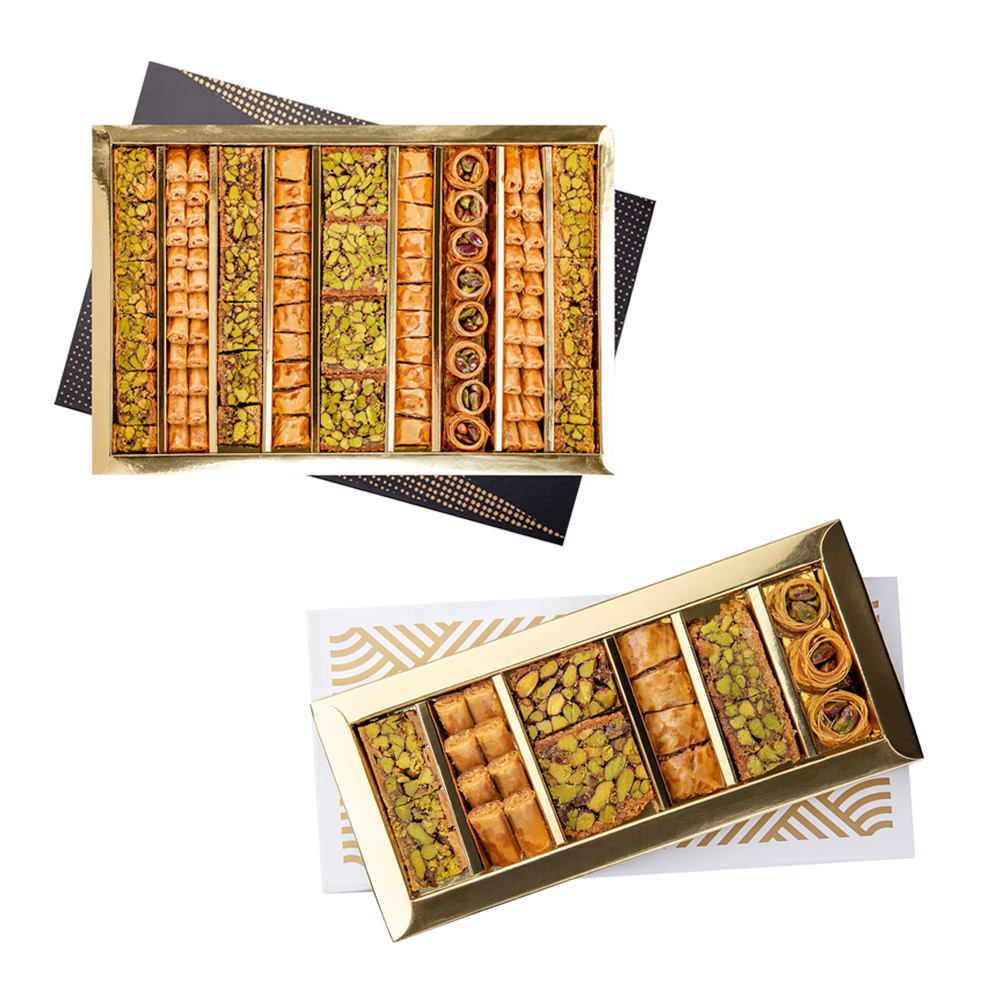
Standard kraft paperboard or thin folding cartons are the most affordable choices, ideal for everyday food items and small businesses just starting out, costing $0.50–$1.50 per unit in bulk. Mid-range options include thickened paperboard and textured stock, offering better durability and a more polished look for $1.50–$3 per unit. Premium rigid cardboard, velvet coatings, linen-textured paper, and sustainable FSC-certified materials fall at the higher end, priced at $3–$6 per unit, perfect for high-end gift sets and luxury food products. It’s important to match material quality to your product’s value—premium artisanal foods deserve high-end custom gift boxes, while everyday snacks can use cost-effective, sturdy materials.
Printing and Finishing Complexity for Custom Gift Boxes
The design, printing, and finishing details of your custom gift boxes add significant costs but also elevate your brand’s visual appeal. Basic 1–2 color printing with no special finishes is the most budget-friendly option, ideal for minimal branding and small-batch orders. Full-color CMYK printing adds moderate cost, bringing vibrant product imagery and brand designs to life, essential for standing out on retail shelves.
Specialty finishes like gold/silver foil stamping, embossing, debossing, spot UV coating, and soft-touch lamination can increase printing costs by 20–40%, but they transform standard custom gift boxes into luxury packaging. These finishes are worth the investment for gifting-focused food brands, as they create a memorable unboxing experience. Digital printing is more cost-effective for small orders (under 500 units), while offset printing offers lower per-unit costs for large bulk orders (2,000+ units), so choose your printing method based on your order size to stay within budget.
Basic vs. Premium Custom Gift Boxes Structures
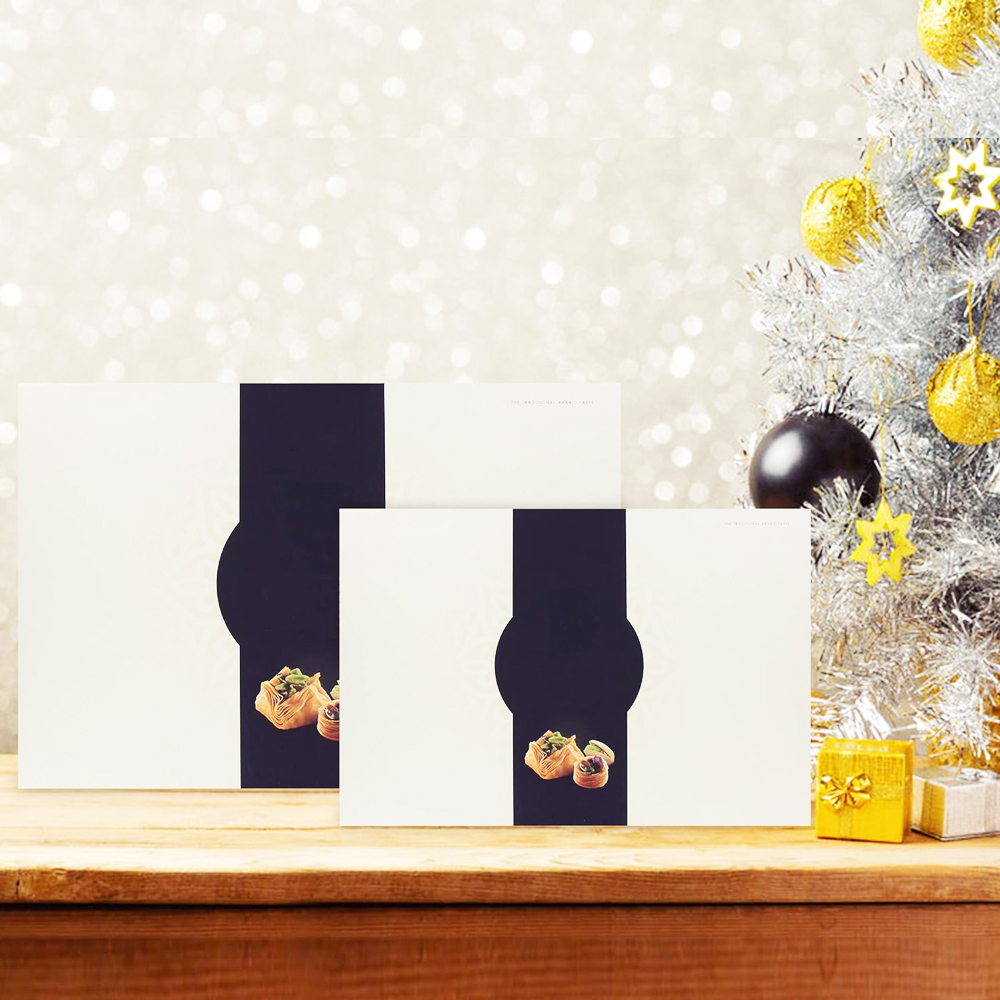
The structural design of your custom gift boxes directly affects production costs, with simple structures being far more budget-friendly than complex, architectural designs. Basic folding cartons and tuck-end boxes are the most affordable options, easy to produce, ship flat to save on shipping costs, and ideal for standard food items like cookies, chocolates, and snack packs.
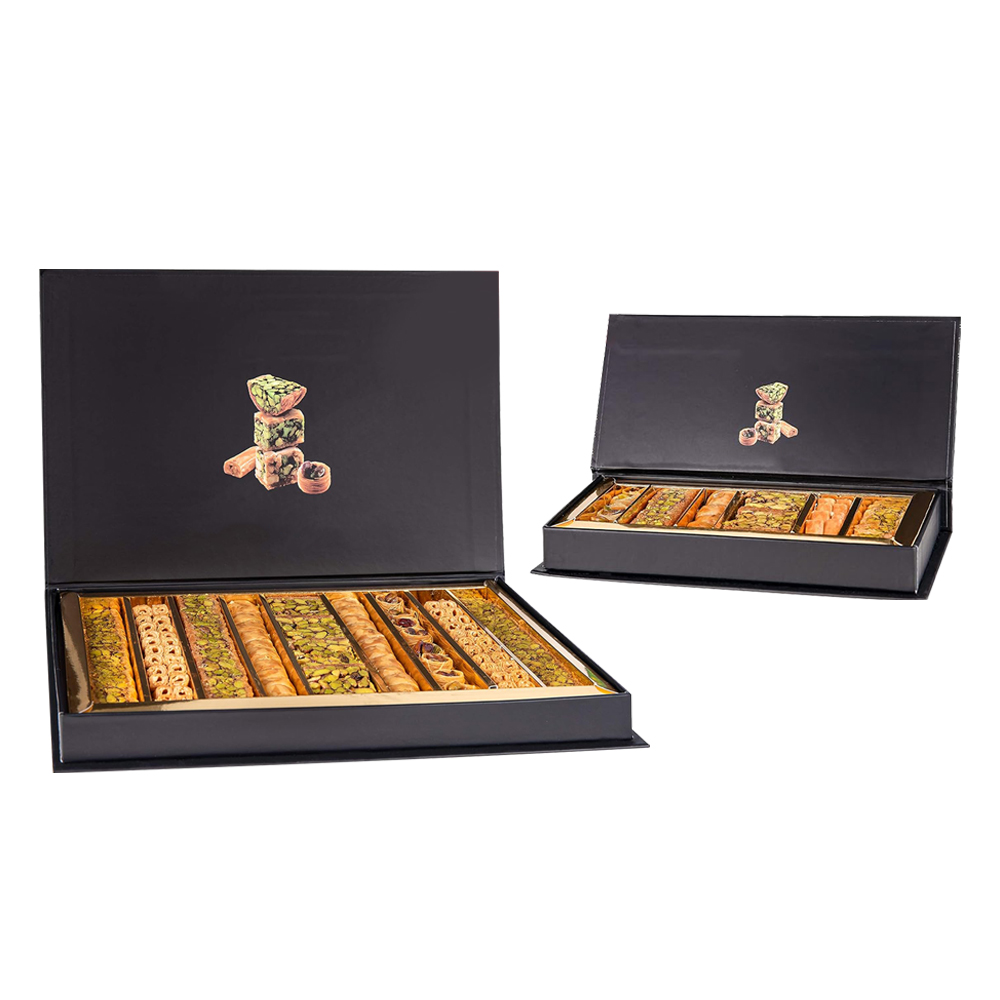
Mid-range structures include magnetic closure boxes and two-piece rigid boxes, which add a premium feel and are perfect for giftable food products, with moderate production costs. Complex custom gift boxes structures—such as drawer-in-drawer designs, origami-inspired folding boxes, multi-compartment reveal boxes, and tiered gift sets—come with the highest costs, as they require custom die-cutting and more labor-intensive assembly. These high-end structures are best reserved for luxury food gifts and limited-edition collections where the added cost is offset by higher retail prices.
Balancing Structure, Functionality, and Budget
When choosing a structure for your custom gift boxes, it’s crucial to balance aesthetics, functionality, and budget. For food products, functionality is non-negotiable: the box must protect delicate items, fit your products perfectly to avoid damage during shipping, and comply with food safety standards. A cheap, poorly structured box may save money upfront but lead to damaged products, customer returns, and brand reputation damage—costing you far more in the long run.
Work with your custom gift boxes manufacturer to design a structure that meets your functional needs while staying within budget. For example, a simple rigid box with a subtle embossed logo can offer a premium look at a lower cost than a highly complex structure. Opting for collapsible custom gift boxes also reduces shipping and storage costs, adding hidden savings to your overall budget.
How Premium Custom Gift Boxes Boost Profit Margins
Many food business owners make the mistake of cutting their custom gift boxes budget to save money, but investing in quality packaging delivers a strong return on investment (ROI) that far outweighs the initial cost. Premium custom gift boxes allow you to command a 2–3x higher retail price for your food products, as consumers associate high-quality packaging with premium, artisanal, and gift-worthy items.
For example, a box of homemade fudge packaged in a plain plastic container may sell for $8, but the same fudge in a branded custom rigid gift box can sell for $18–$24. The extra $5–$6 you spend on custom gift boxes per unit leads to an additional $10–$16 in revenue, drastically improving your profit margins. Additionally, well-designed custom gift boxes reduce product damage during shipping, lowering return rates and saving you the cost of replacing spoiled or broken food items.
Long-Term Brand Benefits of Custom Gift Boxes
Beyond immediate sales, custom gift boxes are a long-term marketing investment that builds brand loyalty and generates free organic promotion. Eye-catching, memorable custom gift boxes encourage customers to share unboxing photos and videos on social media platforms like Instagram and TikTok, exposing your brand to thousands of potential customers at no extra cost.
Custom gift boxes also create a lasting brand impression—customers are more likely to remember and repurchase from your brand if they have a positive unboxing experience. For food businesses targeting corporate gifting, holiday gifting, or special occasion markets, premium custom gift boxes are essential to securing large bulk orders from businesses and individual gift buyers. These high-volume orders deliver significant revenue that far exceeds the cost of your packaging budget.
Plan Ahead and Order in Bulk for Maximum Savings
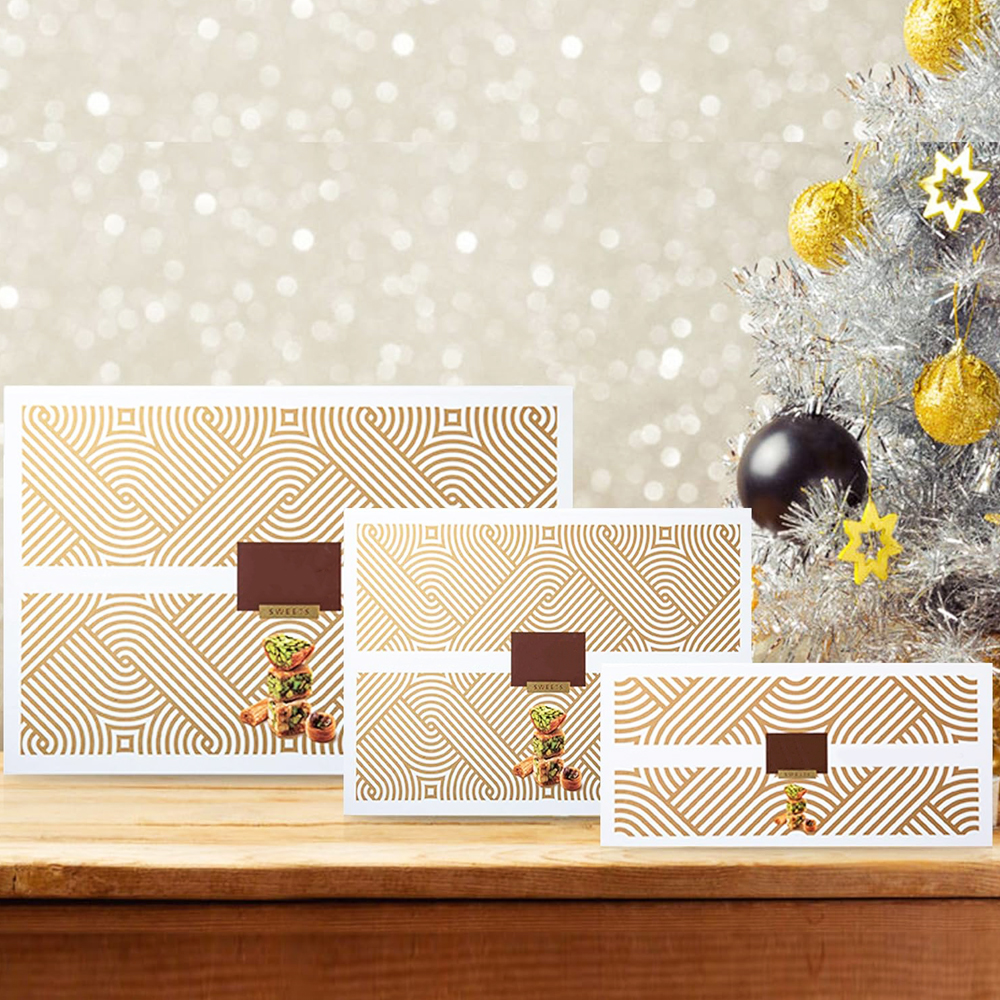
The most effective way to stay within your custom gift boxes budget is to plan your inventory needs in advance and order in bulk. Instead of placing small monthly orders, forecast your sales for 3–6 months and place one large order. This strategy can reduce per-unit custom gift boxes costs by 30–50%, as you spread out fixed setup costs and qualify for bulk discounts from your manufacturer.
For seasonal food products (like holiday gift sets or summer snack boxes), plan your order 2–3 months in advance to avoid rush production fees, which can add 15–25% to your total cost. Planning ahead also gives you time to order samples, test different materials and designs, and make adjustments before committing to a large production run.
Simplify Design and Consolidate SKUs
Simplifying your custom gift boxes design is another easy way to cut costs without sacrificing quality. Stick to a limited color palette, avoid unnecessary specialty finishes, and use a standard box size to reduce custom die-cutting fees. Consolidating your product SKUs also helps—using the same custom gift boxes for multiple similar food products increases your order quantity per box size, lowering per-unit costs even more.
Instead of creating unique boxes for every product variant, use the same base box with different labels or inserts to differentiate products. This approach maintains brand consistency, reduces production complexity, and keeps your packaging budget under control.
Calculating the right budget for custom gift boxes is a balancing act of cost control, quality, and branding, but with the right framework, it doesn’t have to be a guessing game. By following the 10–15% retail price benchmark, understanding key cost drivers like materials, printing, and order quantity, and leveraging bulk ordering and design simplification, you can create a budget that delivers high-quality packaging without hurting your profit margins.
Remember that custom gift boxes are a strategic investment for your food business, not just an expense. Quality packaging enhances your brand image, justifies higher retail prices, reduces product damage, and builds customer loyalty—all of which drive long-term growth and revenue. Partnering with an experienced custom gift boxes manufacturer like Fuliter Paper Box ensures you get expert guidance, competitive pricing, and high-quality, food-safe packaging that aligns with your budget and brand goals.
Whether you’re a startup food entrepreneur or an established brand, taking the time to calculate a thoughtful custom gift boxes budget will set you apart from competitors, delight your customers, and keep your business profitable. Stop overspending or underspending on packaging—use this guide to create a budget that works for your unique food business and watch your products stand out in the crowded gifting market.
This depends on whether boxes have been printed before and deposited money saved. Most of the people that print in small quantities are better off paying cost. A simple box for stocking retail products like truffles or bonbons could be anywhere from one dollar to four dollars, and if you order 500 or more then the price portfolio will fall further-very probably each such box no more than 10 cents. A custom rigid box with foil of course is always going to be more expensive. You are better off getting a specific quote than just an estimate.
Certainly, suppliers who take their business seriously use only food grade materials and inks. All surfaces with which it comes into contact must guarantee not to contaminate whatsoever. This concerns things like the paperboard of a box, both coatings and glues. Equally, it's a good idea to check out from your supplier that their inks are deemed to be food safe. In this way you assure quality and safety in your printing.
A die line is simply a flat, two dimensional (2D) drawing of your box showing all cut lines, fold lines, and gluing areas. This is sent to you either by your suppliers or perhaps you draw my design on. It ensures that everything prints and folds correctly. It is the very first blueprint you need for your custom box.
Yes, thanks to the arrival of digital printing it is now possible to order modest quantities at low cost. Most suppliers ask for Minimum Order Quanties (MOQs) of perhaps about 25 or 50 boxes. Even so, it is worth noting that your cost per box is appreciably lower when you order a large quantity.
In switching to low-waste methods, you should choose materials like recycled Kraft paper or FSC-certified paperboard,which means it has been grown sustainably. Use soy-based inks in place of plastic coatings. A design which is simple, elegant, and made of recyclable materials will appeal to customers who care about the environment.
Post time: Apr-01-2026


