


How to Construct A Cardboard Box: Complete Practical Guide (with Dieline Logic and pro-level Tips)
Cardboard boxes may seem like mere packaging items in daily life, but crafting a sturdy, aesthetically pleasing, and properly sized box requires precise measurements, accurate creasing, and secure bottom sealing. Whether you need boxes for product packaging, moving items, or e-commerce shipping, this article will guide you step-by-step from scratch on how to make a professional-grade cardboard box.
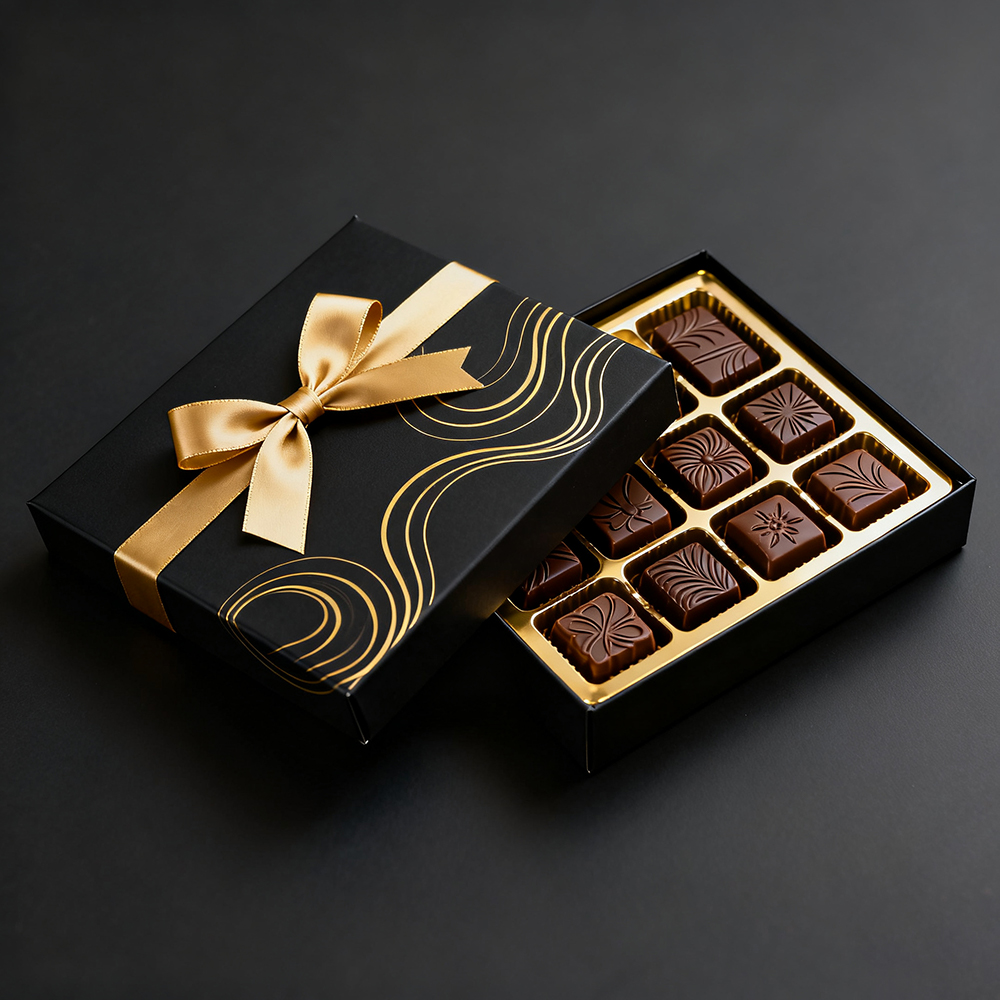
How to Construct A Cardboard Box-Preparing to Make Your Box
Before starting, gather these tools:
1. Corrugated cardboard (single-wall or double-wall, depending on your needs)
2. Utility knife or scissors
3. Metal ruler or set square
4. Creasing tool (or use the back of a spoon)
5. Clear tape, packing tape, or white glue
Corrugated cardboard is recommended for its enhanced compression resistance and shock-absorbing properties, making it more durable than plain gray board or single-layer cardboard. For food or gift packaging, opt for food-grade cardboard that meets hygiene standards—ideal for tea gift boxes, chocolate boxes, mooncake packaging, etc.
How to Construct A Cardboard Box-Measuring Carton Dimensions and Calculating Flat Pattern
The most crucial step in carton making is measurement, not cutting. Carton dimensions are typically based on internal measurements using the formula: Length × Width × Height
Assuming you need to package a gift item measuring 20 × 12 × 10 cm, add 0.3–0.5 cm allowance to each side to prevent deformation from excessive tightness.
The flat pattern calculation is: Length + Width + Length + Width + Flap Adhesion Page
This means forming a cylinder with four sides plus one page for adhesion. The flap adhesion page should be 2 cm to 3 cm wide to ensure sufficient bonding area.
The top and bottom flaps are typically half the height, providing a balanced proportion and secure closure.
How to Construct A Cardboard Box-Complete Steps for Making a Cardboard Box
Step One: Draw the Flat Pattern on Cardboard
Using a ruler, draw the dimensions of each panel based on measured sizes. Ensure lines are perfectly straight to prevent box warping or distortion during assembly.
Step Two: Cut the Cardboard
Use a craft knife to cut along the edges only—do not cut through the crease lines.
Step 3: Create Creases
Use a creasing tool or the back of a spoon to press along the fold lines. This ensures neat, clean edges when folding. Sharper creases result in a sturdier box.
Step 4: Form the Cardboard into a Tube
Roll the cardboard into a cylinder shape. Attach the flap to the opposite side using tape or white glue.
Step 5: Seal the Bottom
Fold the short sides first, then the long sides to seal the bottom. We recommend the “H-shaped” sealing method: start with the center flap, then secure both side edges. This creates a stronger, crack-resistant seal.
Step 6: Load Items and Seal the Top
After placing items inside, fold the top flaps in the same sequence and secure with adhesive.
Your cardboard box is now complete.

How to Construct A Cardboard Box- Tape-Free Box Bottom Sealing Method
Many people search: How to seal a box without tape?
This method is called an interlocking bottom box, featuring a tongue-and-groove closure structure commonly used for gift boxes or delicate packaging.
Method:
Step 1: Fold two opposite short flaps first.
Step 2: Fold the remaining two long flaps and insert them into the gaps between the first two short flaps.
Step 3: The four flaps interlock to form a secure structure.
This design requires no tape. Once sealed, the flaps compress against each other to maintain tightness, offering an aesthetically pleasing and eco-friendly solution.
How to Construct A Cardboard Box-Methods for Reinforcing Cartons and Enhancing Load-Bearing Capacity
Many carton deformations or ruptures stem not from thin cardboard but from improper construction. To enhance carton strength, employ the following approaches:
1. Reinforce the bottom
Use either a “cross-sealed bottom” or “H-shaped bottom seal.”
2. Add internal cardboard lining
Incorporating an internal cardboard panel matching the bottom dimensions can increase load-bearing capacity by over 30%.
3. Select Cardboard with Correct Corrugation Orientation
Vertical corrugation orientation provides greater load-bearing capacity than horizontal.
4. Use Double-Wall Corrugated Cardboard
For moving or transporting heavy items, double-wall corrugated cardboard is recommended.
Part Six: Applications for Cardboard Boxes
Cardboard boxes extend beyond logistics packaging to include:
E-commerce shipping boxes
Food packaging, such as dessert boxes, chocolate boxes, and tea gift sets
Custom boxes with printed branding
Gift packaging or product display packaging
For business users requiring bulk purchases, consider customization with printed branding to enhance product presentation.
How to Construct A Cardboard Box-Summary
While box construction may seem straightforward, creating a sturdy, aesthetically pleasing box that meets packaging standards requires:
Accurate measurements
Clean creases
Secure bottom sealing
Precise measurements determine perfect formation, neat creases elevate overall quality, and proper bottom sealing ensures packaging safety.
For personalized carton customization—such as food-grade gift boxes, tea gift boxes, chocolate packaging, or premium product packaging—Fuliter offers end-to-end services from structural design and prototyping to bulk production. We also provide custom finishing options including foil stamping, UV coating, and embossing.

Tags: #box, #packaging box, #custom
Post time: Nov-07-2025


