


How to make a cardboard packaging box: From Design to Shaping, Creating Your Own Personalized Packaging
In today’s era that emphasizes environmental protection and creativity, making cardboard packaging boxes by hand is not only a practical skill but also a way to showcase one’s personal style. Whether it’s for e-commerce packaging, gift boxes, or household storage boxes, as long as you master the correct methods, you can create both beautiful and sturdy boxes with your own hands. This article will guide you step by step through the process of making cardboard packaging boxes, from material selection, design to decoration, explaining each step in detail to ensure your creativity truly comes to life.
How to make a cardboard packaging box-I. Prepare Materials: A Good Start Decides Success or Failure
The first step in making a cardboard box is to prepare the appropriate materials and tools. The quality of the materials and the precision of the tools directly determine the stability and appearance of the finished product.
Choose cardboard.
Cardboard is the main body of packaging boxes. Different thicknesses and layers are suitable for different uses:
Single-layer cardboard: suitable for lightweight items such as stationery and small trinkets.
Double-layer cardboard: higher strength, often used for gift boxes or general transportation packaging.
Triple-layer cardboard: The strongest, suitable for carrying heavy or fragile items.
When making a choice, consider the thickness, hardness and flatness. If necessary, you can purchase samples at a local stationery store or packaging materials store for a trial.
2. Prepare tools
The tools needed to make paper boxes are simple but crucial:
Utility knife or scissors: for precise cutting of cardboard.
Ruler and set square: Ensure accurate dimensions and angles;
Pencil: used for marking creases.
Double-sided tape or eco-friendly glue: for bonding all parts;
Optional tools: a scoring pen or a bone folder can make the creases neater.
How to make a cardboard packaging box-II. Designing the Packaging Box: Balancing Structure and Aesthetics
Before cutting, the design stage is of vital importance. A successful box should not only have the right size, but also a reasonable structure and a harmonious appearance.
Determine the size.
Calculate the size of the box based on the length, width and height of the product. It is recommended to reserve 0.5 to 1 centimeter of space in each direction to facilitate the placement of items and to avoid the box being too tight or too loose. For example:
The product size is 10×8×5 cm. The box size can be set to 11×9×6 cm.
2. Select Shape
Common box types include:
Rectangular box: The most basic style, suitable for most products;
Cube box: Suitable for symmetrical gifts;
Special-shaped boxes: such as heart-shaped and hexagonal ones, are more creative and personalized.
3. Draw the development diagram
The unfolded diagram serves as the “blueprint” for making. Sketch each surface on the cardboard with a pencil and mark the folding lines and the edges to be pasted. Beginners can first try drawing on waste paper to confirm the proportions are correct before officially sketching.
How to make a cardboard packaging box-III. Cutting and Folding: Precision is Key
1. Measuring and Marking
Carefully measure each edge line on the cardboard with a ruler and mark the folding lines and cutting lines. Be careful not to draw the folding lines too deeply to avoid cracking the cardboard.
2. Tailoring
Cut along the marked lines. If using a utility knife, it is recommended to do so on a cutting mat or thick paper to protect the desktop and ensure a smooth cut.
3. Folding and Creasing
Fold along the creases gently to form the initial outline of the box. You can use a scoring pen or the edge of a ruler to assist in folding, making the corners neater and more crisp.
How to make a cardboard packaging box-IV. Bonding and Reinforcement: Making the Structure More Robust
When all the panels have been cut, the assembly stage begins.
Bond the edges.
Align the parts that need to be connected and then bond them together with double-sided tape or eco-friendly glue. Be careful to control the amount of glue used to avoid overflow which may affect the appearance.
2. Reinforce the seams
For boxes that bear heavy loads, an additional strip of paper or a piece of transparent tape can be added at the internal seams to enhance stability.
How to make a cardboard packaging box-V. Decoration and Personalization: Adding a “Story” to Packaging
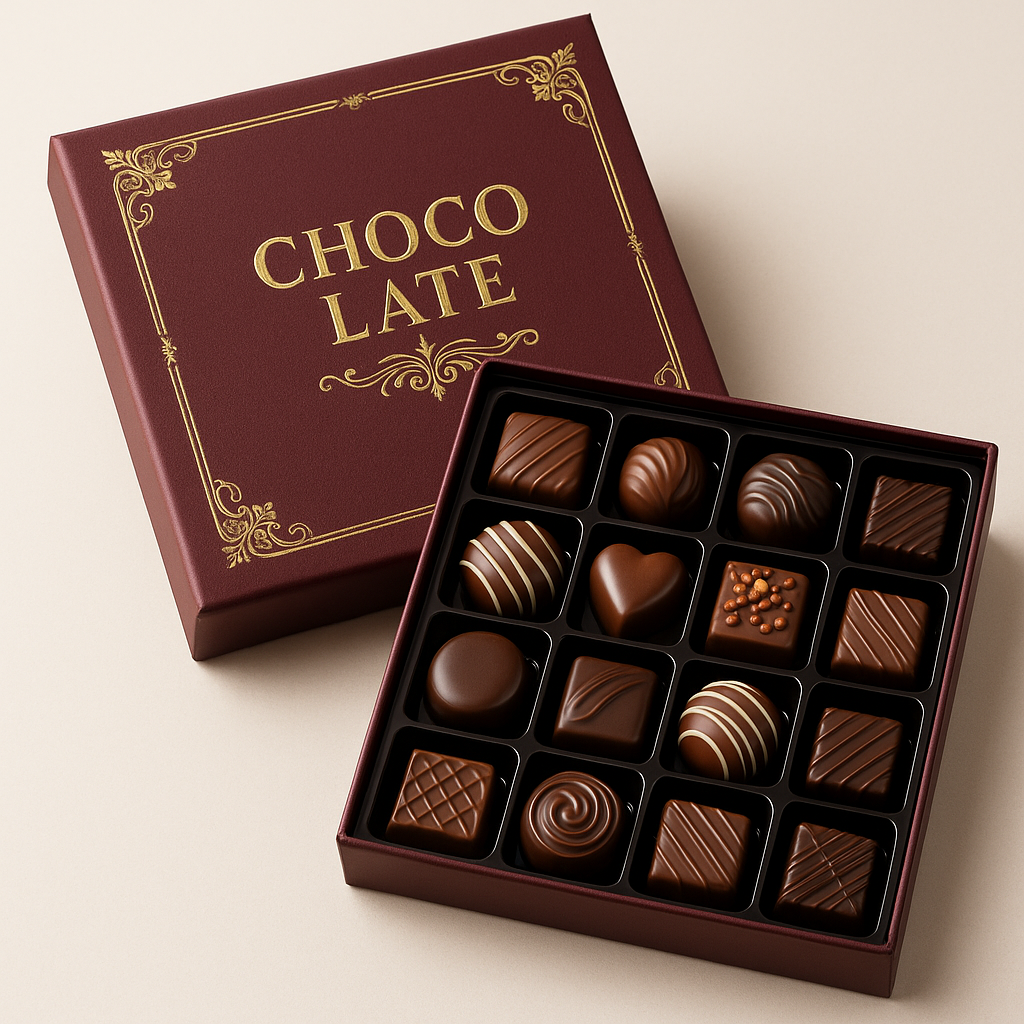
This is the stage that best showcases creativity and individuality. An ordinary cardboard box, after decoration, can be transformed into a unique work of art.
Printing and Stickers
You can print custom patterns, brand logos or blessings, and then attach them to the box surface with spray glue or heat transfer. If you don’t want to print, you can directly decorate with planner stickers or Washi tape.
2. Coloring and Painting
Use paints, markers or spray paint to color and create a unique style. It is recommended to choose matte or eco-friendly paints to avoid pungent odors.
3. Material Combination
The surface can also be covered with materials such as linen, kraft paper or cotton thread, to give the box more texture and warmth.
How to make a cardboard packaging box-VI. Testing and Adjustment: Making the Work More Perfect
After completion, functional testing must be carried out.
Stability test: Gently shake the box to see if it is loose.
Load-bearing test: Place actual items inside and observe if the bottom deforms.
Visual inspection: Ensure there are no glue marks and the folded corners are smooth and flat.
If any problems are found, they can be re-adhered or reinforced. Although this step is trivial, it can determine the “professionalism” of the work.
How to make a cardboard packaging box-VII. Usage and Storage: Tips for Extending the Lifespan of Paper Boxes
Usage: Whether it is for packaging goods, gifts or storage, it should be kept away from moisture and direct sunlight.
Storage: When not in use, the boxes can be flattened and stacked to save space. For printed boxes, avoid stacking them too high to prevent surface wear.
How to make a cardboard packaging box-VIII. Environmental Protection and Sustainability: Adding Warmth to Creativity
While pursuing beauty and practicality, do not forget environmental responsibility.
Give priority to recycled cardboard or FSC-certified materials;
Use water-based glue and non-toxic pigments;
Old cardboard boxes and express delivery boxes can also be recycled and reused, given a new lease of life.
Such a handmade process is not only environmentally friendly but also conveys a warm attitude towards life.
Conclusion: Let handmade packaging become a part of life.
The process of making cardboard packaging boxes is actually an experience of creation and healing. From an ordinary piece of cardboard to a three-dimensional finished product, every crease and line is filled with ingenuity and patience. Whether it’s for personal brand packaging or daily storage items, as long as you give it a try, you can also become your own “packaging designer”.
Let the paper box not only hold the items but also your thoughtfulness and style.
Post time: Oct-25-2025


