


How to Make a Large Paper Box: The Complete Process from Design to Mass Production (Factory Perspective)
In the packaging industry, a seemingly ordinary large paper box often conceals a sophisticated, systematic, and highly creative manufacturing process. Whether you’re a packaging designer, factory professional, or simply fascinated by packaging production, this article offers a detailed, factory-production-focused analysis of how large cardboard boxes are made—from initial inspiration to final delivery.
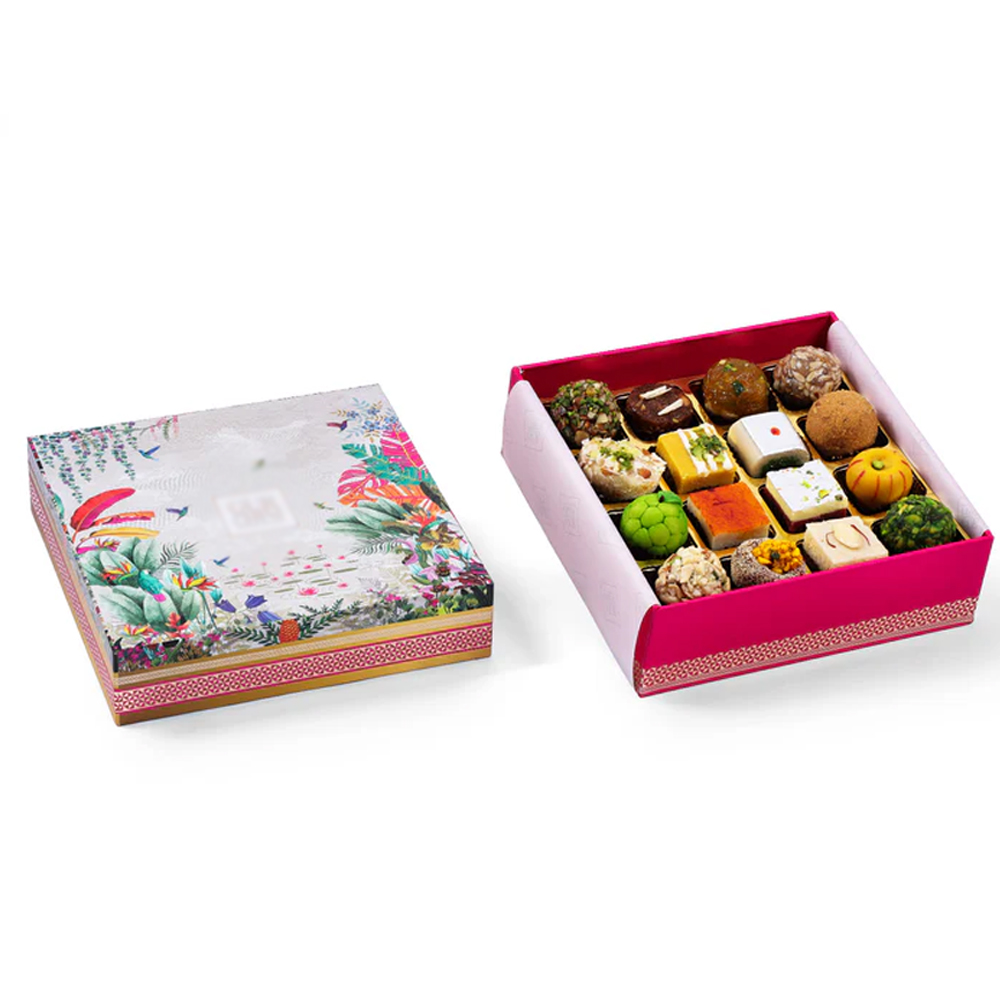
I. How to make a large paper Box - Design: From Requirements to Creative Execution
The first step in creating a large cardboard box always begins with design. Design not only determines appearance but also impacts structure, load-bearing capacity, and cost.
1. Define Purpose and Specifications
- What will the box contain? (Electronics, furniture, shipping containers, food packaging, cigarette cartons, etc.)
- How will it be transported? (Land freight, sea freight, warehouse stacking)
- Target dimensions and load-bearing requirements
2. Material and Structural Planning
- Select corrugated paper type (e.g., A flute, B flute, AB flute)
- Design structure based on product characteristics (lid-and-base, windowed, aircraft-style boxes, etc.)
3. Design Software Prototyping
Utilize common tools like AI, CAD, ArtiosCAD, etc., to simulate flat patterns and analyze box strength in advance, preventing waste and rework later.
Design Core: Balance aesthetics, budget, logistics efficiency, and user experience.
II. How to make a large paper Box - Die Cutting: The “Mold Engineering” of Shape
If design is the soul, then the die is the skeleton of the box.
1. Pre-Die Cutting Verification
- Check dimensions, fold lines, and slotting positions
- Ensure smooth folding at every angle
- Account for production waste and precision tolerances
2. Die Cutting Details
- Use high-hardness steel blades and professional cutting boards
- Slotting by hand or laser according to design drawings
- CNC machining ensures stable precision
3. Test Cutting & Die Adjustment
- Small-batch prototyping to verify cutting accuracy
- Adjust blade depth and creasing pressure
> Die precision directly impacts every subsequent process.

III. How to make a large paper Box - Printing: The Soul of Color and Brand Presentation
A high-quality large paper box demands printing that meets or exceeds expectations.
1. Printing Process Selection
- **Offset Printing**: Delivers refined color reproduction, ideal for branded packaging
- **Flexographic Printing**: High-speed production, commonly used for e-commerce shipping boxes
- **Digital Printing**: Suitable for small-batch customization
2. Prepress Preparation
- Adjust CMYK values
- Select inks, coatings, and matte/gloss finishes
- Proof and confirm final visual output
3. In-Press Quality Control
- Color deviation management
- Consistent ink flow
- Plate cleanliness (no smudges or streaks)
> Brand value often resides in every nuanced detail of color.
IV. How to make a large paper Box - Forming: From Flat Paper to 3D Structure
After printing, the cardboard enters the forming process.
1. Die-cutting and Creasing
- Use a die-cutting machine to shape the paper
- Precise crease lines maintain structural integrity
2. Folding and Bonding
- Automatic folding machines or manual folding
- Adhesive, hot melt glue, or stapling to secure the structure
3. Surface Finishing
Optional:
- Lamination (increased abrasion resistance and waterproofing)
- Spot UV coating (visual enhancement)
- Scratch-resistant coating (common in premium packaging)
> Superior forming ensures structural stability and visual consistency.
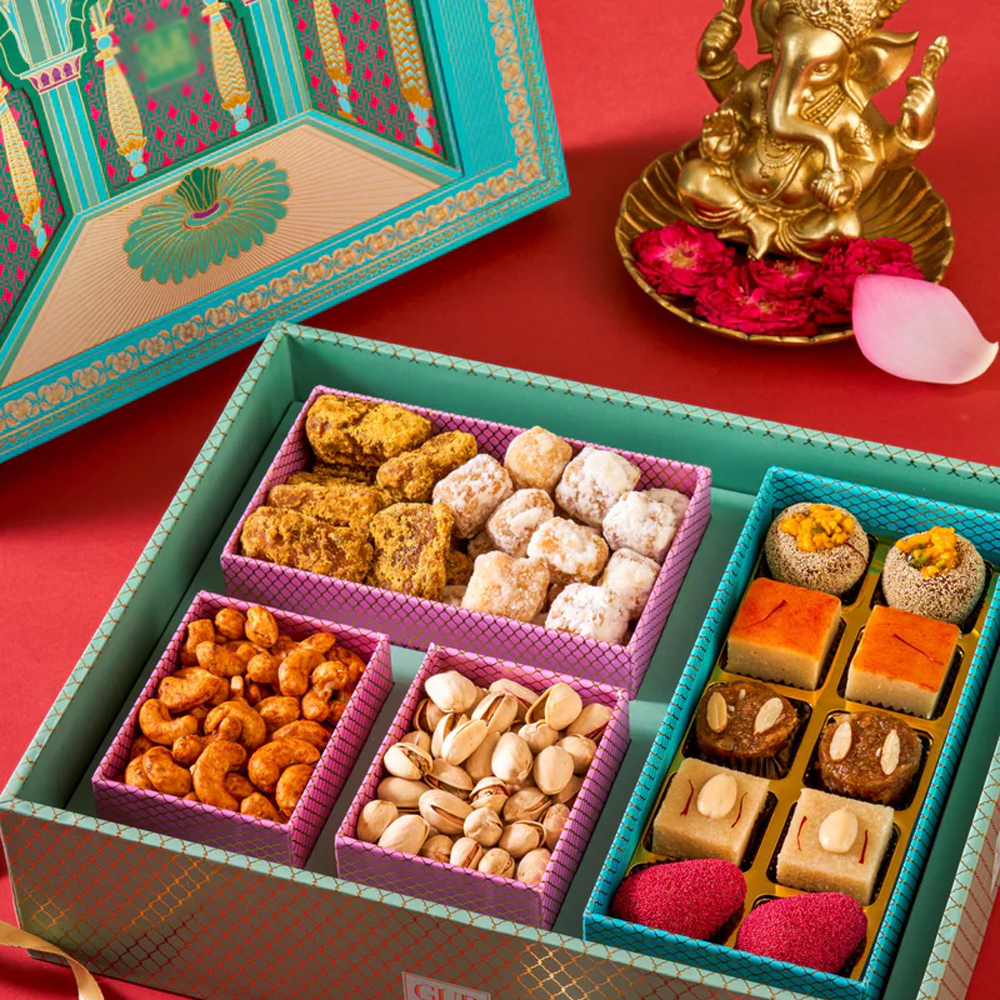
V. How to make a large paper Box - Assembly and Quality Control: Perfection in Every Detail
Production doesn’t end here; each batch undergoes rigorous inspection.
1. Assembly Inspection
- Standardized folded corners
- Adhesive bond strength verification
- Post-forming dimensional accuracy checks
2. Strength & Performance Testing
- Compression resistance testing
- Stacking stability testing
- Drop impact and fold endurance testing
VI. How to make a large paper Box - Delivery & Logistics: Packaging’s “Last Mile”
Logistics methods dictate box packaging design and protection levels.
1. Packaging Methods
- Pallet stacking
- Outer stretch wrapping
- Moisture-proof and impact-resistant reinforcement
- Corner protectors on outer cartons
2. Transportation and Delivery
- Preventing crush damage during transit
- Customer unboxing inspection
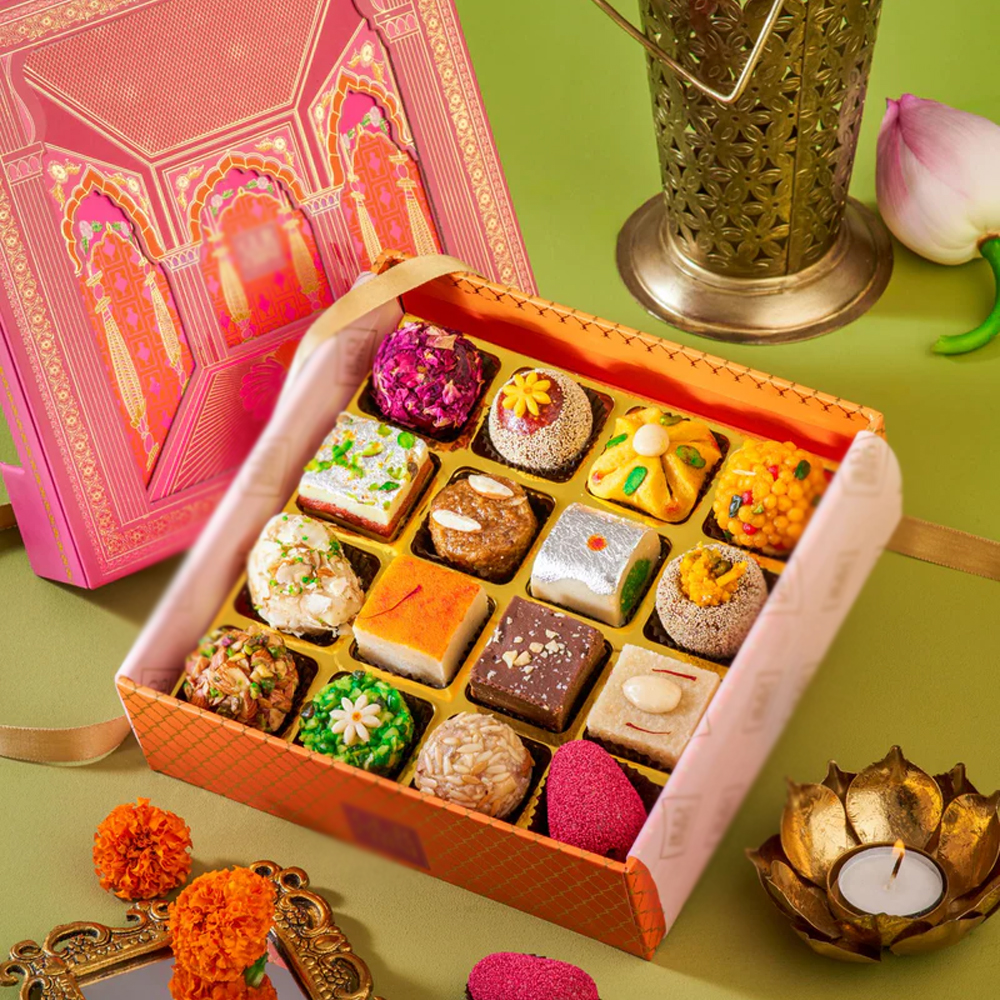
VII. How to make a large paper Box - Feedback and Continuous Optimization
A successful paper box isn’t finished after production—it’s a work in constant refinement.
1. Gathering Real-World Feedback
- Customer usage experience
- Damage rate analysis
- Transportation and stacking performance
2. Continuous Iteration
- Structural improvements
- Material adjustments
- Optimized printing and processes
VIII. How to make a large paper Box - Summary
Creating a large paper box is not merely folding and gluing, but a meticulous process:
Design → Structural and visual planning
Die-cutting → Precision manufacturing of flat-panel templates
Printing → Brand color representation
Forming → Mechanical and craftsmanship collaboration
Quality inspection and delivery → Ensuring transport and usage experience
A great box requires both design and manufacturing expertise.
If you work in packaging, may this article help clarify your approach. If you’re a designer, understanding production processes may lead you to create more practical and reliable designs.
Tags: #customization #paperbox #foodbox #giftbox #highquality #cardboard #chocolate #sweet #cardboard
Post time: Nov-01-2025


