


In today’s era of promoting environmental protection and personalized packaging, how to make a paper rectangle box have become the first choice of many craft enthusiasts and brand owners. In particular, rectangular paper boxes are widely used for gift packaging, storage and organization and even product outsourcing due to their simple shape and practicality. In this article, we will systematically introduce how to make a sturdy and beautiful paper rectangular box by hand, providing hands-on steps and decorative suggestions to help you get started easily and create your own style of paper box.
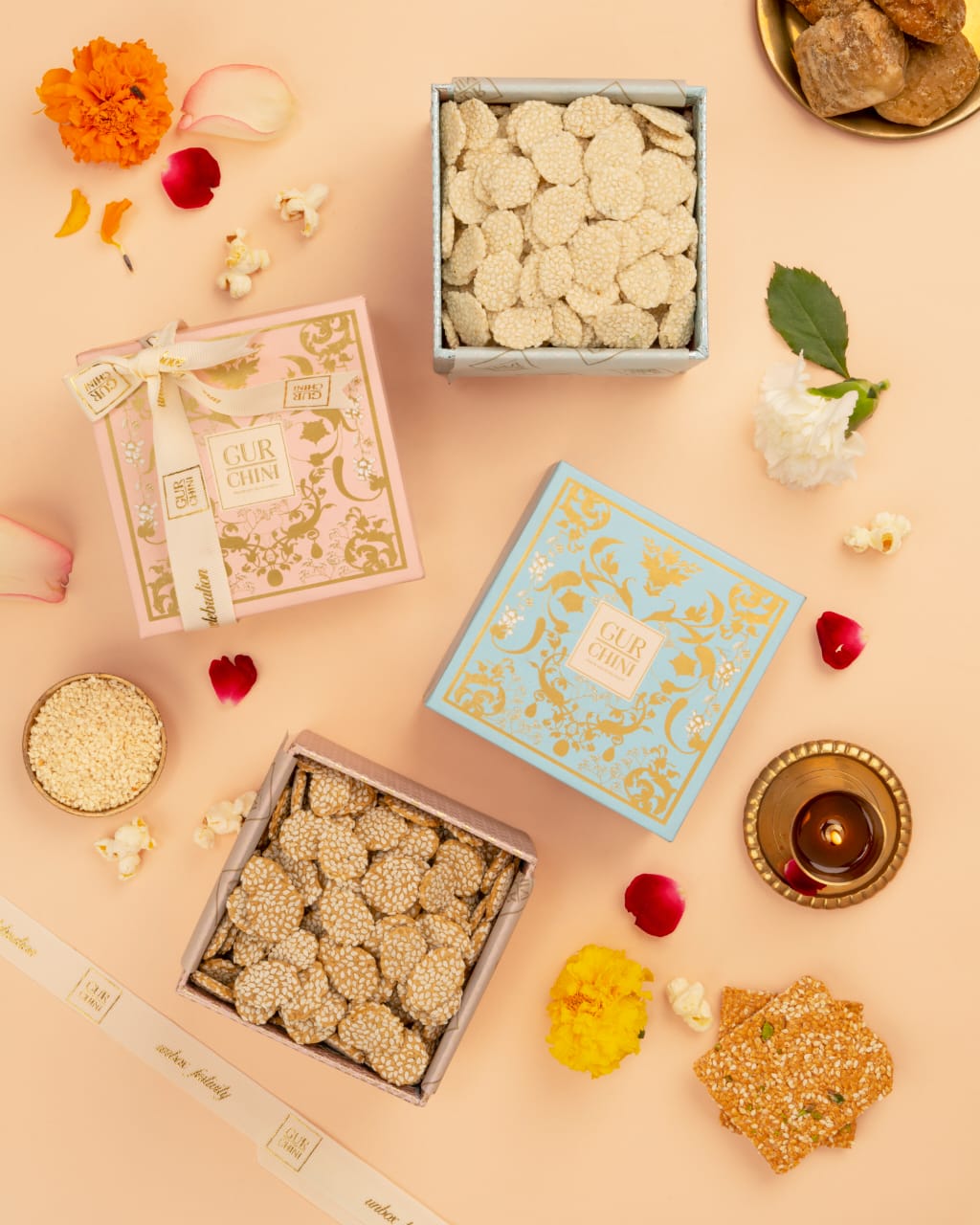
How to make a paper rectangle box material preparation: choose the right tool to get twice the result with half the effort!
It is very crucial to prepare the following basic materials before you formally do it:
Cardboard or cardboard: it is recommended to use cardboard with moderate thickness and hard texture, which is conducive to the stability of the box structure.
1.Ruler: to ensure accurate measurements.
2.Pencil: for drawing lines and marking.
3.Scissors: Sharp scissors enhance the quality of the cuts.
4.Glue or double-sided tape: for structural bonding of the box.
All of the above materials are usually available in stationery stores or crafting material stores, and some crafters can also use colored cardboard or special paper with texture to enhance the texture of the finished product.
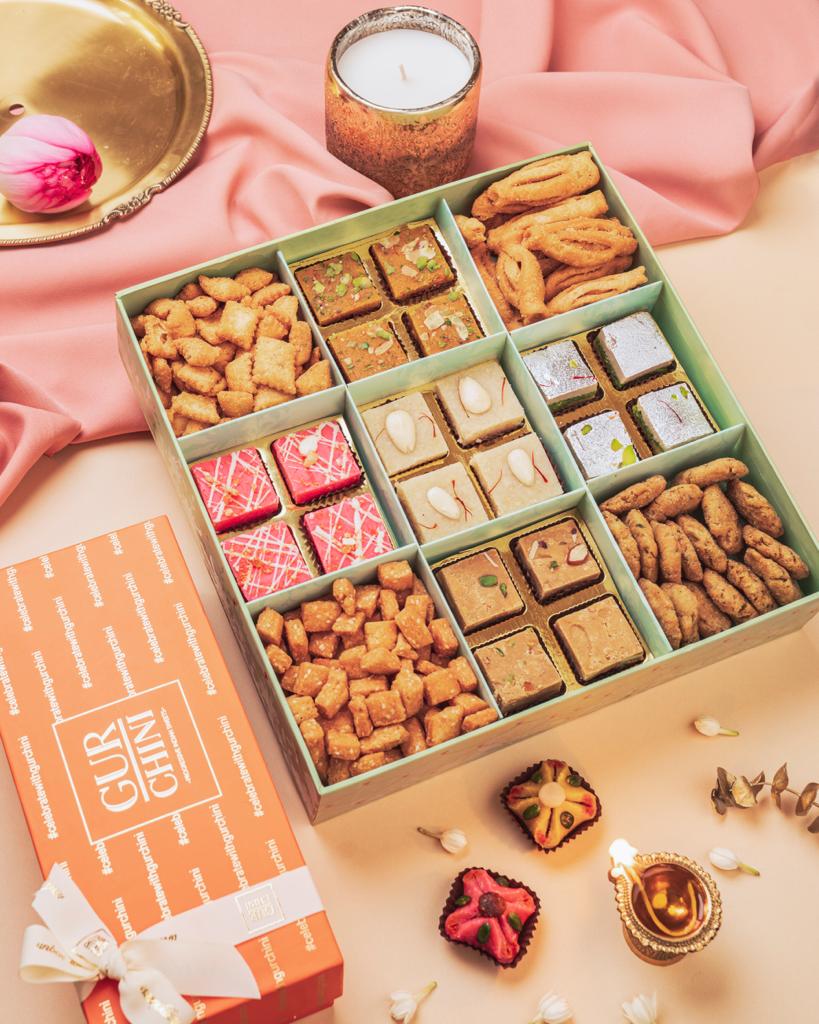
How to make a paper rectangle box step by step details: from flat to three-dimensional creative process
1. Measuring and marking: laying a good size foundation
Use a ruler to mark the length, width, and height of the sides of the box on cardstock. In general, a standard rectangular box can be divided according to the following dimensions:
Bottom: length × width
Sides: height × length / height × width
Glued edges: leave an extra 1cm or so of edge for subsequent gluing
Lightly trace the lines with a pencil to ensure that they are clear but do not cause indentations in the cardboard.
2. Cutting: Cutting out the structural panels accurately
Carefully cut out all the panels of the box with scissors according to the marked lines. Keep the edges as straight as possible to ensure smooth folding. You can use the “cross structure” or “cross + ears” structure, which saves paper and makes for a tighter fit.
3. Creasing and folding: key steps in three-dimensional modeling
Using the edge of a ruler or a specialized creasing tool, gently crease the fold line to make it easier to fold the paper along the fold line. This step helps the corners of the box to form a clearer three-dimensional structure.
4. Gluing and molding: transforming a flat surface into a box
Stand up each panel along the crease and use double-sided tape or glue to fix it according to the reserved bonding edges. It is recommended to press each joint for 10-15 seconds after gluing to ensure a strong bond.
5. Inspection and trimming: solid structure is the key
After gluing, check whether each corner is tightly fitted and whether there is any looseness or asymmetry. If necessary, you can add a tape to the inner corner to strengthen the stability.
6. Personalized decoration: create your own style of cartons
This is a link to show your creativity. You can:
Stick colorful or decorative paper
Use stamps or stickers
Hand-paint a pattern
Add ribbons, small cards and other elements
Different decorative styles can make the same structure of the box present a completely different visual effect, perfect for festive gift-giving, handmade display, brand packaging and other uses.
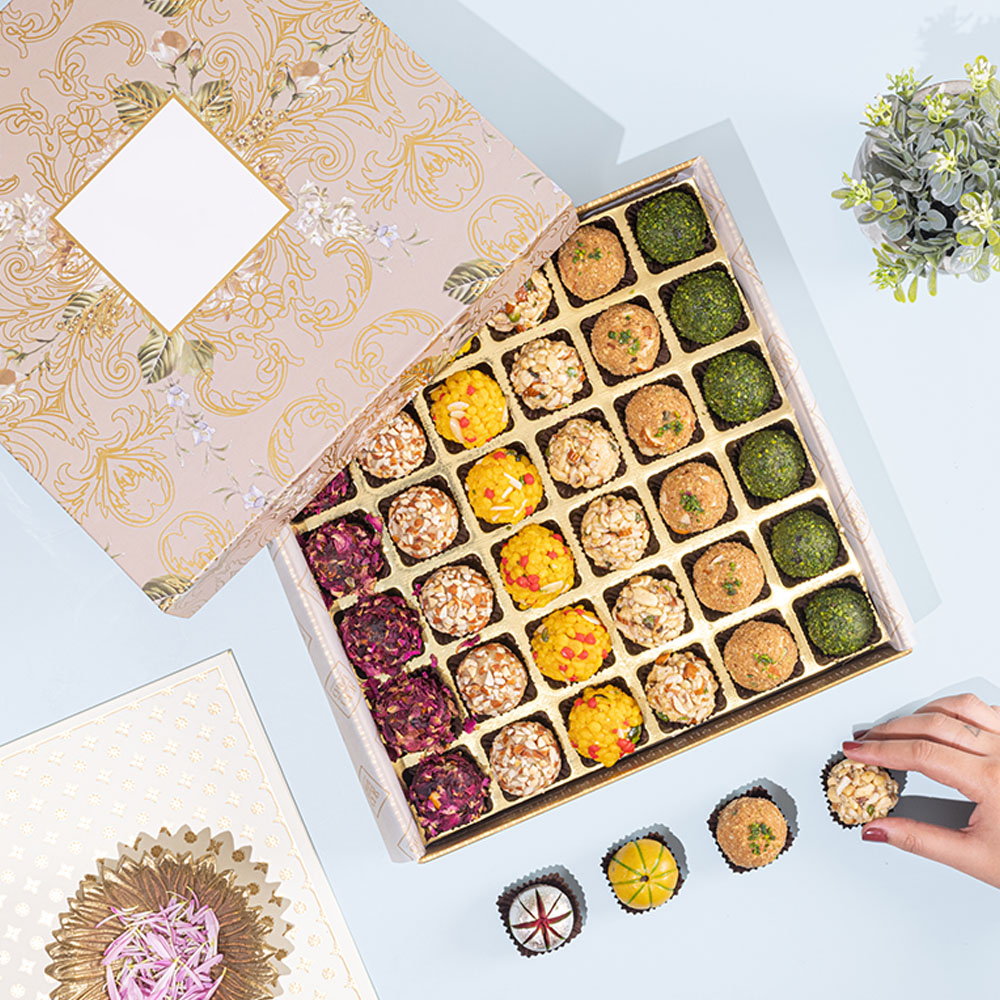
Frequently Asked Questions and Practical Tips on How to Make A Paper Rectangular Boxes
Q: How to make sure the box size is accurate?
A: When designing the size, it is recommended to draw a size drawing or use plain paper to make a test sample to make sure the proportion is suitable before moving to formal material production.
Q: What should I do if the edges always buckle when gluing?
A: Make sure there is enough glue and use a heavy object to press lightly on the bond for a few minutes. Using better quality double sided tape is also one of the solutions.
Q: What kind of paper is more suitable to be used when I want to make large size boxes?
A: It is recommended to use corrugated cardboard or reinforced hard cardboard. Large-size structures require more strength of the paper, and a layer of reinforcing board can be added to the bottom if necessary.
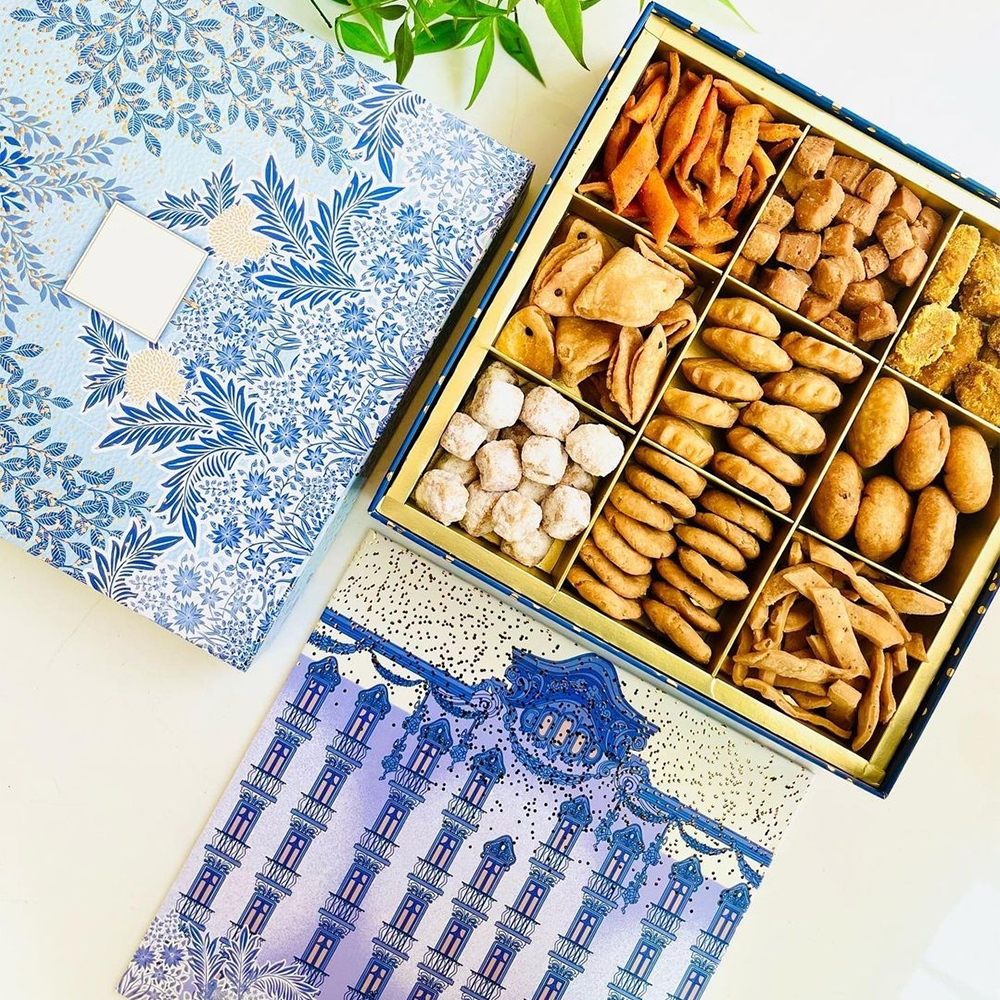
Extended Uses and Creative Inspiration for How to Make A Paper Rectangular Boxes
How to Make A Paper Rectangular Boxes is not just a crafting process, but can be extended for many creative applications:
Holiday gift boxes: can be designed to match the holiday theme, such as Christmas, Valentine’s Day, etc.
DIY stationery box or storage box: can be freely divided into compartments to organize small things.
Brand packaging: For small e-commerce or handicraft brands, homemade boxes can create a unique brand image.
Environmental education: Parent-child production process can also convey the concept of environmental protection, using recycled paper or old cardboard production.
Conclusion: A piece of paper can create endless possibilities beyond just making a paper rectangular boxes!
How to make a paper rectangular box may seem simple, but it contains a combination of structure, creativity and details. From measuring, cutting to decorating, every step can reflect your heart and ingenuity. Whether you’re a crafting beginner or a brand owner looking to create personalized packaging, mastering this technique will be beneficial.
Put down your phone, move your fingers and create a carton world of your own!
Post time: May-17-2025


