


How to Make a Beautiful and Practical Paper Box: A Complete Guide from Design to Completion
In our daily lives, paper boxes are everywhere – from gift wrapping to storage and organization, and even creative handicrafts. What seems like a simple paper box actually combines design sense and manual skills. Today, we will take you through the detailed process of making a paper box from scratch. It’s not only practical but also a great way to showcase your creativity.
How to make box by paper - I. Preparation Stage: Selection of Materials and Tools
Before starting to make a paper box, it is necessary to prepare the required materials and tools. A stable and beautiful paper box often cannot do without suitable paper and precise tools.
The choice of paper
The key to making paper boxes lies in the thickness and texture of the paper. It is recommended to use:
Cardboard or thick paper: sturdy and durable, suitable for bearing weight.
Colored or decorative paper (optional): used for the outer wrapping to enhance the aesthetic appeal of the paper box.
2. Tool Preparation
To ensure accuracy and neatness, it is recommended to prepare:
Scissors: used for cutting shapes.
Ruler and pencil: Ensure accurate measurement.
Double-sided tape or glue: Fix each surface.
Hole puncher (optional): Used for threading ribbons or adding decorations.
Tip: If you aim for a more precise result, you can also use a utility knife and a cutting mat, which will make the edges neater.

How to make box by paper - II. Determine the Size and Shape of the Box
1. Clarify the Purpose of the Paper Box
Before you start making it, think clearly about the purpose of this paper box. Is it a gift box or a storage box? The purpose determines the size and strength of the box.
2. Select Shape
Common shapes of paper boxes include:
Cube box: Suitable for storing small gifts.
Rectangular box: suitable for stationery or accessories;
Special-shaped boxes: such as heart-shaped and hexagonal ones, are suitable for creative packaging.
3. Calculate dimensions
Determine the three data of length, width and height. Remember to leave a bonding edge (about 1 cm), so as to facilitate subsequent folding and pasting.
III. Drawing the Folding Diagram: Blueprint Design of the Paper Box
This step is of vital importance as it determines whether the paper box can be precisely formed.
Draw the development diagram.
Gently sketch the structure diagrams of the bottom, sides and top on the paper with a pencil. Usually, the net of a rectangular box consists of six faces.
2. Mark the folding lines
Mark clear folding lines with a ruler and gently make creases at the positions. Note:
The crease should not be too deep.
The bonding edges should be uniform and symmetrical.
A little tip: You can mark arrows with a pen at the fold lines for easier alignment later.
How to make box by paper - IV. Tailoring: Success or Failure Lies in the Heart
When the design drawing is completed, you can start cutting.
Cut the outer contour.
Cut out the entire unfolded diagram along the outermost lines. Make sure your hand is steady and the edges are neat.
2. Trim the folded edges.
If some folded edges need to be separated (such as at the box lid), they can be cut appropriately. Remember to keep the structure intact.
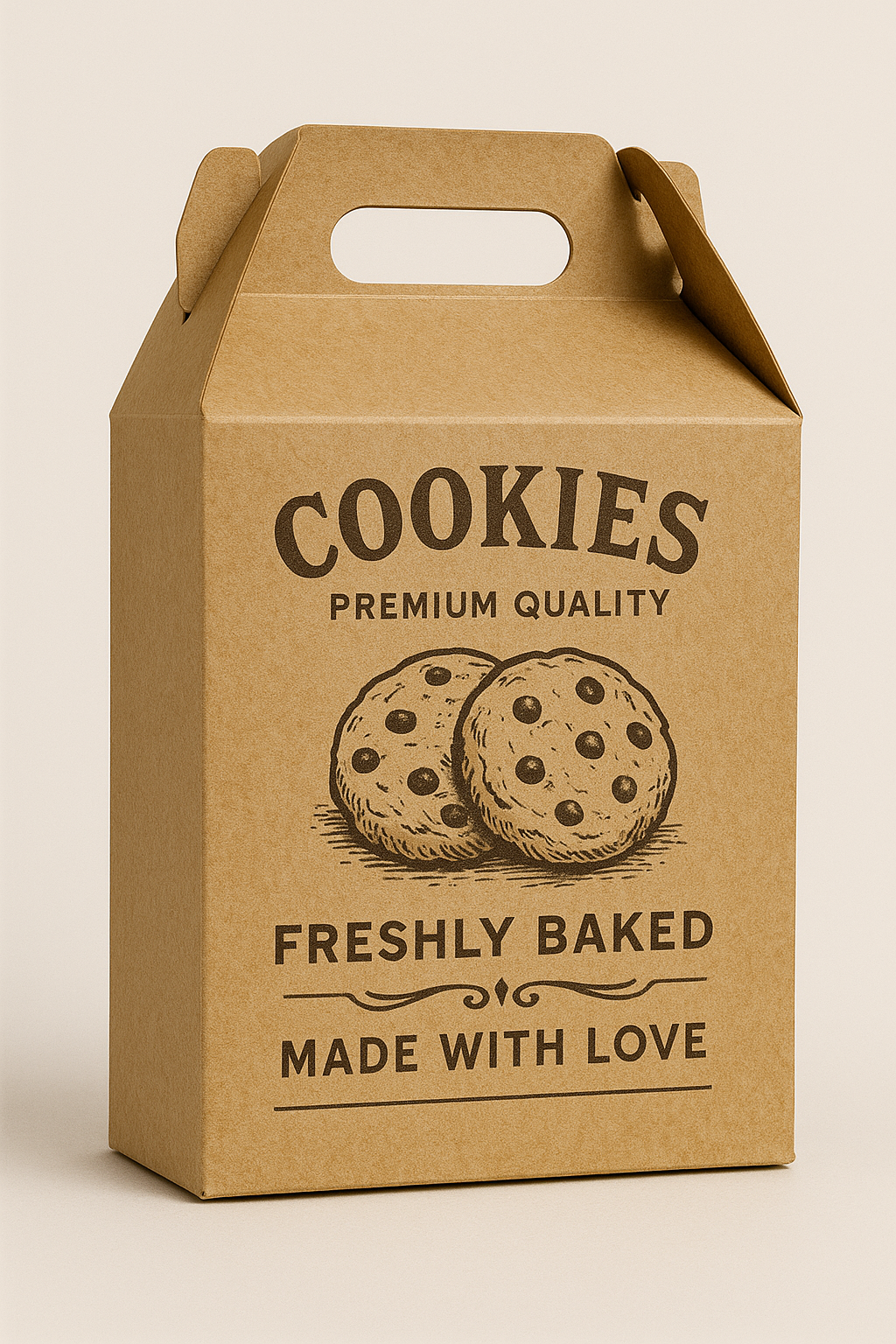
How to make box by paper - V. Folding: Making the Plane “Three-Dimensional”
1. Fold gently along the crease line
Using a ruler as an aid can help you fold straighter edges. Make sure each edge is folded at the correct angle when folding.
2. Preliminary three-dimensional shaping
After folding is completed, first join each surface by hand to confirm if the alignment is correct, and then proceed to the bonding step.
How to make box by paper -VI. Bonding: Making the Box Stable and Attractive
1. Use glue or double-sided tape
Apply glue evenly along the bonding edge or stick double-sided tape on it, then press the adjacent surfaces together. Keep light pressure for a few seconds to ensure a firm bond.
2. Pay attention to details.
If liquid glue is used, avoid using too much to prevent it from seeping out.
When using double-sided tape, make sure of the position before pasting to avoid tearing and damaging the paper surface.
Seven. Personalized Decoration: Make the Paper Box More Creative
A beautiful paper box often cannot do without decoration. Depending on the occasion, you can choose different styles of embellishments.
Painting and stickers
Patterns can be drawn on the box surface or theme stickers such as festivals, cartoons, and patterns can be pasted on it.
2. Punching and threading
If it is a gift box, you can use a hole puncher to make holes on the lid of the box, and then thread a ribbon or a piece of twine through them. This not only decorates the box but also makes it convenient to carry.
3. Mixed Materials
The outer layer can be wrapped with a layer of kraft paper or glossy paper to add a sense of layering and texture.
How to make box by paper - VIII. Final Inspection and Usage Suggestions
1. Check Stability
Gently shake the paper box to check if the bonding areas are firm. If any looseness is found, reapply glue to reinforce them.
2. Daily Use and Maintenance
Avoid placing heavy objects.
If the edges are worn, you can reinforce them with transparent tape.
Keep dry when storing to prevent moisture and deformation.
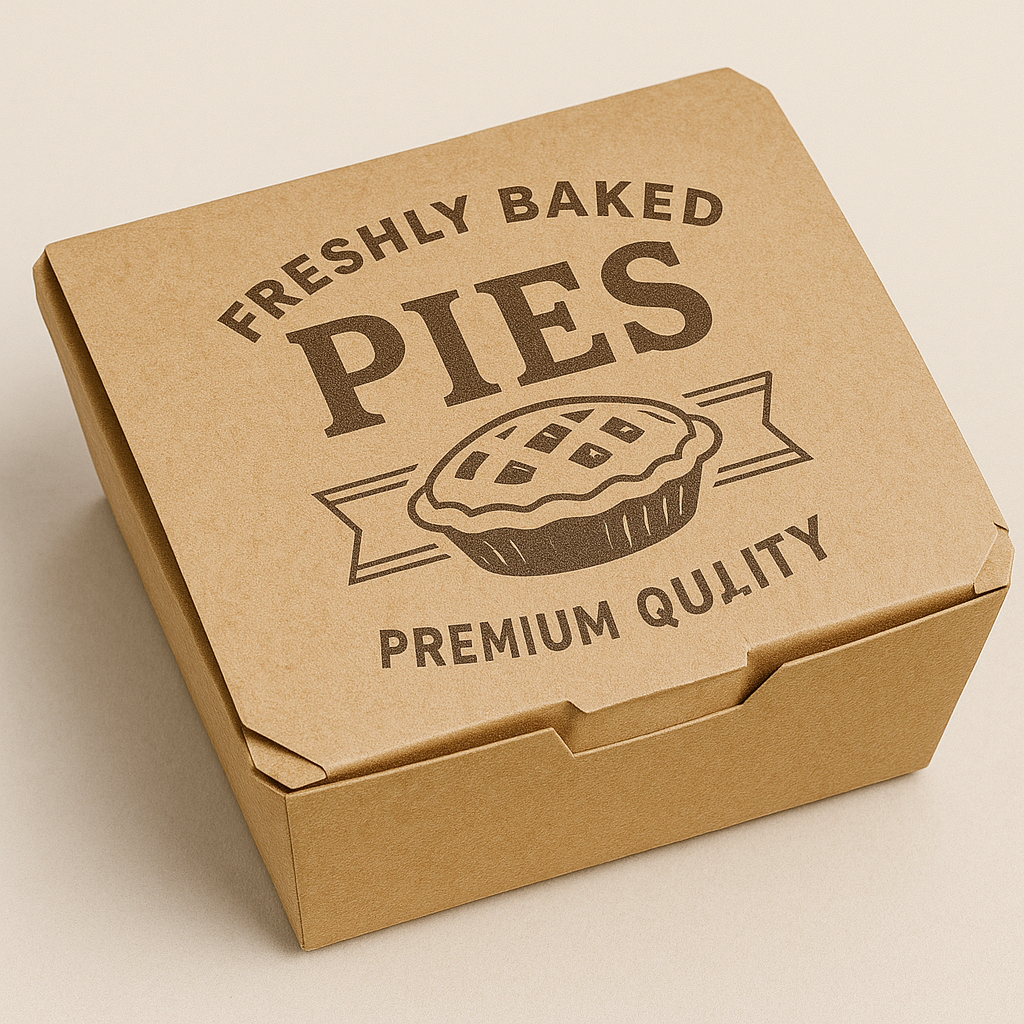
How to make box by paper - IX. Conclusion: The Significance of Handmade Paper Boxes
Handmade paper boxes are not only a practical skill but also a form of creative expression and a way to convey heartfelt messages. In the fast-paced life, making a paper box by hand allows one to temporarily escape from electronic screens and immerse themselves in the peaceful joy of handicrafts.
Whether it’s for gifting during festivals, daily storage, or classroom handicraft activities, a handcrafted paper box carries warmth and stories. With care and attention, you’ll find that the most beautiful handicrafts are the crystallization of time and creativity.
Post time: Oct-11-2025


