


How to Make Cardboard Boxes: The Complete Guide to Making Cardboard Boxes from Scratch
Cardboard boxes are one of the most commonly used, eco-friendly, and cost-effective packaging solutions in modern packaging systems. Whether you want to DIY a cardboard box, design unique packaging for your brand, or understand the professional processes behind cardboard production, this article will break down everything step by step—from materials and structure to manufacturing methods and personalized design—helping you truly grasp the complete logic of how to make cardboard boxes.
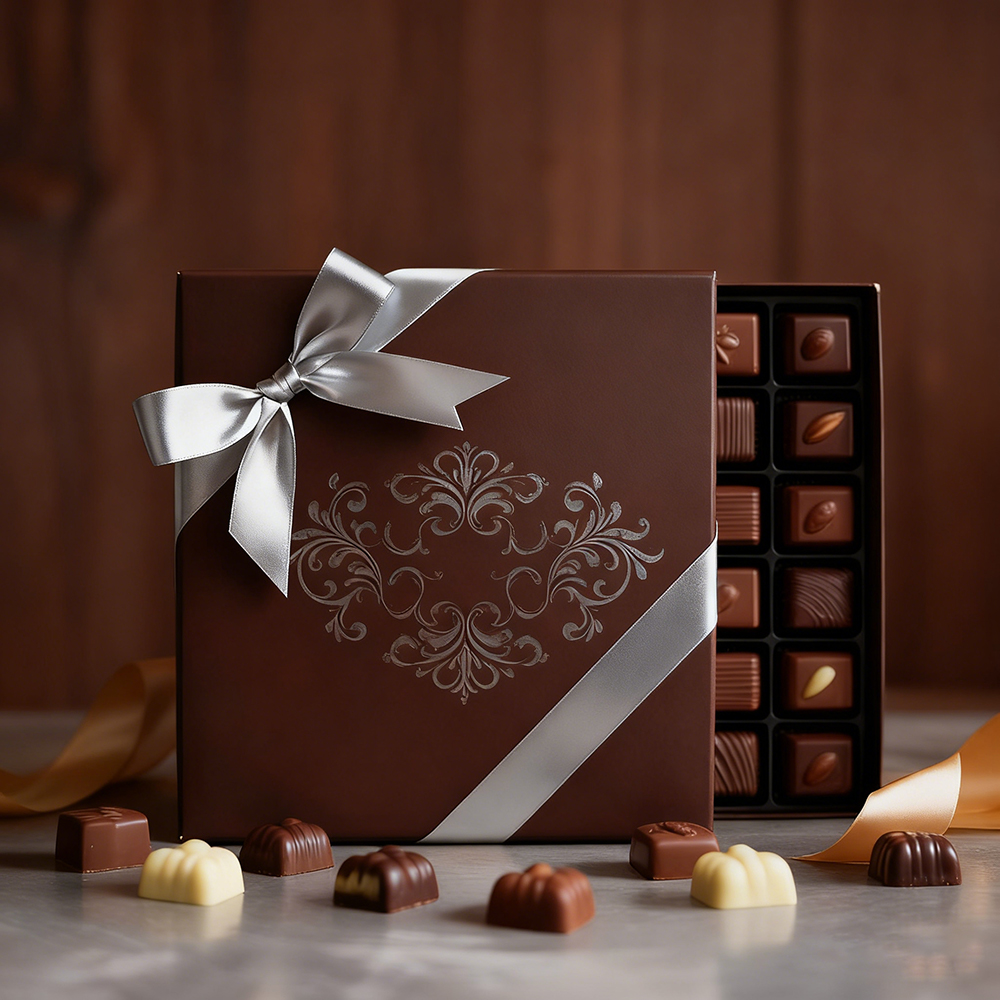
How to Make Cardboard Boxes: Before Making Cardboard Boxes: Understanding Cardboard and Structural Basics
1. What Materials Are Best for Cardboard Boxes?
Common cardboard box materials include:
Corrugated Board: Composed of linerboard + corrugated medium, offering high strength and serving as the mainstream choice for shipping boxes.
Greyboard / Kraft Cardboard: More suitable for gift boxes, food containers, folding boxes, etc.
Double-wall or triple-wall corrugated structures: Suitable for heavy-duty e-commerce logistics and fragile item packaging.
The corrugation structure also significantly impacts box strength, e.g.:
A-flute: Excellent cushioning properties
B-flute: Superior compression strength
E-flute: Ideal for box designs requiring a more refined appearance
How to Make Cardboard Boxes: How to Select the Right Carton Size and Type?
1. How to Measure Carton Dimensions?
Before manufacturing, determine:
Internal dimensions (Length × Width × Height): Ensure products fit securely.
Allowances for flaps and overlaps: Prevent gaps or closure issues.
2. Common Box Types
RSC (Regular Slotted Container): Most common and simplest construction (e.g., e-commerce shipping boxes).
Die-cut Boxes: Tape-free construction, ideal for food packaging, gift boxes, pizza boxes.
Folding Cartons: Aesthetic and compact, commonly used for food and cosmetics.
How to Make Cardboard Boxes: Steps for Making Cartons: From DIY to Semi-Professional Level
The following methods suit DIY projects, small-batch production, prototyping, or users wishing to learn carton construction.
Step 1: Prepare Materials and Tools
You will need: Selected cardboard material, utility knife/cutting knife, steel ruler and set square, scoring tool (or blunt corner tool), tape, white glue, hot glue (select as needed)
Use a pencil for drawing lines
Step 2: Draw the Box Flat Pattern
Key points include:
First draw the main 4 sides;
Add flaps to each side (for gluing);
Reserve space for the bottom and top flaps.
Common beginner mistakes to avoid: Forgetting to allow width for adhesive tabs or misplacing fold lines.
Step 3: Cut the Cardboard and Crease the Folds
Use a steel ruler to guide cutting, preventing uneven cuts and frayed edges.
First press the fold lines with a creasing tool to ensure smoother folds and prevent edge splitting.
Step 4: Assemble the Box Structure
Secure using one of these methods:
Tape: Common in e-commerce, quick and convenient.
White glue: Eco-friendly, ideal for handmade crafts and premium boxes.
Hot glue gun: Fast application, suitable for complex structures or boxes requiring strong bonding.
Step 5: Reinforce and Decorate
How to strengthen the box?
Apply tape in a cross pattern on the bottom, add insert panels, or use double-wall cardboard.
How to repair cardboard seams?
Reinforce with cardboard strips or fill gaps with adhesive.
How to prevent box cracking?
Crease lines must be pre-creased; avoid folding too sharply or quickly.
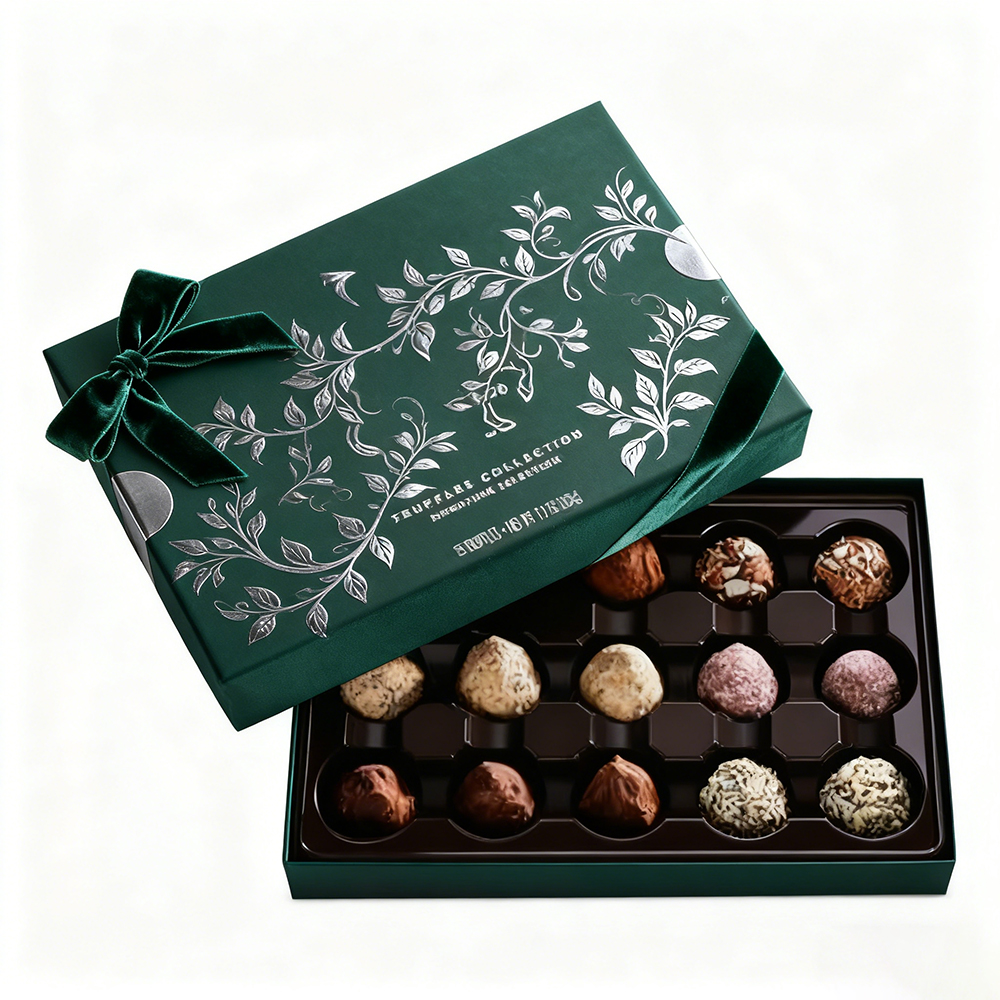
How to Make Cardboard Boxes: For “More Professional and Aesthetically Pleasing Boxes”
1. Personalized Style Design Techniques
Showcase brand identity through printing (e.g., CMYK, spot colors)
Elevate sophistication with surface finishes (gloss lamination, matte lamination, embossing, debossing)
Incorporate special structures: window cutouts, drawer boxes, lid-and-base boxes, carry boxes
Integrate eco-friendly elements: natural kraft paper, ink-free designs, biodegradable adhesives
2. Structure Defines Experience: Balancing Aesthetics and Functionality
Food cartons often require grease-proof and moisture-resistant coatings
Logistics cartons emphasize crush resistance and impact protection
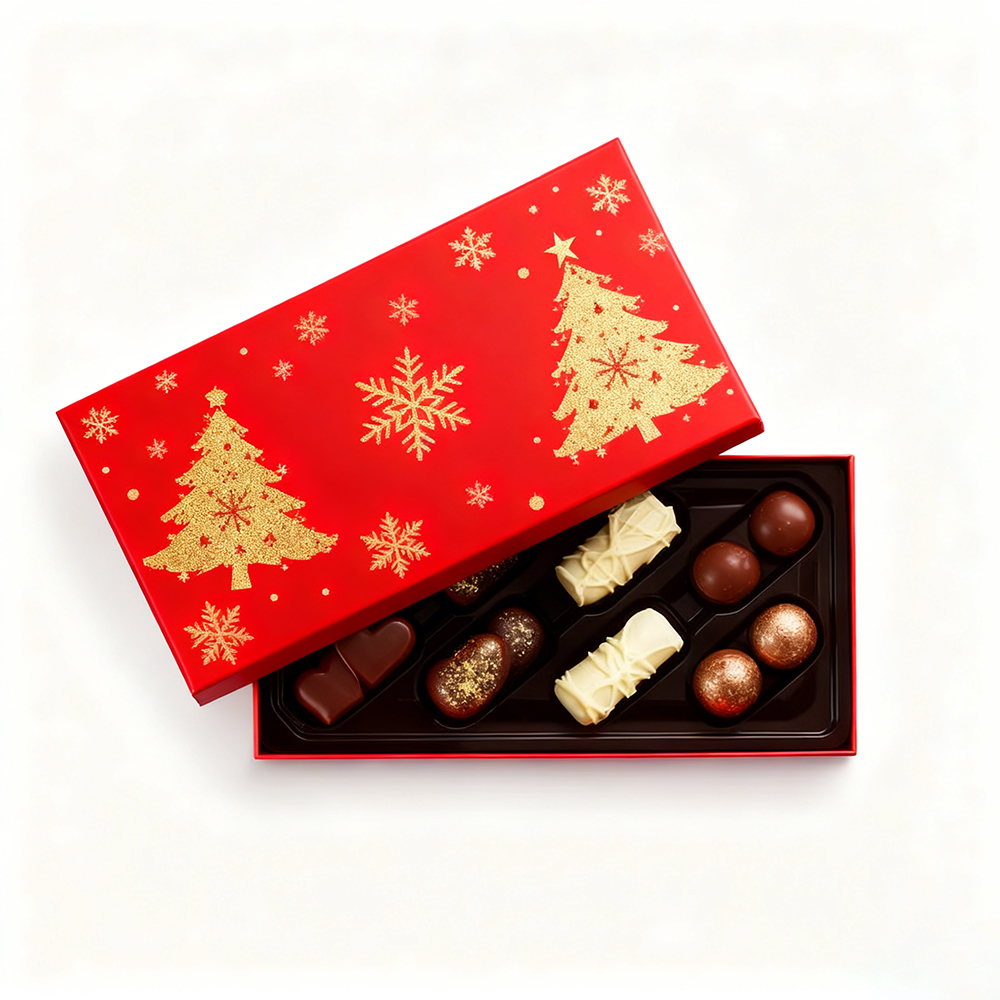
Gift boxes prioritize structural integrity and visual presentation
How to Make Cardboard Boxes: For Bulk Carton Orders: Understanding Factory Production Workflows
The following industry-standard process is ideal for brands sourcing suppliers:
1. Die-Cutting and Slotting
Utilizes cutting dies or automated equipment for consistent, standardized carton forming and batch stability.
2. Printing and Color Management
Common for food boxes and gift boxes: flexographic printing, offset printing, digital printing (suitable for small custom runs)
3. Mechanical Folding and Box Assembly
Ensures flatter, sturdier boxes with consistent quality.
4. Quality Control Process
Includes: crush testing, puncture resistance testing, moisture testing, edge crush testing (ECT)
How to Make Cardboard Boxes: Solutions to Common Questions
1. Can cardboard boxes be made waterproof?
Yes, through: waterproof film, moisture-resistant corrugated paper, surface lamination processes
2. Is a hot glue gun suitable for cardboard boxes?
Yes, especially for quick fixes or structural boxes.
3. What if boxes collapse easily?
Use double-wall corrugated board, add bottom reinforcement, and distribute internal load-bearing structures appropriately
For boxes that are not only functional but also visually appealing and professional, factory customization is more efficient
For food containers, branded packaging, e-commerce shipping boxes, takeout boxes, etc., professional factory customization reduces error rates and enhances brand quality.
As a company specializing in carton manufacturing, Fuliter Paper Box offers distinct advantages in the following areas:
Fully automated production lines (high stability, fast speed)
Professional design team (structural design + visual design)
Food-grade materials and eco-friendly inks
Customizable structural designs + printing options
Small-batch trial production and large-scale manufacturing available
How to Make Cardboard Boxes: Summary
To create a quality cardboard box, you must:
1. Select appropriate materials: Match strength to intended use
2. Design accurate flat patterns: Ensure structural integrity and precise dimensions
3. Execute creases and gluing: Determine box sturdiness
4. Reinforce structure: Enhance load-bearing and compression resistance
5. Implement personalized design: Elevate boxes beyond packaging to brand identity
6. For bulk orders, engage professional factories: High efficiency, consistent results, uniform quality
If you seek professional food packaging solutions or custom box designs, contact us for end-to-end support—from design and prototyping to mass production.
Tags: #custom boxes, #packaging box, #high quality packaging box factory
Post time: Nov-21-2025


