


Chocolate is a product people often buy with their eyes first. Before they taste it, they notice the wrapper, the colors, the texture, and the way the bar is presented. For chocolate brands, packaging plays a big role in attracting customers and protecting the product. However, packaging expenses can quickly add up, especially for businesses dealing with rising material prices, shipping fees, and growing production demands.
The good news is that reducing packaging costs doesn't mean making your product look cheap. With the right materials, smarter designs, and a more efficient production process, you can save money while keeping your chocolate bars fresh, attractive, and well protected. In this guide, we'll explore practical ways to make Chocolate Bar Packaging more cost-effective without losing the quality your customers expect.
Compare Different Packaging Materials
Chocolate bars can be packaged using paper wrappers, aluminum foil, laminated films, folding cartons, or combinations of these materials. Each option offers different advantages depending on the product and its target market.
For example, a standard chocolate bar may only need a protective inner wrap and a printed outer sleeve. A premium chocolate bar, on the other hand, might benefit from a foil layer and a high-quality paperboard carton.
Instead of choosing materials based on price alone, compare their total value. A slightly more expensive material may offer better barrier protection, reduce product damage, or work more efficiently on packaging equipment.
Avoid Unnecessary Material Layers
Some chocolate products use several packaging layers simply because that's how the design has always been done. Take a closer look at whether every layer serves a real purpose.
Could a well-designed wrapper replace an additional sleeve? Could a thinner paperboard provide enough structural strength? Could a protective film perform effectively without an extra component?
Reducing unnecessary layers can lower material consumption, simplify assembly, and decrease waste. However, always test the revised structure before making a final decision. Chocolate is sensitive to moisture, odors, heat, and temperature changes, so protection should never be compromised just to save a few cents.
Consider the Total Cost, Not Just the Unit Price
A low-cost material may create problems if it tears easily, causes sealing failures, or leads to more rejected packages. These issues can increase labor expenses and production waste.
When comparing suppliers, consider material price, performance, storage requirements, machine compatibility, and transportation costs. Looking at the complete picture helps you choose packaging that saves money over time rather than simply offering the lowest initial price.
Keep the Structure Simple
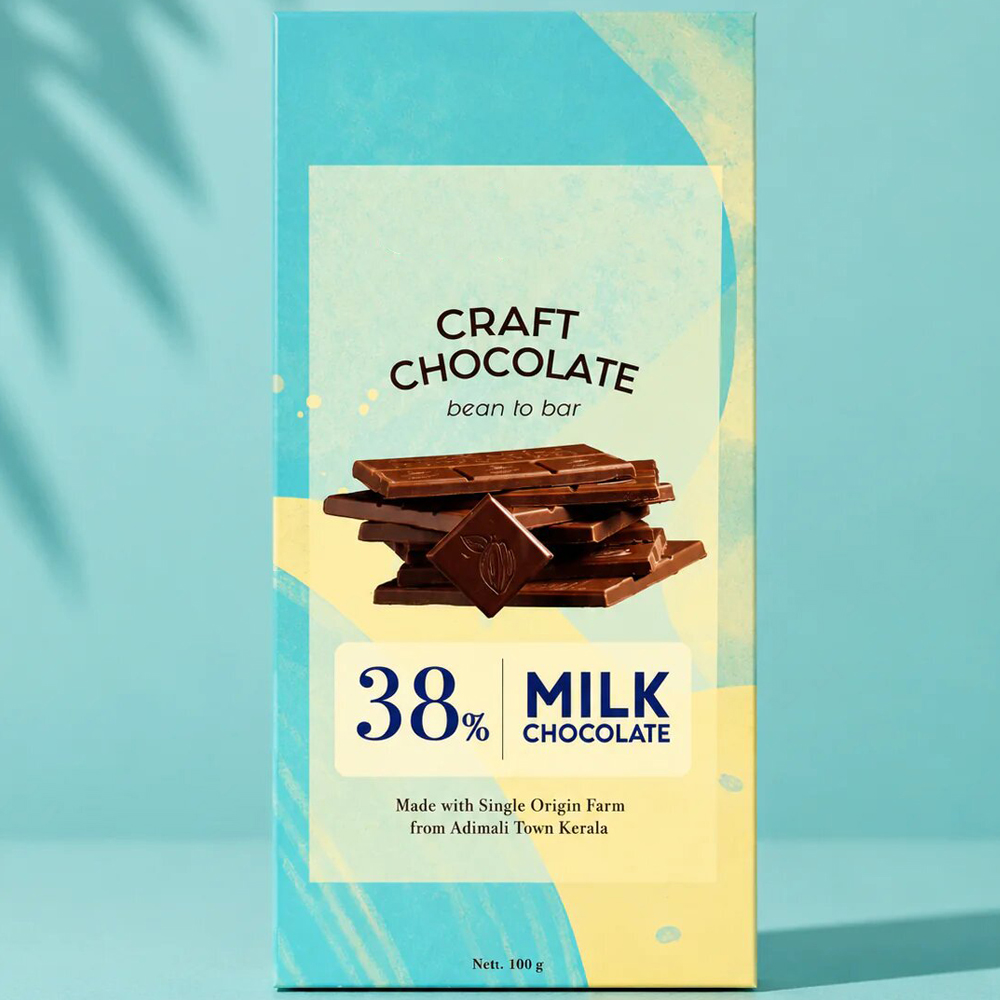
Complex packaging often requires more materials, extra production steps, and additional assembly time. For many chocolate brands, a simpler structure can deliver the same customer experience at a lower cost.
For instance, a standard rectangular carton is generally easier to manufacture than a box with unusual folds, multiple inserts, or complicated opening mechanisms. If the simpler design still protects the chocolate and communicates your brand identity, there's little reason to pay extra for unnecessary complexity.
Start by reviewing your current packaging and identifying features that add cost without improving protection, usability, or shelf appeal.
Use the Right Packaging Dimensions
Oversized packaging is a common source of hidden expenses. Even a small increase in package dimensions can mean higher material consumption across thousands of units.
It can also reduce the number of products that fit into a shipping carton, increasing transportation costs.
Measure your chocolate bars carefully and design packaging that fits their actual dimensions. Leave enough room for product protection and easy handling, but avoid excessive empty space.
A well-fitted package can reduce paperboard usage, improve carton efficiency, and create a cleaner appearance on retail shelves.
Make Design Changes That Support Efficient Production
Packaging that looks great on a computer screen may be difficult or expensive to manufacture. Unusual shapes, too many colors, and complicated finishes can increase setup time and production costs.
Standardized dimensions, practical folding structures, and consistent artwork specifications can make the manufacturing process easier to manage.
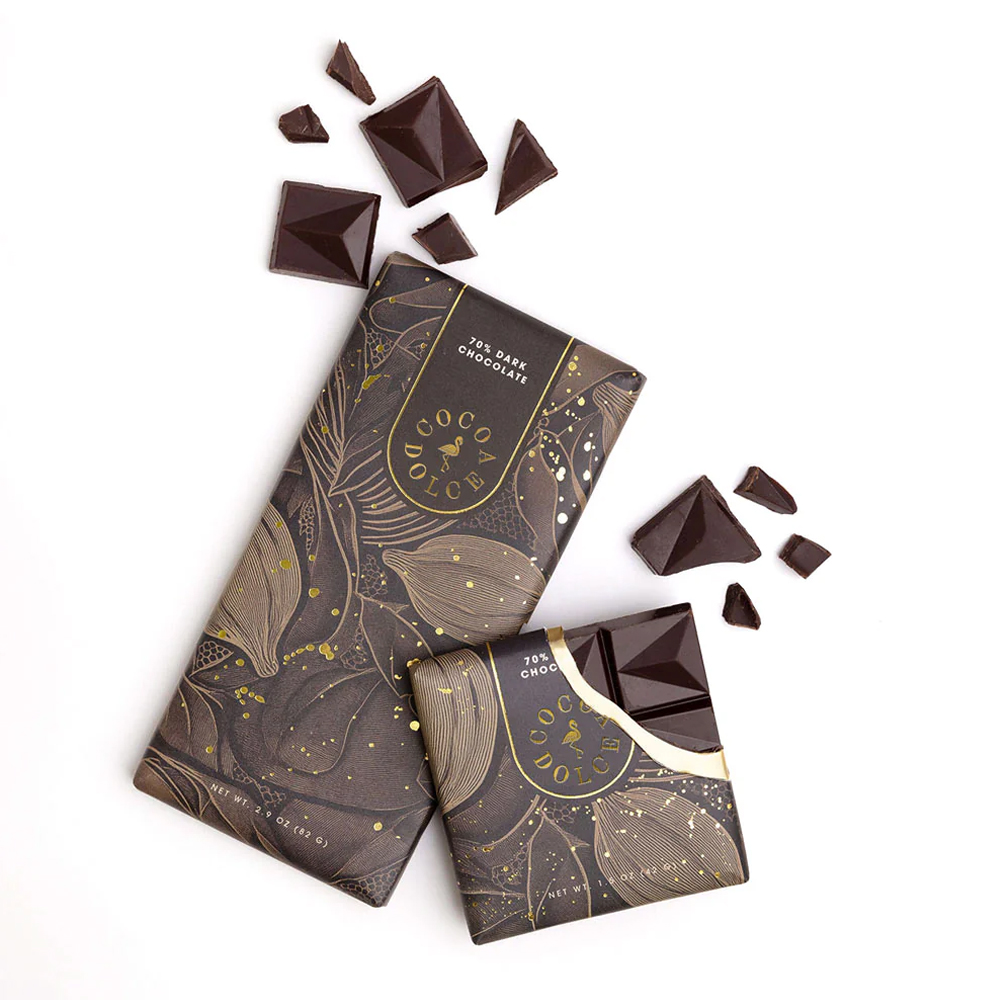
You don't have to eliminate creativity. Instead, focus on the design elements customers actually notice. A distinctive color palette, clean typography, and one well-placed visual detail can often create a premium impression without expensive embellishments.
Buy in the Right Quantities
Packaging suppliers often offer lower unit prices for larger orders. This can make bulk purchasing attractive, particularly for chocolate brands with steady sales.
However, placing the biggest possible order isn't always the smartest move. Excessive inventory ties up cash, occupies warehouse space, and increases the risk of packaging becoming outdated after a branding or product change.
Review your sales history, production schedule, and seasonal demand before deciding how much to order. A stable, high-volume product may justify a larger purchase, while a new flavor or limited-edition bar may be better suited to smaller production runs.
The best order quantity balances unit cost with storage expenses, cash flow, and the risk of unused materials.
Build Long-Term Relationships With Suppliers
Working with reliable packaging suppliers can create savings beyond the quoted price. Consistent communication may help you negotiate better terms, improve delivery planning, and reduce quality problems.
Discuss your expected annual demand and ask whether scheduled deliveries or volume-based pricing are available. You may be able to secure favorable pricing without receiving every package at once.
It's also worth comparing suppliers periodically. Look beyond their initial quotes and evaluate lead times, defect rates, minimum order quantities, and their ability to maintain consistent quality.
Standardize Materials Across Product Lines
If your business sells several chocolate varieties, consider whether some packaging components can be shared across products.
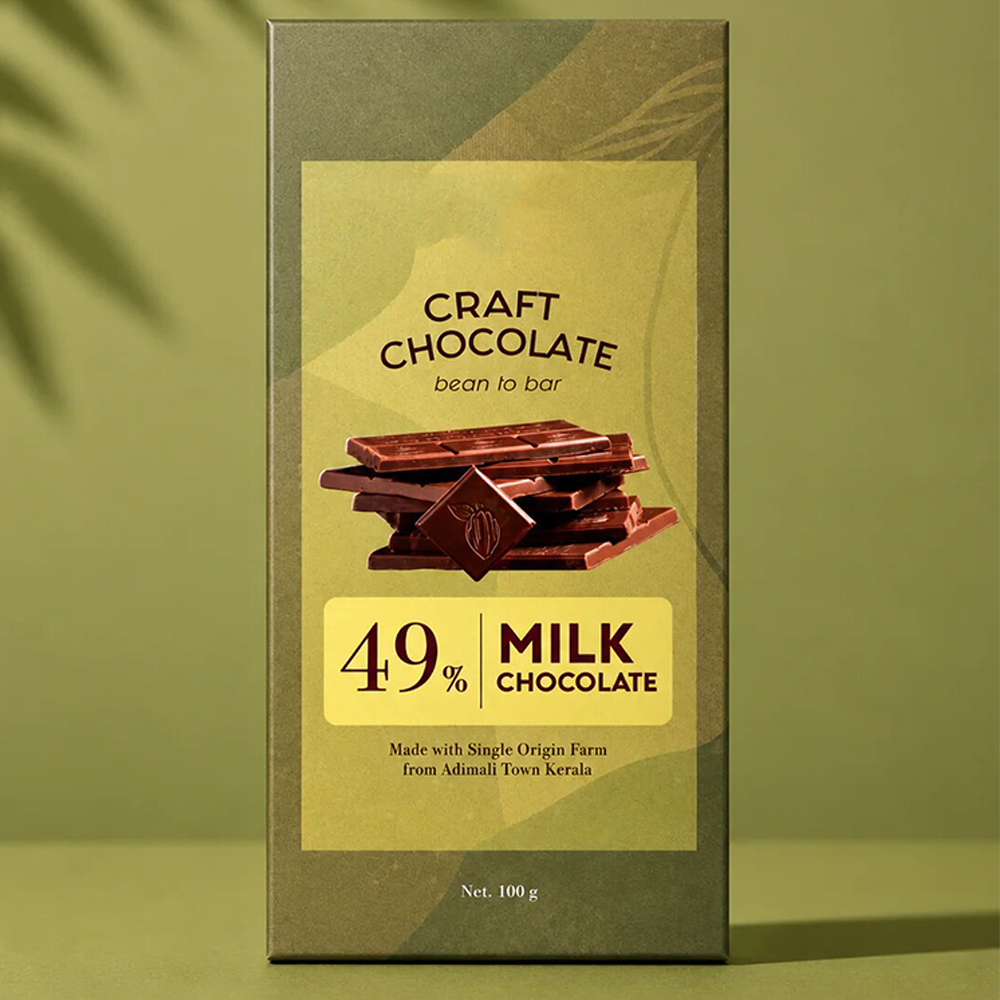
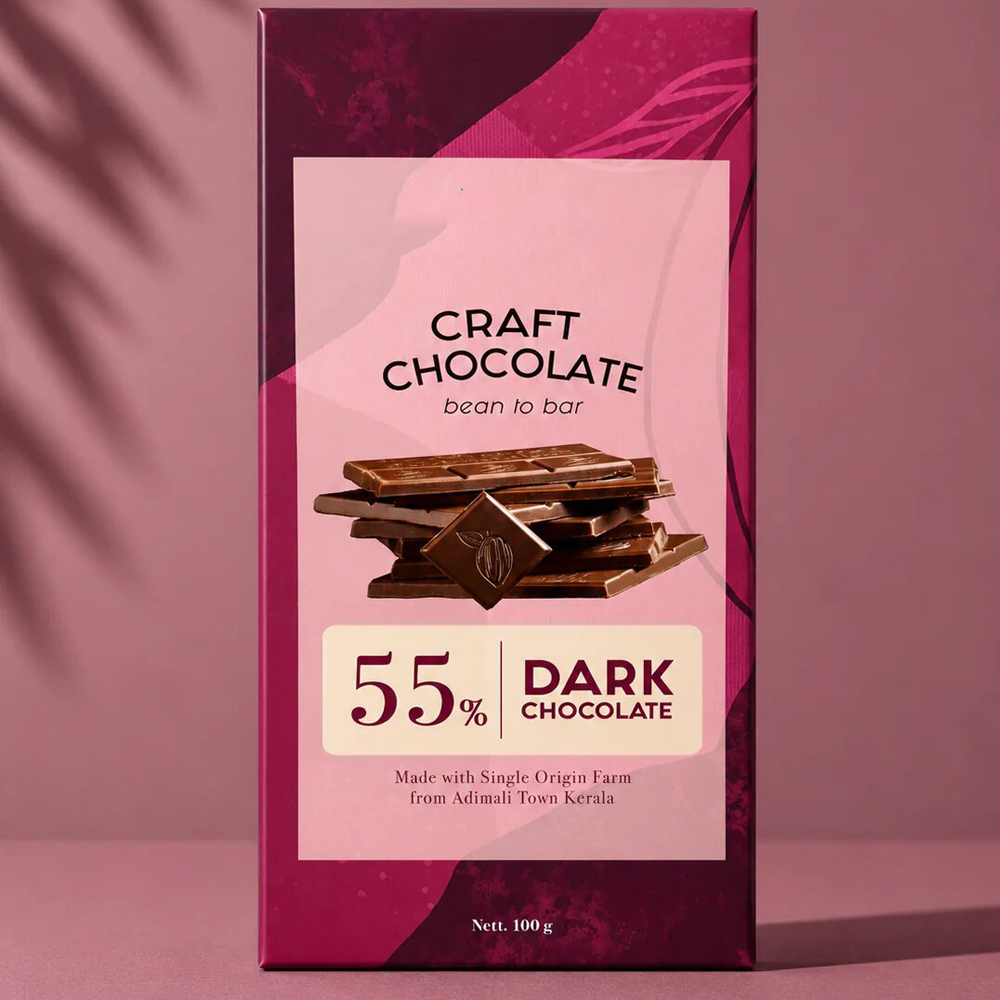
For example, using the same carton dimensions for multiple flavors may reduce the number of packaging specifications you need to manage. You can differentiate products through printed artwork, labels, or color variations instead of developing an entirely different structure for each item.
Standardization can simplify purchasing, reduce leftover inventory, and make production planning more flexible. Just make sure the shared format works for each product's size, weight, and protection requirements.
Identify Where Waste Happens
Start by tracking packaging defects and material losses at each stage of production. Common problems include misprinted wrappers, incorrect cutting dimensions, poor seals, damaged cartons, and packaging that doesn't fit the product properly.
Once you understand where waste occurs, you can focus on the most expensive problems first.
For example, if a large number of wrappers are rejected because of inconsistent sealing, adjusting the machine settings or improving operator training may deliver greater savings than switching to a cheaper film.
A simple waste report can help your team compare results across production batches and identify recurring issues.
Improve Machine Efficiency
Packaging machinery that isn't properly maintained can waste both materials and time. Misaligned rollers, incorrect temperature settings, and inconsistent feeding can all lead to rejected packages.
Regular maintenance, clear operating procedures, and routine quality checks help keep production consistent.
If you use automated packaging equipment, review whether the current settings match the materials being processed. Even a small adjustment can improve sealing performance and reduce downtime.
For smaller businesses that package chocolate manually, standardized work instructions can help employees fold, wrap, and seal products more consistently.
Test Before Scaling Up
Never introduce a major packaging change across your entire production line without testing it first.
Run a small trial to evaluate material performance, sealing strength, package appearance, and production speed. Check the finished chocolate bars after storage and during simulated transportation.
Testing helps you catch problems before they affect thousands of products. It also gives you useful data for comparing the original packaging with the revised version.
The objective is simple: reduce waste while maintaining reliable packaging performance.
Reduce Material Use Without Weakening Protection
Using less material can lower packaging costs and reduce waste at the same time. Lightweight paperboard, optimized wrapper thickness, and appropriately sized cartons are possible starting points.
Still, thinner isn't automatically better. If a material tears easily or provides insufficient protection, the resulting product damage can eliminate any initial savings.
Evaluate packaging changes through practical testing. Consider how well the package protects chocolate during filling, warehousing, transportation, and retail handling.
Evaluate Recyclable Materials Carefully
Paper-based packaging and recyclable films may be suitable for some chocolate products, depending on the required barrier properties and local recycling infrastructure.
Chocolate often needs protection from oxygen, moisture, odors, and temperature-related damage. Some recyclable materials may require specific coatings or structures to meet these needs.
Ask suppliers for technical specifications, food-contact compliance information, and evidence supporting any recyclability claims. Check whether the material is accepted by the recycling systems in your target markets.
Rather than choosing a material based on a sustainability label alone, compare its environmental benefits, total cost, and ability to preserve product quality.
Avoid Paying for Sustainability Claims That Add Little Value
Sustainable packaging can support brand reputation, but not every premium feature creates a meaningful benefit for customers.
Before investing in special finishes, complex material combinations, or additional packaging components, ask what purpose they serve.
A straightforward wrapper made with less material may be a better choice than a complicated package marketed as environmentally friendly. Clear communication about genuine improvements is often more valuable than adding features customers may not notice.
Reducing Chocolate Bar Packaging costs starts with understanding where your money goes. From material selection and package dimensions to supplier negotiations and production efficiency, there are plenty of opportunities to save without making your products look or feel cheap.
The key is to focus on value rather than price alone. Choose materials that offer the right level of protection, simplify designs where possible, purchase according to realistic demand, and reduce waste through better production controls. At the same time, keep food safety, chocolate freshness, and customer experience at the center of every decision.
You don't have to make dramatic changes to see results. Start by reviewing one packaging component, testing a practical alternative, and measuring the difference in total cost and performance. With a consistent approach, your business can build a more efficient packaging process, protect product quality, and maintain a strong brand image while keeping expenses under control.
You can reduce Chocolate Bar Packaging costs by choosing cost-effective materials, simplifying package designs, optimizing dimensions, and reducing production waste. It's also helpful to compare suppliers and negotiate better prices for regular orders. Before making any changes, test the new packaging to ensure it protects the chocolate and maintains its appearance.
Paper wrappers, aluminum foil, flexible films, and paperboard cartons are common options for chocolate packaging. The best choice depends on your budget, product requirements, and brand positioning. Compare material costs, barrier performance, durability, and recyclability to find an option that offers the right balance between affordability and quality.
Custom Chocolate Bar Packaging can increase costs when it requires complex shapes, special finishes, unique materials, or additional production steps. However, you can keep expenses under control by using standard package dimensions, limiting unnecessary design features, and applying consistent packaging structures across multiple product lines. A simple, well-designed package can still create a strong brand impression.
Bulk ordering can reduce the unit price of packaging materials and help businesses negotiate better supplier terms. However, large orders may also increase storage costs and the risk of unused inventory. To get the best value, review sales forecasts, production schedules, minimum order quantities, and available storage space before placing an order.
ity.
Sustainable Chocolate Bar Packaging can help reduce costs by minimizing unnecessary materials, using lightweight structures, and reducing packaging waste. Recyclable materials may also support brand reputation and appeal to environmentally conscious customers. However, businesses should evaluate the total cost, food protection performance, and local recycling options before choosing a sustainable packaging solution.
Post time: Oct-19-2026


