


Compare Different Packaging Materials
The first step is to review the materials used for your custom food boxes. Cardboard, corrugated board, kraft paper, and coated paperboard all have different strengths and price points. For lightweight bakery products, standard paperboard may provide enough protection without the extra cost of heavier materials. For frozen foods or products that need additional protection during shipping, a stronger material might be worth the investment.
Before making a decision, consider the weight of your food, storage conditions, transportation distance, and expected shelf life. Choosing a material that matches your actual needs helps prevent unnecessary spending.
Avoid Paying for Features You Don't Need
Premium coatings, decorative finishes, and extra-thick materials can make packaging look impressive, but they aren't always necessary. If your boxes are mainly used for local takeaway orders, a simple grease-resistant interior and a clean exterior design may be all you need.
The goal is to find the right balance between protection, appearance, and price. Spend money on features that solve real problems rather than paying for upgrades that customers may barely notice.
Consider Sustainable Food Packaging
Eco-friendly packaging can also be a practical cost-saving option. Recyclable paperboard and responsibly sourced materials may suit businesses looking to reduce their environmental impact. However, sustainable materials aren't automatically cheaper, so compare the total price and performance before choosing a supplier.
Match Box Dimensions to Your Products
One common mistake is using oversized boxes for small food products. Extra space means more material, higher transportation costs, and sometimes additional inserts to keep the contents in place.
Start by measuring your most popular products and identifying the box dimensions they actually require. A bakery selling cupcakes, for example, may benefit from different box sizes for individual orders and larger assortments. A takeaway business may need compact containers that fit its standard meal portions.
Custom dimensions can improve efficiency, but they should be based on real product measurements rather than guesswork.
Simplify the Structural Design
Complex packaging structures often require additional materials, specialized production processes, or more assembly time. If a box includes unnecessary folds, inserts, or decorative components, simplifying the design may reduce production costs without affecting its appearance.
Work with your packaging supplier to identify areas where the structure can be improved. The best design should be easy to assemble, stable during transportation, and convenient for customers to open.
Standardize Sizes Across Your Product Range
If several products can fit into the same box size, consider standardizing your packaging. Using fewer sizes can simplify inventory management and increase order quantities for each design.
For instance, a food business selling cookies, pastries, and small gift assortments might use two or three carefully selected box sizes instead of maintaining a separate package for every product. Just make sure standardization doesn't compromise food safety or product presentation.
Keep Your Design Simple and Recognizable
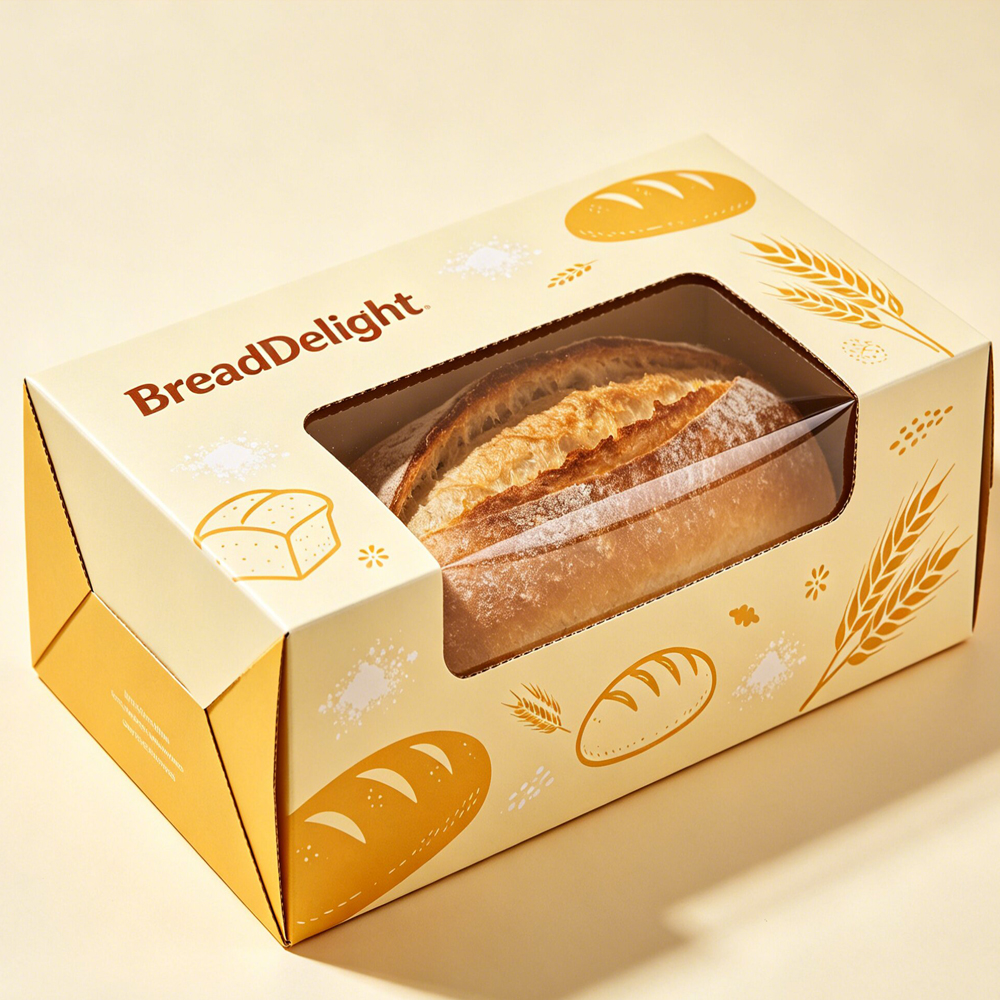
A clean design can look just as professional as an elaborate one. Focus on the elements customers need to recognize your brand, such as your logo, brand colors, product name, and essential product information.
Instead of covering the entire box with printed graphics, consider using a simple logo and a limited color palette. This approach can reduce ink usage and help your packaging maintain a consistent appearance across different product lines.
Simple designs can also make future updates easier. If your menu or product range changes, you may not need to redesign every part of your packaging.
Compare Printing Methods
Different printing methods suit different order sizes and design requirements. Digital printing can be useful for short runs, seasonal products, and designs that change frequently. Flexographic printing may offer better unit economics for larger orders, depending on the material, setup costs, and production requirements.
Ask your supplier to compare the total cost of each suitable printing option. Consider setup fees, minimum order quantities, color requirements, and the cost per finished box rather than focusing on one price alone.
Use Versatile Packaging Artwork
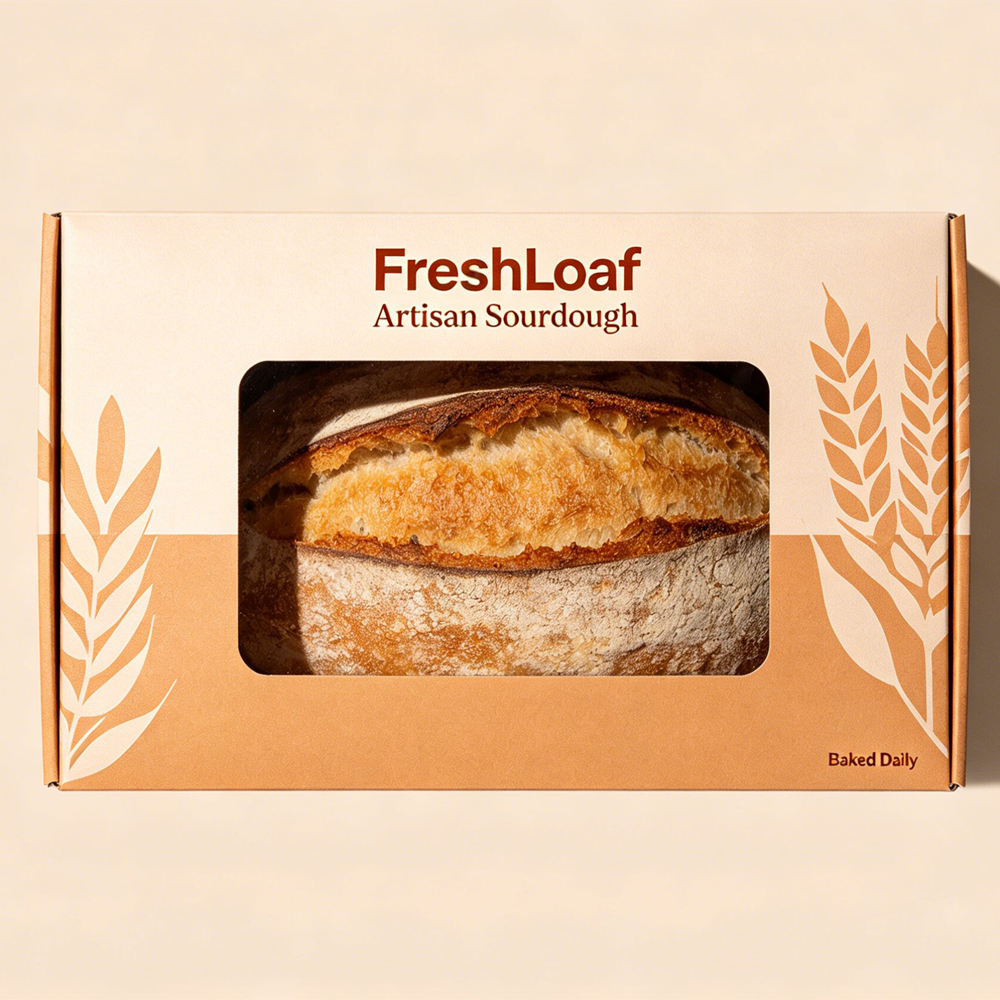
If you sell products throughout the year, a versatile design can help reduce the need for separate packaging versions. For example, a bakery might use the same branded box for several pastry varieties and add product-specific labels when necessary.
This strategy can reduce the number of printed designs you need to keep in stock. However, any labels must provide accurate product information, including allergen details where required.
Compare Total Costs Instead of Unit Prices
A low quoted price doesn't always mean a better deal. Some suppliers charge separately for artwork preparation, printing plates, shipping, samples, or other services. These additional expenses can make an apparently affordable order much more expensive.
Request a detailed quotation that includes all relevant costs. Compare the same box specifications, material thickness, printing requirements, delivery terms, and order quantities across suppliers.
It's also worth checking production consistency. Boxes that arrive damaged, have incorrect dimensions, or fail to protect food can create replacement costs and disrupt daily operations.
Balance Bulk Ordering With Storage Costs
Ordering in bulk often reduces the price per box because production and setup expenses are spread across more units. However, larger orders require more upfront cash and storage space.
Before placing a large order, estimate how many boxes you use each month and how quickly your packaging designs become outdated. A business with steady demand may benefit from bulk purchasing, while a seasonal business might be better off ordering smaller quantities more frequently.
The right order size depends on your sales patterns, available storage, and cash flow—not simply the biggest discount offered by a supplier.
Build a Long-Term Supplier Relationship
Consistent orders can help establish a stronger working relationship with your packaging supplier. Over time, you may be able to negotiate better pricing, improve delivery schedules, or simplify product specifications.
Share realistic forecasts whenever possible. Suppliers can plan production more efficiently when they understand your expected demand, and you can reduce the risk of urgent orders that come with higher costs.
Choose Materials Suitable for Your Food
Different foods create different packaging challenges. Hot meals may release steam, oily products can stain ordinary paperboard, and chilled foods may expose packaging to condensation.
Choose materials and coatings that suit the food's temperature, moisture level, fat content, and expected contact conditions. Food-contact materials should comply with the regulations applicable to your market.
Before committing to a large order, test the packaging under realistic conditions. Check whether the box holds its shape, prevents leakage, and protects the food throughout the expected delivery period.
Reduce Damage and Product Returns
Cheap packaging can become expensive if it leads to damaged products. A leaking takeaway meal, crushed pastry box, or poorly sealed container may result in refunds, replacements, and negative customer reviews.
Test your boxes during actual delivery runs, especially if your business uses third-party delivery services. Pay attention to stacking, movement, temperature changes, and handling.
A slightly more durable box may cost more initially but save money over time by reducing waste and customer complaints. Evaluate packaging based on its total business impact rather than the purchase price alone.
Track Packaging Waste
Review how many boxes are damaged during storage, wasted during preparation, or discarded because of incorrect sizing. Even small improvements in handling can reduce unnecessary purchases.
Train employees to assemble boxes correctly, store packaging away from moisture, and use the right size for each order. A straightforward inventory system can also help prevent overordering and avoid losses caused by outdated designs.
Calculate the True Cost Per Box
Start by calculating the total cost of getting each usable box ready for your business. Include the purchase price, printing and setup fees, shipping, storage, assembly labor, and losses caused by damaged or unsuitable packaging.
For example, imagine a business purchases 10,000 boxes for $2,000. Freight and setup add another $300, bringing the total to $2,300. If 200 boxes are unusable, the business has only 9,800 usable boxes.
The effective cost is approximately $0.235 per usable box, rather than the original quoted price of $0.20.
This simple calculation makes it easier to compare suppliers and identify where your money is going.
Test Changes Before Making Large Commitments
When considering a new material, printing method, or box design, start with a sample order or a small production run. Test it with real products and evaluate customer feedback, durability, storage, and ease of use.
If the new packaging performs well, gradually increase the order volume. This approach reduces the risk of committing to thousands of boxes that fail to meet your requirements.
Review Performance Regularly
Set a regular schedule to review packaging costs and quality. Monthly reviews may suit businesses with high order volumes, while smaller companies might review their packaging quarterly.
Track a few useful indicators, including cost per usable box, packaging waste, damage rates, delivery expenses, and customer complaints. These measurements help you see whether a cost-saving change is actually working.
Reducing custom food box costs doesn't mean settling for poor materials or unattractive designs. It means making thoughtful decisions about packaging size, materials, printing, suppliers, and order quantities. By choosing the right specifications, simplifying unnecessary features, and negotiating based on total costs, your business can make packaging more affordable without losing the quality customers expect.
Start with the changes that are easiest to measure, such as reviewing box dimensions, comparing supplier quotations, and tracking packaging waste. Test new options before placing large orders, and never overlook food safety or product protection when evaluating a cheaper alternative.
Most importantly, treat packaging as an investment in your business rather than just another expense. Well-designed, cost-effective food boxes can protect your products, strengthen brand recognition, improve operational efficiency, and support long-term profitability. With regular reviews and a reliable packaging partner, you can keep costs under control while delivering a consistently positive customer experience.
You can reduce the cost of custom food boxes by choosing suitable packaging materials, optimizing box sizes, simplifying printing designs, and ordering the right quantities. Comparing supplier quotes and avoiding unnecessary features can also help lower expenses without compromising packaging quality or food safety.
Kraft paper, paperboard, and corrugated cardboard are popular options for custom food boxes. The best choice depends on your food products, budget, and packaging requirements. Lightweight paperboard works well for many bakery items, while corrugated cardboard offers extra protection for heavier products and shipping.
Yes, bulk ordering can reduce the cost per box because production and setup expenses are spread across more units. However, you should consider storage space, cash flow, and product demand before placing a large order. The ideal order quantity balances unit savings with inventory management.
A simple, consistent design can make your food packaging look professional without expensive printing techniques. Use your logo, brand colors, and clear product information to create a recognizable appearance. Limiting the number of printing colors and using versatile packaging designs can also reduce costs.
Choose food-contact materials that meet applicable safety requirements and suit your products' temperature, moisture, and grease levels. Test packaging for durability, leakage, and transportation performance before placing large orders. Investing in suitable materials can help prevent food damage, reduce waste, and protect your brand reputation.
Post time: Oct-16-2026


