


Why Compliance Matters for Bakery Packaging
Food packaging comes into direct or indirect contact with products during storage, transportation, and serving. Because of this, bakeries need to think carefully about the materials used in their boxes. A beautiful package does not offer much value if the material is unsuitable for food applications.
For custom bakery businesses, compliance should be part of the packaging conversation from the beginning. The box material, inks, coatings, adhesives, and manufacturing process may all deserve attention depending on the intended use and the market where the products will be sold.
Clean Materials Make a Better Starting Point
The safest approach is to select packaging materials designed specifically for food applications. Food-grade paperboard and other suitable packaging substrates can provide a practical balance between appearance, performance, and safety.
It is also worth asking packaging suppliers about material specifications and compliance documentation. Instead of simply choosing the cheapest option, bakery owners should consider where the box will be used, what food it will hold, and how long the product will remain inside the package.
Packaging Should Match the Product
A box for dry cookies does not necessarily need the same structure as packaging for cream-filled pastries. Moisture, grease, temperature, product weight, and storage conditions can all affect packaging performance.
That is why custom Bakery Food Boxes should be designed around the actual product rather than treated as a one-size-fits-all solution. A good box protects the food while still giving customers a pleasant unboxing experience.
Every bakery has its own product mix. Some businesses focus on cupcakes and celebration cakes, while others sell artisan bread, macarons, cookies, or seasonal treats. Packaging needs to keep up with those differences.
Cupcake and Cake Packaging
Cupcakes can move around easily during delivery, which is why a box with the right internal dimensions and inserts can make a noticeable difference. A well-designed structure helps keep decorations in place and reduces the risk of damaged frosting.
For larger cakes, strength becomes even more important. The bottom of the package needs enough support to handle the product without bending or collapsing. Handles, locking tabs, and easy-open features can also make transportation more convenient.
Cookie and Pastry Boxes
Cookies and pastries often need packaging that protects their shape while preventing unnecessary exposure to moisture or grease. A bakery might choose a simple tuck-end box for everyday orders or a more decorative style for gifts and premium products.
The key is to make sure the packaging does its job without making the customer struggle to open it. Nobody wants to wrestle with a bakery box before getting to the good part.
Bread and Artisan Bakery Packaging
Bread packaging has its own considerations. Crusty artisan loaves, soft rolls, and specialty breads can behave very differently once packaged.
Ventilation, moisture control, box structure, and product size should all be considered. A package that looks great but traps too much moisture may not be the best choice for a product that depends on a crisp crust.
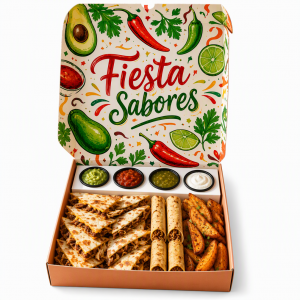
It can feel overwhelming when you\'re choosing custom printed candy boxes. Don’t fret; we’re here to assist, both as interpreters and digesters of the essentials, so you can make a more informed choice. But this will be the best way to determine what’s right for your product, and brand, and budget. With this information incoming you can work with a supplier far better.
Choosing the Right Material
The select materials can establish the appearance, manufacture process, and box's cost.
- Paperboard (Folding Carton): This material is very popular and is cost-effective. It's quite functional and is widely used for most candy boxes, including favor boxes and larger ones.
- Kraft Paper: It is the best option for having a rustic, nature, or eco-friendly finish. Kraft paper has a brown, earthy color that's ideal for organic or handmade brands.
- Rigid Board: A product like luxury chocolates or gift sets needs rigid board, which is a perfect choice. This material is thick, durable, and has a high-end look. These types of boxes are not collapsible.
- Corrugated Cardboard: This material is ideal for shipping boxes or large, heavy candy sets. It's designed uniquely with the layers giving extra strength and protection.
Trendy Candy Box Styles
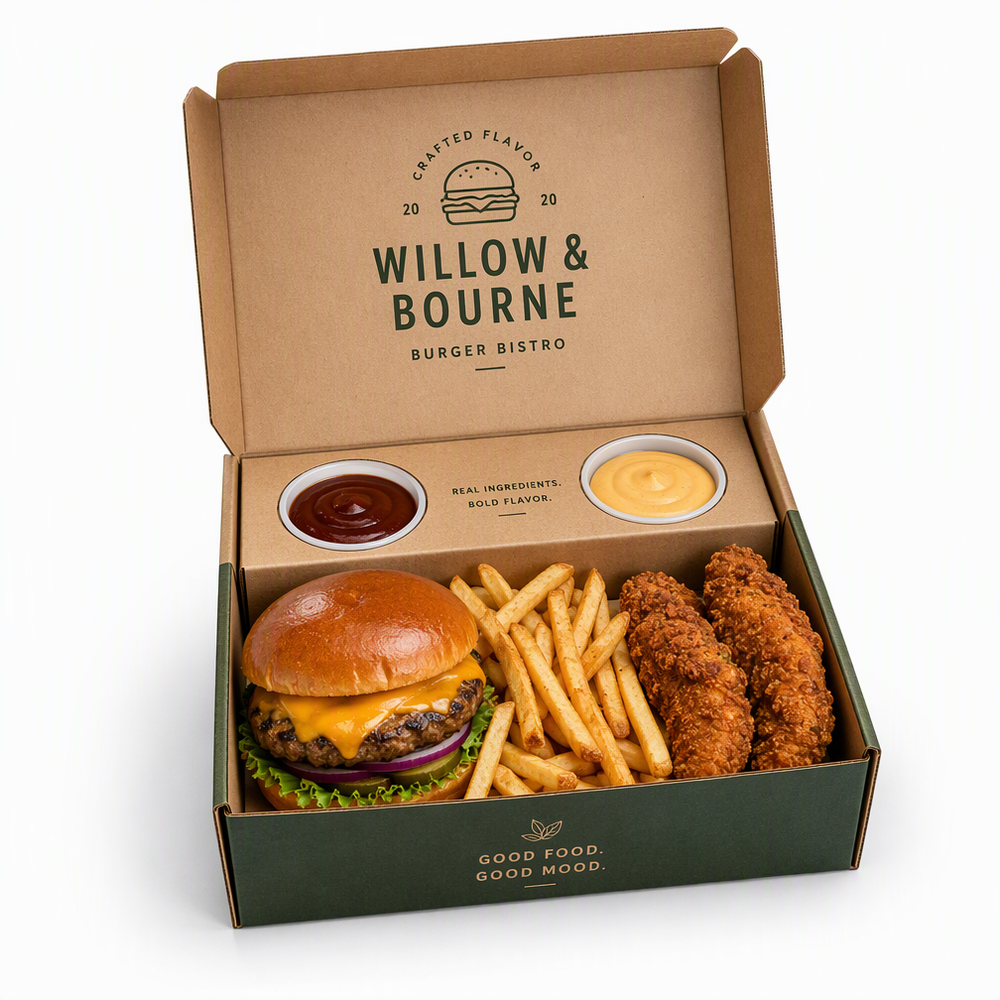
The manner of use, and the mode of opening of the consumer is also defined by box shape. Use of sleeve boxes, two piece rigid boxes and window cut-out boxes offer diverse brand experiences. A boxes’ eye is all you need to observe possible designs for your brand look and feel. For instance, a window can be located for customers to see the tasty candy inside. It can be a better way to sell.
Turning a Plain Box Into Brand Advertising
A custom bakery box can display a logo, brand colors, website, social media information, product details, or a short message. This turns packaging into a small marketing tool that travels beyond the bakery.
Think about a customer carrying a branded pastry box through a busy office or taking a cake to a birthday party. Other people see the package, which means the box can generate brand exposure without another advertising campaign.
Keep the Design Easy to Understand
Good packaging does not need to be overloaded with graphics. Sometimes a clean logo, simple typography, and a well-chosen color combination are enough.
The design should also work well at different sizes. A logo that looks perfect on a large cake box may become difficult to read on a small cookie box. Creating a consistent visual system helps the entire product range feel connected.
Functionality Should Come Before Decoration
A bakery should never sacrifice usability just to make the package look impressive. Customers want boxes that open easily, close securely, and can be carried without awkward handling.
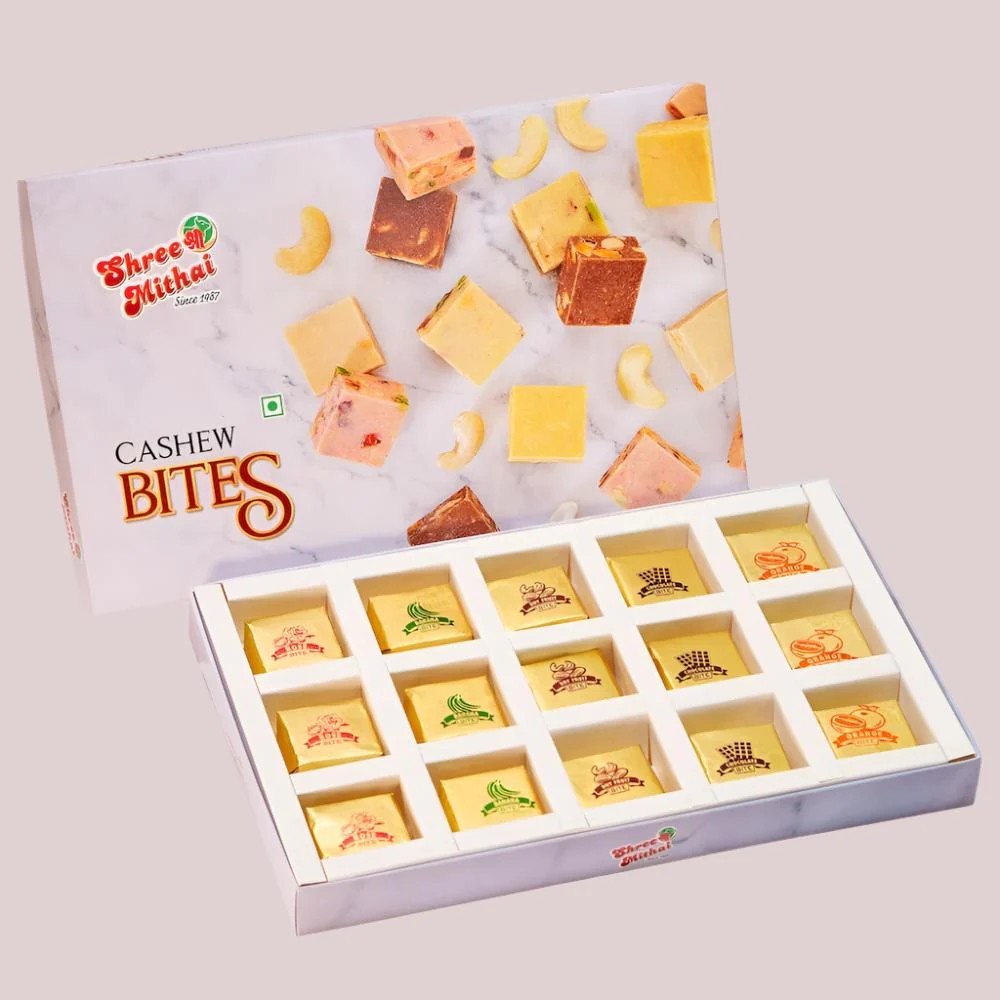
Custom Bakery Food Boxes can include useful features such as windows, inserts, handles, locking tabs, or compartments. These details may seem small, but they can have a real impact on the customer experience.
Choosing Materials With a Clear Purpose
Sustainable packaging starts with using only what is needed. An oversized box filled with unnecessary inserts may create more waste than a correctly sized package.
Paper-based packaging can be an attractive option for many bakery products, but the exact environmental impact depends on the material, coatings, manufacturing process, transportation, and end-of-life options.
Avoiding Greenwashing
It is tempting to put words such as “eco-friendly” or “green” on a package because they sound appealing. However, vague environmental claims can create confusion and may be subject to advertising or consumer-protection rules.
A better approach is to use specific, supportable information. If a packaging material has a particular recycled content or certification, communicate that information accurately rather than making broad claims that are difficult to prove.
Right-Sizing Reduces Unnecessary Material
Custom packaging offers an advantage here. When a box is designed around the actual product, the business may be able to reduce empty space and avoid using excessive packaging material.
Smaller, properly fitted Bakery Food Boxes can also make storage and shipping more efficient. That can be helpful for bakeries that deliver products or purchase packaging in large quantities.
Check Customization Capabilities
Different bakeries need different packaging features. A good supplier should be able to discuss box dimensions, board options, printing, finishing, inserts, windows, and structural designs.
Do not be afraid to explain the problem you are trying to solve. For example, instead of saying, “I need a cheap cake box,” explain that you need a sturdy box for a particular cake size that will be delivered across town. That gives the supplier much more useful information.
Think About Minimum Order Quantities
Custom packaging often comes with minimum order requirements. A small bakery may not want to commit to an enormous quantity, especially when testing a new product or seasonal design.
Ask about minimum quantities, sample costs, production timelines, and reordering procedures before placing the first order.
Quality Should Be Consistent
A packaging supplier may deliver an excellent first batch, but consistency matters just as much for repeat orders. Differences in color, printing, dimensions, or material strength can create problems for a growing bakery brand.
For that reason, it is useful to establish clear specifications and quality expectations from the beginning.
Choose Packaging That Can Grow With Your Bakery
Your packaging needs may change as the business grows. You may add new products, launch gift sets, expand into delivery, or start selling through retailers.
The best Bakery Food Boxes are not simply attractive containers. They are part of a broader packaging strategy that supports food safety, branding, customer experience, logistics, and long-term business growth.
Choosing custom bakery packaging is about much more than putting a logo on a box. The right solution needs to protect the food, fit the product, support practical handling, communicate the brand, and meet the requirements that apply to the intended market.
From cupcakes and cookies to artisan bread and celebration cakes, every product brings different packaging challenges. That is why bakeries should look at material suitability, box structure, printing, sustainability, transportation, and supplier reliability as one connected process.
Well-designed Bakery Food Boxes can also create a better customer experience. A sturdy box that opens easily, keeps food looking fresh, and presents the brand professionally can turn a routine purchase into something customers remember.
The smartest approach is simple: define the product requirements first, choose suitable food packaging materials, test the box with real products, verify relevant compliance information, and then scale up production. When safety and design work together, custom bakery packaging becomes more than a container—it becomes a useful part of the bakery's brand and customer experience.
Bakery Food Boxes are designed to package and protect products such as cakes, cupcakes, cookies, pastries, bread, and other baked goods. Depending on the product, the box can be customized with different sizes, structures, inserts, materials, and printing options. A well-designed box helps keep baked goods protected during storage, transportation, and delivery while also presenting the bakery brand professionally.
They can be, as long as the materials and components are suitable for the intended food packaging application and meet the requirements that apply in the target market. Bakeries should ask suppliers about food-contact suitability, material specifications, coatings, inks, and adhesives when necessary. It is also important to consider the type of food being packaged, including factors such as moisture, grease, temperature, and storage time.
Yes. Custom Bakery Food Boxes can usually be printed with a bakery logo, brand colors, product information, website, social media details, or other design elements. Businesses can also customize the box size, opening style, inserts, windows, handles, and other structural features. Consistent packaging can help customers recognize the bakery and create a stronger overall brand experience.
The environmental impact of Bakery Food Boxes depends on the materials, coatings, printing methods, manufacturing process, transportation, and disposal options. Paper-based packaging can be a practical choice for many bakery applications, especially when the box is properly sized and unnecessary materials are avoided. Bakeries should use specific and verifiable environmental claims instead of making broad “eco-friendly” statements without supporting information.
Start by considering the type, size, weight, and characteristics of the baked goods. For example, cupcakes may need inserts to prevent movement, while artisan bread may require different moisture and ventilation considerations. You should also evaluate box strength, closure style, delivery conditions, branding requirements, and applicable food packaging regulations. Ordering samples and testing the boxes with real products before placing a large order is a smart way to avoid packaging problems.
Post time: Oct-08-2026


