


What “Clean Label” Really Means
When people open a box of sweets, the first thing they usually notice is the color. Bright pinks, deep blues, neon greens—they certainly grab attention. But these days, more shoppers are taking a second look at what creates those colors.
That is where the idea of clean-label sweets comes in. Instead of relying heavily on artificial dyes, brands are looking for simpler ingredients and more recognizable food components. At the same time, they still want packaging that feels fun, premium, and memorable. This is where Custom Sweet Boxes can make a real difference.
Clean-label packaging is not about making sweets look boring. Quite the opposite. A thoughtfully designed box can make natural colors feel intentional and beautiful. Soft berry tones, cocoa browns, creamy whites, fruit-inspired shades, and gentle greens can create a visual identity that feels modern without looking artificial.
Why Natural-Looking Sweets Are Getting Attention
Consumers have become more curious about food labels. They may check ingredients before buying, especially when shopping for children, gifts, party favors, or premium treats. A product that communicates simplicity can immediately feel more trustworthy.
For sweet brands, this creates an interesting opportunity. The product itself can tell a clean and honest story, while the box reinforces that message.
Packaging Should Match the Product
Imagine opening a box covered in loud graphics and synthetic-looking colors, only to find naturally colored candies inside. The message feels disconnected.
A better approach is to make the packaging reflect the product. Custom Sweet Boxes can use soft typography, natural visual elements, simple illustrations, and carefully selected materials to create a consistent experience from the outside in.
Natural Does Not Have to Mean Plain
One common misconception is that dye-free sweets have to look dull. They do not.
Natural ingredients can create surprisingly attractive colors. Beetroot can bring reddish or pink tones, turmeric can add yellow, spirulina may contribute blue or green shades, while fruit and vegetable powders can provide a wide range of softer colors.
These shades can actually become part of a brand's personality.
Turning Color Into a Branding Tool
Instead of trying to make every sweet extremely bright, brands can embrace a more relaxed palette. Think strawberry pink, lemon yellow, pistachio green, blueberry purple, or chocolate brown.
This gives Custom Sweet Boxes a distinctive appearance without depending on overly saturated packaging colors.
For example, a premium chocolate company might pair naturally colored confectionery with warm cream packaging and subtle brown typography. A fruit candy brand could use watercolor-style fruit illustrations and soft pastel tones. A children's sweet brand might use playful drawings while keeping the overall color palette gentle.
Let the Product Do Some of the Talking
Good packaging does not have to shout.
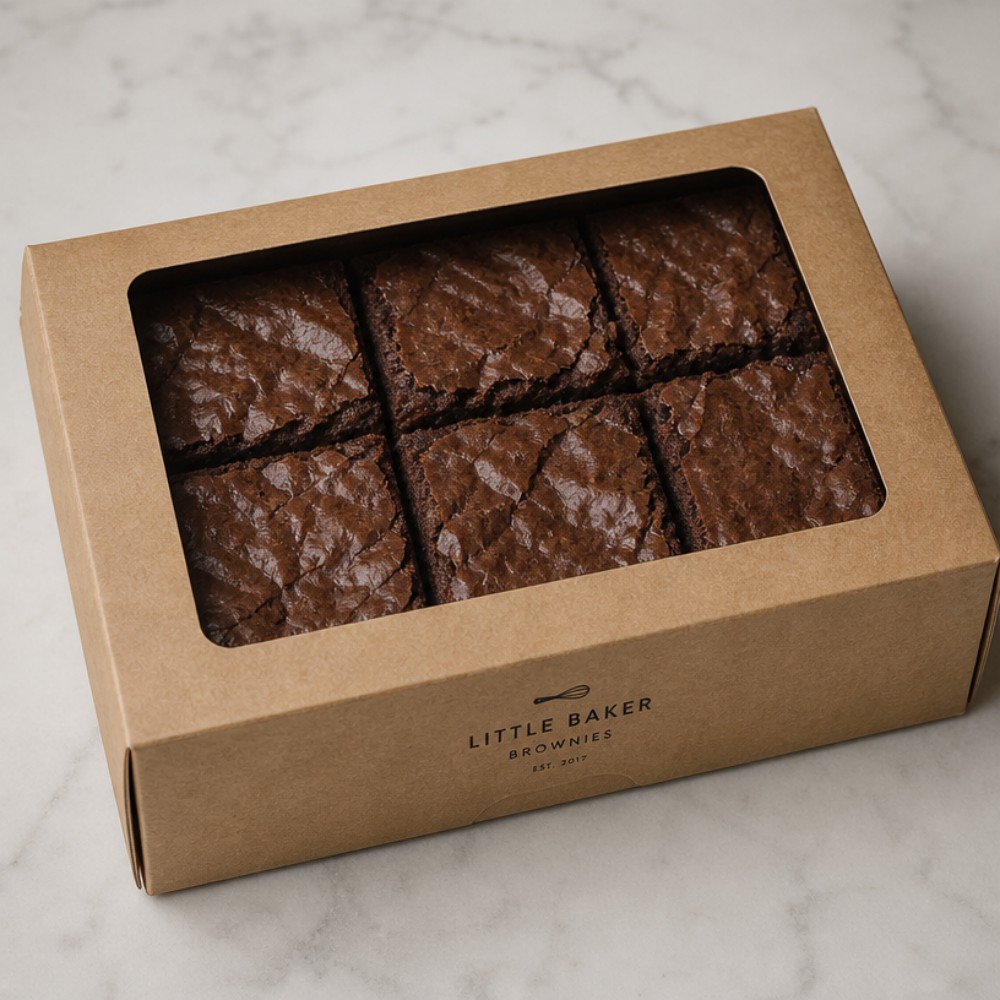
Sometimes, a small window can be more effective than a giant product photo. Customers can see the actual sweets inside and get a better sense of what they are buying. A short message such as “Naturally Colored” or “Made With Simple Ingredients” can then support the visual story.
The key is balance. Clean-label packaging should feel informative, not like a lecture.
Packaging Is More Than a Container
A sweet box protects the product, but that is only part of its job. It also introduces the brand.
When someone receives a gift box, opens an online order, or sees a product on a retail shelf, the packaging creates an immediate impression. That impression can influence whether the product feels affordable, premium, handmade, playful, or trustworthy.
Custom Sweet Boxes give brands room to communicate these qualities in a way that standard packaging simply cannot.
Make the Message Easy to Understand
If a brand is proud of using natural colors, there is no need to hide that information in tiny text.
A simple statement on the box can work well:
“No Artificial Colors.”
“Naturally Colored Sweets.”
“Simple Ingredients. Big Smiles.”
The exact wording depends on the product and its verified claims, but the principle remains the same: make important information easy to notice.
Avoid Overpromising
Clean-label marketing needs to be accurate. “Natural,” “dye-free,” “organic,” and similar terms can have different meanings depending on the market and product.
Packaging should reflect what the product can genuinely support. That protects consumer trust and helps a brand build credibility over time.
A Sweet Gift Feels Better With Personal Packaging
Sweets are naturally associated with celebrations. Birthdays, weddings, baby showers, holidays, corporate events, and family gatherings all create opportunities for beautifully packaged treats.
A personalized box can turn a simple candy selection into a thoughtful gift.
With Custom Sweet Boxes, brands and event planners can choose different sizes, layouts, finishes, inserts, and printing styles. A small box may work perfectly for wedding favors, while a larger presentation box can suit corporate gifting.
Create Packaging People Want to Keep
The best packaging does not always end up in the recycling bin immediately. Sometimes people keep it for storing small items, photographs, jewelry, stationery, or other odds and ends.
That makes thoughtful structural design valuable.
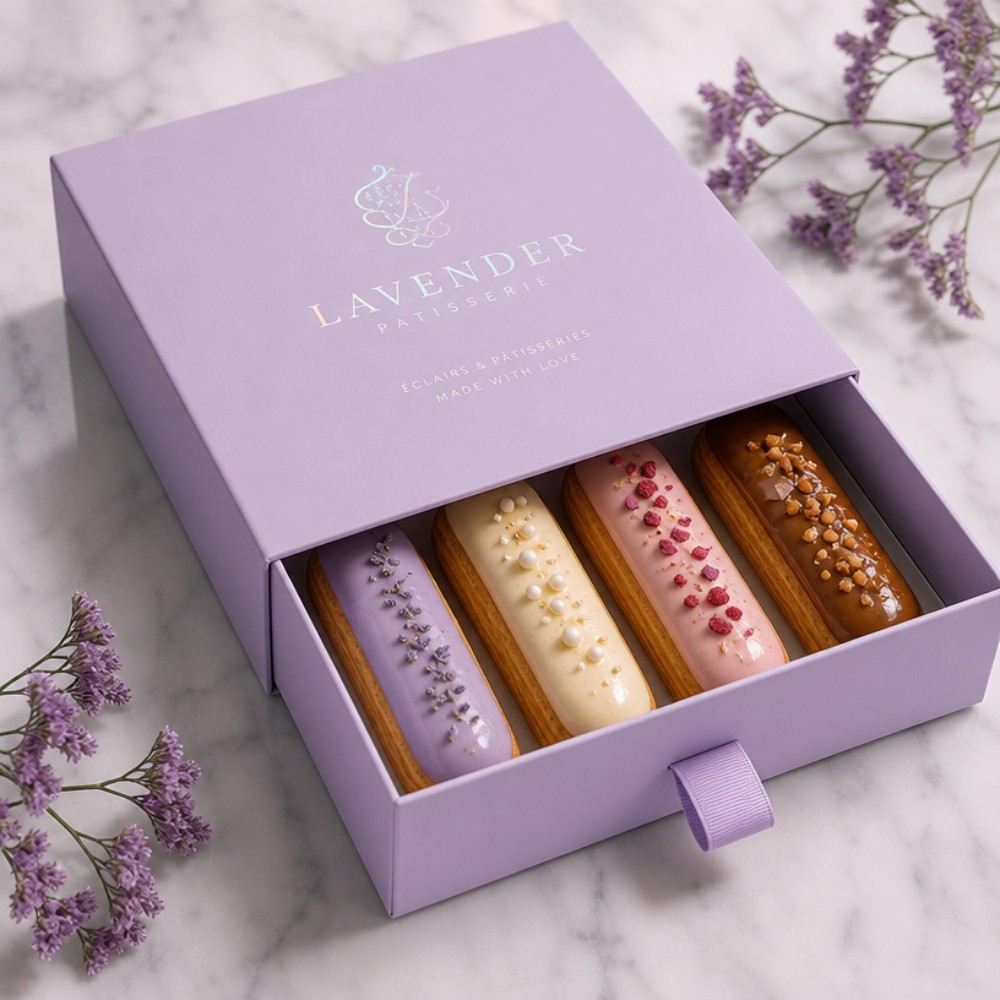
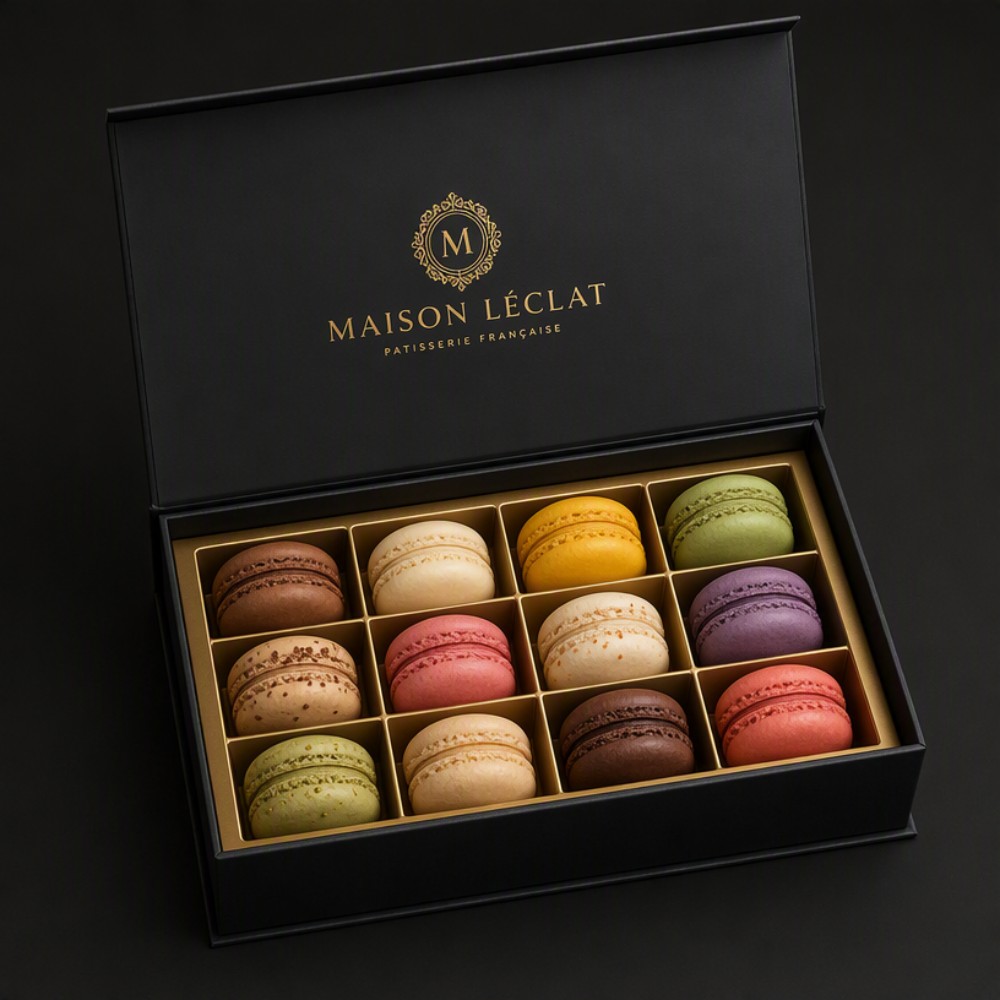
A sturdy drawer box, reusable tin-style package, or magnetic-close presentation box can make the product feel more substantial. Even a simple folding carton can become memorable when the artwork and construction are well considered.
Personalization Adds Emotional Value
Names, dates, short messages, seasonal artwork, and limited-edition designs can make sweets feel more personal.
For businesses, this also creates opportunities for special campaigns. A Valentine's collection could feature romantic illustrations, while a summer range might use fruit-inspired graphics.
The box becomes part of the occasion rather than simply something holding candy.
Clean Product, Thoughtful Packaging
There is another question worth asking: if the sweets focus on simpler ingredients, should the packaging follow the same philosophy?
For many brands, the answer is yes.
Consumers increasingly notice packaging waste, excessive layers, and unnecessary plastic components. Choosing packaging carefully can help create a more consistent brand story.
Choose Materials With Purpose
Paperboard and other fiber-based packaging can be useful options for sweet products, depending on the required protection and food-contact specifications.
Brands can also consider whether every packaging component is necessary. Do you really need multiple plastic inserts? Does the box need a glossy finish? Could a simpler structure provide the same protection?
These questions can lead to packaging that feels cleaner visually and functionally.
Sustainability Should Not Become a Marketing Shortcut
It is important to make environmental claims carefully. A package should not be described as “eco-friendly” simply because it uses less plastic.
Brands should understand the actual material, coatings, recycling conditions, and disposal requirements before making specific claims.
In many cases, straightforward language works best. Explain what the package is made from and why that choice was made. Customers can appreciate honesty more than vague green marketing.
Design for the Shelf and the Screen
Today, packaging has to work in two places: the physical world and the digital one.
A box might first appear in an Instagram post, an online store, or a short product video. Later, the customer may see it on a retail shelf or receive it at home.
That means Custom Sweet Boxes need a visual identity that works from different distances and angles.
Keep the Main Idea Clear
A successful box usually has one main visual message.
Maybe it is the brand name. Maybe it is a beautiful illustration of the sweets. Maybe it is a simple “Naturally Colored” message.
Too many competing elements can make packaging difficult to understand. Clean-label branding generally benefits from breathing room.
Think About the Unboxing Experience
For online sweet businesses, the customer experience does not end when the package arrives.
Opening the box can become part of the product.
A printed interior message, neatly arranged sweets, a small thank-you note, or a clever opening mechanism can add personality without dramatically increasing complexity.
These little details are often what customers remember—and sometimes what they share online.
Build a Design That Can Grow
A good packaging system should work beyond one product.
If a company eventually launches gummies, chocolates, marshmallows, or seasonal collections, the packaging should still feel like part of the same family.
Using consistent typography, logo placement, illustration style, and structural elements makes future product launches easier. Only selected colors or graphics need to change.
Dye-free and clean-label sweets are opening the door to a fresh style of confectionery branding. Instead of relying on extremely bright colors and complicated visual effects, brands can create something warmer, simpler, and more authentic.
The right Custom Sweet Boxes can bring that idea to life. Natural-looking colors, clear messaging, thoughtful materials, personalized details, and an enjoyable unboxing experience can work together to create packaging that customers remember.
Most importantly, clean-label packaging does not mean giving up fun. Sweets are still about joy, celebration, sharing, and little moments of happiness.
The goal is simply to present that joy in a way that feels honest.
No unnecessary noise. No need to overdo it. Just good sweets, thoughtful packaging, and a box that gives customers one more reason to smile.
Custom Sweet Boxes are specially designed packages made to fit a sweet brand’s products, style, and marketing needs. Brands can customize the box size, shape, artwork, colors, printing, and finishing details. For clean-label sweets, the packaging can also be designed to reflect a simple, natural, and trustworthy brand image.
Yes. Custom Sweet Boxes can be designed specifically for naturally colored or dye-free confectionery. Softer colors, fruit-inspired artwork, simple typography, and natural-looking graphics can help communicate the product’s clean-label positioning without making the packaging look plain or boring.
Paperboard and other fiber-based materials are common choices for sweet packaging. The best material depends on the product, box structure, durability requirements, printing needs, and food-contact specifications. Brands looking for a more sustainable option can also review recyclable or responsibly sourced materials where appropriate.
Packaging is often the first physical interaction customers have with a product. Well-designed Custom Sweet Boxes can make sweets look more premium, consistent, and memorable. Clear ingredient-related messaging, attractive artwork, and thoughtful structural details can also help a brand communicate its values and stand apart from similar products.
Start by keeping the design simple and choosing packaging materials carefully. Avoid unnecessary layers, excessive plastic components, and finishes that do not add real value. If your packaging uses recyclable or other environmentally preferable materials, make sure any sustainability claims accurately reflect the material and local disposal conditions. A simple, honest approach usually feels more credible to customers.
Post time: Sep-15-2026


