


A Clear View of Beautiful Pastries
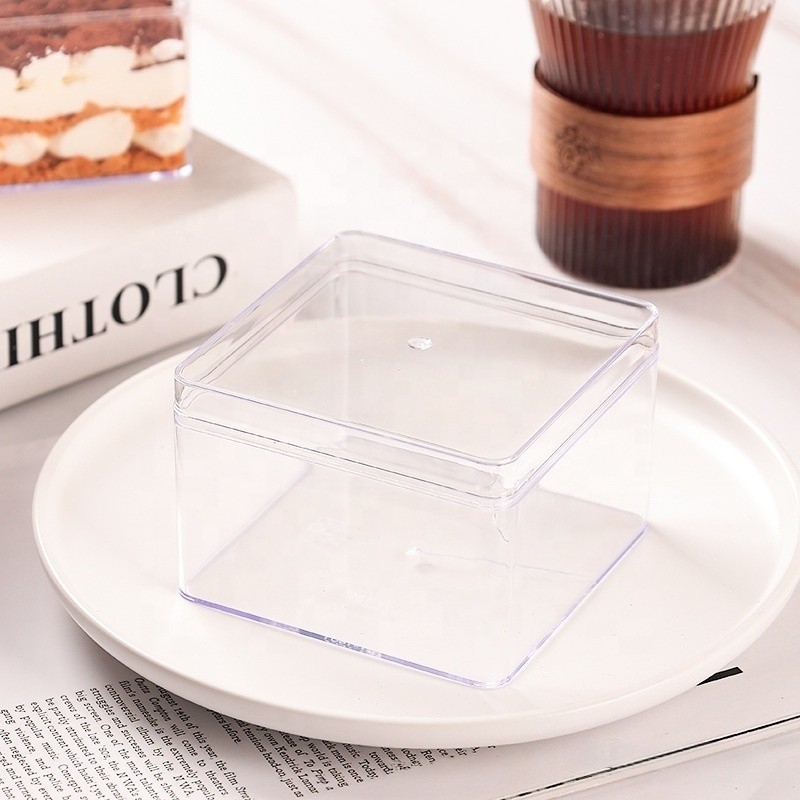
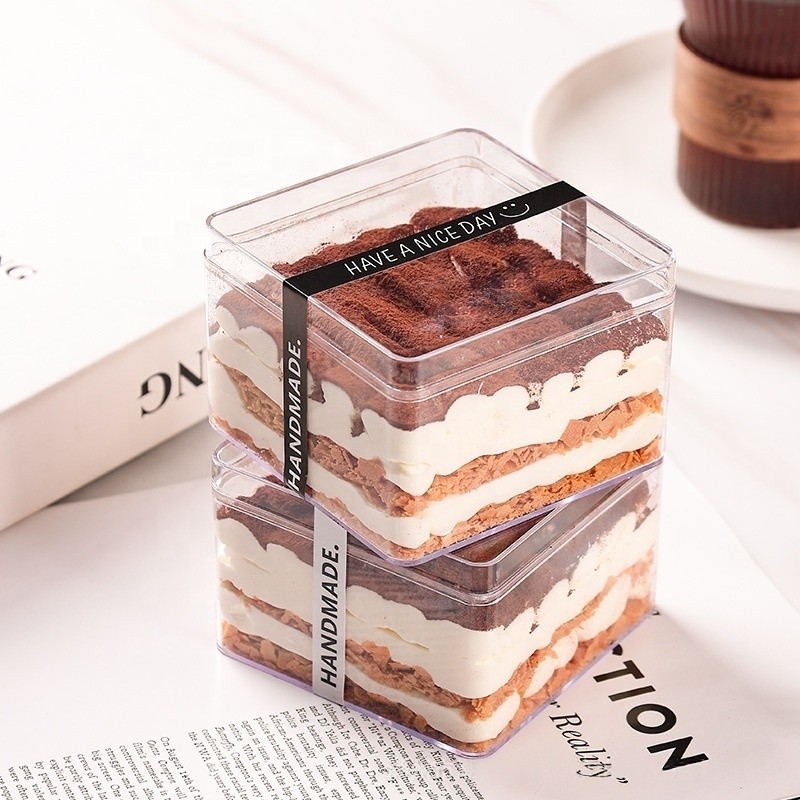
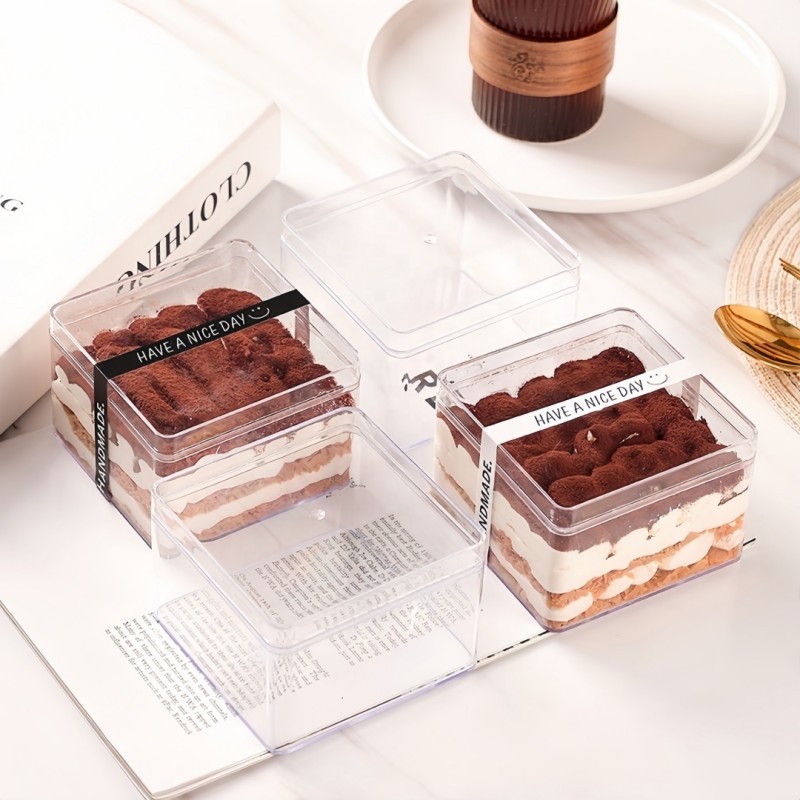
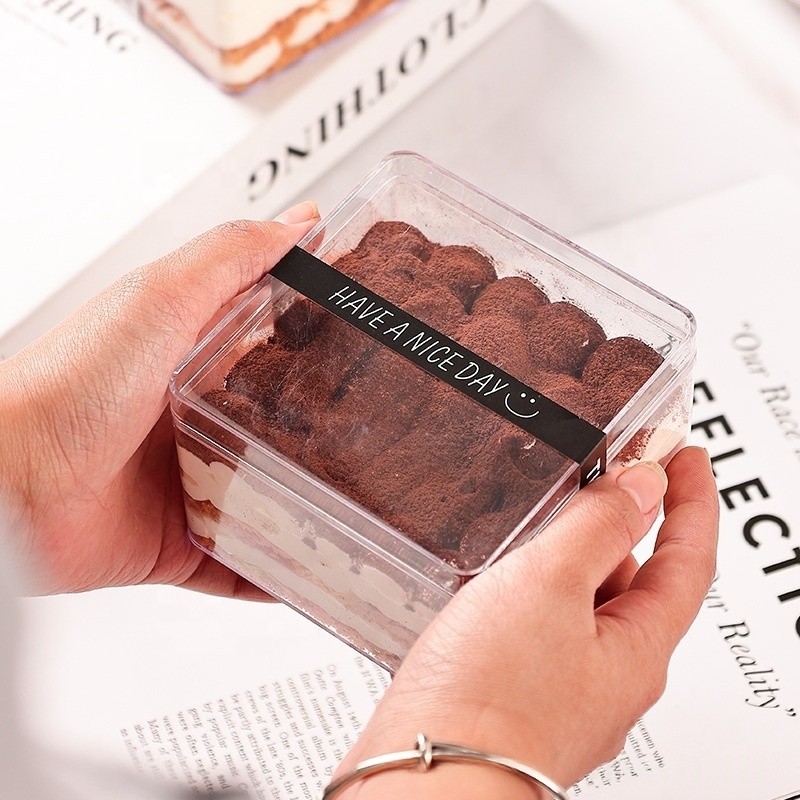
When it comes to pastry packaging, appearance matters almost as much as taste. Customers often decide whether a dessert looks appealing before they take the first bite. That's why Acrylic Gift Boxes have become an attractive option for bakeries, pastry shops, luxury dessert brands, and gift businesses. Their transparent design allows customers to see the pastries inside without opening the package, making every dessert look more inviting.
Unlike traditional cardboard packaging, clear acrylic boxes provide a modern presentation that works especially well for macarons, cookies, mini cakes, chocolate treats, and other delicate desserts. The clean, polished surface highlights the color, texture, and decorative details of each pastry. For businesses that invest time and skill in creating beautiful desserts, this type of packaging helps make sure their work gets noticed.
Combining Style with Practical Protection
Good pastry packaging needs to do more than look attractive. It should also help protect delicate products during handling, storage, and delivery. Custom acrylic boxes can be designed with secure closures, suitable dimensions, and optional inserts to keep individual pastries in place. These features can reduce unnecessary movement and help maintain a neat presentation.
Of course, acrylic packaging is not automatically suitable for direct food contact just because it looks clean. Businesses should select materials specifically documented as food-contact compliant for their intended use. With the right material selection and design, acrylic gift packaging can combine visual appeal, practical handling, and a premium unboxing experience.
Choosing the Right Food-Grade Material
Food safety should always be the starting point when designing packaging for edible products. Not every acrylic sheet, adhesive, coating, or decorative component is intended to touch food. For this reason, businesses should confirm that the selected materials meet the food-contact requirements applicable in their target market and are suitable for the type of pastry being packaged.
For example, packaging dry cookies may involve different considerations from packaging cream-filled pastries or desserts with oily surfaces. Temperature, contact duration, and the food's composition can all affect material suitability. Suppliers should be able to provide relevant compliance documentation, material specifications, and information about any restrictions on use.
Designing for Clean and Safe Handling
The shape of a box can influence how easily it can be cleaned, assembled, filled, and handled. Smooth surfaces, well-fitted lids, and carefully finished edges can make packaging more practical for everyday bakery operations. If a box includes internal dividers or trays, those components should also be selected with food safety in mind.
For pastries that come into direct contact with packaging, businesses should verify that the actual contact surfaces are appropriate for that use. Where direct contact is not intended, a suitable food-grade liner, tray, or sealed inner container may provide an additional layer of separation, provided the complete packaging arrangement is appropriate for the product.
Avoiding Common Packaging Mistakes
One common mistake is assuming that a transparent material is automatically food-safe. Another is focusing on the box itself while overlooking printing inks, adhesives, ribbons, and other accessories that could come into contact with food.
A better approach is to review the entire packaging design before placing a large order. Ask the manufacturer which components are intended for food contact, how the materials should be cleaned or stored, and whether the finished product has any use limitations. Taking these steps early can help reduce compliance risks and prevent expensive packaging changes later.
Macarons, Cookies, and Small Treats
Macarons are known for their delicate shells and attractive colors, making them a natural fit for clear gift packaging. Custom Acrylic Gift Boxes can feature individual compartments or fitted inserts that help separate each macaron and create a tidy arrangement. A transparent lid also allows customers to appreciate the assortment without disturbing the desserts.
Cookies, brownies, chocolate-covered treats, and other small baked goods can benefit from similar designs. Businesses can adjust the internal dimensions, number of compartments, and box height to match their products. For dry pastries, the packaging should also account for moisture protection and freshness requirements, which may require an appropriate inner wrap or separate barrier packaging.
Mini Cakes and Premium Desserts
Small cakes, cupcakes, and individual desserts often need more room and additional support. A custom box can be designed around the product's height, frosting, toppings, and base dimensions. This helps reduce contact between the dessert and the lid while making the finished package easier to handle.
For heavier or more delicate items, the design should consider the strength of the base, the stability of the closure, and the way the box will be transported. Acrylic is a rigid material, but rigidity alone does not guarantee that a package will protect a dessert from impact or sudden movement. Testing the complete package with the actual product is a sensible step before using it for commercial deliveries.
Seasonal and Special-Edition Gift Sets
Custom packaging can also help bakeries prepare attractive gift sets for holidays, weddings, birthdays, and corporate events. A box designed for a Valentine's Day macaron collection may look very different from one created for festive cookies or a premium assortment of chocolates.
With custom sizing, internal layouts, and decorative details, businesses can create packaging that matches a specific occasion without changing the product itself. This flexibility makes acrylic gift boxes useful for limited-edition collections, especially when presentation plays a major role in the customer's buying decision.
Branding That Feels Natural
Packaging is often one of the first physical interactions a customer has with a dessert brand. A well-designed box can reinforce brand recognition while making a gift feel more personal. Businesses can consider printed logos, discreet brand marks, colored bases, custom labels, or coordinated ribbons.
The key is to avoid adding so many decorative elements that the pastries become difficult to see. Transparent packaging works best when the product remains the main attraction. A simple logo, carefully chosen accent color, and neat arrangement can create a premium look without making the design feel crowded.
Custom Shapes, Sizes, and Inserts
Standard packaging sizes do not always work for handmade pastries. Some products are taller, wider, or more fragile than others, and a box that leaves too much empty space may allow desserts to shift during transport. Custom dimensions can help create a closer fit and a more polished presentation.
Internal inserts are another useful option. Depending on the product, they may separate individual items, support a pastry base, or keep several treats arranged in a specific pattern. Before finalizing the design, businesses should confirm that inserts are compatible with the intended food-contact arrangement and can be assembled efficiently by staff.
Balancing Appearance and Budget
More customization does not always mean better packaging. Special shapes, multiple components, printing, and complex assembly can increase manufacturing costs and lead times. For this reason, businesses should prioritize the features that matter most to their customers and operations.
A bakery selling everyday gift assortments may prefer a simple rectangular box with a branded label, while a luxury dessert business may benefit from a more elaborate design. Requesting a prototype or sample can help teams assess the appearance, fit, ease of assembly, and overall quality before committing to a full production run.
Check Material Specifications and Documentation
Finding a supplier involves more than comparing product photos and unit prices. Businesses should ask for clear information about the acrylic material, the intended food-contact application, and any relevant compliance documentation. Requirements vary by market, so suppliers should be able to explain which standards and restrictions apply to the proposed product.
It is also worth checking the specifications of every component, including trays, liners, coatings, adhesives, and printed elements. If a manufacturer cannot clearly explain the intended use of its materials, consider that a reason to request further evidence before proceeding.
Review Manufacturing Quality
A reliable manufacturer should pay attention to dimensions, edge finishing, lid alignment, surface clarity, and the consistency of the finished boxes. Small defects may seem minor in a sample, but they can become more noticeable when hundreds or thousands of packages are displayed together.
Ask whether the supplier can provide samples, confirm production tolerances, and explain its quality-control process. For larger orders, it may be helpful to agree on acceptance criteria before production begins. These criteria can cover appearance, dimensions, assembly, and packaging performance.
Compare Minimum Orders, Lead Times, and Service
Price matters, but the cheapest quotation is not always the best choice. Minimum order quantities, tooling fees, shipping costs, packaging requirements, and production schedules can all affect the total cost of a custom project.
Businesses should also ask how the supplier handles design revisions, defective products, and repeat orders. A manufacturer that communicates clearly and maintains consistent specifications can make future packaging projects much easier to manage. Before approving production, confirm the final artwork, dimensions, materials, quantity, delivery schedule, and any agreed inspection requirements.
Making Gift-Giving More Memorable
A gift is about more than the item inside the package. Presentation helps create anticipation, and attractive packaging can make a simple assortment of pastries feel more thoughtful. With a clear box, customers can see the carefully arranged desserts immediately, while a coordinated ribbon or personalized label can add a special finishing touch.
This approach is particularly useful for corporate gifts, wedding favors, holiday collections, and premium bakery products. When packaging looks considered and matches the occasion, it can help customers feel more confident about giving the product to someone else.
Supporting Retail Displays and Online Orders
In physical stores, transparent boxes make it easier for customers to view the product without opening the packaging. A neat arrangement of desserts can also help a bakery create a consistent display across different product lines.
For online orders, however, appearance is only one part of the equation. Businesses should test how the finished package performs during handling and delivery. Protective outer cartons, suitable cushioning, stable inserts, and appropriate temperature controls may be necessary depending on the dessert and shipping conditions.
It is also important to remember that a clear acrylic box does not automatically provide an airtight seal or extend shelf life. Freshness depends on the pastry itself, its storage conditions, and any required inner packaging.
Considering Reuse and Responsible Packaging
Acrylic boxes may be kept and reused by customers because of their rigid construction and transparent appearance. This can be appealing for gift packaging, display purposes, or storage after the original contents have been removed. However, reuse should not be treated as an automatic benefit for every food-contact application.
Businesses should provide appropriate care instructions and avoid making unsupported claims about recyclability or environmental performance. Actual disposal and recycling options depend on the material grade, local facilities, and the presence of mixed materials or decorative components. A responsible packaging strategy considers the full product lifecycle, including material selection, durability, transportation, and end-of-life handling.
Pastry packaging needs to balance presentation, protection, food safety, and cost. Custom Acrylic Gift Boxes offer businesses a way to showcase colorful desserts, create distinctive gift sets, and maintain a consistent brand image. Their clear appearance works especially well for macarons, cookies, mini cakes, and premium pastry assortments, while custom dimensions and inserts can help keep products neatly arranged.
Still, the best packaging starts with the right material and a practical design. Businesses should verify food-contact suitability, review supplier documentation, test the package with real pastries, and consider the conditions in which the product will be stored, displayed, and transported. They should also weigh customization costs against their sales volume and brand positioning.
When these details are handled carefully, food-grade custom acrylic packaging can become more than an attractive container. It can support a better customer experience, strengthen product presentation, and help a bakery deliver a gift that looks just as special as the pastry inside.
Yes, Acrylic Gift Boxes can be suitable for food packaging when the materials are specifically designed and verified for the intended food-contact application. Before purchasing, check the supplier's compliance documents and confirm that the box, inserts, and other contact components meet the applicable food safety requirements.
Custom acrylic boxes are ideal for displaying macarons, cookies, chocolates, brownies, mini cakes, and other small desserts. With customized sizes, compartments, and inserts, businesses can create packaging that fits different pastry shapes while keeping the products neatly arranged.
Absolutely! Manufacturers can offer various customization options, including printed logos, custom dimensions, colored bases, decorative ribbons, and personalized labels. These details help bakeries, dessert brands, and gift businesses create distinctive packaging that reflects their brand identity.
Acrylic Gift Boxes help protect pastries from certain types of physical contact and handling, but they do not automatically provide an airtight seal or extend shelf life. To maintain freshness, businesses should consider suitable inner packaging, moisture barriers, storage temperatures, and the specific requirements of each pastry.
Start by checking the manufacturer's material specifications, food-contact documentation, product quality, customization capabilities, minimum order quantity, and production lead time. Requesting a sample before placing a bulk order is also a smart move. This allows you to check the box's clarity, dimensions, closure, and suitability for your pastries before making a larger investment.
Post time: Oct-10-2026


