


Why Reusable Packaging Deserves Attention
Traditional gift packaging often looks impressive for a few minutes before being thrown away. Reusable packaging offers a different approach. Instead of treating a box as disposable material, brands can design it as something customers actually want to keep.
This is where reusable acrylic packaging comes into the picture. With its clear appearance, clean lines, and sturdy construction, acrylic can turn an ordinary gift box into a display case, jewelry organizer, or storage container. Customers get more value from the packaging, while brands have another opportunity to stay connected with them long after the original purchase.
What Does PPWR-Proof Really Mean?
The phrase “PPWR-proof” sounds appealing, but businesses should use it carefully. No single packaging material or design automatically guarantees compliance with every PPWR requirement. Compliance depends on the intended use, packaging construction, documentation, and applicable legal criteria.
For brands exploring Custom Gift Boxes, the better goal is to develop packaging that supports reuse, meets relevant safety requirements, and can be assessed against applicable recyclability standards. A thoughtful design today can make future packaging decisions much easier.
A Box Customers Want to Keep
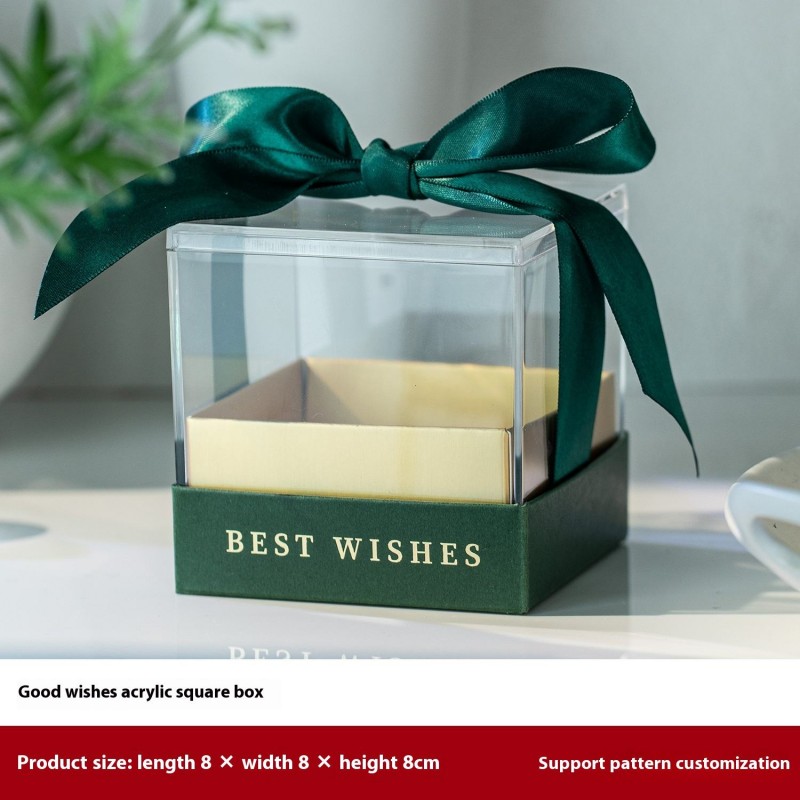
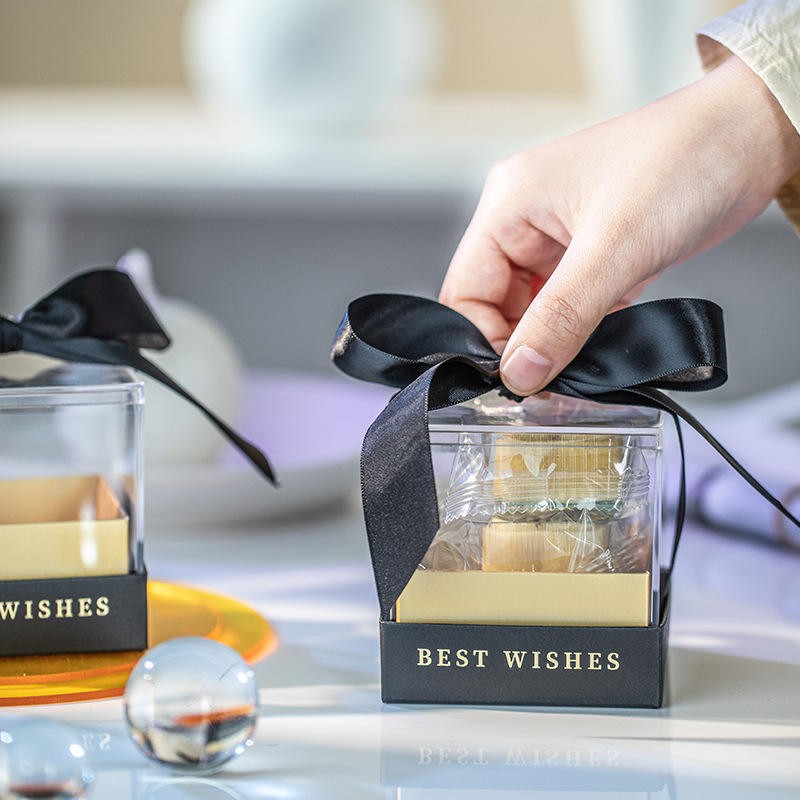
One of the biggest advantages of acrylic gift boxes is their visual appeal. Transparent walls let customers see the product inside without opening the lid, creating a premium presentation that works especially well for cosmetics, jewelry, watches, candles, and corporate gifts.
Unlike packaging designed for one-time use, a well-made acrylic box can serve a second purpose. A customer might use it to organize accessories on a dressing table, display a collectible, or store small office supplies. The original packaging becomes part of everyday life instead of immediately becoming waste.
Of course, actual reuse depends on the product's quality, construction, and how customers use it. A box that scratches easily, has fragile joints, or is difficult to clean may not stay useful for very long.
Design for More Than One Occasion
When developing reusable Custom Gift Boxes, manufacturers should consider the entire customer experience. Hinged lids, secure closures, smooth edges, and easy-to-clean surfaces can make a real difference. The box should open comfortably, protect its contents, and remain functional after repeated handling.
Brands can also choose modular inserts that can be removed or replaced. For example, a single acrylic box could hold a perfume bottle for one campaign and premium skincare products for another. This flexibility makes the packaging more useful and reduces the need to create an entirely new box for every product launch.
Reuse Needs a Practical Plan
A reusable design is only part of the story. Under the PPWR, packaging must be designed for multiple uses and meet applicable requirements for safety, reconditioning, and recyclability. Relevant reusable packaging systems may also need to meet specific organizational requirements.
For a luxury gift box intended to stay with the consumer, the business should first determine whether the packaging falls within the applicable regulatory definition and what obligations apply to its use. If a return-and-reuse system is necessary, the brand should plan how boxes will be collected, cleaned, inspected, and returned to circulation.
Why Acrylic Is Popular for Premium Packaging
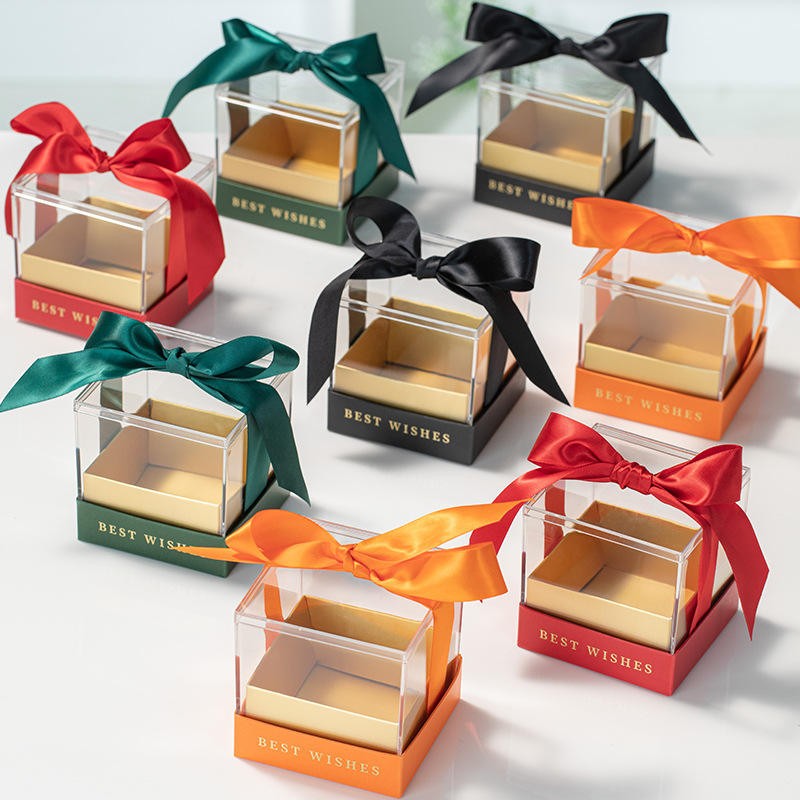
Acrylic is widely used in premium packaging because it combines a glass-like appearance with relatively low weight and versatile design options. It can be manufactured in different thicknesses, colors, and finishes, allowing brands to create packaging that matches their visual identity.
Clear acrylic works well for minimalist collections, while frosted or tinted versions can provide a more distinctive look. Custom printing, engraving, and carefully placed logos can add personality without making the design feel overcrowded.
For businesses purchasing packaging in bulk, material thickness and construction should be selected according to the product's weight, shipping conditions, and expected frequency of use. Choosing a box simply because it looks expensive is not enough. It also needs to perform well in real-world conditions.
Durability Is Important, but It Is Not the Whole Answer
Acrylic can be durable in everyday use, but it is not indestructible. It may scratch, crack under certain impacts, or become damaged if exposed to unsuitable cleaning products. These issues should be considered during product development.
For reusable Custom Gift Boxes, brands should test the lid, hinges, joints, and corners rather than focusing only on the appearance of the finished product. Cleaning instructions should also be clear, especially if the box will be handled by different users or returned for reuse.
Most importantly, durability should be evaluated alongside material recovery. A reusable box may reduce the need for repeated packaging purchases, but its environmental performance also depends on material production, transportation, cleaning, actual reuse frequency, and end-of-life management.
Start with the Relevant Compliance Criteria
Businesses selling packaging in the EU should review the PPWR requirements that apply to their specific products and packaging formats. These may include restrictions on substances, packaging minimization, recyclability, labeling, and reusable packaging criteria.
Under Article 11 of Regulation (EU) 2025/40, reusable packaging must be designed for repeated use, maintain its intended function, meet relevant health and safety requirements, and be capable of appropriate reconditioning. It must also satisfy the applicable recyclability requirements.
That means a reusable acrylic box should not be described as compliant simply because it can be opened and closed many times. The manufacturer or responsible business needs to assess the full packaging design against the applicable rules and retain the necessary supporting information.
Reduce Unnecessary Packaging Components
A premium gift does not always need several layers of packaging. Oversized outer boxes, excessive fillers, disposable sleeves, and unnecessary decorative components can increase material use without adding much practical value.
When designing Custom Gift Boxes, start with the product dimensions and work outward. The box should offer enough room for protection, presentation, and safe handling without excessive empty space. Inserts should fit securely, and decorative elements should have a clear purpose.
This approach can improve shipping efficiency while helping brands review packaging weight and volume. It may also reduce the amount of material customers need to manage after receiving a gift.
Prepare Documentation from the Beginning
Compliance documentation is much easier to organize before production begins. Brands should request information about material composition, component dimensions, manufacturing specifications, and relevant test results. They should also establish who is responsible for assessing the packaging and preparing the required documents.
Where applicable, the PPWR requires technical documentation and an EU declaration of conformity. For reusable packaging, businesses should pay particular attention to evidence supporting the claimed reuse performance and the applicable requirements.
A supplier's general statement that a product is “eco-friendly” or “PPWR-ready” is not a substitute for supporting evidence. Ask specific questions, keep written records, and have qualified compliance professionals review any uncertain requirements.
Make Sustainability Part of the Brand Experience
Customers often remember the details surrounding a gift as much as the product itself. The way a box feels, opens, and looks on display can influence their perception of the brand. Reusable acrylic packaging offers an opportunity to combine a premium appearance with a more considered approach to packaging waste.
For example, a beauty brand could use a transparent box for a limited-edition skincare set. After the products are used, customers could keep the box for cotton pads, brushes, or travel accessories. A jewelry business might choose a compact acrylic case that remains useful for storing necklaces and rings.
The strongest designs feel natural to keep. Instead of relying on sustainability claims alone, brands can create packaging that provides a clear reason for customers to reuse it.
Personalization Makes the Box More Memorable
Custom printing, laser engraving, color accents, and tailored inserts can help transform standard packaging into something distinctive. A company sending corporate gifts might include its logo and a short message, while a luxury retailer could use subtle branding to maintain a clean, elegant finish.
However, personalization should be balanced with long-term usability. A large campaign logo may look great during a product launch but make the box less appealing for everyday storage afterward. Smaller logos, removable branded cards, or replaceable inserts can help preserve the box's usefulness.
This is especially relevant for businesses ordering Custom Gift Boxes for seasonal promotions, employee gifts, product launches, and VIP customer packages. A design that remains attractive beyond the campaign may deliver more lasting brand exposure.
Measure Value Beyond the Initial Purchase
Reusable packaging often costs more upfront than simple disposable packaging. That does not automatically make it the more expensive option over time.
Businesses can compare the initial unit price, expected number of actual uses, cleaning costs, reverse logistics, damage rates, and replacement expenses. They can also consider whether reusable packaging improves customer retention or supports a premium product price.
A basic cost-per-use calculation is a helpful starting point: divide the total relevant packaging cost by the number of successful uses. The result will not capture every environmental or marketing benefit, but it gives purchasing teams a more useful basis for comparison than the initial price alone.
Ask Questions Before Placing a Bulk Order
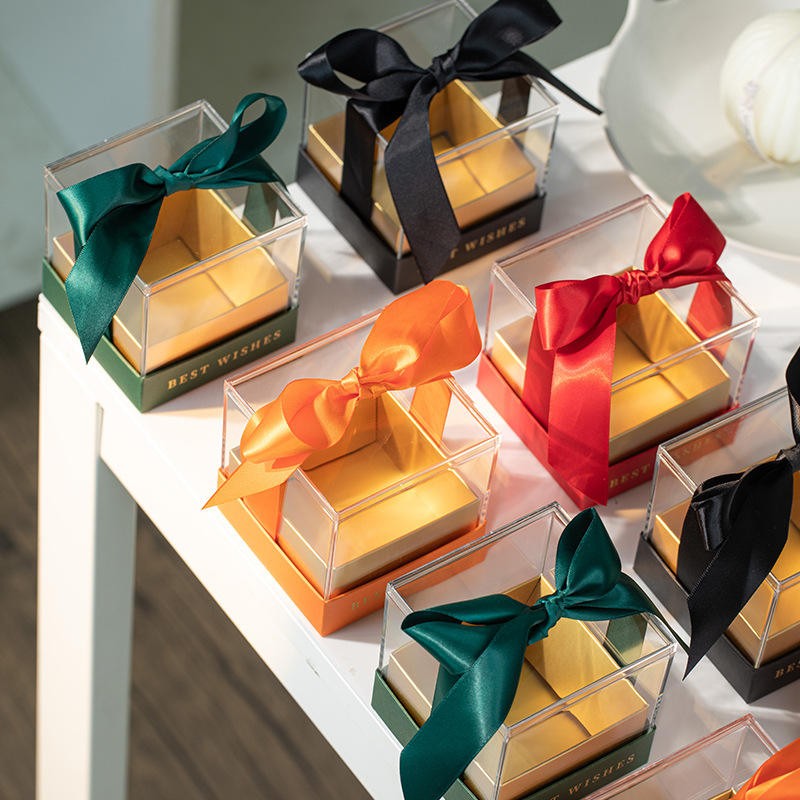
Choosing the right supplier is essential when packaging needs to look attractive, perform reliably, and support a compliance assessment. Before committing to a large order, ask about the acrylic grade, material thickness, manufacturing tolerances, available finishes, and quality-control procedures.
It is also worth requesting a physical sample. Photos cannot always show whether a lid fits properly, whether the corners are finished smoothly, or how easily the surface scratches during handling.
For larger projects, consider a pilot order before moving into full production. A small test run can reveal design issues, packaging damage during transport, and customer preferences before those problems become expensive to fix.
Test the Packaging Under Realistic Conditions
A useful testing plan should reflect how the box will actually be used. Check whether the closure stays secure, the structure remains stable, and the surface can be cleaned without visible damage. If the packaging will be shipped, evaluate how it performs with the proposed protective materials and transport conditions.
For a return-and-reuse model, testing should also include repeated opening and closing, cleaning, inspection, and reconditioning. The results can help establish realistic maintenance instructions and identify components that need improvement.
These practical checks are valuable even when the packaging is intended primarily for consumer reuse rather than a formal collection system. They help businesses understand whether their sustainability goals are supported by actual product performance.
Reusable acrylic gift boxes offer brands an appealing way to bring together premium presentation, practical storage, and a more thoughtful packaging strategy. Their clear finish and customizable design make them suitable for luxury gifts, cosmetics, jewelry, corporate presents, and other products where the unboxing experience matters.
Still, an attractive reusable box is not automatically PPWR-compliant or environmentally superior. Businesses need to consider durability, actual reuse, material composition, recyclability, documentation, and the applicable regulatory requirements. They should also evaluate the full life cycle rather than relying on appearance or sustainability claims alone.
By working with an experienced supplier, testing designs carefully, and planning for both reuse and end-of-life recovery, brands can make better-informed packaging decisions. The future of Custom Gift Boxes is not simply about making gifts look impressive. It is about creating packaging that offers lasting value to customers while supporting responsible business practices.
Reusable custom acrylic gift boxes are durable, transparent packaging solutions designed to present gifts and serve a practical purpose after the original purchase. They can be customized with logos, colors, engraving, and tailored inserts. Customers can reuse them to store jewelry, cosmetics, accessories, or other small items, making them a stylish alternative to single-use gift packaging.
Not automatically. Compliance with the EU Packaging and Packaging Waste Regulation (PPWR) depends on the packaging design, material composition, intended use, and applicable legal requirements. Although acrylic boxes can be designed for repeated use, businesses must assess relevant requirements for recyclability, packaging minimization, safety, and documentation before making compliance claims.
Yes, acrylic gift boxes can be reused for various storage and display purposes when they are well-designed and properly maintained. Recycling, however, depends on the specific acrylic material, local recycling infrastructure, and the presence of coatings, adhesives, or mixed-material components. Brands should confirm available recycling options and provide clear end-of-life guidance.
Businesses can improve their packaging strategy by choosing durable materials, minimizing unnecessary packaging components, optimizing box dimensions, and designing products that customers genuinely want to keep. They should also evaluate actual reuse rates, transportation, cleaning requirements, and end-of-life options. Working with a reliable supplier can help ensure that sustainability goals are supported by practical design choices and relevant documentation.
Look for a supplier that offers consistent product quality, flexible customization, clear material specifications, and reliable production timelines. Request samples to check the box's strength, finish, closure, and resistance to everyday wear. If your products will be sold in the EU, ask for relevant technical documentation and discuss how the packaging will be assessed against applicable PPWR requirements before placing a bulk order.
Post time: Oct-10-2026


