


Pralines are more than just small pieces of chocolate. They are carefully crafted treats that combine delicate shells, smooth fillings, rich flavors, and beautiful finishes. Whether they contain hazelnut cream, caramel, fruit ganache, or crunchy nuts, each praline deserves packaging that keeps it looking as good as it tastes. That's where well-designed Praline Boxes make a real difference.
For chocolate brands, confectionery manufacturers, and wholesale buyers, choosing the right packaging is not simply about appearance. It is also about preventing broken shells, reducing product movement, and making every unboxing experience feel special. A standard box may look attractive, but if the chocolates slide around during transportation, even premium products can arrive damaged. Custom cavities offer a practical solution by giving every praline its own secure space.
In this guide, we'll explore how custom inserts, accurate cavity dimensions, protective materials, and thoughtful box designs help businesses package pralines more effectively. If you're planning to launch a new chocolate collection or upgrade your existing packaging, these ideas can help you make a better purchasing decision.
Pralines often have thin chocolate shells that can crack under pressure. Unlike solid chocolate bars, filled pralines may contain soft centers, liquid caramel, or layered ingredients. This makes them more sensitive to handling, vibration, and sudden movement.
Protect Fragile Chocolate Shells
One of the biggest packaging challenges is keeping pralines from knocking against each other. When chocolates move freely inside a box, their shells can rub together or hit the packaging walls. Even a small impact may create visible cracks, especially on molded or decorated chocolate surfaces.
Custom cavities help prevent this problem by separating individual pieces. Each praline sits in its own compartment, reducing direct contact and unwanted movement.
Keep Every Piece in Its Original Position
Presentation matters in the premium chocolate market. Customers expect pralines to arrive neatly arranged, with every piece facing the right direction.
A well-designed insert keeps chocolates organized during shipping, storage, and retail display. This is particularly useful for assortments containing different shapes, colors, and fillings.
Create a Better Customer Experience
Imagine opening a beautiful chocolate gift box and finding every praline perfectly arranged. That first impression can make the product feel more valuable.
High-quality Praline Boxes combine practical protection with attractive presentation. For brands selling premium confectionery, this combination can help build customer confidence and encourage repeat purchases.
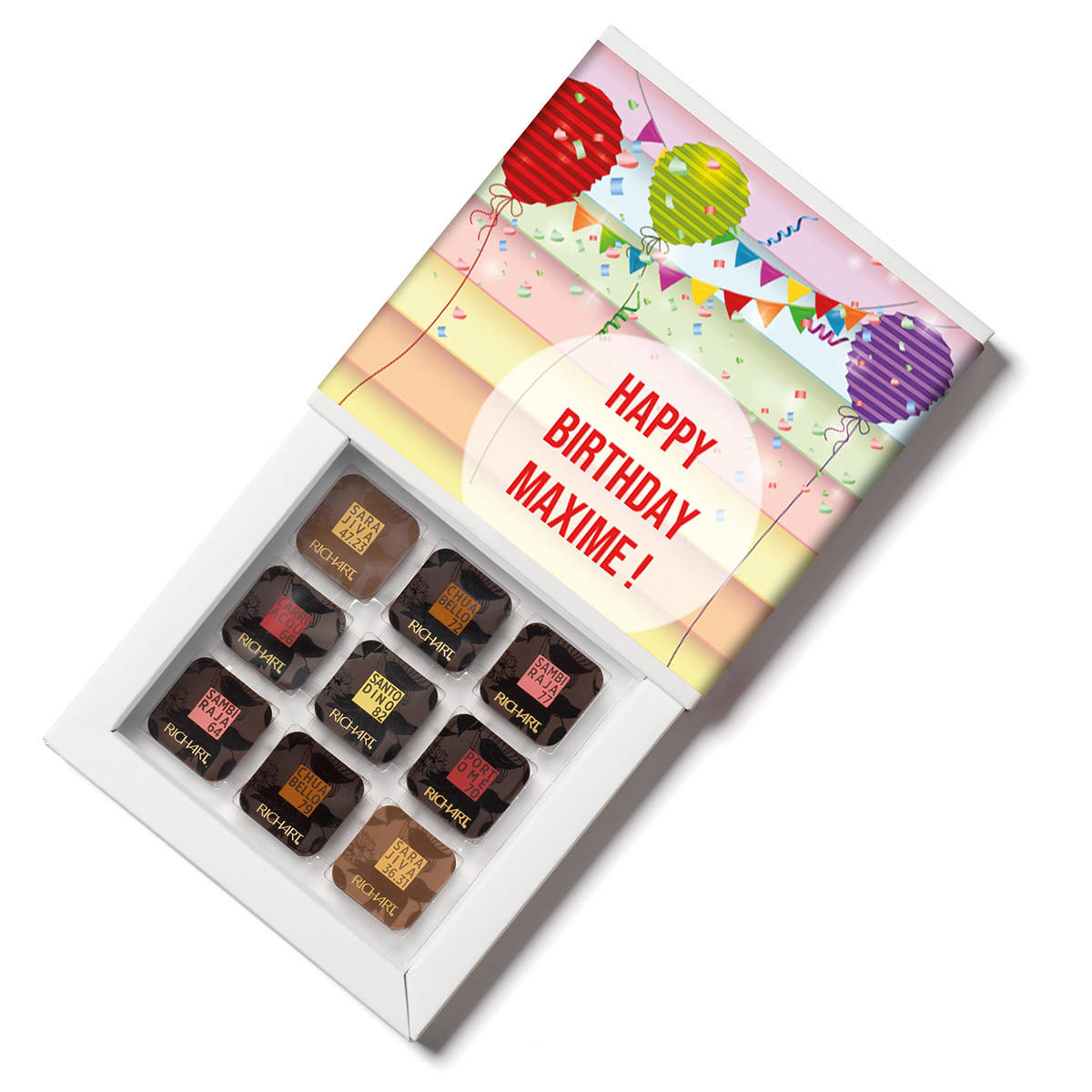
Custom cavities are one of the most important features of praline packaging. However, not all inserts provide the same level of protection. The cavity must match the actual dimensions and shape of each chocolate.
Measure Each Praline Before Production
Before designing an insert, manufacturers should measure the length, width, height, and overall shape of the pralines.
For example, round pralines need a different cavity design from square chocolates or heart-shaped pieces. A cavity that is too large allows movement, while one that is too tight may squeeze the chocolate and damage its surface.
It is also important to consider small differences between individual pieces. A little extra clearance can make loading easier without sacrificing stability.
Choose Between Individual and Mixed Cavities
Different chocolate collections require different insert layouts.
- Individual cavities: Each praline has a separate compartment.
- Mixed cavities: One insert accommodates several chocolate shapes.
- Multi-layer cavities: Multiple rows or levels create more storage capacity.
- Custom-shaped cavities: Special designs match unusual chocolate silhouettes.
For brands selling assorted pralines, mixed cavities can provide flexibility while keeping the collection visually organized.
Consider Cavity Depth and Edge Design
Depth is just as important as width. A cavity that is too shallow may allow the praline to move or tilt. One that is too deep can make chocolates difficult to remove.
Smooth edges also matter. Sharp corners or rough surfaces may scratch delicate chocolate coatings. Rounded cavity edges create a more comfortable fit and help customers lift individual pieces without damaging neighboring chocolates.
The best Praline Boxes are designed around the product rather than forcing the product into a standard insert.
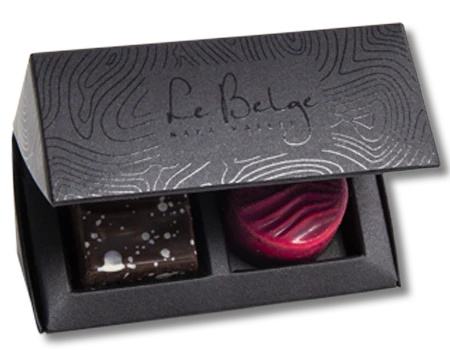
The material used for a chocolate box affects its strength, appearance, cost, and suitability for different distribution channels. Businesses should consider both the outer box and the inner insert when planning custom packaging.
Rigid Paperboard for Premium Gift Packaging
Rigid paperboard is a popular option for luxury chocolate packaging. It provides a solid structure and helps protect delicate products from external pressure.
Common styles include:
- Magnetic closure boxes
- Lift-off lid boxes
- Drawer-style chocolate boxes
- Hinged rigid gift boxes
These designs work especially well for seasonal gifts, corporate chocolate collections, and premium retail products.
Rigid packaging also provides a smooth surface for branding, embossing, foil stamping, and other decorative finishes.
Paper-Based Inserts for Organized Presentation
Paperboard inserts can be designed with separate compartments to hold pralines in place. They are suitable for brands looking for coordinated packaging with a paper-based appearance.
However, the insert must be engineered carefully. Its thickness, folding structure, and surface finish all affect how securely it holds the chocolates.
Food-Contact Suitable Trays
Some products may require molded pulp, PET, or other food-contact suitable trays. The correct choice depends on the chocolate formulation, storage conditions, and applicable food-contact regulations.
For products with oily or moisture-sensitive fillings, the packaging system should be evaluated for potential material interaction.
Balance Sustainability and Protection
Many chocolate brands are exploring recyclable and paper-based packaging alternatives. This is a positive direction, but sustainability should not come at the expense of product safety.
When choosing Praline Boxes, ask suppliers about material specifications, food-contact compliance, recyclability, and protective performance. The best solution is one that supports both your environmental goals and your product requirements.
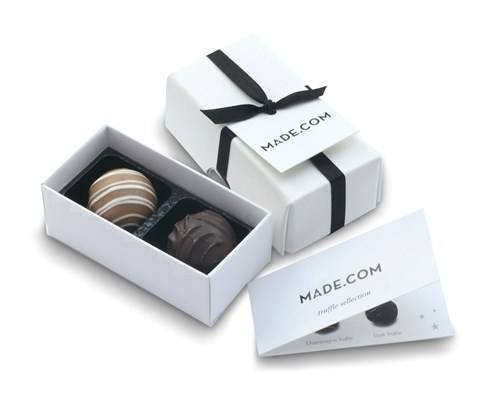
A beautiful chocolate box is only successful if the pralines reach customers in excellent condition. Shipping introduces several risks, including vibration, stacking pressure, sudden impacts, and temperature changes.
Good packaging design should address these problems before mass production begins.
Reduce Movement Inside the Box
The first step is to make sure each chocolate fits securely inside its cavity.
The insert should support the praline without squeezing its sides or pressing against decorative details. For chocolates with delicate toppings, such as nuts, edible decorations, or thin chocolate curls, additional clearance may be necessary.
A properly fitted insert can reduce the risk of direct contact between individual pieces.
Add Structural Support
The outer box also plays an important role. Even a perfectly designed tray cannot provide complete protection if the box itself bends under pressure.
Consider these structural features:
- Stronger paperboard for improved rigidity.
- Reinforced corners to resist deformation.
- Secure lids to prevent accidental opening.
- Properly fitted inserts to reduce internal movement.
- Protective shipping cartons for bulk transportation.
The complete packaging system should work together rather than relying on a single protective component.
Test Packaging Before Shipping
Testing is essential, especially for businesses selling chocolates internationally.
A practical testing process may include vibration testing, drop testing, compression testing, and trial shipments. These checks help identify weak points before large orders are dispatched.
Temperature testing is also worth considering. Chocolate can soften, bloom, or lose its original appearance when exposed to unsuitable conditions.
Remember, packaging cannot completely prevent temperature-related damage. Proper storage, insulated shipping solutions, and suitable logistics are equally important.
Choose the Right Box Size
Oversized packaging creates unnecessary empty space, while undersized boxes may place too much pressure on the chocolates.
Custom dimensions help reduce movement and make better use of shipping space. Well-planned Praline Boxes can therefore support both product protection and transportation efficiency.
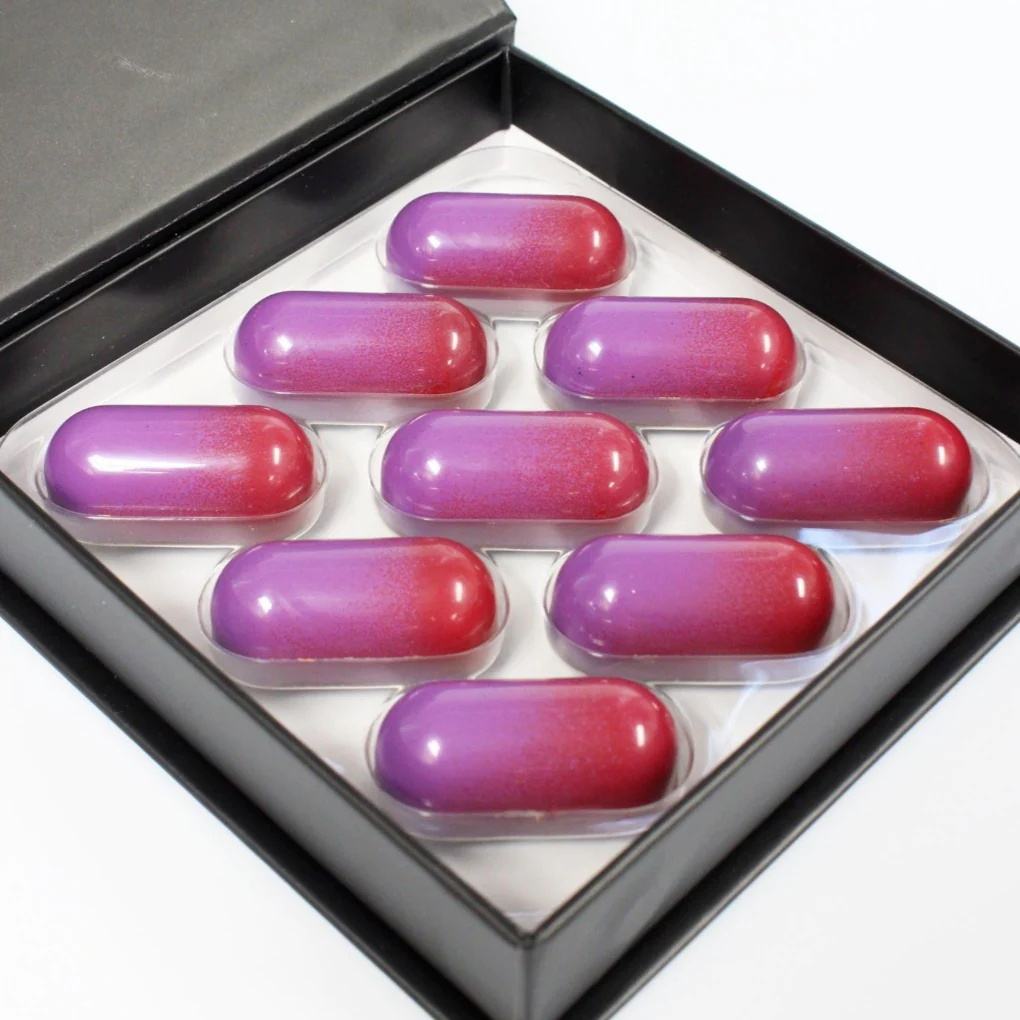
Protection is essential, but packaging also needs to communicate your brand identity. In a competitive chocolate market, the box is often the first thing customers notice.
Custom printing gives confectionery businesses more control over how their products are presented.
Use Colors That Match Your Chocolate Collection
Different color combinations can communicate different brand personalities.
For example:
- Gold and black create a luxurious appearance.
- Cream and brown suggest warmth and traditional chocolate craftsmanship.
- Pink and burgundy work well for romantic gift collections.
- Green and beige can support natural or botanical-inspired branding.
- White and silver create a clean, modern presentation.
Choose colors that complement your chocolate assortment instead of competing with it.
Add Premium Printing Finishes
Special printing techniques can make ordinary packaging look more distinctive.
Popular options include:
Hot foil stamping: Metallic details create an elegant effect, especially for logos and brand names.
Embossing and debossing: Raised or recessed elements add texture and visual depth.
Spot UV coating: Selected areas receive a glossy finish that contrasts with matte surfaces.
Matte lamination: Creates a smooth, understated appearance while adding a protective surface layer.
These techniques can be combined, but the design should remain balanced. Too many decorative elements may make the box look crowded.
Make the Inside as Attractive as the Outside
Customers often focus on the chocolates once they open the package. This makes the interior design just as important as the exterior.
A coordinated insert color, printed inner lid, or small brand message can make the unboxing experience more memorable.
For example, a short message such as "Crafted with Care, Enjoyed with Love" can add a personal touch to a premium chocolate collection.
Well-designed Praline Boxes should reflect the quality of the chocolates from the first glance to the final piece.
Pralines are delicate products that deserve packaging designed around their specific shapes, sizes, and storage requirements. Custom cavities help keep each chocolate in place, reduce unnecessary movement, and lower the risk of broken shells during transportation.
However, great packaging requires more than just a fitted insert. Material selection, structural strength, food-contact suitability, printing quality, and shipping tests all contribute to the final result.
For chocolate manufacturers, retailers, and wholesale buyers, investing in custom packaging can make a noticeable difference. Whether you're preparing a luxury gift collection, launching a new retail product, or expanding your confectionery business, choosing the right Praline Boxes helps every chocolate arrive looking as delicious as it should.
The goal is simple: protect every praline, present every piece beautifully, and give customers a reason to remember your brand.
Custom Praline Boxes protect delicate chocolate shells from cracking, scratching, and movement during storage and transportation. Individual cavities keep each praline securely in place while creating an attractive product presentation.
Common materials include rigid paperboard, folding carton, molded pulp, and food-contact suitable PET trays. The best choice depends on your packaging design, protection requirements, budget, and sustainability goals.
Yes! Custom Praline Boxes can feature individually designed cavities based on the size, shape, and height of your chocolates. Options include round, square, heart-shaped, and mixed-compartment inserts.
Custom inserts separate individual chocolates and reduce movement inside the box. Combined with strong outer packaging, reinforced corners, and suitable shipping cartons, they help minimize damage caused by vibration and external pressure.
Absolutely! You can customize box dimensions, colors, logos, and artwork. Popular finishing options include hot foil stamping, embossing, debossing, matte lamination, and spot UV to create premium chocolate packaging.
Post time: Nov-06-2026


