


A Better Choice for Modern Chocolate Brands
Chocolate packaging is no longer just about making products look attractive. Today, customers also care about where packaging materials come from, how long they last, and whether they can be recycled after use. That is why recycle-ready custom rigid chocolate paper boxes are becoming an appealing option for chocolate manufacturers, gift shops, and premium confectionery brands.
Rigid boxes have a solid structure that helps protect delicate chocolates while giving the product a high-quality appearance. Unlike ordinary folding cartons, they are made with a sturdy paperboard base that holds its shape during storage, shipping, and display. When designed with recyclable materials and suitable finishes, these boxes can offer a practical balance between protection, presentation, and sustainability.
What Makes Recycle-Ready Packaging Different?
Recycle-ready packaging is designed to make material recovery easier at the end of its useful life. For chocolate packaging, this usually means choosing paper-based components, reducing unnecessary plastic parts, and avoiding finishes that interfere with paper recycling where possible.
However, a paper box is not automatically recyclable simply because it contains paper. Coatings, laminations, adhesives, foil decorations, and other components can affect how easily the packaging is processed. Brands should therefore consider the complete packaging structure instead of focusing on the outer material alone.
Meeting Customer Expectations Without Losing Quality
Customers often associate premium packaging with product quality. A beautifully designed chocolate box can make a gift feel more thoughtful and help a brand stand out on a crowded shelf. The good news is that sustainability and visual appeal do not have to compete with each other.
With thoughtful material selection, custom rigid chocolate paper boxes can maintain an elegant appearance while supporting more responsible packaging decisions. The key is to start with the brand's sustainability goals and build the design around them.
Start with a Paper-Based Structure
The materials used in chocolate packaging have a direct impact on its strength, appearance, and end-of-life options. Recycled paperboard and responsibly sourced virgin paperboard are two common choices for paper-based packaging. Each offers different benefits depending on the product, manufacturing process, and required appearance.
Recycled paperboard may help reduce demand for virgin fiber, while responsibly sourced virgin fiber can provide consistent strength and a clean surface for premium printing. In some applications, a combination of materials may deliver the best overall result.
When selecting materials for custom rigid chocolate paper boxes, brands should consider board thickness, compression resistance, print quality, and compatibility with the intended recycling system.
Reduce Unnecessary Plastic Components
One simple way to improve packaging design is to review every component and ask whether it is really needed. Plastic windows, decorative inserts, magnetic closures, and laminated surfaces can complicate recycling when they cannot be easily separated from the paperboard.
Instead, brands can explore paper-based inserts, molded fiber supports, and alternative closure designs. These options may help keep more of the packaging within a compatible paper recycling stream, depending on local collection and processing requirements.
For chocolates that need extra protection, the insert still has an important job. It should hold each piece securely, prevent movement, and help maintain the product's appearance during transportation.
Check Material Compatibility Before Production
A packaging supplier can help evaluate whether different materials and finishes are suitable for the intended recycling route. It is worth discussing adhesives, coatings, inks, and decorative details before approving a final design.
Brands should also ask for supporting documentation when making environmental claims. Clear material specifications and appropriate testing provide a stronger basis for describing packaging as recycle-ready than relying on appearance alone.
Keep the Design Attractive and Practical
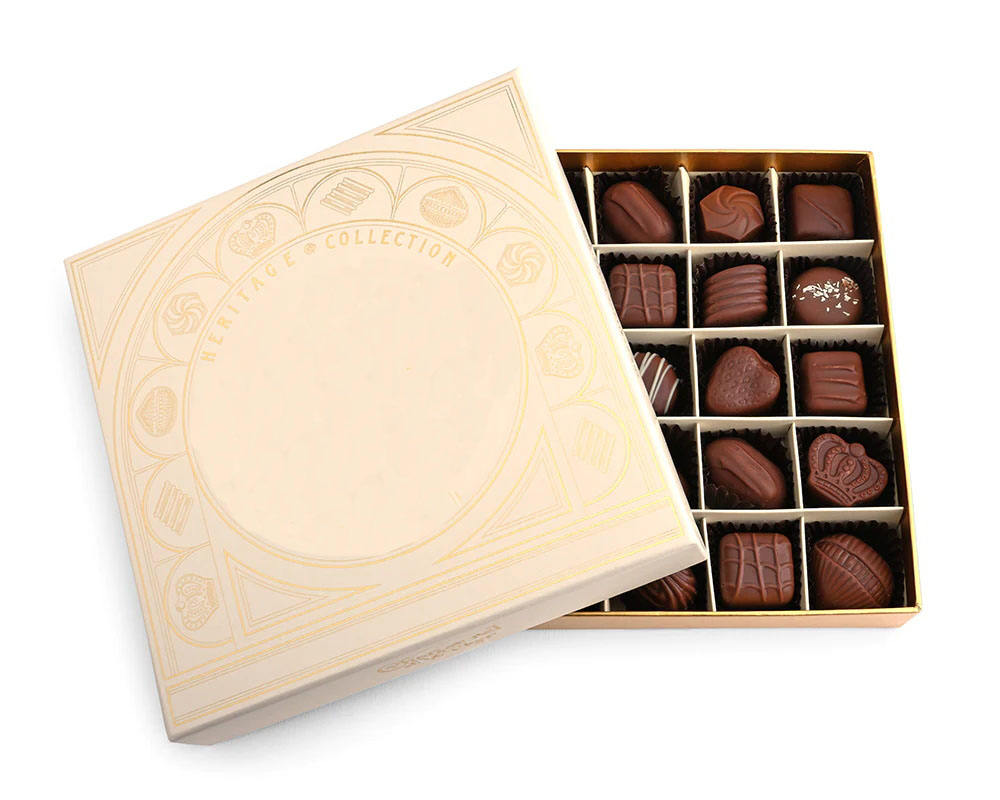
Luxury chocolate packaging often uses sophisticated colors, detailed graphics, and distinctive structural features. These design elements can create a memorable unboxing experience, but adding more decoration does not always make a box more effective.
A clean layout, well-chosen typography, and carefully balanced colors can communicate quality without requiring excessive materials. For example, a chocolate brand might use a natural paper texture, a simple logo, and a small metallic accent instead of covering the entire box with decorative film.
This approach can help custom rigid chocolate paper boxes look refined while keeping material choices easier to evaluate.
Choose Finishes That Support Your Goals
Finishing options such as embossing, debossing, spot varnish, and foil stamping can make packaging feel more distinctive. Still, their environmental and recycling implications vary according to the materials, coverage, and recycling facility.
If recyclability is a priority, ask your packaging manufacturer which finishes are compatible with the intended paper recycling process. A finish that works well on one board or in one recycling system may not perform the same way in another.
Using decorative effects selectively can also reduce unnecessary complexity. A subtle embossed logo, for instance, may deliver a premium feel without requiring a large area of additional material.
Design for the Right Box Size
Oversized packaging can use more board than necessary and leave products moving around inside the box. A well-fitted structure helps control material use, improve product presentation, and reduce wasted space during transportation.
The ideal dimensions depend on the number of chocolates, their shape, the insert design, and any protective requirements. A compact box should still leave enough room for secure placement and easy opening.
Before placing a large order, brands can request a structural sample. Testing the actual chocolates inside the proposed box is a simple way to identify problems before mass production begins.
Keep Chocolates Safe During Shipping
Chocolate is sensitive to temperature changes, moisture, impact, and handling. Packaging must therefore do more than look attractive. It needs to protect the product from the factory to the retailer and, ultimately, to the customer.
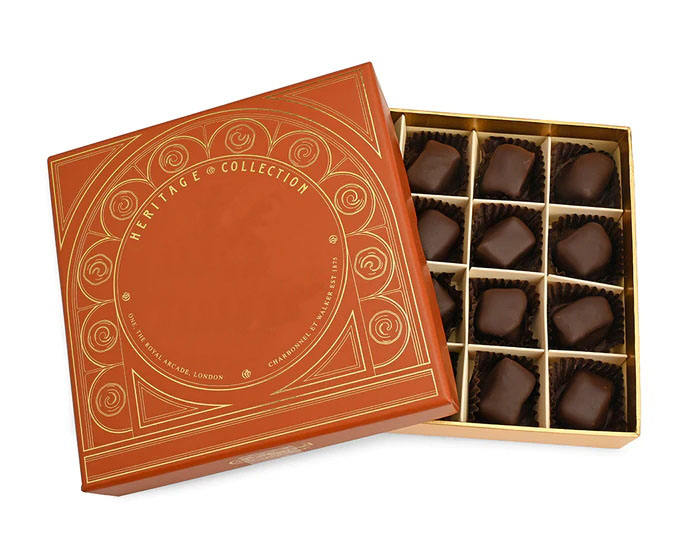
Rigid paperboard provides a strong outer structure that can help resist crushing and maintain the box's shape. Internal trays or dividers can keep individual chocolates separated, reducing movement that could damage decorative surfaces or delicate shapes.
However, rigid packaging alone cannot guarantee freshness or prevent melting. Brands should consider the complete packaging system, including food-contact materials, inner wrappers, transport conditions, and storage recommendations.
Consider Food Safety and Moisture Control
Chocolate packaging must be suitable for its intended food-contact application. Materials, inks, adhesives, and coatings should be evaluated against applicable regulations and supplier specifications, particularly when they may come into direct contact with food.
An inner liner or individual chocolate wrapper may be necessary to provide an appropriate barrier against moisture, odors, or contamination. The best solution depends on the recipe, shelf-life requirements, and distribution environment.
If a barrier coating is required, discuss its effect on recyclability with the packaging supplier. The aim is to find a practical balance between food protection and end-of-life performance rather than removing a necessary protective layer without testing.
Test Before Scaling Up
A small production run or sample evaluation can reveal issues that are difficult to spot in a digital design. Brands should check lid fit, closure strength, insert stability, and resistance to normal handling.
For products shipped over long distances, transport testing may also be useful. Evaluating the box under realistic distribution conditions helps confirm whether the structure can protect the chocolates without relying on excessive packaging.
Make Packaging Part of the Brand Story
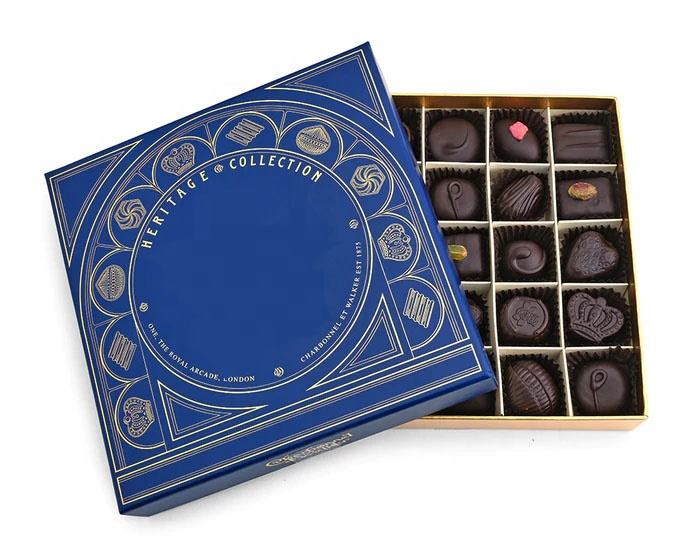
Packaging is often the first physical interaction customers have with a chocolate brand. Its color, texture, shape, and opening experience can influence how people perceive the product before they even taste it.
Custom rigid chocolate paper boxes offer plenty of room for brand storytelling. A boutique chocolatier might choose understated artwork and earthy colors, while a holiday gift collection might use seasonal graphics and a more elaborate opening design.
The important thing is consistency. Packaging should reflect the brand's personality while remaining practical to manufacture, transport, display, and recycle where appropriate.
Use Clear and Responsible Sustainability Messages
Customers appreciate straightforward information about packaging materials. Instead of making broad claims such as "100% eco-friendly," brands should explain specific, verifiable features.
For example, a company could describe a box as being made primarily from paperboard, identify the recycled content when documented, or provide disposal instructions based on the relevant local recycling system.
Terms such as "recyclable," "recycled," and "recycle-ready" do not mean exactly the same thing. Their use should reflect the packaging's actual composition, available recycling infrastructure, and applicable advertising or environmental-claims rules.
Honest communication helps customers understand what to do with the box after opening it. It also gives brands a more credible foundation for their sustainability messaging.
Match Customization to Your Budget
Customization can include box dimensions, paper texture, printing, inserts, ribbons, and closures. Each additional feature can affect unit cost, production time, and material compatibility.
Brands launching a new product may benefit from focusing on a few high-impact elements first. A distinctive box shape, a well-designed logo, and a quality paper surface can create a premium impression without requiring every available finishing option.
Requesting several samples or comparing alternative specifications can help businesses identify the right balance between appearance, durability, and budget.
Look Beyond the Quoted Price
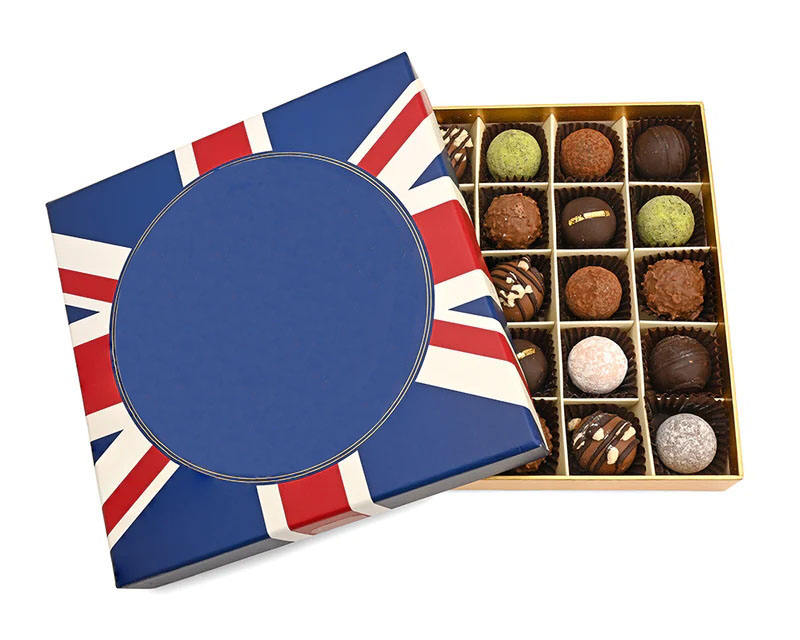
Choosing a packaging manufacturer involves more than comparing prices per unit. Material quality, production consistency, printing accuracy, lead times, and communication all influence the final result.
A reliable supplier should be able to explain the available board grades, discuss recyclable design options, and provide clear information about the materials used in production. They should also be willing to review structural requirements and suggest practical improvements when needed.
For custom rigid chocolate paper boxes, it is useful to work with a manufacturer that understands both premium gift packaging and the special handling needs of confectionery products.
Ask the Right Questions Before Ordering
Before confirming an order, ask the supplier about minimum order quantities, sample costs, production timelines, shipping arrangements, and available customization options. These details help avoid surprises once the project moves into production.
You should also ask whether the packaging has been evaluated for the recycling claims you plan to make. Relevant information may include material composition, recycled-content documentation, testing results, and guidance on local recycling compatibility.
If your chocolates require specific food-contact protection, make sure the proposed packaging materials are appropriate for that purpose. Do not assume that every decorative paperboard box is suitable for direct contact with food.
Plan for Long-Term Improvements
Packaging development does not have to stop after the first order. Customer feedback, production experience, and changing recycling requirements can all provide opportunities to improve the design.
A business might begin by removing an unnecessary plastic window, then explore a paper-based insert for its next production run. Another brand may discover that simplifying the finish makes recycling easier while also reducing manufacturing complexity.
Small, measurable improvements can add up over time. By working closely with a supplier and reviewing the complete packaging system regularly, brands can keep their packaging attractive, functional, and aligned with their sustainability objectives.
Recycle-ready custom rigid chocolate paper boxes offer chocolate brands an opportunity to combine premium presentation with more thoughtful material choices. Their sturdy construction helps protect products and creates an appealing gift experience, while careful design can reduce unnecessary components and support better end-of-life options.
The most effective approach starts with the basics: select suitable paperboard, review every packaging component, choose finishes carefully, and make sure the chocolates remain protected throughout storage and delivery. Just as importantly, verify recyclability claims and provide customers with clear disposal guidance that reflects local recycling conditions.
There is no single packaging design that works for every chocolate product. The right choice depends on product protection, brand identity, manufacturing costs, and available recycling infrastructure. By considering these factors together, businesses can create custom chocolate packaging that looks professional, performs reliably, and supports credible sustainability goals.
Ultimately, better packaging is not about adding an environmental message to a box. It is about making thoughtful decisions throughout the design and production process. With the right materials, a practical structure, and a reliable manufacturing partner, chocolate brands can deliver a memorable unboxing experience while taking meaningful steps toward more recyclable packaging.
Yes, custom rigid chocolate paper boxes can be recyclable when they are made with compatible paperboard materials and suitable finishes. However, coatings, foil decorations, plastic inserts, and magnetic closures may affect recyclability. It is best to check the complete packaging structure and local recycling requirements before making a recycling claim
Eco-friendly chocolate paper boxes can be made from recycled paperboard, responsibly sourced paperboard, and other paper-based materials. Brands can also consider paper-based inserts and recycling-compatible inks or finishes. The best material combination depends on the required strength, product protection, visual design, and recycling goals.
Yes, rigid chocolate paper boxes provide a sturdy outer structure that helps protect chocolates from crushing and everyday handling. Custom inserts and dividers can keep individual chocolates in place and reduce movement during transportation. For additional protection against moisture, odors, and temperature changes, suitable inner packaging and proper shipping conditions may also be necessary.
Absolutely! Custom chocolate paper boxes can be tailored to different chocolate sizes, quantities, and branding requirements. Options may include custom dimensions, logo printing, embossed details, specialty paper textures, and different insert designs. To support recyclability, consider using decorative finishes selectively and choosing materials that suit your packaging goals.
Look for a manufacturer that offers reliable material options, consistent production quality, flexible customization, and clear communication. Ask about minimum order quantities, sample availability, production lead times, and material specifications. If recyclability is important to your brand, request supporting documentation and confirm whether the finished packaging is compatible with the recycling systems in your target market.
Post time: Oct-23-2026


