


Changing Consumer Expectations
Today's shoppers want more than attractive products. They also want to support brands that take environmental responsibility seriously. Many customers prefer stores that offer recyclable, reusable, or responsibly sourced packaging. A well-designed paper bag can help retailers meet these expectations without making shopping less convenient.
Moving Beyond Single-Use Packaging
Traditional disposable shopping bags often have a short lifespan. Customers use them once and throw them away, creating unnecessary waste. Reusable paper bags offer a different approach. When manufacturers use suitable paper materials, reinforced handles, and durable construction, these bags can be carried multiple times before recycling.
Sustainability as a Business Opportunity
Eco-conscious packaging can also help businesses stand out in competitive markets. Retailers can communicate their environmental values through packaging that customers actually use. Instead of treating shopping bags as an extra expense, businesses can turn them into a practical part of their brand identity.
Sustainable retail involves more than choosing environmentally friendly products. It also means considering the entire customer experience, including packaging, transportation, material sourcing, and waste management. Reusable paper bags can contribute to this process when they are designed and produced responsibly.
Choosing Responsible Paper Materials
The material used in a shopping bag plays an important role in its environmental performance. Recycled paper is one option because it gives previously used fibers another purpose. FSC-certified paper is another consideration for businesses that want to support responsible forest management.
However, not every paper bag automatically has a low environmental impact. Retailers should consider the paper source, production methods, printing process, and end-of-life disposal when selecting a packaging supplier.
Reducing Dependence on Disposable Bags
One major advantage of reusable packaging is its potential to reduce demand for single-use alternatives. A strong paper shopping bag can serve customers during several shopping trips, especially when it has a suitable size and sturdy construction.
For retailers, encouraging customers to reuse their bags can become part of a wider waste-reduction strategy. Small changes across thousands of shopping transactions may create meaningful improvements over time.
Supporting a Circular Packaging Approach
A circular approach focuses on keeping materials in use for as long as possible. Reusable paper bags fit naturally into this concept when customers reuse them and eventually send them to appropriate paper recycling facilities.
Retailers can support this process by providing clear recycling information and avoiding unnecessary mixed materials that make recycling more complicated.
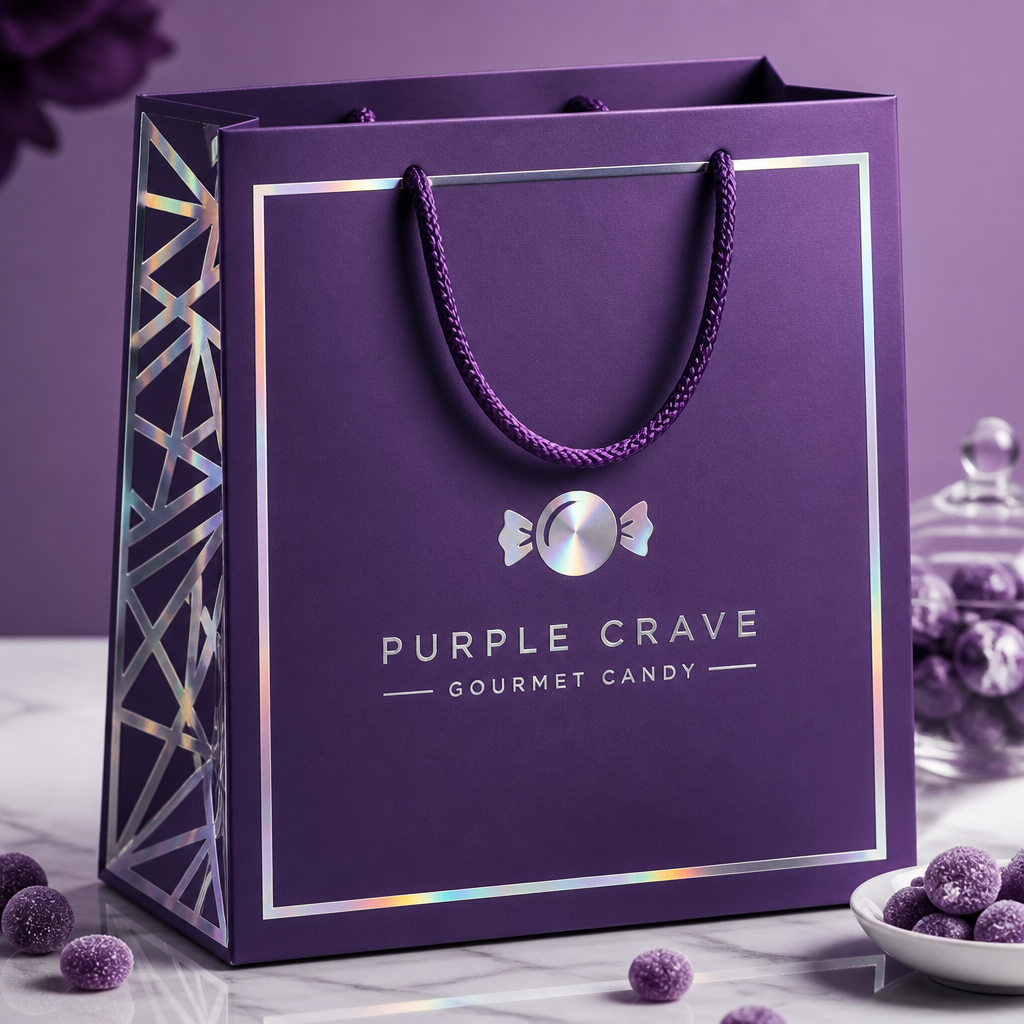
A reusable bag needs to do more than look attractive. If it tears after one shopping trip, customers are unlikely to use it again. Good design balances appearance, strength, convenience, and material efficiency.
Strong Paper and Suitable Thickness
Paper weight is an important factor when selecting shopping bags. Lightweight paper may work well for small purchases, while heavier products often require stronger paper with better resistance to tearing.
Kraft paper is a popular option because of its natural appearance and practical performance. Depending on the intended application, retailers can choose different paper grades and thicknesses to match their product requirements.
Reinforced Handles and Bottom Construction
Handles are often the first area to experience stress. Twisted paper handles, flat paper handles, and reinforced handle attachments can improve carrying comfort and reliability.
The bottom construction also matters. A reinforced base helps distribute product weight more evenly and reduces the risk of the bag opening during transportation. For premium retail applications, additional structural support can make a noticeable difference.
Practical Sizes and Functional Details
A reusable bag should match the products customers are purchasing. Clothing stores may need wide bags, while bakeries and gift shops may prefer compact designs with a stronger base.
Other useful features include:
- Wide openings for easier product placement.
- Foldable structures for convenient storage.
- Reinforced side gussets for extra capacity.
- Comfortable handles for everyday carrying.
- Appropriate coatings when additional moisture resistance is required.
The goal is simple: create a bag customers find useful enough to keep and reuse.
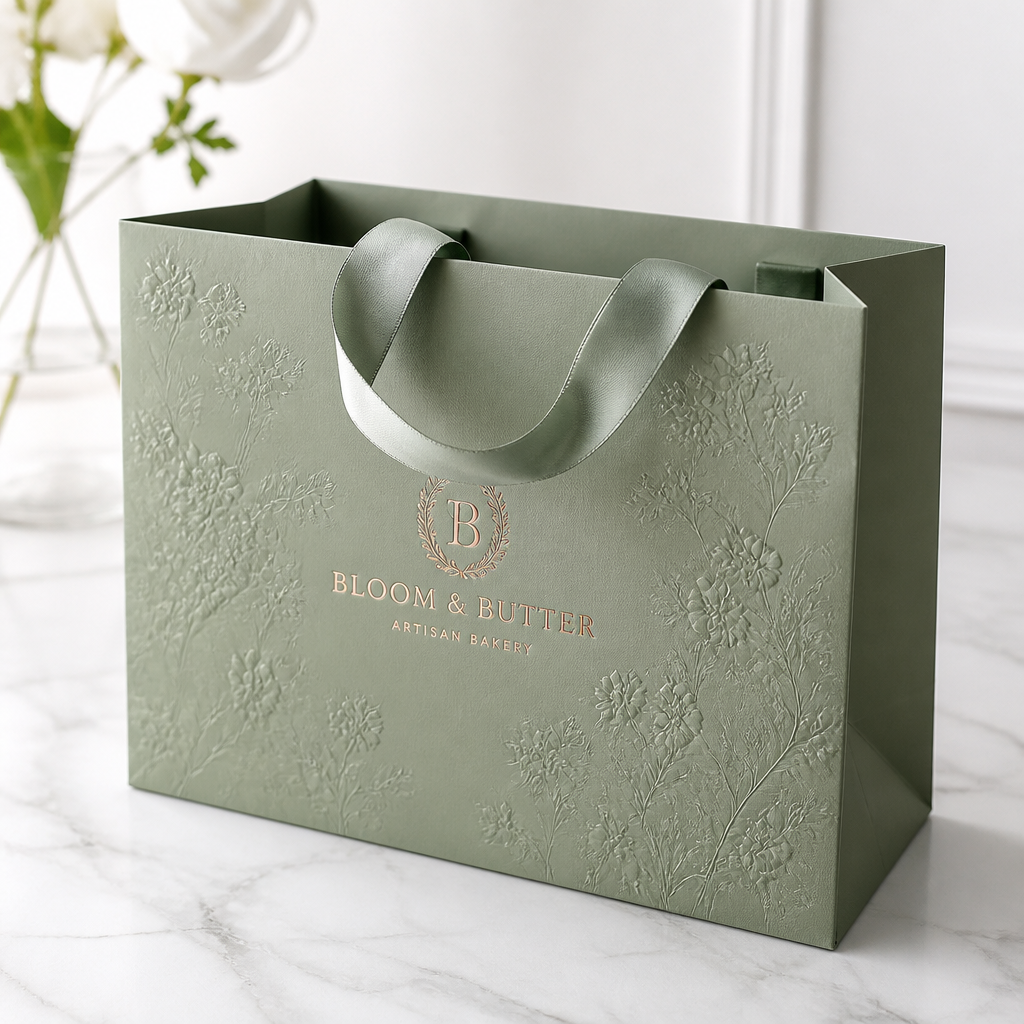
Packaging is often one of the first physical interactions customers have with a retail brand. A shopping bag does not disappear when a customer leaves the store. It can travel through shopping centers, offices, streets, and even other people's homes. This makes custom paper bags a valuable branding opportunity.
Turning Shopping Bags into Mobile Advertising
A custom-printed paper bag can display a company logo, brand colors, slogan, or website. Every time someone carries it, the design creates another opportunity for brand exposure.
Unlike many traditional advertisements, packaging connects brand visibility with a real customer experience. People see the bag while the customer is using it, which can make the brand feel more familiar and recognizable.
Creating a Consistent Visual Identity
Color selection, typography, logo placement, and printing quality all influence how customers perceive a business. A minimalist kraft bag may communicate a natural and relaxed personality, while a premium bag with elegant printing can create a more sophisticated impression.
Retailers should keep their packaging consistent with their storefront, product presentation, and other marketing materials. A unified appearance helps customers recognize the brand across different channels.
Personalization for Different Retail Industries
Different businesses have different packaging needs. Fashion retailers may prefer large paper bags with stylish finishes, while bakeries need practical bags that suit takeaway purchases.
Gift shops, bookstores, cosmetics stores, and specialty food retailers can also benefit from customized designs. Adding seasonal artwork or limited-edition graphics gives customers another reason to keep the bags.
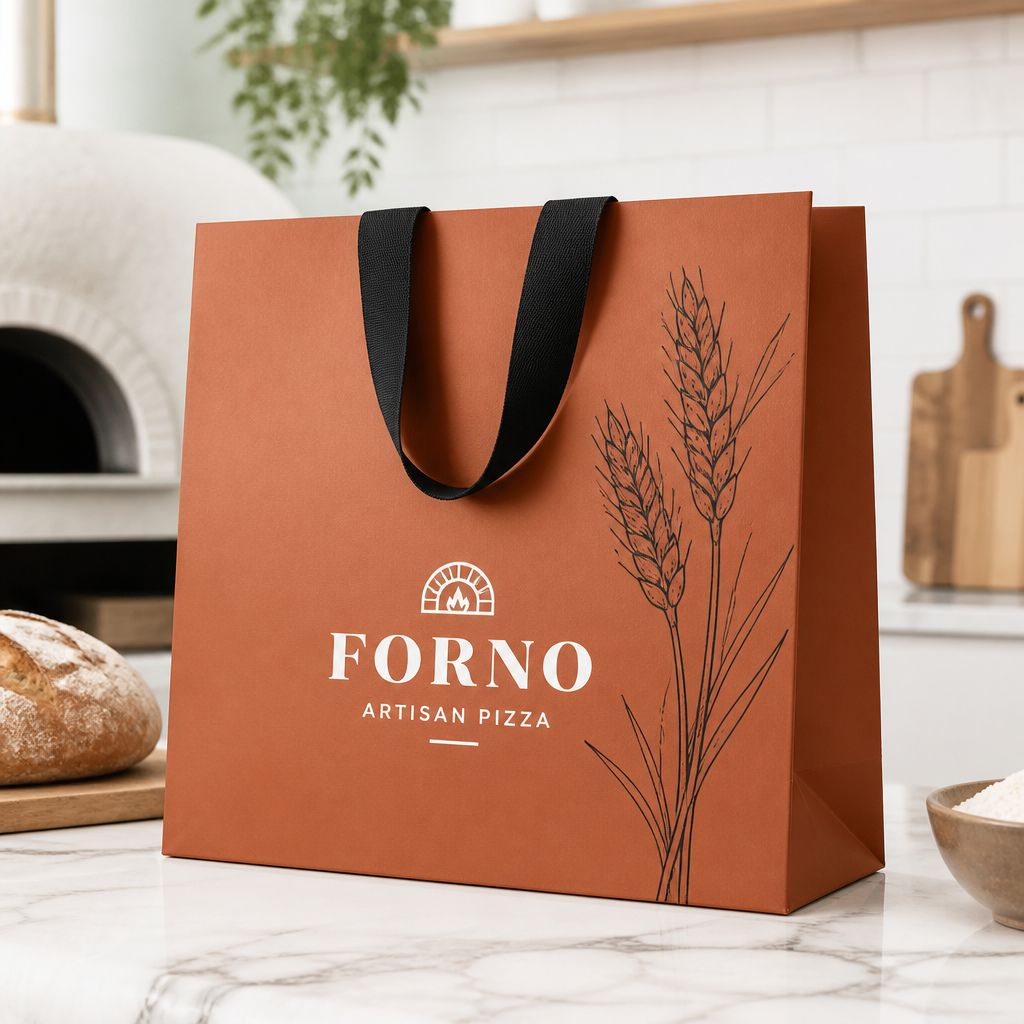
Selecting packaging should involve more than comparing prices. A bag that looks inexpensive at first may create higher costs if it frequently breaks, requires replacement, or fails to protect products.
Match Bag Specifications to Product Weight
Start by identifying what customers will carry. Consider the average product weight, dimensions, shape, and whether multiple items will be placed inside one bag.
For heavier purchases, retailers should discuss paper strength, handle attachment, and bottom reinforcement with their suppliers. Requesting samples and testing them under realistic conditions is a practical way to avoid problems after mass production.
Evaluate Printing and Finishing Options
Printing can make a basic paper bag look distinctive. Common options include offset printing, flexographic printing, and digital printing, depending on the design, order quantity, and production requirements.
Retailers can also consider finishing techniques such as embossing, debossing, or foil stamping for premium packaging. However, additional finishes should be selected carefully. Too many materials or coatings may make recycling more difficult.
Work with a Reliable Packaging Manufacturer
A professional packaging manufacturer can help businesses select appropriate materials, bag dimensions, handle styles, and printing methods.
Before placing an order, ask about:
- Available paper materials and certifications.
- Minimum order quantities.
- Custom printing capabilities.
- Sample production and quality inspection.
- Production lead times and shipping arrangements.
- Packaging performance and recycling considerations.
Clear communication at the beginning can prevent costly mistakes and make repeat orders easier to manage.
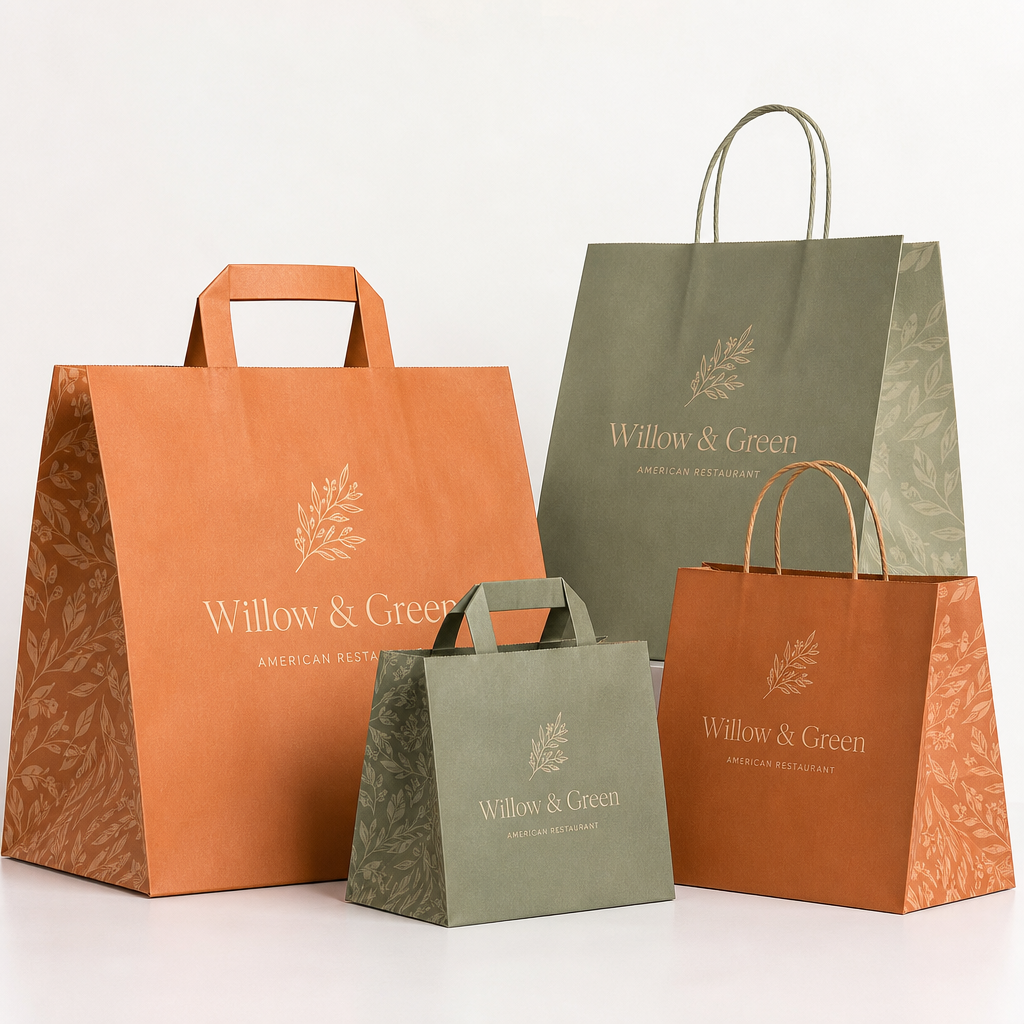
Even the strongest and most attractive paper bag cannot deliver its full potential if customers treat it as disposable packaging. Retailers should make reuse part of the shopping experience and communicate the benefits in a simple, honest way.
Encourage Customers to Reuse Their Bags
A short message printed on the bag can remind customers to use it again. For example, phrases such as "Reuse Me" or "Carry It Again" are easy to understand and do not require lengthy explanations.
Retailers can also introduce small incentives, such as discounts for customers who bring their own reusable shopping bags. These programs encourage repeat participation while helping businesses reduce the need for new packaging.
Use Packaging to Share Brand Values
A QR code on a paper bag can direct customers to a webpage explaining the company's packaging choices, recycling guidance, or sustainability initiatives.
This creates an opportunity to educate customers without overcrowding the bag design. However, all environmental claims should be accurate and supported by real information. Avoid vague promises that suggest every paper bag is completely environmentally harmless.
Connect Sustainable Packaging with Customer Loyalty
Customers often remember brands that make their shopping experience convenient and enjoyable. A practical, attractive shopping bag can become part of their daily routine, giving the brand repeated exposure.
Retailers can also use different bag designs for seasonal campaigns, product launches, or special events. This keeps packaging interesting while maintaining a recognizable brand identity.
The shift toward sustainable retail is changing the way businesses think about everyday packaging. Reusable paper bags offer a practical opportunity to combine functionality, brand promotion, and more responsible material choices.
From selecting recycled or responsibly sourced paper to improving handle strength and creating attractive custom printing, every design decision can influence the overall performance of a shopping bag.
For retailers, the best approach is to focus on durability, practical design, responsible sourcing, and honest environmental communication. A reusable bag should be convenient enough for customers to carry again and strong enough to handle everyday shopping needs.
As consumer expectations continue to evolve, businesses that invest in thoughtful packaging will be better positioned to build customer trust and create a recognizable retail identity. Reusable paper bags are more than simple shopping containers. When designed and used properly, they can become a valuable part of a brand's long-term sustainability strategy.
Reusable Paper Bags are durable shopping bags made from paper materials such as kraft paper or recycled paper. They are designed with strong handles and reinforced bottoms, allowing customers to use them multiple times before recycling.
Yes, Reusable Paper Bags can be an eco-conscious packaging option when made from responsibly sourced or recycled materials. Their environmental benefits depend on material sourcing, production methods, reuse frequency, and proper recycling.
Businesses can improve paper bag durability by choosing thicker paper, reinforced bottoms, strong handles, and suitable bag structures. Selecting the right specifications according to product weight also helps prevent tearing.
Absolutely! Retailers can customize paper bags with brand logos, colors, slogans, and unique artwork. Options such as embossing, foil stamping, and custom printing help create attractive packaging while increasing brand recognition.
Retailers can print reuse messages on bags, offer discounts for returning with reusable bags, and share recycling information through QR codes. Attractive designs and durable construction also encourage customers to keep using their bags.
Post time: Nov-19-2026


