


More Than Just Attractive Packaging
A well-designed chocolate box catches the eye, but its real value goes beyond appearance. Colors, textures, logos, and printed messages all help create a strong first impression. Adding a QR code or another two-dimensional code gives customers an easy way to discover more about the product. They can scan the code with a smartphone and access a landing page, a thank-you message, a product story, or even a special promotion.
Connecting Physical Gifts With Digital Experiences
Think about receiving a beautifully packaged box of chocolates from a business partner. After opening the box, you notice a small QR code printed near the inside lid. One quick scan takes you to a personalized greeting from the company. That simple interaction makes the gift feel more thoughtful and personal. For businesses, it also creates another opportunity to communicate with customers without overcrowding the packaging with printed information.
Why Brands Are Paying Attention
Modern consumers appreciate convenience and engaging experiences. Scan-ready packaging helps brands deliver both while keeping the overall design clean and professional. Whether the target audience includes chocolate lovers, corporate clients, or retail shoppers, Custom Chocolate Gift Boxes can combine traditional gifting with digital communication in a practical and appealing way.
The success of scan-ready packaging depends on more than simply printing a code on a box. The code needs to be easy to find, comfortable to scan, and visually consistent with the packaging design. Good placement helps customers interact with the digital feature naturally instead of making it feel like an afterthought.
Choosing the Right Position for a QR Code
The best position depends on the box structure and how customers open it. For example, a code on the outside lid may work well for retail displays because shoppers can scan it before purchasing. A code inside the lid is often a better choice for gifts that focus on personal messages or post-purchase engagement. Side panels can also work, especially when the front of the box needs to maintain a minimal, premium appearance.
Before finalizing the layout, consider the box dimensions, printing area, and customer experience. A code that is too small, too close to an edge, or placed across a fold may be difficult to scan.
Balancing Branding and Functionality
A QR code does not have to make packaging look technical. Designers can integrate it into a clean layout using suitable spacing, contrasting colors, and a short call to action such as “Scan for a Sweet Surprise” or “Discover Our Chocolate Story.” The surrounding design should guide attention toward the code without competing with the brand logo or product photography.
However, the code itself must remain readable. Excessive decoration, insufficient contrast, or overly complex custom patterns can affect scanning performance. Always test the final printed version rather than relying only on a digital design preview.
Selecting Materials That Support Reliable Scanning
Chocolate gift boxes may use coated paperboard, textured paper, foil stamping, or specialty finishes. Each material creates different visual and practical considerations. Highly reflective surfaces can introduce glare, while heavy textures may interfere with the clarity of small printed details.
For reliable results, keep the code area relatively flat and avoid placing it over embossed elements or reflective foil. A sample print on the intended material is a simple way to identify potential problems before mass production.
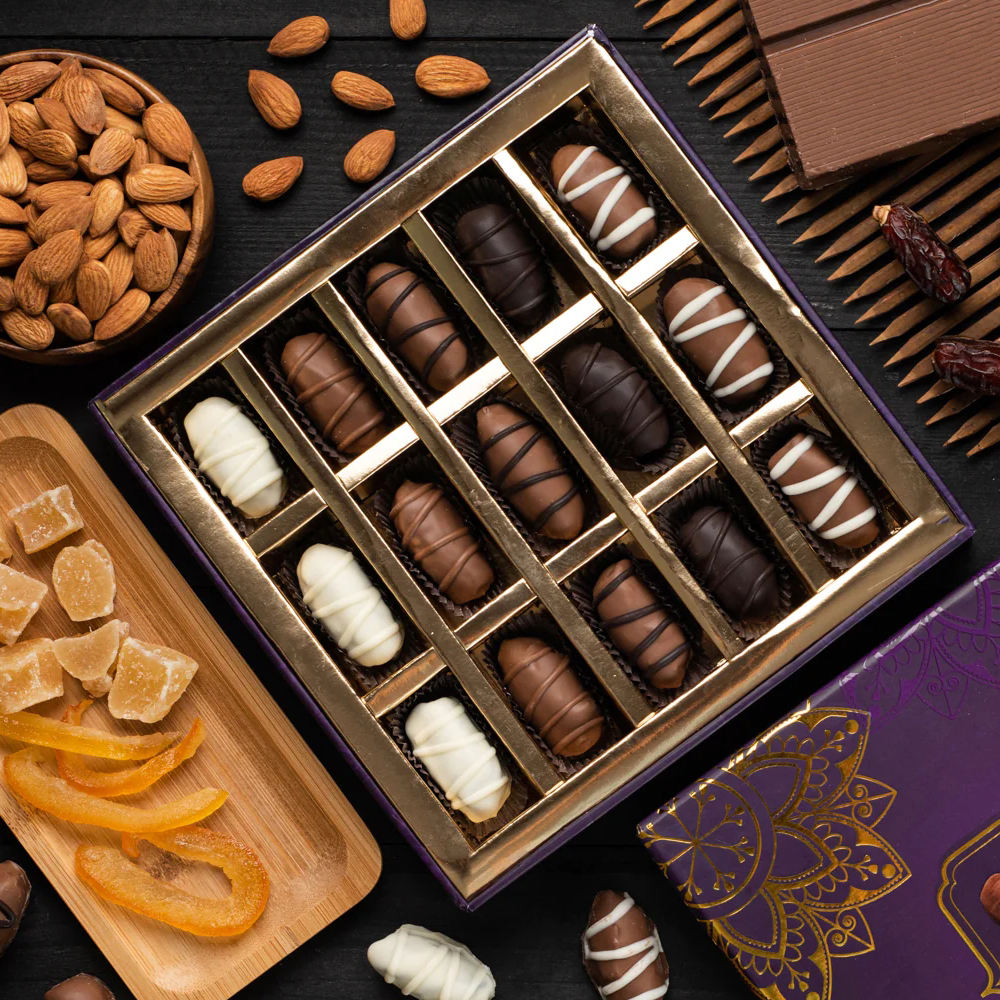
A scan-ready chocolate box can do much more than display a website address. It can provide helpful product details, support promotional campaigns, and create a more personal experience for the recipient. The key is to give customers a clear reason to scan the code.
Sharing Product Information With a Quick Scan
Chocolate buyers may want to learn about ingredients, allergens, cocoa origins, storage recommendations, or the story behind a particular collection. Instead of fitting all this information onto a small package, brands can direct customers to a mobile-friendly product page.
This approach can make the packaging easier to read while providing more detailed information online. For food products, businesses should still include all legally required information on the package itself. A digital page should supplement mandatory labeling, not replace it.
Creating Personalized Gifting Experiences
Personalization is one of the strongest advantages of custom chocolate packaging. A QR code can lead to a digital greeting, a short video, a company message, or a page where recipients explore the inspiration behind the gift. For weddings and private celebrations, it might introduce the couple's story. For corporate gifting, it could explain the company's appreciation for its customers or employees.
These small details help Custom Chocolate Gift Boxes feel more meaningful. Instead of receiving a standard promotional item, customers experience a gift with a story and a clear purpose.
Supporting Promotions and Customer Engagement
Brands can also use 2D codes to introduce seasonal offers, loyalty programs, product launches, or limited-edition collections. For instance, a chocolate company might invite customers to scan a box to discover a new flavor or enter an eligible promotional campaign.
The landing page should load quickly and work smoothly on mobile devices. Keep the message focused, explain the next step clearly, and avoid requesting unnecessary personal information. A useful digital experience is more likely to leave a positive impression than a page filled with unrelated advertisements.
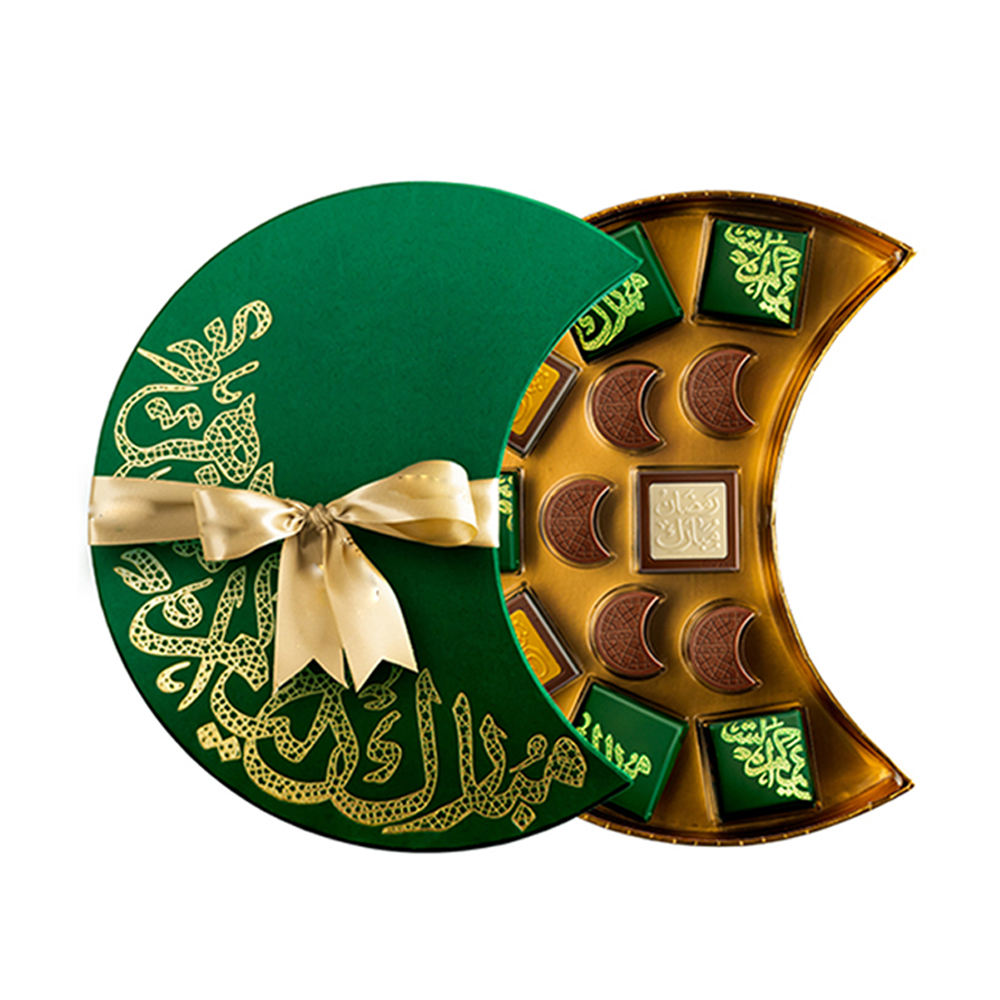
Not every chocolate gift serves the same purpose. A premium holiday gift for a business partner may require a different design from a promotional box distributed at a trade show. Understanding the audience and occasion makes it easier to choose the right structure, material, and digital features.
Premium Corporate Chocolate Gifts
Corporate gifts often represent a company's reputation. Rigid boxes, magnetic closures, carefully arranged chocolates, and refined printing can create a professional appearance. A discreet 2D code can direct recipients to a personalized thank-you page, a brand introduction, or information about the chocolate selection.
For these projects, simplicity usually works best. The logo and main message should remain prominent, while the code serves as a supporting feature. This balance allows the packaging to feel premium without losing its practical purpose.
Retail Packaging and Seasonal Collections
Retail brands need packaging that attracts attention on shelves and communicates product value quickly. Window boxes, colorful sleeves, and themed designs can help chocolate collections stand out during holidays, anniversaries, and other special occasions.
A QR code can lead shoppers to flavor descriptions, gift recommendations, or seasonal content. For repeat customers, it may also provide an easy way to explore new products. When designing retail packaging, make sure the code does not compete with essential product details or weaken the overall visual hierarchy.
Event Favors and Promotional Campaigns
Weddings, conferences, exhibitions, and product launches are all suitable occasions for scan-ready chocolate gifts. Small boxes are easy to distribute, and a well-placed code can connect the physical gift to event photos, digital brochures, follow-up messages, or campaign pages.
Businesses should consider how many people will receive the boxes and whether the digital destination will remain available after the event. A stable landing page helps ensure that the experience continues to work long after the chocolates have been enjoyed.
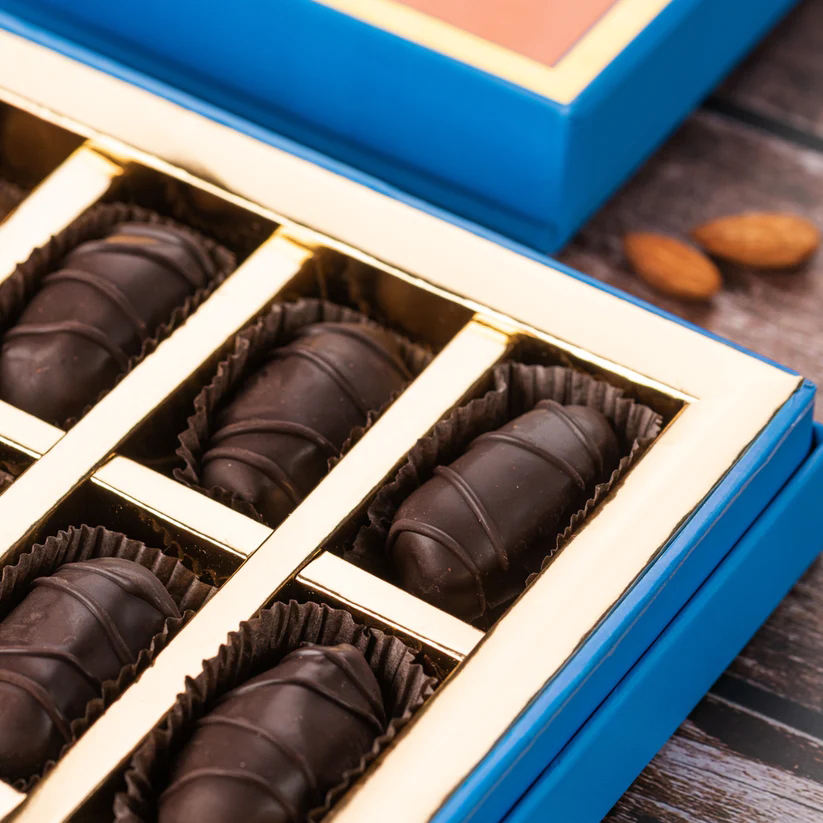
A creative concept is only useful when the finished packaging performs as expected. For scan-ready boxes, production quality matters because a poorly printed code can undermine the entire digital experience. Planning ahead helps businesses avoid unnecessary delays, reprints, and customer frustration.
Test the Code Before Mass Production
Start by testing the code on a physical sample. Scan it with different smartphones under normal indoor lighting and check whether the destination opens correctly. Test the packaging after folding and assembly, too, because creases and curved surfaces can affect readability.
It is also worth checking the printed code at different distances and angles. If scanning requires too much effort, adjust the size, contrast, or position before approving the final artwork.
Use Stable Links and Mobile-Friendly Pages
The code should direct customers to a relevant destination that remains available. A branded landing page or a properly managed redirect can make future updates easier without changing the printed code. Businesses should also avoid linking to pages that require unnecessary downloads or complicated registration.
If the packaging is part of a campaign, test the destination before launch and keep track of any promotional expiration dates. Broken links create a disappointing experience and can reduce confidence in the brand.
Coordinate Artwork, Materials, and Packaging Structure
Designers and packaging manufacturers should review the code placement together. This helps prevent the code from crossing seams, folds, glue areas, or other structural features. It also ensures that finishing techniques do not reduce contrast or cover important details.
A practical production checklist should include artwork approval, code verification, sample inspection, material testing, and final quality control. For larger orders, confirming these details before full production can save both time and money.
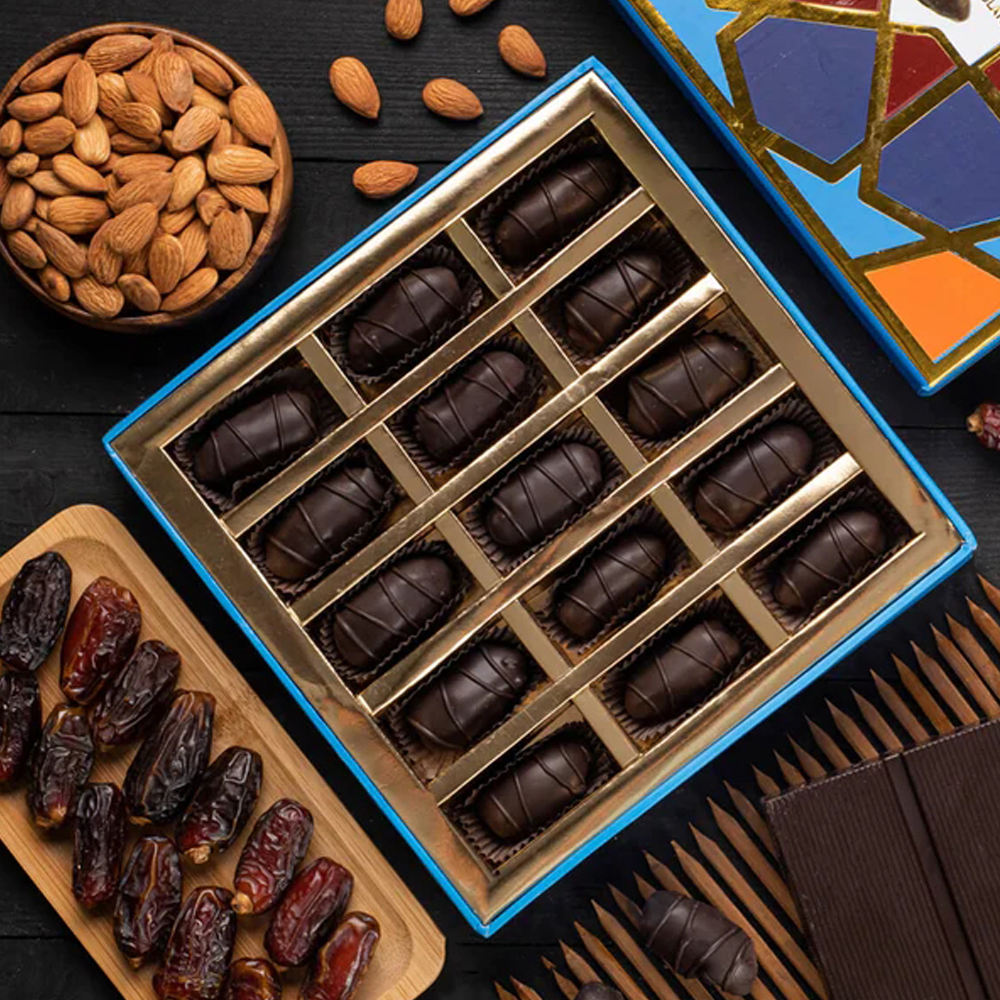
One advantage of scan-ready packaging is that it can provide measurable insights into customer engagement. Traditional packaging mainly communicates through printed visuals and messages. When a 2D code connects to a trackable digital destination, businesses can learn more about how customers interact with their gifts.
Tracking Scans and Customer Engagement
Depending on the technology and analytics setup, brands may measure scan counts, landing-page visits, campaign interactions, and conversions. These indicators can help determine whether customers find the digital content useful and whether the packaging supports the intended marketing goal.
For example, a company distributing chocolate gifts at a business event might compare engagement across different landing pages. The results can inform future campaigns, although scan counts alone do not prove that a customer made a purchase or developed stronger brand loyalty.
Comparing Different Packaging Designs
Businesses can test different calls to action, code placements, or landing-page experiences across suitable campaigns. One design might encourage more scans, while another might generate more meaningful interactions. The most effective option depends on the objective, whether that is product discovery, lead generation, customer education, or repeat sales.
When comparing results, use consistent measurement methods and avoid drawing conclusions from very small sample sizes. Privacy rules and applicable consent requirements should also guide how analytics and customer information are collected.
Turning Data Into Better Decisions
The real benefit of measurement is the opportunity to improve future packaging. If customers scan a code frequently but leave the landing page immediately, the content may need to be more relevant or easier to navigate. If engagement is low, the code may be difficult to notice or the call to action may not offer enough value.
By combining customer feedback with reliable analytics, businesses can refine their packaging strategy over time. Custom Chocolate Gift Boxes then become more than a container for confectionery; they become a useful touchpoint within a broader customer experience.
Scan-ready 2D codes offer a practical way to bring traditional chocolate gifting into the digital age. With thoughtful design, reliable printing, and useful online content, brands can make their packaging more engaging without sacrificing its visual appeal. From premium corporate presents to seasonal retail collections and event favors, Custom Chocolate Gift Boxes can deliver product information, personal messages, and digital experiences in one compact package.
The most effective approach starts with a clear goal. Decide what recipients should discover, choose the right box style, position the code carefully, and test the complete experience before production. Keep the landing page simple, protect customer privacy, and use meaningful performance indicators to guide future improvements.
Ultimately, successful scan-ready packaging is not about adding technology just to follow a trend. It is about making every interaction more useful and memorable. When great chocolate meets thoughtful packaging and a genuinely valuable digital experience, even a small gift can leave a lasting impression.
Scan-ready Custom Chocolate Gift Boxes are specially designed chocolate packaging solutions that include QR codes or other 2D codes. Customers can scan these codes with a smartphone to access product information, personalized greetings, brand stories, promotional offers, or other digital content. They combine attractive packaging with interactive features, helping businesses create a more engaging gifting experience.
A QR code can link to various types of digital content, including chocolate ingredients, allergen information, product origins, company introductions, thank-you messages, and seasonal promotions. Businesses can also use it to share videos, loyalty program details, or personalized gift messages. The best approach is to provide useful, relevant content that makes the recipient's experience more enjoyable.
To improve scanning reliability, businesses should use sufficient code size, strong contrast, and a clear printing area. Avoid placing codes across folds, seams, heavily textured surfaces, or reflective finishes that may cause glare. Before mass production, test a physical packaging sample with different smartphones and under various lighting conditions to confirm that the code works properly.
Yes. Custom Chocolate Gift Boxes can be personalized with company logos, brand colors, event themes, printed messages, and tailored QR code destinations. Corporate gifts can feature thank-you pages or company introductions, while wedding favors and event gifts can link to personal stories, photos, or event information. This combination of physical and digital personalization helps create a more memorable gift.
Businesses can evaluate performance by tracking QR code scans, landing-page visits, promotional interactions, and relevant conversions when suitable analytics are available. Comparing different designs and calls to action can also reveal which packaging generates stronger engagement. To achieve meaningful results, companies should set clear campaign goals, use reliable tracking methods, and respect customer privacy and applicable data protection requirements.
Post time: Oct-21-2026


