


More Than a Protective Box
Cookie packaging used to have one basic purpose: keeping cookies safe until they reached the customer. Today, the role of packaging has changed. A cookie box protects the product, introduces the brand, supports the customer experience, and communicates a company’s values before the first bite.
For bakeries, cafés, dessert shops, wholesalers, and gift brands, packaging can make a strong first impression. Customers often see the box before they see the cookies. A well-designed package can make a simple cookie assortment feel more premium, more thoughtful, and more memorable.
That is where smart cookie packaging comes in. “Smart” does not always mean adding electronic technology. It can also mean using the right material, choosing an efficient structure, reducing unnecessary components, and making the box easier to use. Good packaging solves several problems at the same time without becoming complicated.
Why Sustainability Matters to Cookie Brands
Many customers now pay closer attention to what happens after packaging is opened. They may look for recyclable paper, reduced plastic use, or a box that can be reused. This does not mean every brand needs to make dramatic changes overnight. Small improvements can also make a difference.
Using a box that matches the cookie quantity helps reduce excess material. Choosing a suitable paperboard can lower unnecessary weight. Replacing a complicated plastic insert with a paper divider may create a cleaner and more responsible solution. These decisions can also make the packaging look more natural and modern.
Fuliter presents itself as a custom paper box manufacturer that supports packaging projects from design to final delivery. Its product range includes cake boxes, chocolate boxes, dessert boxes, and other food packaging solutions. This type of experience can help cookie brands combine appearance, structure, and sustainability in one project.
Selecting Paper for Performance
Material selection is one of the most important steps in developing cookie packaging. Cookies may seem lightweight, but the box still needs to withstand filling, stacking, shipping, and display. The chosen material should match the size, weight, quantity, and purpose of the cookie product.
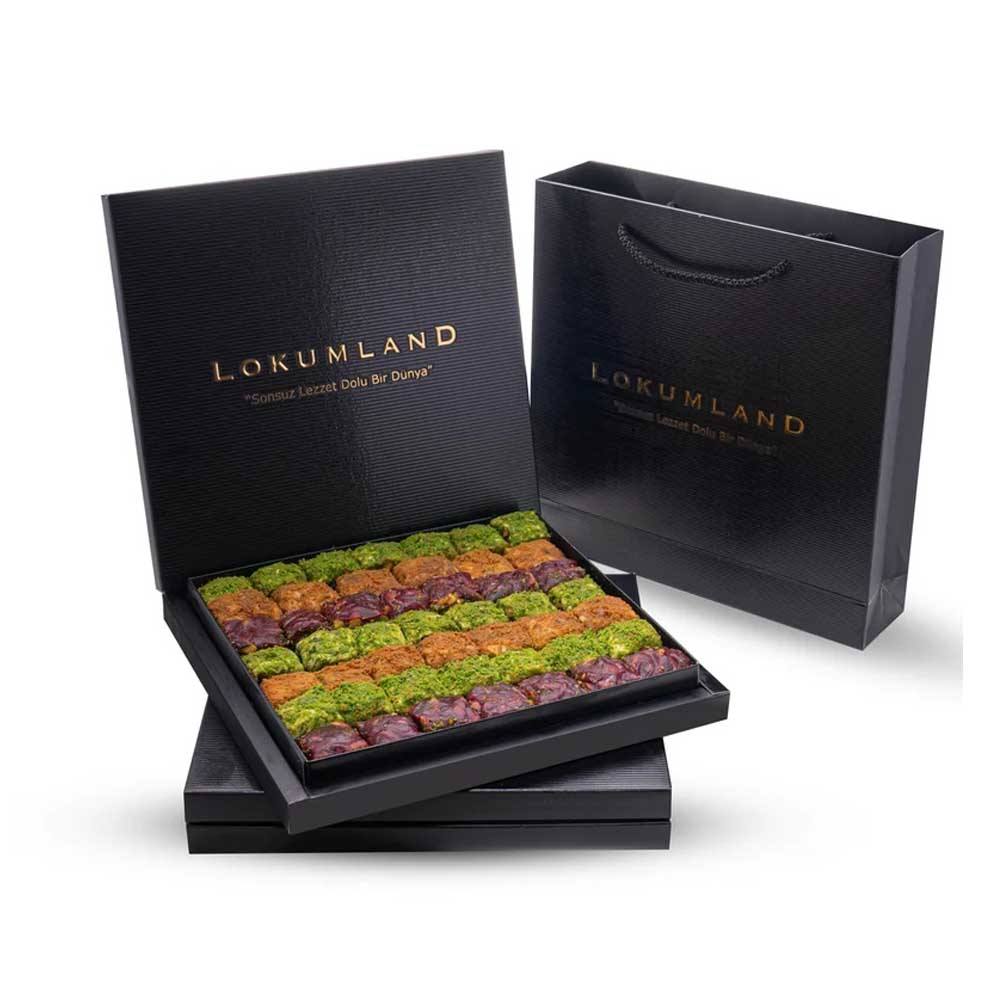
Kraft paper is often selected by brands that want a warm and natural look. Its simple appearance works well for handmade cookies, organic products, small bakeries, and rustic gift collections. Cardboard can provide a firm structure for retail and wholesale packaging. Coated paper is useful when a brand needs sharp images, bright colors, or detailed printing.
Premium paper can create a more refined tactile experience. It may be suitable for corporate gifts, holiday collections, and luxury cookie assortments. Eco-friendly paper options can support brands that want to communicate a more responsible packaging direction.
However, the word “eco-friendly” should not be treated as a complete design strategy. The material still needs to protect the cookies and suit the intended market. A box that is too thin may fail during transport, while an oversized box may waste space and material. The goal is to find a balanced solution.
Reducing Unnecessary Packaging
Smart design often begins with simple questions. Does the box need a plastic window? Is an insert necessary? Can a paper divider do the same job? Can the size be adjusted to reduce empty space? Can the structure be folded flat for easier storage and shipping?
These questions can lead to a cleaner packaging system. A well-fitted box may reduce movement inside the package and provide better product presentation at the same time. A simple folding structure may also be easier to recycle or reuse after the cookies are finished.
Planning for the End of Use
Cookie packaging has a life beyond the first opening. Customers may reuse a strong box to store tea bags, craft supplies, stationery, or small household items. A package that folds down easily can also be more convenient to handle.
Clear information about the material and disposal method can help customers make better decisions. Brands should confirm recycling claims and material requirements for their target market instead of using broad environmental language without support.
Design Should Feel Natural
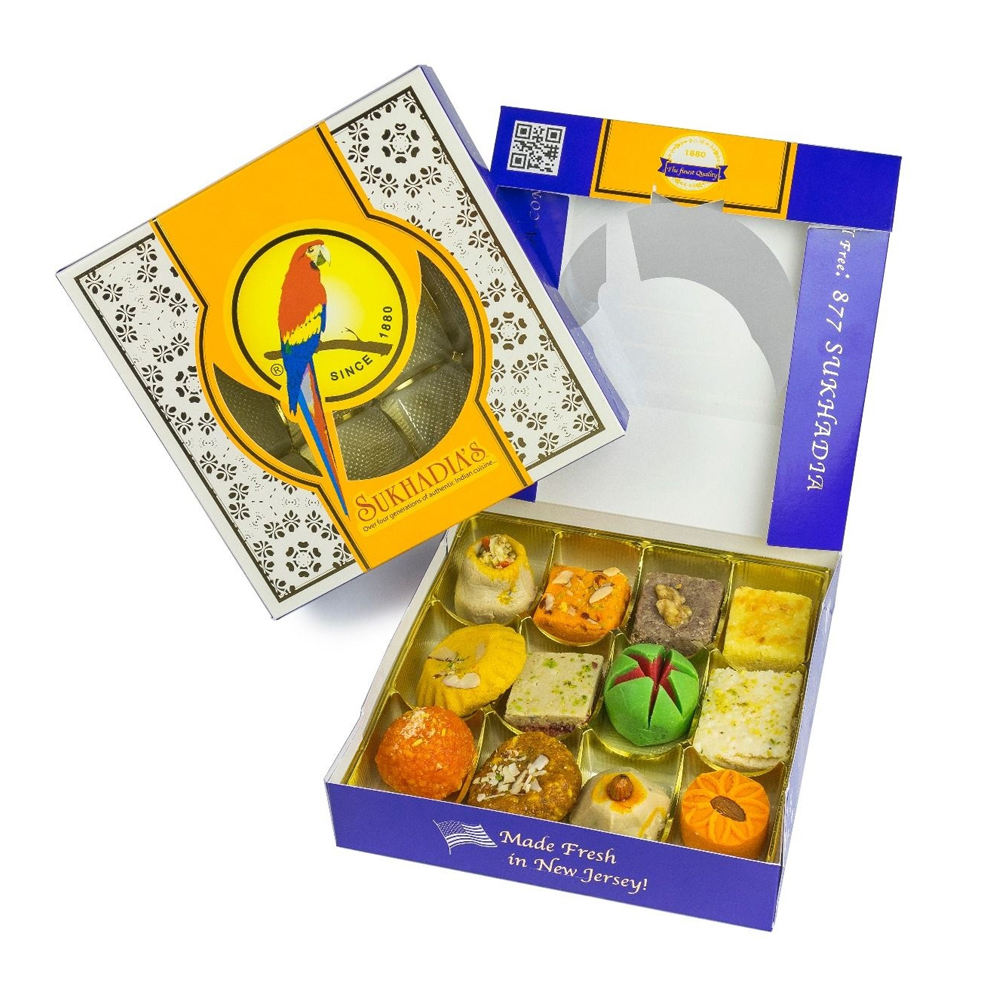
A smart package does not need to be crowded with information. In many cases, a simple logo, a carefully chosen color palette, and a clear product name can create a stronger identity than a complicated layout.
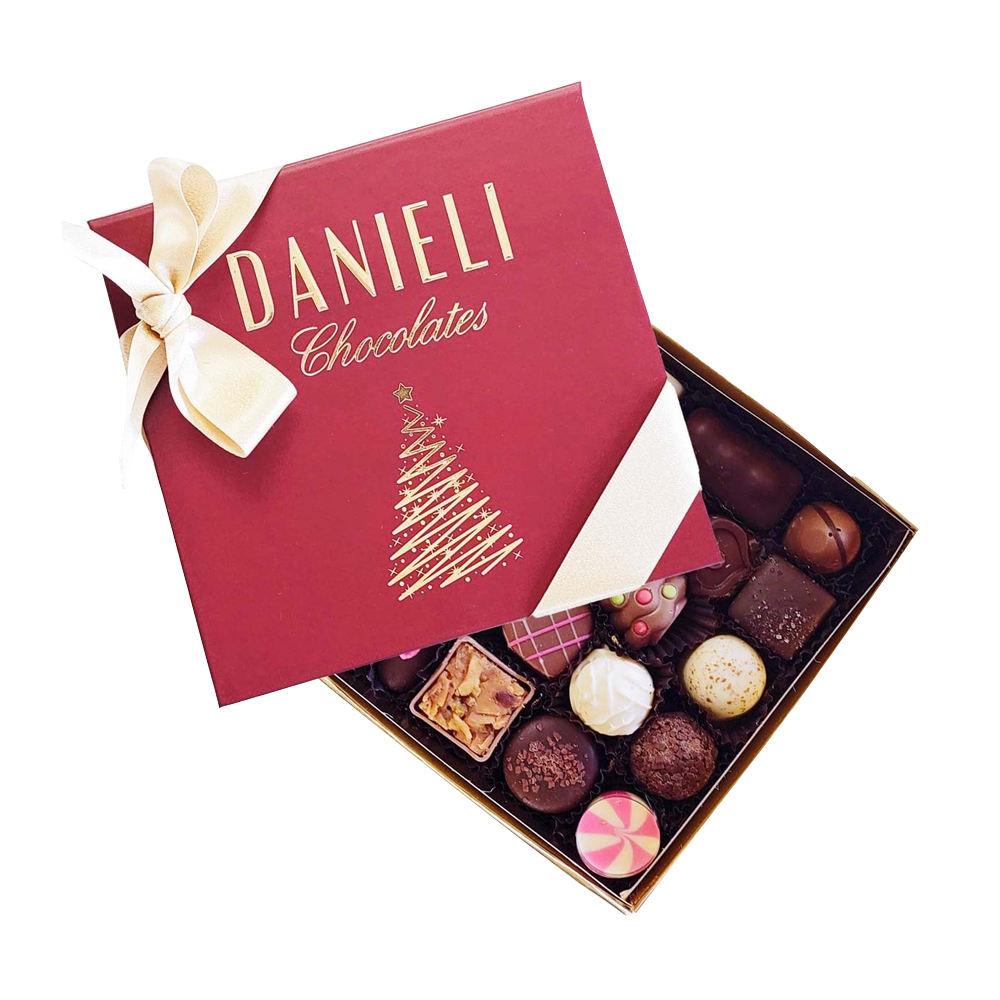
A bakery may use soft colors and hand-drawn illustrations to create a friendly appearance. A premium cookie brand may prefer dark tones, clean typography, and a restrained logo. A family-focused brand may use brighter colors and playful patterns. The right design depends on the audience, product price, and sales environment.
The package should also be practical to produce. A design that looks impressive on a computer screen may become difficult or expensive when it is printed, folded, glued, and packed. Good packaging design considers both visual appeal and production reality.
Making the Unboxing Experience Memorable
Opening a cookie box can be a small but meaningful moment. A smooth lid, a neat interior, and a well-organized assortment can make the product feel more valuable. Even a short message printed inside the box can create a personal connection.
Brands can use the interior space for a thank-you note, a serving suggestion, a short brand story, or information about the ingredients. These details do not require excessive decoration. They simply make the package feel more considered.
A well-designed box may also encourage customers to share photos online. When the packaging looks attractive and reflects the brand clearly, it becomes part of the product experience rather than an afterthought.
Using Smart Visual Communication
Smart packaging should communicate important information quickly. Customers should be able to identify the brand, product type, flavor, quantity, and basic usage information without searching through a crowded design.
A consistent visual system is especially useful for brands that sell different cookie collections. Similar colors, logos, and typography can help customers recognize the products across online stores, retail shelves, and gift displays.
Protecting Cookies During Handling
Sustainability cannot replace product protection. A cookie box still needs to prevent unnecessary movement, pressure, and damage. Broken or crushed cookies can lead to customer complaints and product waste, which defeats the purpose of responsible packaging.
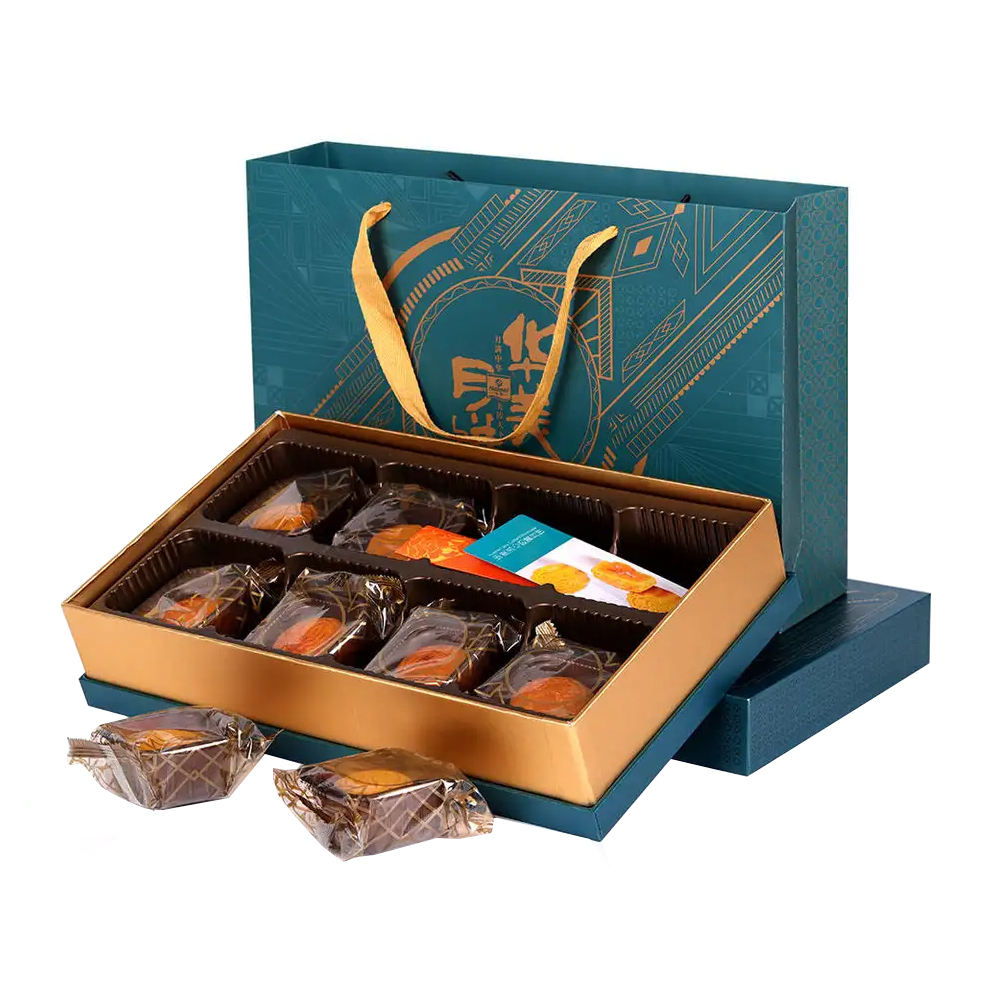
Different cookie products may need different internal solutions. A box of individually wrapped cookies may only require a well-fitted carton. Assorted cookies may benefit from paper dividers or separate compartments. Delicate decorated cookies may need additional spacing to prevent contact between pieces.
The package should be tested with the actual product. This helps identify problems with the box size, lid closure, corners, folding lines, and internal movement before mass production begins.
Prototyping Before Production
Fuliter describes a production process that includes consultation, concept design, sample development, mass production, packaging, logistics, and after-sales support. Prototype development is an important part of this process because it allows a brand to review the physical result instead of relying only on digital artwork.
A sample can answer practical questions:
- Does the box close properly?
- Is it easy for customers to open?
- Does the cookie assortment fit securely?
- Are the printed graphics aligned after folding?
- Can the package be stacked during transport?
- Does the structure match the intended price level?
These details may seem small, but they affect the customer’s impression of the product.
Checking Consistency at Scale
A package may look excellent in a sample but still require careful quality control during a large production run. Accurate dimensions, stable colors, clean edges, and secure glue points help create consistency across every shipment.
Fuliter states that its quality checks cover areas such as size, color, and surface craftsmanship. For cookie brands, consistent packaging is important when products are sold through different stores, distributors, or seasonal campaigns.
Supporting Small Test Orders
Many food brands do not begin with large-scale production. They may test a new flavor, prepare a seasonal collection, or launch a small gift set. Packaging should support this stage without forcing the brand into an unsuitable long-term commitment.
A sample or smaller production run can help a business understand how quickly the box can be filled, how it performs during delivery, and how customers respond to the design. This feedback can guide future improvements.
Fuliter states that it supports both sample production and mass production. Flexible capacity can be useful for brands that move from local bakery sales to online orders, retail distribution, corporate gifting, or wholesale supply.
Preparing a Clear Packaging Brief
A clear project brief makes communication easier. When requesting a quotation, brands should prepare the cookie dimensions, number of pieces per box, preferred material, artwork, box style, order quantity, delivery location, and expected timeline.
It is also helpful to provide product photos or sketches. If the cookies have unusual shapes, delicate decoration, or different sizes, this information may affect the structure of the box.
The more clearly the requirements are explained, the easier it is for a manufacturer to recommend a suitable solution. It can also reduce unnecessary revisions during the design and sampling stages.
Choosing a One-Stop Supplier
Managing separate companies for design, printing, die-cutting, gluing, inspection, and delivery can make a packaging project more difficult. A one-stop manufacturer may simplify communication by keeping several stages under one workflow.
Fuliter describes itself as an OEM and ODM paper packaging factory with design support, printing equipment, die-cutting machines, automated gluing lines, quality control, and logistics services. For buyers, an integrated process may make it easier to track the project from the first concept to the finished boxes.
Sustainability Should Be Built In
Sustainable packaging works best when it is considered at the beginning of the project. Adding an environmental message after the box has already been designed may not create a meaningful improvement.
Instead, brands can look at the complete package. They can review the material, structure, size, printing coverage, inserts, closure, storage requirements, and delivery method. Each part affects the total environmental impact and customer experience.
Fuliter states that it uses recyclable and biodegradable raw materials and follows environmentally friendly production methods. Its website also refers to FSC, CE, and RoHS certifications, along with supplier reports from organizations such as SGS and FSC. Buyers should request project-specific documentation and confirm whether the materials meet the requirements of their target market.
Adding Digital Features Carefully
Smart cookie packaging can include optional digital elements, such as a QR code that links to a product page, recipe ideas, brand information, or a customer feedback form. These features should be used only when they provide genuine value.
A small QR code can make the package more useful without adding physical materials. However, it should be easy to scan, visually balanced, and linked to a mobile-friendly page. If the digital content is unclear or no longer updated, it can weaken the customer experience.
The best smart packaging combines physical and digital communication naturally. The box should still look attractive and function well even if the customer never scans the code.
Building Trust Through Clear Claims
Customers are becoming more careful about environmental claims. Brands should avoid vague phrases such as “100% green” unless they can provide clear evidence. It is better to explain the actual material, recycling method, or packaging improvement in simple language.
Honest communication helps create trust. It also allows customers to understand what the brand has changed and what they can do after using the package.
Smart Cookie Packaging Meets Sustainable Branding by combining thoughtful material choices, efficient box structures, clear visual communication, and reliable product protection. Smart packaging does not always require advanced technology. It can simply mean designing a box that uses the right amount of material, fits the cookies properly, supports a better unboxing experience, and communicates the brand honestly.
Fuliter’s website describes a one-stop paper packaging service that covers design, CAD structural support, prototyping, printing, die-cutting, gluing, quality control, and logistics. Its listed material options include kraft paper, cardboard, premium paper, coated paper, and eco-friendly paper. Brands should still confirm the exact specifications and certifications for their individual projects.
The best cookie packaging is practical, attractive, and easy to understand. It protects the product, supports sustainable goals, and gives customers a reason to remember the brand. By planning the box carefully from the beginning, cookie businesses can create packaging that works well today and remains flexible as the business grows.
Smart cookie packaging combines attractive design, reliable product protection, efficient material use, and useful brand communication. It does not always require digital technology. A well-fitted box, recyclable materials, paper dividers, clear labeling, or a QR code linking to product information can all make packaging smarter and more practical.
Common options include kraft paper, cardboard, coated paper, premium paper, and eco-friendly paper materials. Kraft paper offers a natural appearance, while coated paper supports bright colors and detailed printing. The best material depends on the cookie size, box structure, order quantity, product weight, and target market.
Brands can reduce waste by selecting a box size that fits the cookies properly and avoids excessive empty space. They can also replace unnecessary plastic components with paper dividers, use simpler structures, reduce extra finishes, and choose materials that are easier to recycle or reuse. These decisions should be made during the initial design stage.
Yes. Properly designed cookie packaging can reduce movement, pressure, and breakage during handling and transportation. Dividers, fitted inserts, secure closures, and suitable paperboard can improve product protection. It is recommended to test a physical sample before mass production to confirm the box’s strength and fit.
Yes. A professional paper packaging manufacturer may provide structural design, CAD support, sample production, printing, die-cutting, gluing, quality inspection, and logistics services. Providing details such as cookie dimensions, quantity, material preference, artwork, order volume, and delivery destination can help the manufacturer recommend a suitable packaging solution.
Post time: Nov-16-2026


