


Travel souvenirs are supposed to bring back happy memories, and chocolate is one of the easiest gifts to share with friends, family, and colleagues. However, there is one problem that chocolate brands and gift retailers cannot ignore: the journey home. Between airport handling, crowded suitcases, changing temperatures, and long-distance transportation, even beautifully made chocolates can arrive damaged. A crushed corner, melted coating, or broken chocolate piece can quickly turn a thoughtful gift into a disappointing experience. That's why well-designed Chocolate Boxes are more than attractive packaging. They need to protect delicate products throughout the entire trip while keeping their appearance fresh and appealing. Whether you sell local specialty chocolates, premium truffles, handmade pralines, or tourist gift collections, the right packaging can make a real difference. In this guide, we'll explore how to create souvenir packaging that looks impressive on store shelves and stays strong inside a suitcase.
Travel packaging has a different job from ordinary retail packaging. A chocolate box might look perfect in a shop, but it needs to survive much more once a customer starts traveling. Suitcases are often packed tightly, moved between vehicles, loaded onto airport belts, and placed in overhead compartments. These everyday situations can put unexpected pressure on chocolate packaging.
Understand What Happens Inside a Suitcase
Think about how people pack before a flight. Clothes, shoes, books, electronics, and personal belongings are often squeezed into limited space. A souvenir chocolate box may end up underneath heavier items or pushed against the suitcase wall.
Without sufficient structural support, the lid can become dented, corners may collapse, and individual chocolates can move around. This is particularly problematic for products with decorative toppings or delicate shapes.
Choose a Stronger Box Structure
The first step is selecting a suitable material. Rigid paperboard is a popular choice for premium chocolate gifts because it provides a firm structure and creates a luxurious presentation. For lighter products, high-quality folding carton board can also work when its thickness and construction are properly selected.
Corrugated paperboard is another option for larger souvenir collections that need additional protection during transportation. The best choice depends on the chocolate weight, box dimensions, distribution distance, and expected handling conditions.
Don't Ignore the Corners and Edges
Corners are often the first areas to show damage when luggage gets squeezed. Reinforced edges, well-fitted lids, and carefully designed folding structures help the box maintain its shape.
A practical approach is to test the complete package rather than judging material strength by appearance alone. A beautiful souvenir box should still look presentable after realistic handling.
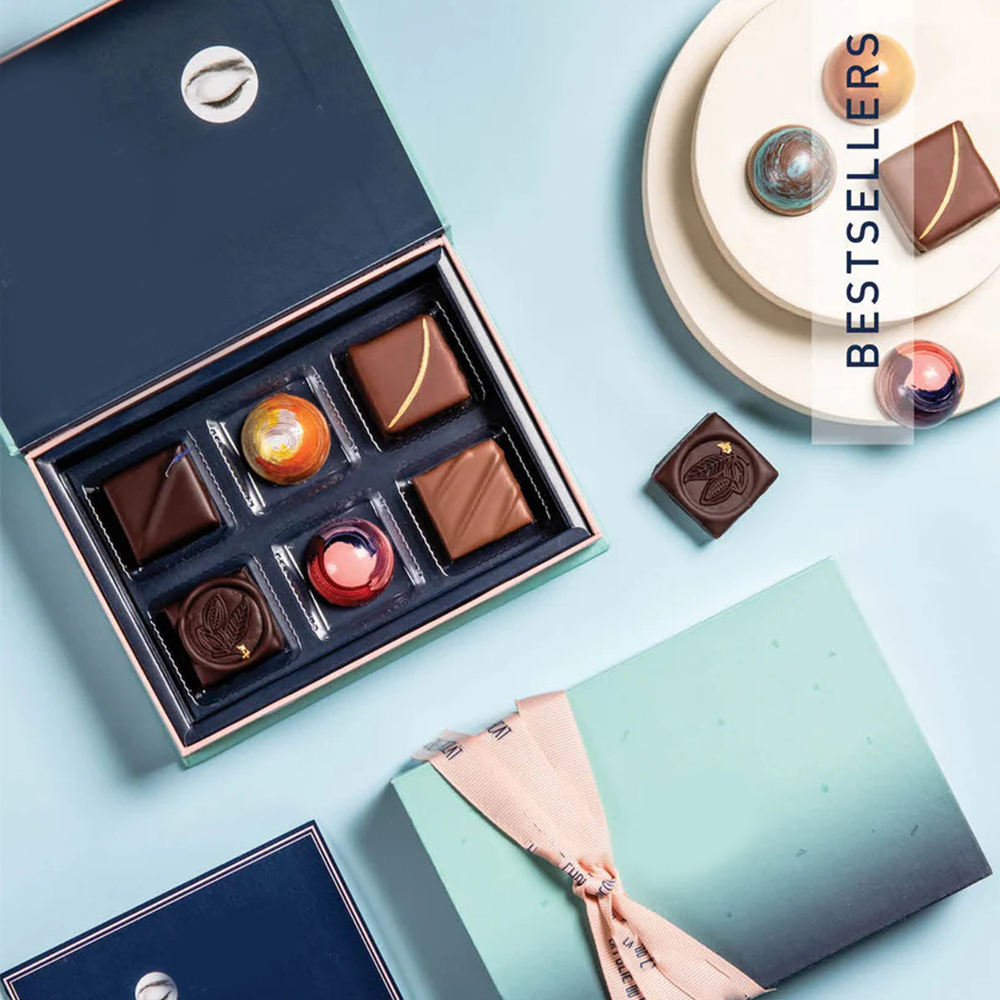
A strong outer package is important, but it cannot do everything. Chocolates also need protection from movement inside the box. Even if the exterior remains undamaged, loose products can collide with each other during a long journey.
Custom Inserts Keep Every Chocolate in Place
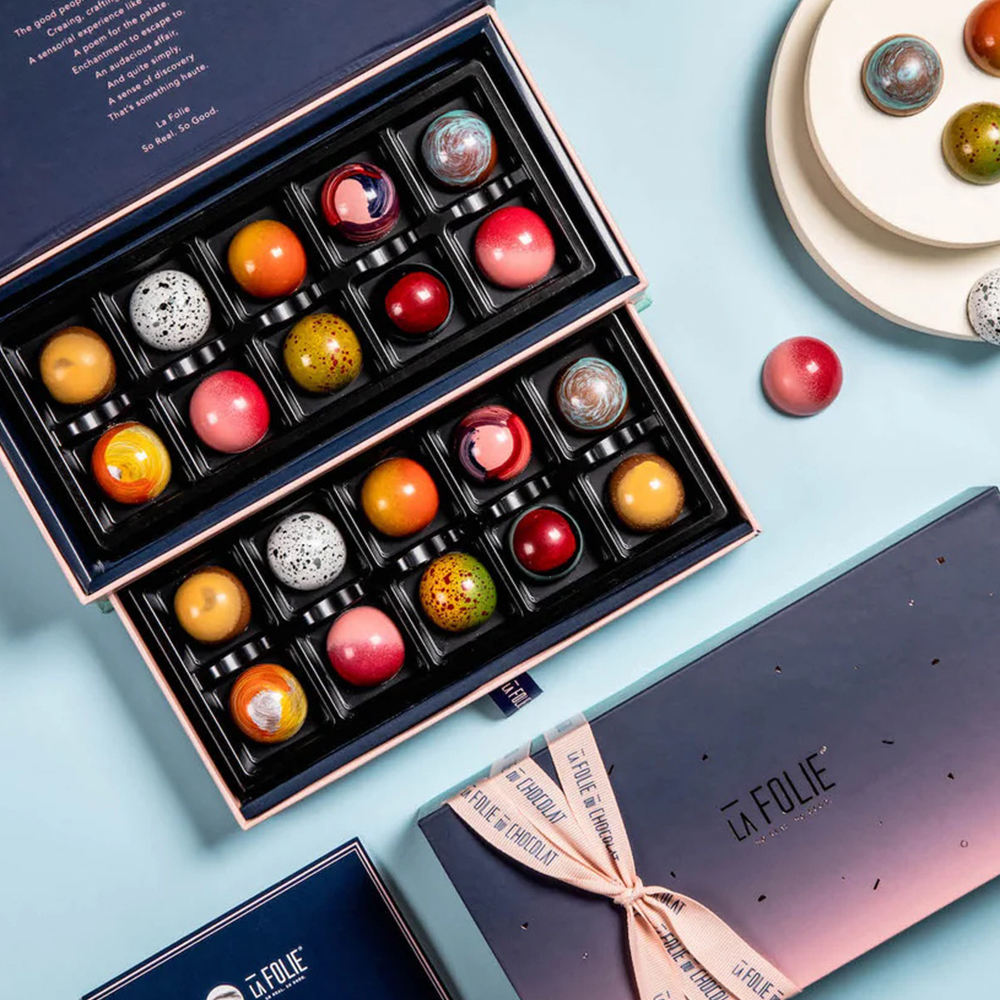
Custom inserts are one of the most effective ways to protect individual chocolates. Instead of allowing products to move freely, each piece sits inside a dedicated cavity.
Depending on the product, inserts can be made from paperboard, molded pulp, or suitable food-contact materials. Their shape should match the size and weight of the chocolates without creating unnecessary pressure.
For example, round truffles need different cavity designs from square pralines or chocolate bars. A properly fitted insert reduces movement and helps maintain the original arrangement.
Use Dividers for Mixed Chocolate Collections
Souvenir collections often contain several flavors in one package. Dark chocolate, milk chocolate, fruit-filled pieces, and nut-based varieties may all share the same box.
Dividers help separate different products and prevent them from rubbing against one another. They also make the assortment look more organized when customers open the package.
For brands offering multiple flavors, clearly separated compartments can improve both presentation and convenience.
Consider the Chocolate's Surface and Shape
Not every chocolate has the same level of durability. A solid chocolate square may tolerate ordinary handling better than a thin chocolate shell or a decorative chocolate flower.
Products with delicate toppings, textured surfaces, or fragile fillings require more carefully designed inserts. The goal is to keep each piece secure without making it difficult for customers to remove.
When developing Chocolate Boxes for souvenirs, always consider the actual chocolate dimensions rather than relying on standard insert sizes. A few millimeters can make a noticeable difference in how well the packaging performs.
Physical protection is only one part of the challenge. Temperature is another major concern for travelers carrying chocolate across different climates.
A customer might purchase chocolate in a cool mountain town, travel through a warm airport, and arrive home somewhere much hotter. During this journey, chocolate can soften, develop surface changes, or lose its original appearance.
Understand the Risks of Heat
Most chocolate products are sensitive to elevated temperatures. When chocolate becomes too warm, it may soften or melt, especially when exposed to direct sunlight or stored inside a hot vehicle.
Even when chocolate does not completely melt, temperature fluctuations can affect its surface and appearance. Fat bloom and sugar bloom may develop under certain storage conditions, creating pale or uneven patches.
Select Suitable Protective Packaging Materials
Packaging can help reduce exposure to sudden temperature changes, although ordinary paperboard is not a replacement for temperature-controlled transportation.
For products that require additional protection, brands can consider insulated shipping materials, reflective liners, or suitable thermal packaging systems. These solutions may be useful for long-distance travel or premium chocolate collections.
However, the packaging design should remain practical. Excessive insulation can increase package size, weight, and shipping costs. Brands need to balance protection with convenience.
Add Clear Storage Recommendations
Small storage instructions can help customers take better care of their purchases.
For example, packaging can include simple messages such as:
- Keep away from direct sunlight.
- Store in a cool, dry place.
- Avoid leaving chocolate inside a hot car.
- Follow the storage instructions provided by the manufacturer.
These details are especially useful for souvenir products because customers may not know how long their journey will take.
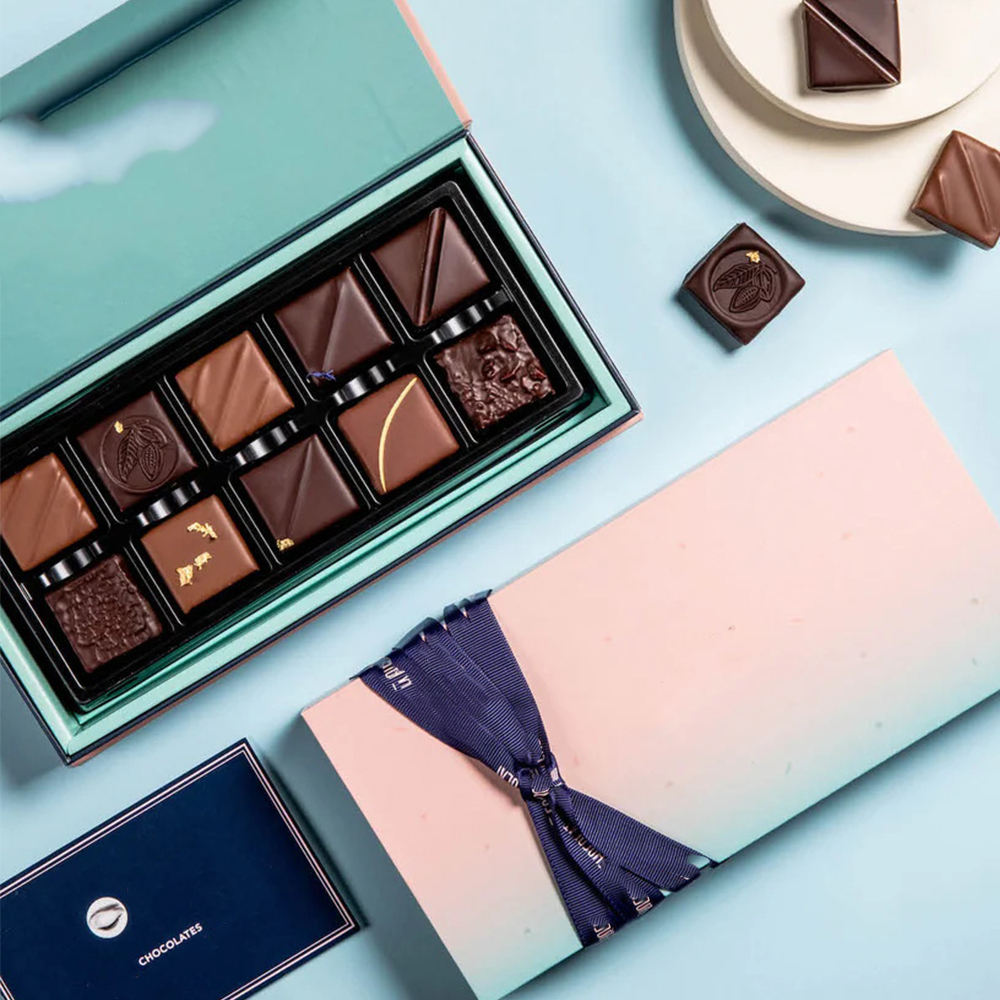
Protection matters, but appearance still plays a major role in souvenir sales. Customers usually purchase souvenirs because they want something memorable. Packaging should communicate the local identity, craftsmanship, and quality behind the chocolate.
Make the Packaging Reflect the Destination
A souvenir chocolate box can become a small reminder of a travel experience. Instead of using generic designs, brands can incorporate recognizable local elements.
For example, chocolate packaging from a coastal destination might feature ocean-inspired colors, while products from a historic city could use architectural illustrations or traditional patterns.
Local landmarks, cultural artwork, regional symbols, and destination names can make the packaging feel more meaningful.
Use Printing to Create a Premium Impression
High-quality printing can turn a simple paper box into an attractive gift package. Offset printing is suitable for detailed graphics and consistent color reproduction across larger production runs.
Brands can also explore several finishing techniques:
- Matte lamination for a smooth, understated appearance.
- Gloss lamination for brighter colors and added surface protection.
- Foil stamping for metallic details and premium accents.
- Embossing for raised logos or decorative patterns.
- Spot UV for highlighting selected design elements.
The important thing is to avoid making the design too complicated. A clear visual identity often works better than excessive decoration.
Make the Box Easy to Carry
Souvenir packaging should fit naturally into a traveler's lifestyle. Oversized boxes may look impressive in a shop, but they can become inconvenient when customers have limited suitcase space.
Compact dimensions, lightweight materials, and secure closures can improve the overall experience.
Some brands may also consider a carry handle or an outer gift sleeve, depending on the product size. These details make the package easier to transport without sacrificing its visual appeal.
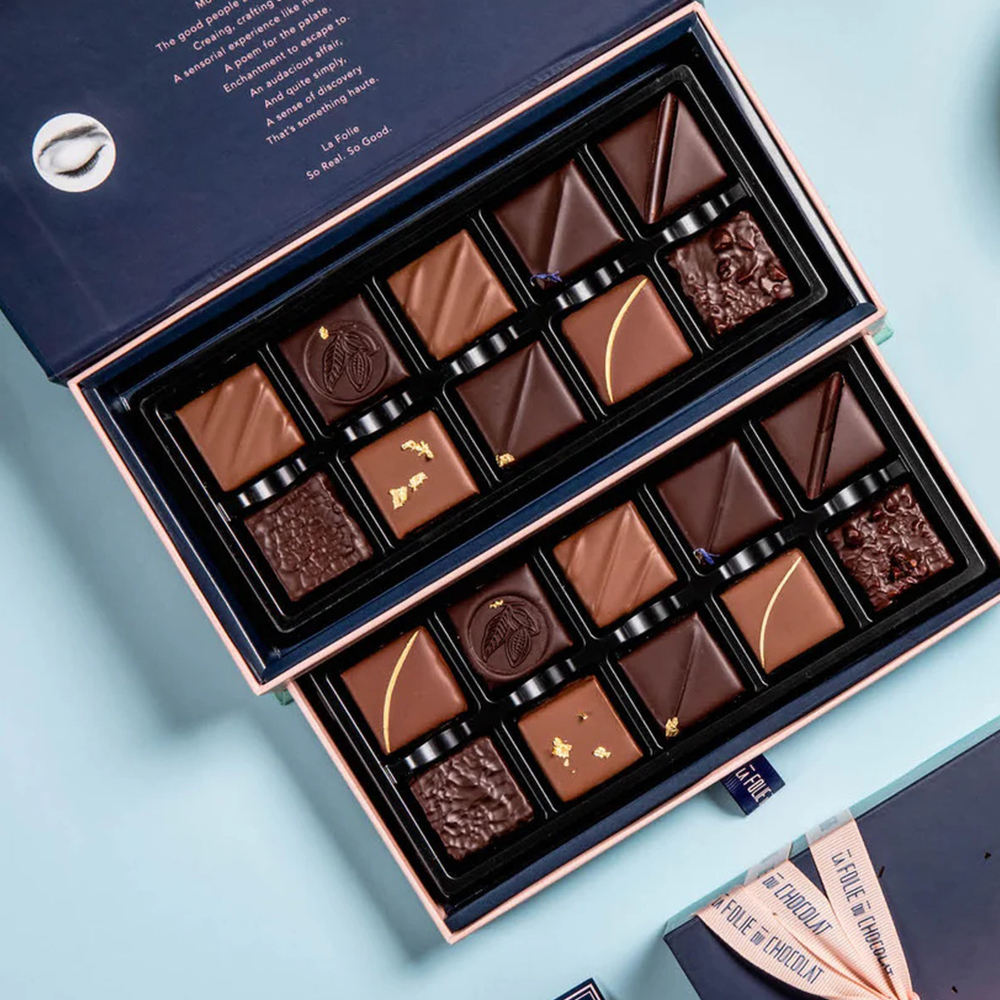
Not all souvenir chocolates require the same packaging solution. A small box of local chocolate squares has different requirements from a large assortment of handmade truffles.
Understanding product differences helps manufacturers create packaging that provides the right balance between protection, appearance, and cost.
Chocolate Bars and Local Specialty Products
Chocolate bars are generally easier to arrange because they have a relatively consistent shape. However, they can still break if exposed to excessive bending or pressure.
A fitted paperboard sleeve combined with a sturdy outer carton can provide a practical solution. For premium collections, brands can add printed inner wraps to create a more attractive unboxing experience.
Truffles and Handmade Chocolates
Truffles often have delicate coatings and irregular decorations. Their packaging should prevent direct contact between individual pieces.
Individual cavities are particularly useful here. A rigid outer structure combined with a fitted insert can help maintain the original arrangement throughout transportation.
Mixed Gift Collections
Mixed collections are popular souvenir products because customers enjoy trying several local specialties in one package.
These collections may include chocolate bars, pralines, truffles, and seasonal pieces. Custom dividers and different cavity sizes allow brands to arrange products neatly.
A well-planned layout also makes the assortment look more valuable. Customers can immediately see the variety without opening every individual wrapper.
Small and Large Retail Packages
Small souvenir boxes are ideal for impulse purchases near tourist attractions, airports, and gift shops. Larger packages may be more suitable for family gifts, corporate presents, and holiday collections.
Offering different sizes allows brands to serve multiple customer groups while maintaining a consistent packaging identity.
A memorable souvenir should arrive home in the same attractive condition in which it was purchased. That means packaging needs to do more than look beautiful on a retail shelf. It must withstand suitcase pressure, reduce internal movement, support suitable storage practices, and remain convenient for travelers.
From rigid paperboard structures and custom inserts to premium printing and practical dimensions, every design decision contributes to the final customer experience.
For chocolate manufacturers, gift retailers, and wholesale buyers, investing in well-designed Chocolate Boxes can help reduce product damage, improve presentation, and create a stronger brand impression. When protection and appearance work together, customers can enjoy their chocolate souvenirs without worrying about what happened inside their suitcases.
Rigid paperboard, high-quality folding carton board, and corrugated paperboard are popular choices. The best material depends on chocolate weight, box size, transportation conditions, and the level of protection required.
Custom inserts, individual cavities, and internal dividers help keep chocolates securely in place. A strong outer structure also reduces the risk of damage caused by suitcase pressure and accidental impacts.
Packaging can help reduce exposure to temperature changes when combined with suitable insulation or protective liners. However, ordinary paper boxes cannot prevent melting in high temperatures. Temperature-sensitive chocolates may require additional thermal protection.
Popular options include custom sizes, printed logos, destination-inspired artwork, foil stamping, embossing, matte lamination, and custom inserts. These features help create attractive packaging while protecting different chocolate varieties.
Wholesale buyers should consider material strength, box dimensions, insert design, printing quality, MOQ, production lead time, and shipping costs. Requesting samples and testing packaging before mass production can help ensure the final boxes meet transportation requirements.
Post time: Nov-10-2026


