


Understanding the Sugar-Free Chocolate Market
The market for sugar-free chocolate has grown as consumers become more interested in reading nutrition labels and understanding what goes into their food. Some shoppers avoid added sugar, while others look for products made with alternative sweeteners such as stevia, erythritol, or maltitol.
This creates a packaging challenge. Customers want attractive chocolate boxes, but they also expect clear and accurate information. A beautiful design should never make important product details difficult to find.
Why Packaging Must Match the Product
Sugar-free chocolate is not simply regular chocolate with a different name. Depending on the recipe, it may contain sugar alcohols, alternative sweeteners, or other ingredients that require specific labeling.
For packaging manufacturers and chocolate brands, this means planning the artwork carefully. The box should provide enough room for ingredient lists, nutritional information, allergen statements, and any legally required warnings.
Building Consumer Trust Through Clear Communication
When shoppers pick up a chocolate box, they often make a decision within seconds. Clear wording, readable typography, and organized information help them understand what they are buying.
Good packaging does not need to look complicated. It simply needs to balance attractive branding with practical information. That balance can help sugar-free chocolate products stand out without creating confusion.
One of the biggest mistakes brands make is designing the entire package around appearance before considering labeling requirements. Once the artwork is finished, there may be very little room left for mandatory information.
For sugar-free chocolate, this can become a real problem. Certain sweeteners, particularly sugar alcohols, may require additional statements depending on the market, product formulation, and applicable regulations.
Make Warning Labels Easy to Read
Warning statements should never be squeezed into tiny spaces just to preserve a decorative design. Customers need to read the information without struggling.
A practical packaging layout should include:
- A clearly defined area for required warnings.
- Readable font sizes and sufficient contrast.
- Enough spacing between different information sections.
- A logical order for ingredients and nutrition details.
- Room for multilingual information when necessary.
For example, products containing certain sugar alcohols may need a statement about potential laxative effects when consumed in excess, depending on local regulations.
Avoid Hiding Important Information
Using dark backgrounds, decorative patterns, or glossy finishes can make small text difficult to read. These design choices may look attractive in a product mockup but become less practical in real retail environments.
Instead, use a clean information panel with a contrasting background. Keep decorative graphics away from essential text and avoid placing important wording across folds, seams, or curved surfaces.
Check Label Requirements Before Printing
Different countries have different food-labeling rules. In the United States, brands should review applicable FDA requirements before approving their packaging artwork.
It is also important to remember that the phrase "sugar-free" has a specific regulatory meaning. Under US FDA regulations, a food generally must contain less than 0.5 grams of sugars per reference amount customarily consumed and per labeled serving to use a sugar-free claim, subject to applicable conditions.
The safest approach is to have the final label reviewed before mass production. Correcting a digital design is much easier than replacing thousands of printed boxes.
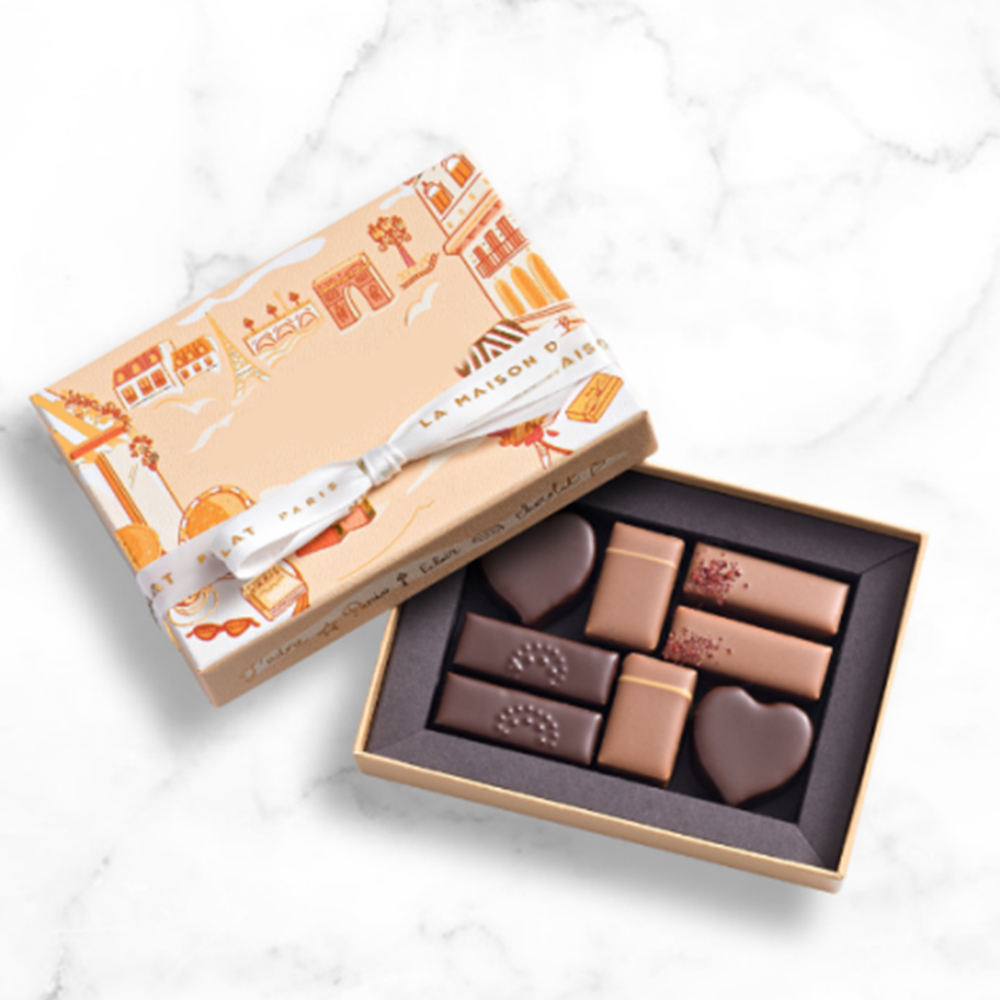
While labeling is important, packaging still has another major responsibility: protecting the chocolate. Sugar-free chocolate products can have different textures and formulations, so brands should consider the actual product when choosing packaging materials.
A box that looks premium but allows chocolates to move around during transportation can quickly damage the customer experience.
Choose Food-Suitable Packaging Materials
Paperboard is a popular choice for custom chocolate packaging because it offers flexibility in printing, finishing, and structural design.
Brands can choose different board thicknesses depending on the product weight and packaging requirements. For premium collections, rigid paperboard can provide a stronger and more luxurious presentation.
However, the suitability of any material depends on its intended food-contact use. If the chocolate directly contacts an insert, liner, or inner packaging, the manufacturer should verify that the material is appropriate for that application.
Use Inserts to Keep Chocolates in Position
Individual chocolate pieces often come in different shapes and sizes. Without proper support, they may shift during shipping and arrive looking less attractive.
Custom inserts can solve this problem by creating separate compartments for each piece.
Popular options include:
- Paperboard dividers for individual chocolates.
- Molded-pulp inserts for selected product formats.
- Food-suitable trays for premium assortments.
- Custom cavities for round, square, or heart-shaped chocolates.
The right insert depends on the chocolate dimensions, weight, and transportation conditions.
Consider Moisture and Temperature Protection
Chocolate can be sensitive to heat, humidity, and temperature changes. Although the outer box provides structure and branding space, it may not offer enough protection by itself.
For this reason, brands should consider suitable inner wraps, sealed barriers, or protective liners where needed.
Before approving a large production order, conduct packaging tests under realistic storage and shipping conditions. This helps identify potential problems before products reach retailers.
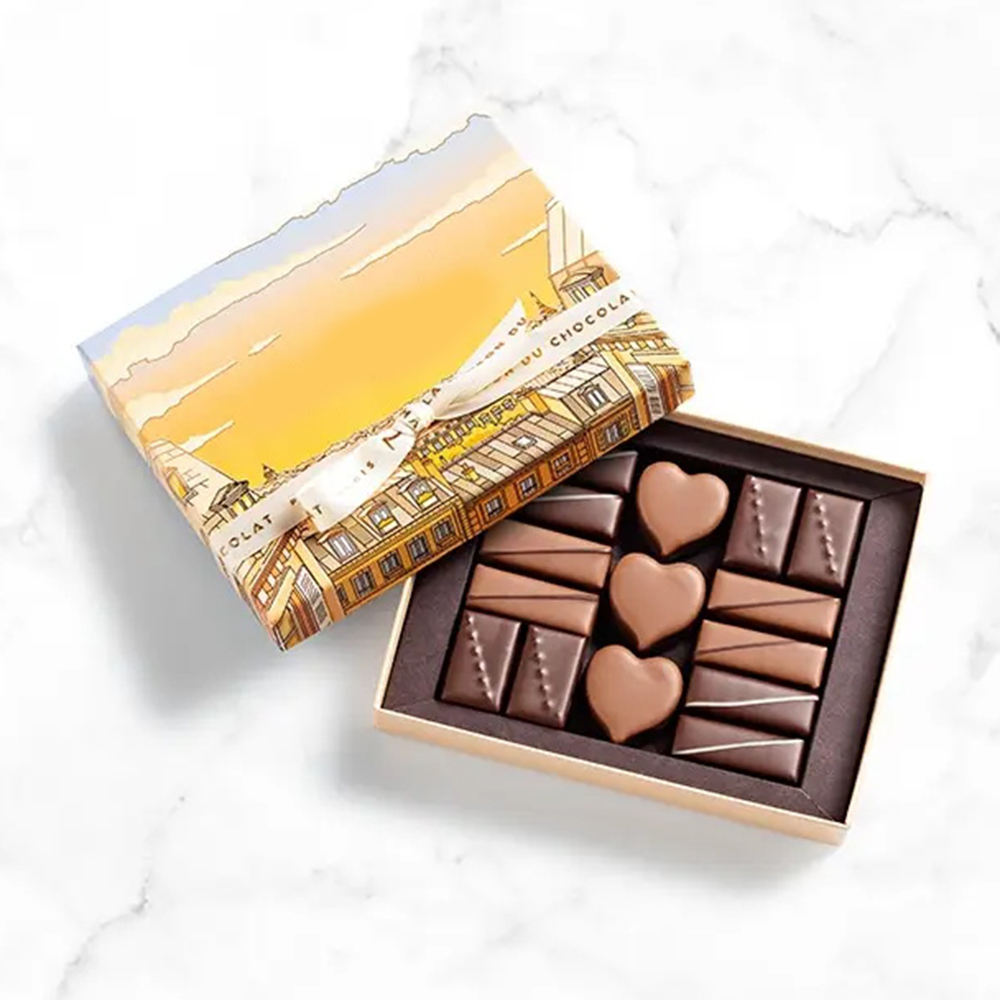
Sugar-free products often need a slightly different visual approach from traditional chocolate gift boxes. Customers may be looking for a premium experience, but they also want to understand the product quickly.
The challenge is to make the packaging feel delicious and appealing without making health-related claims that are misleading.
Use Colors That Support Brand Positioning
Many sugar-free chocolate brands use clean, modern color combinations to communicate simplicity and transparency.
For example, soft green, cream, white, and natural brown can create a fresh appearance. Deep brown, black, and metallic gold can give premium chocolate collections a more luxurious look.
There is no single correct color palette. The important thing is to create a consistent visual identity that fits the target audience.
Make the Sugar-Free Claim Visible but Accurate
The words "Sugar-Free" can be an important selling point. Placing them on the front panel helps shoppers identify the product quickly.
However, brands should avoid unsupported claims such as "safe for diabetics," "healthy for everyone," or "zero impact on blood sugar."
Sugar-free does not automatically mean carbohydrate-free or calorie-free. Some products may contain sweeteners or other ingredients that affect blood glucose differently.
A more responsible approach is to communicate verified product characteristics and let the nutrition panel provide additional details.
Use Finishing Techniques to Improve Shelf Appeal
Custom printing gives brands many ways to create a distinctive chocolate box.
Some popular finishing options include:
- Matte lamination for a smooth, understated appearance.
- Gloss coating for brighter colors and stronger visual impact.
- Foil stamping for premium logos and decorative details.
- Embossing for a raised brand name or product pattern.
- Spot UV for highlighting selected graphic elements.
These techniques can improve the appearance of the package, but they should not interfere with essential labeling information.
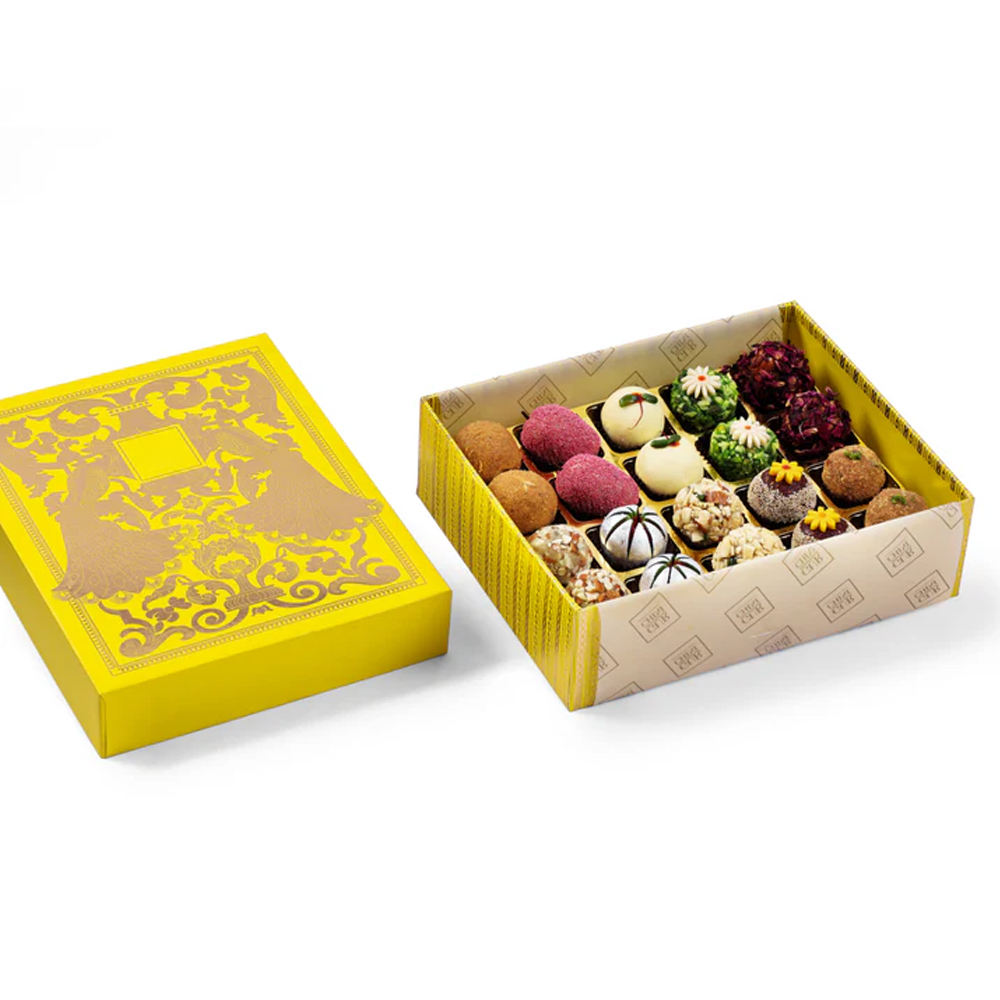
Not every sugar-free chocolate product is sold in the same way. Some brands focus on supermarkets, while others sell through online stores, specialty food shops, gift retailers, or subscription services.
Each channel creates different packaging requirements.
Packaging for Supermarket Shelves
Retail packaging needs to communicate quickly. Shoppers may compare several chocolate products within a short period, so the front panel should clearly show the brand, product type, flavor, and relevant sugar-free claim.
The information panel should also remain easy to locate.
For supermarket products, brands should consider barcode placement, shelf dimensions, packaging durability, and retailer-specific requirements.
Packaging for E-Commerce Orders
Online chocolate sales bring another challenge: transportation.
A gift box may look excellent on a shelf but still need additional protection during delivery. Brands should test the complete shipping setup, including the chocolate box, protective materials, and outer shipping carton.
Consider these practical details:
- Strong corners that resist crushing.
- Secure closures that stay in place.
- Inserts that prevent chocolate movement.
- Outer cartons suited to shipping conditions.
- Clear product identification for warehouse handling.
Good shipping packaging helps reduce damaged orders, customer complaints, and unnecessary replacement costs.
Packaging for Premium Chocolate Gifts
Sugar-free chocolate can also be positioned as a thoughtful gift. In this case, the package should create an enjoyable unboxing experience while keeping important product information accessible.
Magnetic closures, drawer-style boxes, ribbon details, and custom inserts can make the product feel special.
For gift packaging, the outside can focus on brand storytelling and visual appeal, while a clearly designed information panel or accompanying label provides the necessary product details.
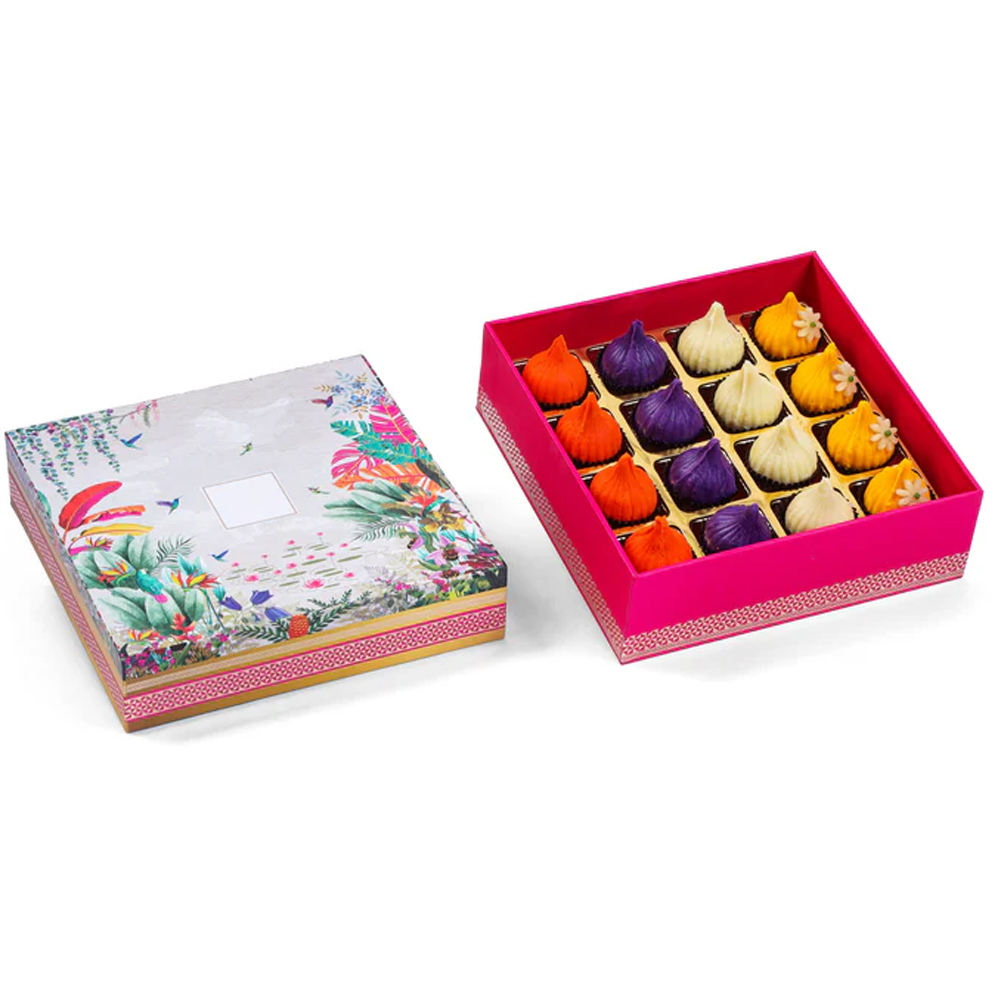
Even the best packaging concept can fail if the final printed product does not match the approved design. For sugar-free chocolate boxes, printing accuracy is especially important because small labeling errors can create bigger problems.
A reliable packaging production process should include artwork review, sample approval, printing checks, and final quality inspection.
Prepare Print-Ready Artwork
Before sending files to production, brands should check that all text is correct and that the artwork matches the final box dimensions.
Pay particular attention to:
- Ingredient and allergen information.
- Nutrition facts and serving sizes.
- Required warning statements.
- Net quantity and product identification.
- Barcode readability.
- Manufacturer or distributor details.
- Expiration or batch-code areas, where applicable.
The final content should be checked against the actual recipe and relevant food-labeling regulations.
Request a Physical Packaging Sample
A digital mockup cannot show every detail of the finished box. Colors may appear different on paper, small text may be difficult to read, and structural problems may not become obvious until the package is assembled.
Requesting a physical sample allows brands to check the real result.
Test the box by placing the actual chocolate products inside. Check whether the inserts fit properly, whether the closure works, and whether the warning information remains visible.
Work With a Custom Packaging Manufacturer
Choosing the right packaging supplier can make the production process easier. An experienced custom packaging manufacturer can help brands select suitable board materials, develop box structures, adjust printing layouts, and prepare samples.
For wholesale buyers, production consistency also matters. The first batch and later orders should maintain similar dimensions, colors, print quality, and finishing standards.
A good supplier should be willing to discuss specifications before production rather than simply accepting an artwork file and printing it without review.
Sugar-free chocolate packaging needs to do more than look good. It must protect the product, communicate important information, support the brand identity, and meet the labeling requirements of the intended market.
Well-designed Chocolate Boxes give brands enough space to present their products beautifully while keeping ingredients, nutrition facts, and applicable warning statements easy to read.
The most effective approach is to consider labeling requirements from the beginning, select suitable packaging materials, create a practical structure, and test the finished box before mass production.
For chocolate manufacturers, wholesalers, and retailers, these details can make a meaningful difference. A package that combines visual appeal with accurate information builds customer confidence and supports a more professional product presentation.
Ultimately, the goal is simple: create packaging that makes sugar-free chocolate look irresistible while ensuring customers know exactly what they are buying.
Sugar-free chocolate boxes should include ingredient lists, nutrition facts, allergen information, net weight, and any legally required warning statements. Clear labeling helps customers understand the product and make informed purchasing decisions.
Depending on the ingredients and applicable regulations, some sugar-free chocolate products may require additional warnings. For example, products containing certain sugar alcohols may need a statement about potential laxative effects when consumed in excess.
Paperboard and rigid cardboard are popular choices for custom chocolate packaging. They offer excellent printing flexibility, attractive finishes, and structural support. Food-contact suitability should also be checked for any materials that directly touch the chocolate.
Yes. Custom chocolate boxes can be designed with dedicated information panels for nutrition facts, ingredient lists, allergen statements, and warning labels. Proper layout planning ensures that essential information remains readable without compromising the overall design.
Wholesale buyers can customize box sizes, materials, printing colors, inserts, finishes, and structural designs. Working with an experienced packaging manufacturer also helps ensure consistent quality, accurate printing, and packaging that meets the product's requirements.
Post time: Nov-10-2026


