


Packaging That Matches Today's Wellness Lifestyle
Functional gummies have become a popular choice for consumers who want a convenient and enjoyable way to add supplements to their daily routines. From vitamin C and melatonin to collagen and plant-based extracts, these products combine familiar candy-like formats with wellness-focused ingredients. As the market grows, packaging is becoming more than a simple way to hold a product. It is an important part of the customer experience.
Well-designed Sweet Boxes help functional gummy brands present their products in a way that feels attractive, practical, and trustworthy. When customers browse an online store or walk through a retail aisle, packaging often shapes their first impression. A clean design, easy-to-read information, and a suitable box structure can make a product stand out without relying on excessive decoration.
Turning First Impressions Into Brand Recognition
Consumers often compare several products before making a purchase. In this situation, consistent branding can make a real difference. Colors, typography, illustrations, and packaging materials should work together to communicate the brand's personality. For example, a vitamin gummy brand might use bright colors to create a friendly appearance, while a sleep-support product could use softer shades to suggest a calm evening routine.
The goal is not simply to make a box look beautiful. It is to help customers understand what the product is, who it is designed for, and what makes the brand different. When packaging communicates these details clearly, it can support stronger brand recognition and a more memorable shopping experience.
Packaging as Part of the Product Experience
A functional gummy may be small, but its packaging can have a significant influence on how customers perceive its quality. A sturdy box, a neat interior layout, and a well-designed opening experience all contribute to the overall impression. For wellness brands, these small details can help create a more polished product presentation.
Matching Packaging to Product Positioning
Not every functional gummy serves the same purpose, so a one-size-fits-all packaging design may not be the best solution. Energy gummies, beauty supplements, sleep-support gummies, and daily multivitamins each have different audiences and brand messages. Their packaging should reflect those differences while maintaining a consistent visual identity across the product line.
For example, beauty-focused gummies may benefit from elegant graphics and a refined color palette. Products aimed at active consumers might use bold typography and energetic visual elements. Children's vitamin gummies may need a playful design, although the packaging should still communicate dosage information and safety guidance clearly.
Choosing the Right Box Structure
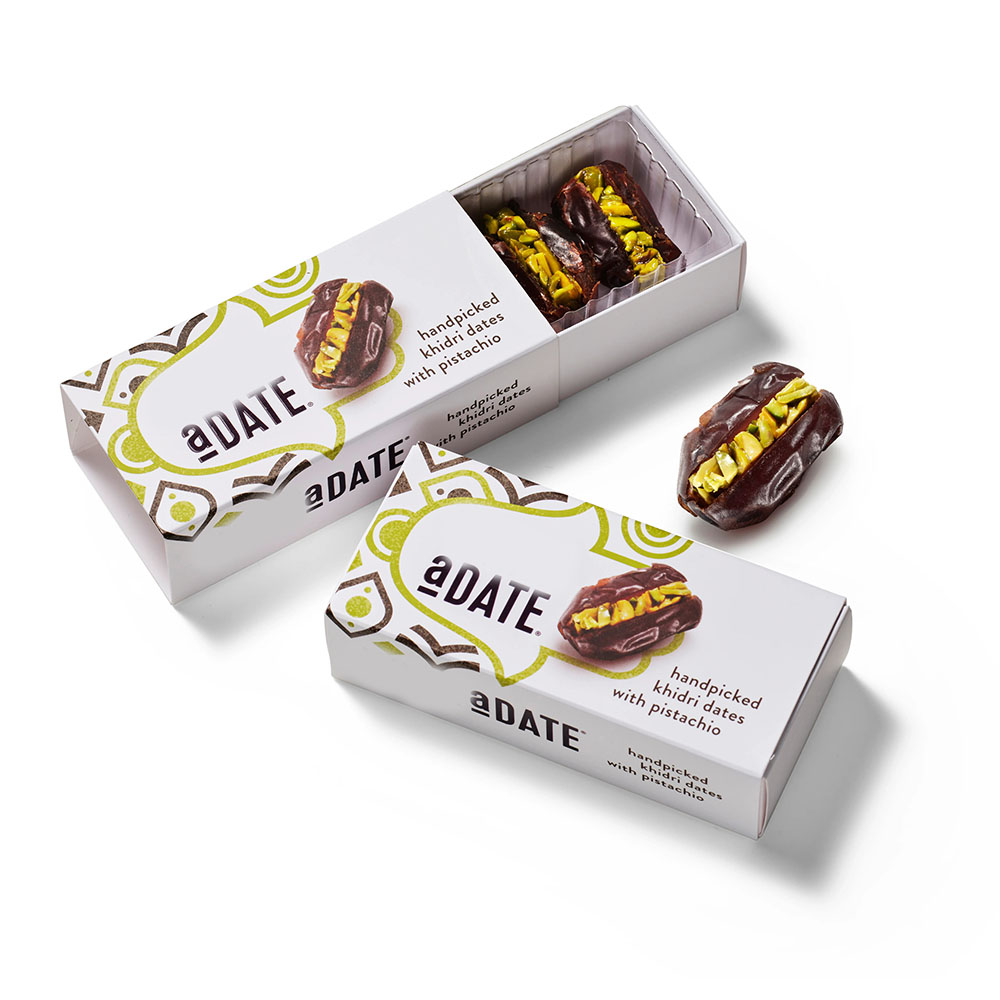
The physical structure of a box matters just as much as its appearance. Folding cartons are often suitable for lightweight retail products because they can be customized in different sizes and printed with detailed graphics. Tuck-end boxes offer a familiar format, while sleeve-style packaging can create a more distinctive unboxing experience.
For premium product lines, brands may consider rigid boxes when the additional protection, presentation, and cost are justified. However, the best option depends on the product's weight, container shape, distribution method, and target price point.
Creating a Consistent Product Family
When a company offers several gummy formulas, its packaging should make the products easy to distinguish without making the entire range look disconnected. A shared logo, consistent typography, and similar box dimensions can establish brand unity. Different accent colors or simple graphic elements can then identify individual formulas.
This approach also makes future product launches easier. Instead of creating a completely new design every time, brands can build on an established packaging system and introduce new products with less visual confusion.
Protecting Gummies During Storage and Shipping
Functional gummies can be sensitive to heat, humidity, light, and physical pressure, depending on their formulation. Packaging decisions should therefore consider more than shelf appeal. A box needs to work with the primary container, pouch, blister pack, or sealed inner packaging used to protect the gummies.
The outer carton can provide an additional layer of protection against handling damage and help keep product information organized. However, it should not be treated as a replacement for suitable moisture barriers or validated food-contact packaging. Brands should test the complete packaging system under realistic storage and transportation conditions.
Making Daily Use More Convenient
Customers appreciate packaging that fits naturally into their routines. A box that opens easily, stores neatly, and keeps the product presentation organized can make everyday use more convenient. Depending on the product format, brands might also consider compact dimensions that fit into a handbag, desk drawer, or travel bag.
Convenience should never come at the expense of product safety. If gummies are packaged in a resealable pouch or another primary container, the packaging system should maintain its intended closure and protection throughout normal use. Child-resistant packaging may also be necessary for certain products, depending on the ingredients, intended users, and applicable regulations.
Displaying Important Product Information
Functional supplement packaging needs to communicate essential details clearly. Depending on the market and product category, these may include the product name, serving size, ingredient list, supplement facts, allergen information, warnings, storage instructions, and manufacturer or distributor details.
Readable typography and a sensible information hierarchy help customers find what they need quickly. Brands should also verify that all health-related statements are accurate and compliant with the rules that apply in their target markets. Attractive packaging can draw attention, but clear and reliable information helps build long-term trust.
Using Finishes to Create a Distinctive Look
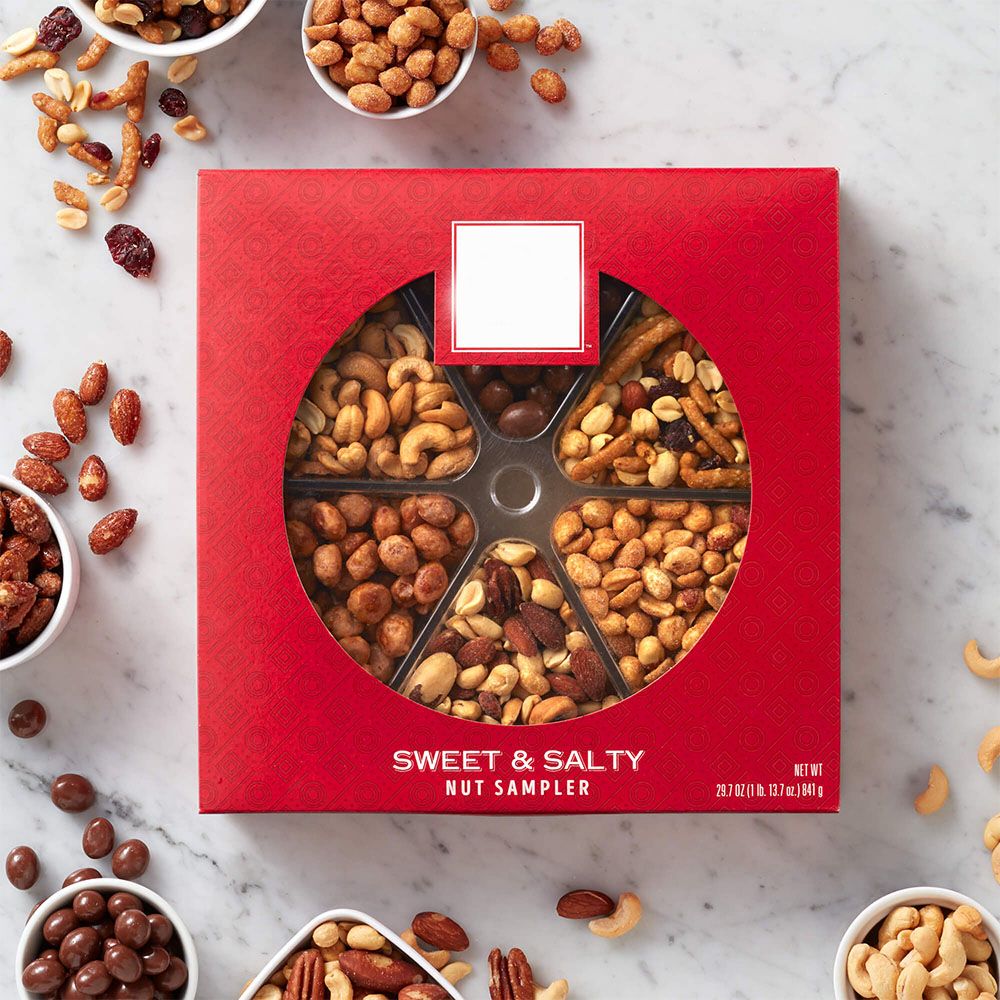
Special finishes can give functional gummy packaging a more refined appearance. Matte coatings, gloss details, foil accents, embossing, and debossing are common options for brands looking to add visual or tactile interest. The right finish depends on the product's positioning and the overall design concept.
For instance, a premium collagen gummy brand might use a restrained color palette with a small metallic accent. A fruit-flavored vitamin brand could choose a brighter design with selective gloss to highlight illustrations or product names. These effects work best when they support the message rather than compete with it.
Balancing Quality With Packaging Costs
Premium packaging does not always require expensive materials or complicated construction. Smart design choices can create a high-quality appearance while keeping production manageable. Using a standard carton structure, limiting the number of special finishes, and selecting suitable paperboard can help control costs.
Brands should also consider minimum order quantities, printing setup fees, storage requirements, and shipping expenses. A packaging design that looks impressive but takes up excessive space may increase fulfillment costs. Comparing the total cost of ownership, rather than just the unit price, provides a more realistic picture of value.
Creating a Better Unboxing Experience
Unboxing has become an important part of online shopping, particularly for brands that rely on social media and customer recommendations. A neatly arranged product, attractive printed interior, or short welcome message can make the experience feel more personal.
Still, every extra element should have a purpose. Unnecessary inserts and oversized boxes may create waste without adding much value. A simple, well-executed design often delivers a better experience than packaging filled with decorative features.
Choosing Materials With Care
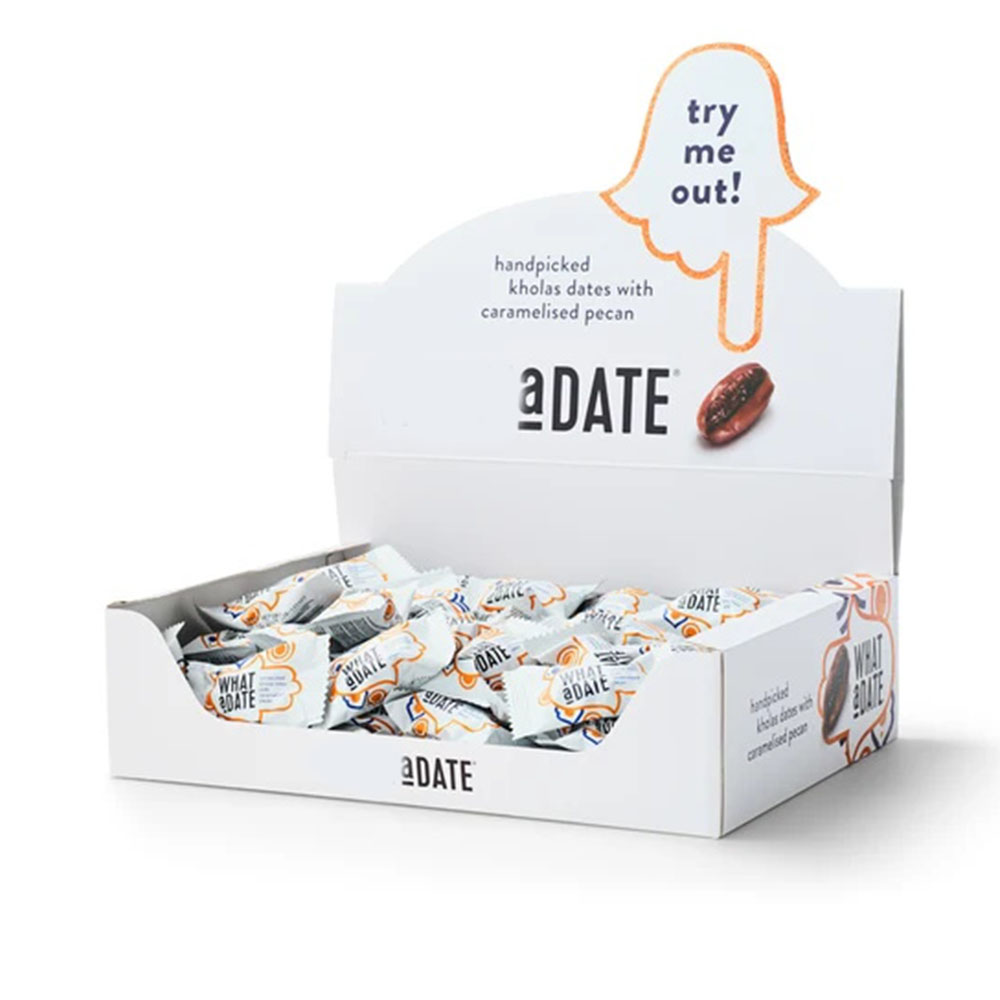
Environmental considerations are becoming increasingly relevant to packaging decisions. Many functional gummy brands are exploring paperboard cartons, responsibly sourced materials, and packaging designs that reduce unnecessary components. These choices can support a more thoughtful brand image while helping businesses review their resource use.
However, sustainability claims should be based on the actual materials and their end-of-life options. A recyclable carton may still be combined with plastic laminations or other components that affect local recycling acceptance. Brands should confirm material specifications and avoid making broad environmental claims that cannot be substantiated.
Reducing Unnecessary Packaging
One practical way to improve packaging efficiency is to review the dimensions of every component. Boxes that are larger than necessary can increase material consumption, storage needs, and transportation volume. A better-fitting carton can reduce wasted space while still allowing room for protective inserts and required product information.
Lightweight packaging may also help lower shipping weight, although its performance must be evaluated alongside durability. If a thinner material leads to frequent damage or product returns, the overall environmental and financial benefits may disappear.
Designing for Future Growth
Sustainable packaging decisions should consider the entire product lifecycle, from material sourcing to disposal. Brands can work with packaging suppliers to explore recycled content, appropriate paper grades, and structures that are easier to separate for recycling.
It is also worth reviewing packaging regularly as production volumes increase. A design that works for a small launch may need adjustments when the product enters larger retail channels or international markets. Planning for scalability can help brands avoid expensive redesigns and maintain consistent packaging standards.
Evaluating Manufacturing Capabilities
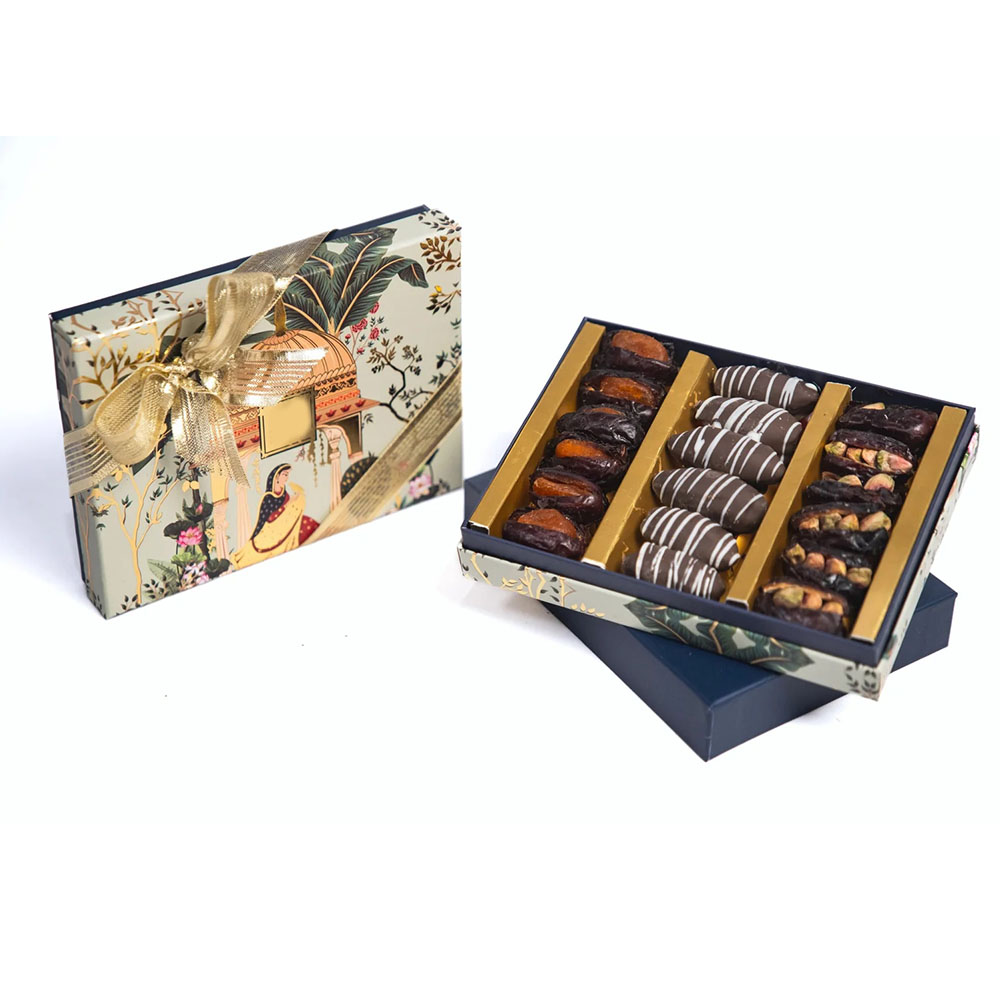
Finding a suitable packaging supplier is an important step for functional gummy businesses. Before placing an order, brands should review the supplier's printing quality, material options, structural design capabilities, production capacity, and quality-control procedures.
It is useful to request physical samples before approving a final design. Samples allow teams to check the box dimensions, folding performance, color accuracy, surface finish, and compatibility with the intended primary packaging. For products with special storage requirements, the complete packaging system should also undergo appropriate testing.
Understanding Customization and Minimum Orders
Customization can help a brand stand out, but it should fit the company's current stage of growth. Startups may prefer a straightforward carton with custom printing, while established businesses might benefit from more advanced finishing techniques or specialized structures.
Ask suppliers about minimum order quantities, lead times, artwork requirements, sample charges, and repeat-order consistency. Clear communication at the beginning can prevent delays and unexpected costs later. It is also helpful to confirm whether the supplier can support future changes in box dimensions, product variants, or order volumes.
Preparing Artwork Before Production
Good packaging starts with production-ready artwork. Design files should follow the printer's specifications for dimensions, bleed, safe areas, color settings, and finishing details. All mandatory product information should be reviewed before the artwork is approved.
A physical proof or preproduction sample can reveal issues that are difficult to spot on a computer screen. Small text may become hard to read, colors may appear different on the selected material, and certain finishes may affect nearby graphics. Checking these details early helps reduce waste and keeps the final packaging closer to the original design.
Functional gummy products combine convenience, flavor, and wellness-focused positioning, but the packaging surrounding them deserves just as much attention. Well-designed Sweet Boxes can help brands create a recognizable identity, present product information clearly, protect the primary packaging, and deliver a positive customer experience.
The best packaging solution balances visual appeal with practical performance. Box structure, material selection, printing quality, sustainability considerations, and production costs all influence the final result. At the same time, brands need to make sure that their packaging supports accurate product communication and meets the requirements of their target markets.
Whether you are launching your first vitamin gummy or expanding an established supplement range, start by understanding your audience and the needs of your product. Then work with a reliable packaging supplier to develop samples, test performance, and refine the design before moving into full production. With thoughtful planning, functional gummy packaging can do much more than hold a product. It can become a valuable part of your brand story and help customers recognize your products with confidence.
Functional gummy Sweet Boxes are specially designed packaging solutions for gummy supplements, such as vitamin gummies, collagen gummies, sleep-support gummies, and other wellness products. They help brands present their products professionally while keeping packaging information organized. Depending on the product, these boxes can be paired with sealed pouches, bottles, or blister packs for added protection and convenience.
Choosing the right Sweet Boxes depends on your product size, packaging format, target audience, and brand positioning. Folding cartons are a popular option for lightweight retail products, while premium rigid boxes may suit gift sets or high-end supplement lines. You should also consider printing quality, durability, storage conditions, shipping requirements, and production costs before making a final decision.
Yes, custom Sweet Boxes can help your brand stand out in a competitive market. Elements such as brand colors, logos, typography, and special printing finishes can create a consistent visual identity. Clear product information and an attractive design also help customers understand your product more easily. For the best results, make sure your packaging looks appealing while remaining practical and easy to use.
Yes, brands can explore paperboard Sweet Boxes, responsibly sourced materials, recycled content, and packaging structures that reduce unnecessary material use. The right choice depends on your budget, product requirements, and local recycling options. It is also important to check whether coatings, laminations, or additional components affect recyclability and to ensure that environmental claims are accurate and supported by evidence.
When choosing a Sweet Boxes manufacturer, consider printing quality, material selection, customization options, minimum order quantities, production lead times, and quality-control standards. Requesting samples is a practical way to evaluate the box structure, finish, and overall appearance before placing a large order. You should also confirm that the supplier can meet your packaging specifications and support future product launches or changes in order volume.
Post time: Oct-26-2026


